Day 4-6 into the Arctic circle and the Karigasniemi Marsh
Monday 9th June

After leaving the Siberian Jays, we headed north towards the Arctic Circle. It was still early, and we hoped to see some grouse species along the road. We weren't
disappointed: first, a Hazel Grouse, a lifer for all of us, followed by a female Capercaillie. This was great, as it was a lifer for both Ricky and Adrian. It didn't hang around for long, but I managed to grab a few pictures on my phone before it disappeared into the undergrowth.
Capercaillie, Arctic Circle, Finland, June 2025
We continued north and crossed the Arctic Circle, where we had to stop for a photo. I took the opportunity to go for a short run, which now means I can say I've run across the Arctic Circle—lol!!!!
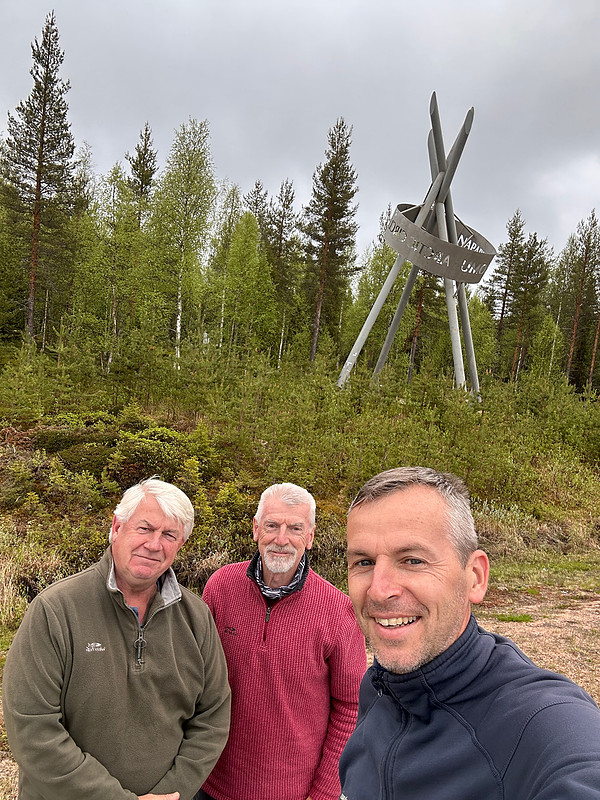 The crew, Arctic Circle, Finland, June 2025
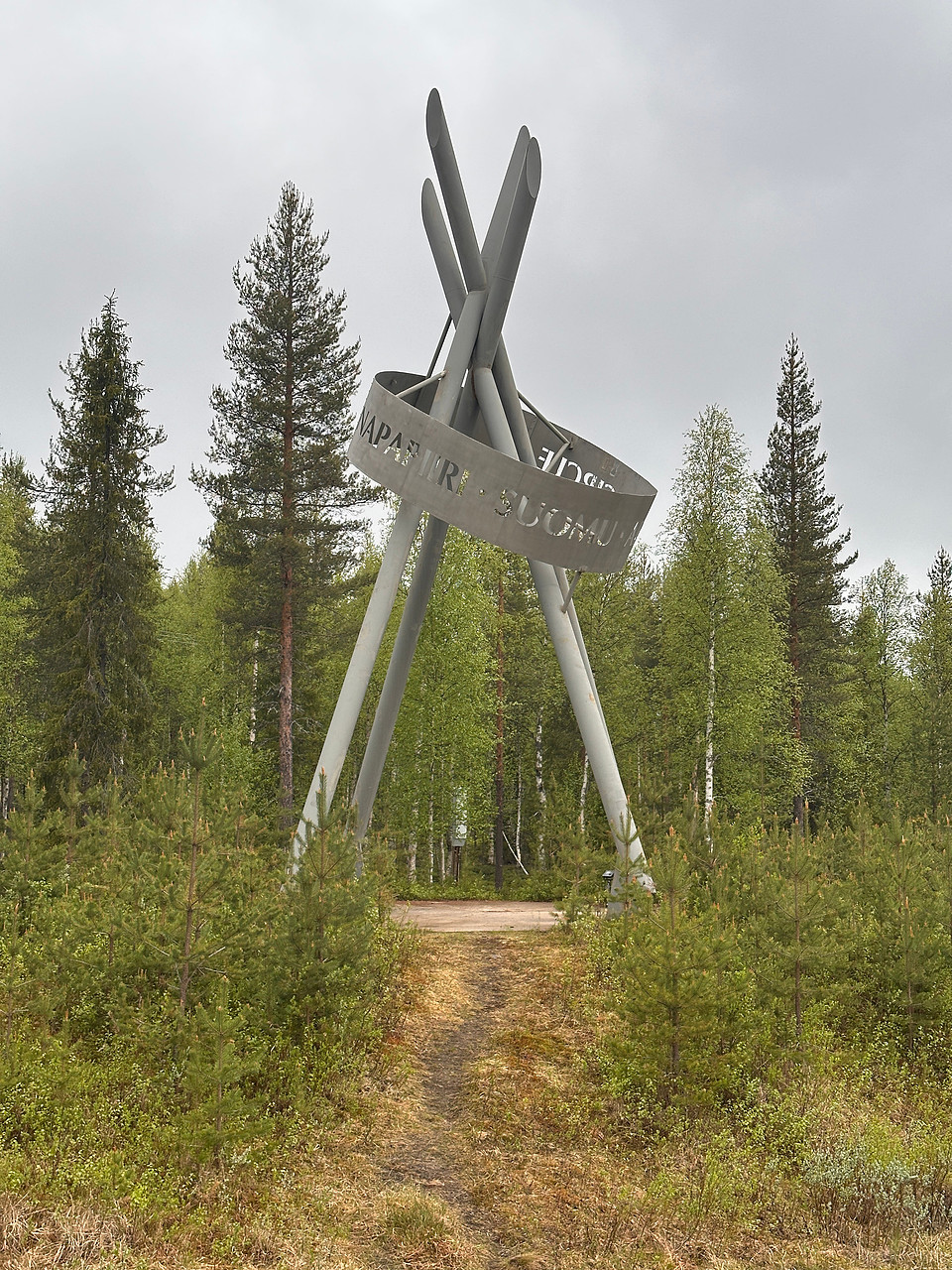 Arctic Circle, Finland, June 2025
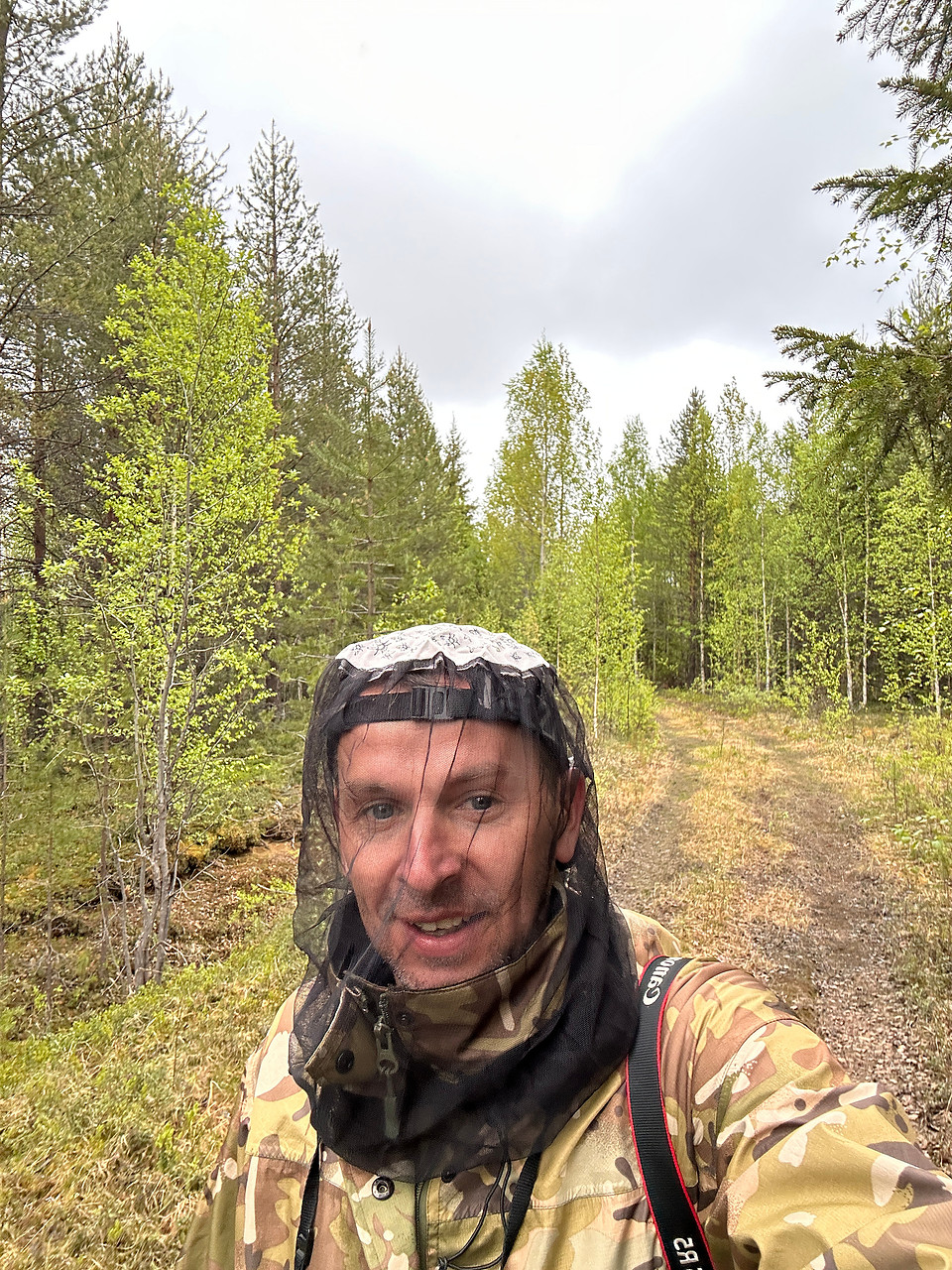
We had two stops en route to the Karigasniemi Marsh today. First up was a site near Pelkosenniemi for Common Cranes. We had some good intel from last year that this was a reliable spot. After finding a place to park, we began the walk in. We followed a track that I thought would bring us out near the site, but unfortunately it was impassable, as the path disappeared into the bog. The air was filled with midges, so we covered up to be on the safe side. There were also plenty of signs of what looked like deer in the area, with droppings scattered all over the place.
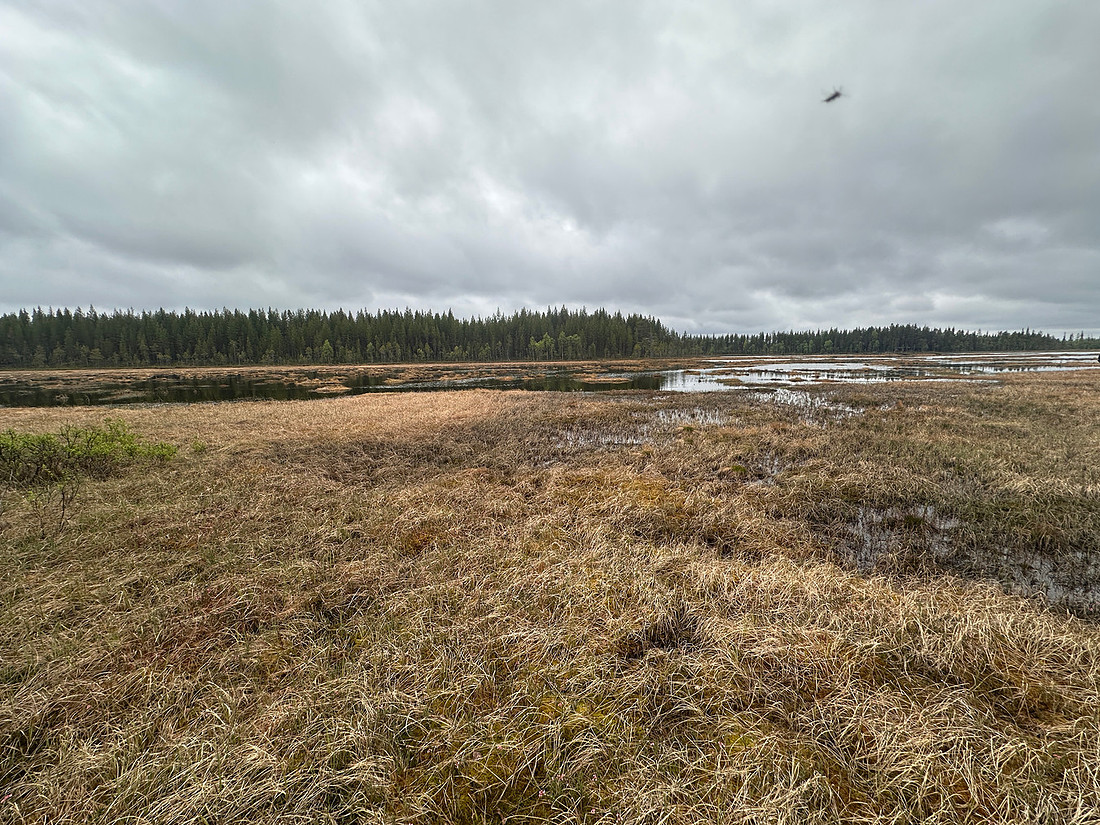
It was too far to walk in from here across a really boggy area so we had to re think and had to find somewhere else to get into the area. Some good birds were in the area with numerous calling Wood Sandpipers and some drumming Woodpeckers. We searched in vain for these hoping they might be Black Woodpeckers. None seen
We soon found the correct area we needed to get into the Crane site and it actually followed a boardwalk out to a wooden bird hide on the edge of a huge area of bog. The walk out was interesting it started in a woodland where we had, Willow Warblers, Blackcap, Lesser Whitethroat, Redwings, Pied Flycatcher and Bramblings.
We soon hit the bog and there was a well maintained boardwalk which went on for a fair few km. Along the boardwalk the local schools had made some banners on the birds you might see which included Common Crane and Great Grey Shrike. No shrike today but we soon heard and saw a couple of cranes. Also a long the boardwalk we saw good numbers of what I suspect were Great Raft Spiders.
Boardwalk, Pelkosenniemi, Finland, June 2025
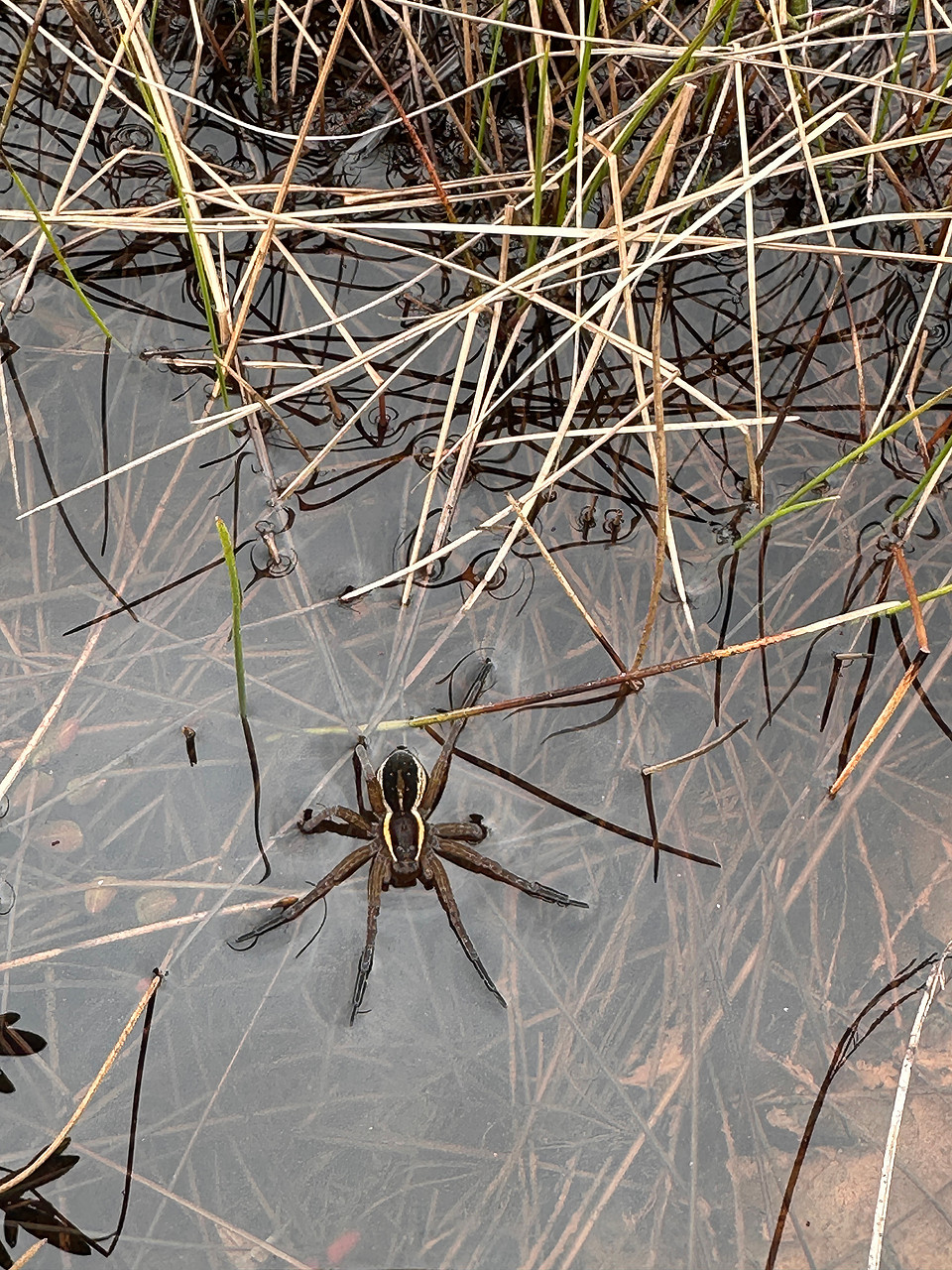 Great Raft Spider, Pelkosenniemi, Finland, June 2025
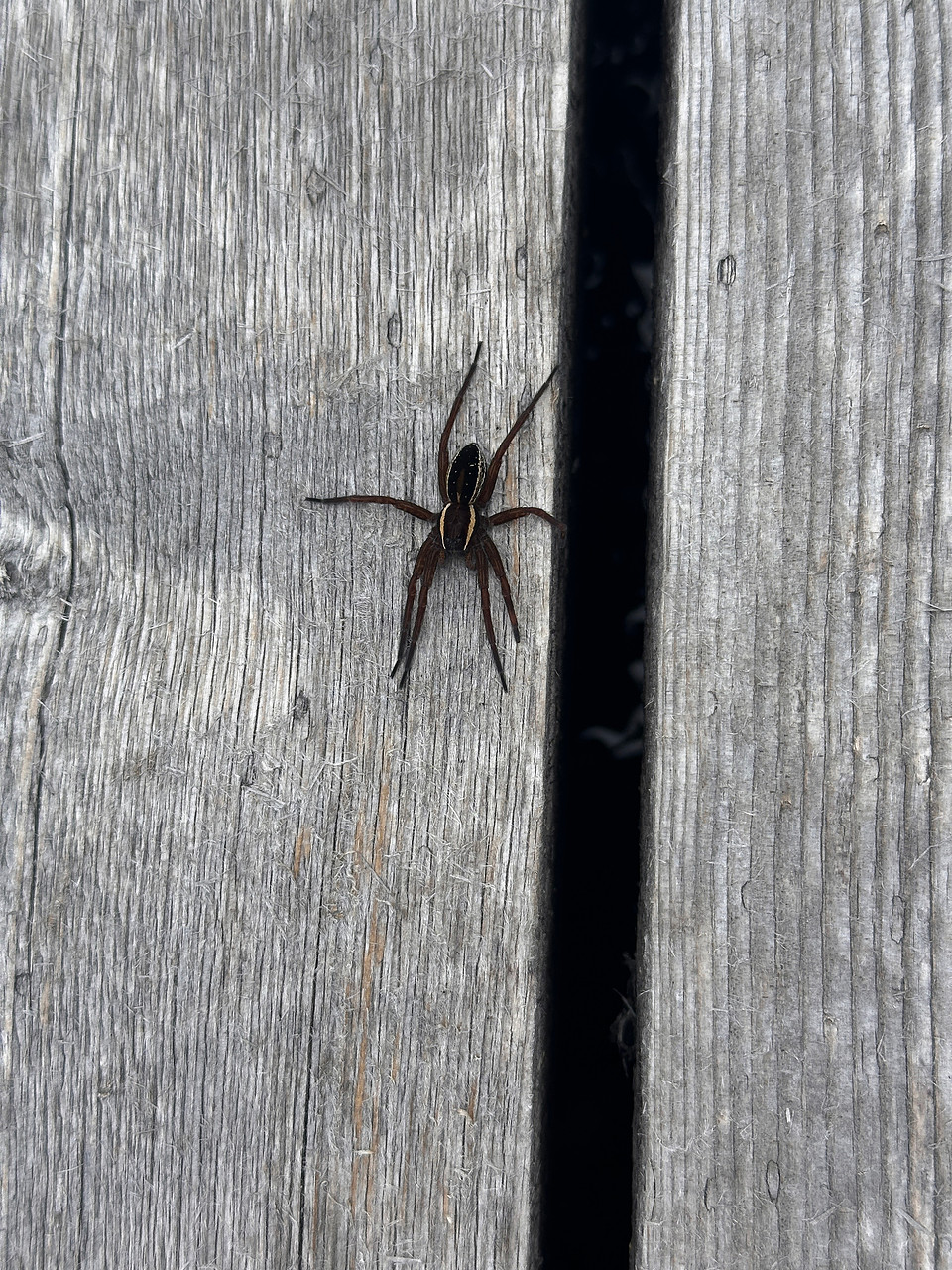 Great Raft Spider, Pelkosenniemi, Finland, June 2025
At the end of the boardwalk stood a wooden viewing platform that offered stunning views across the bog. And when I say vast, I mean truly vast—it stretched away for miles in every direction. Somewhere out there, hidden among the endless expanse of wetlands, were nesting Common Cranes, and that's what we had come to see. From the platform, we carefully scanned the bog. Apart from a few very distant nesting gulls and some Whooper Swans, there wasn't much else visible. Not that there wasn't plenty out there—I'm sure there were several pairs of cranes scattered across the marsh—but they were simply too far away for us to pick out with our binoculars We had put a lot of effort into reaching this spot, but on this occasion, the cranes had the upper hand.
Boardwalk, Pelkosenniemi, Finland, June 2025
Boardwalk, Pelkosenniemi, Finland, June 2025
Boardwalk, Pelkosenniemi, Finland, June 2025
Boardwalk, Pelkosenniemi, Finland, June 2025
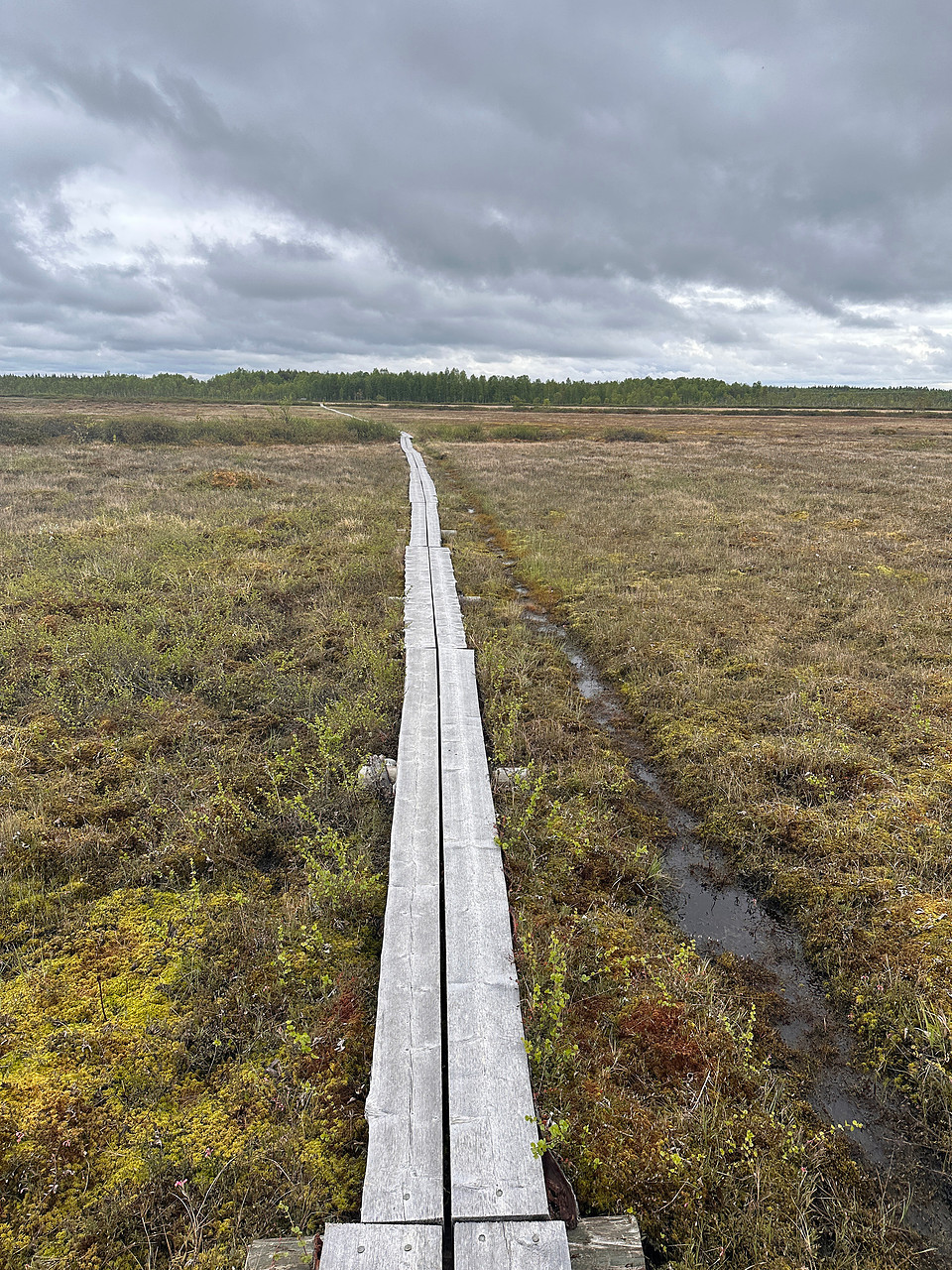 Boardwalk, Pelkosenniemi, Finland, June 2025
As we were leaving, a pair of cranes suddenly flew overhead before dropping down onto the bog. I climbed back up to the platform to see what they were up to. One bird disappeared into a patch of woodland, while the other landed out on the marsh. Nearby, a pair of nesting Curlews took immediate exception to the crane's presence, and before long the three birds were engaged in a loud and very vocal disagreement. The Curlews eventually won the argument, and the crane moved off. I watched it for a while longer, but it appeared to be feeding rather than showing any signs of nesting, so I eventually gave up and made my way back to the car.
The walk back wasn't without reward, though, as we enjoyed good views of several Wood Sandpipers and a few Grey-headed Wagtails along the way.
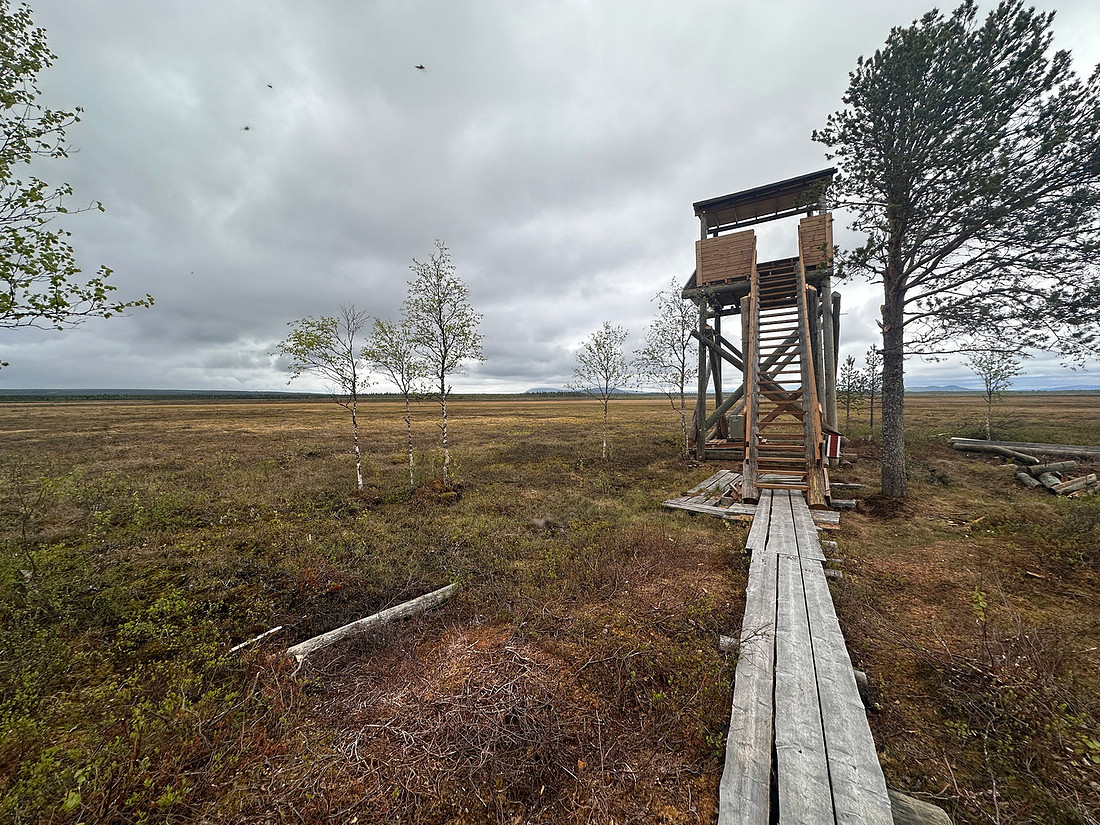 Boardwalk bird tower, Pelkosenniemi, Finland, June 2025
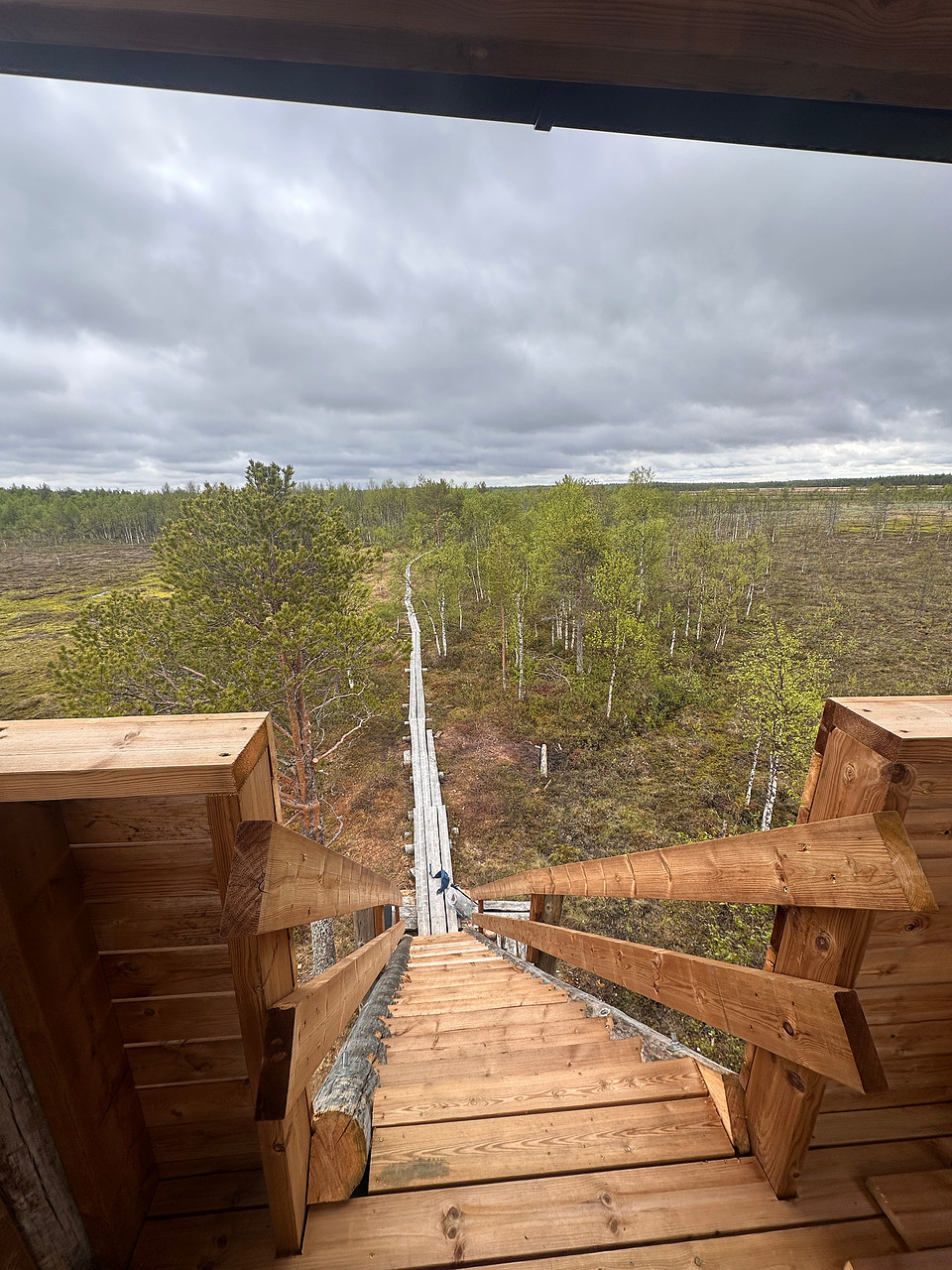 Boardwalk bird tower, Pelkosenniemi, Finland, June 2025
We arrived back at the car with a fair few miles already in our legs, yet we still had a few hundred miles to drive and one more potential stop along the way. Our next destination was a mountain and ski resort near Saariselkä, a reliable site for breeding Dotterel. Given that you can almost drive to the summit, it seemed a no-brainer to stop and have a look around. At the car park there was a restaurant, and around it we found several pairs of breeding House Martins. It was great to see them, although I couldn't help wondering how they managed to survive in such a harsh environment, as it was bitterly cold even at this time of year.
The area was busy with tourists, which is never ideal when you're trying to watch birds, but we gave it a chance anyway. We spread out across the mountain in search of Dotterel, but despite our efforts we all drew a blank. There were, however, a pair of Northern Golden Plovers and a pair of Whimbrel to keep us interested. The Whimbrel were behaving rather suspiciously, and after watching them for a short while we discovered why. Hidden among the vegetation was a beautiful, though incomplete, clutch of three eggs. After what had been a fairly slow day, it was a rewarding find and a welcome boost to morale. I remember our first trip to Iceland 7 years ago and how excited we were to find a Whimbrels nest. Even now years later and well in do double figures I get just as excited to peer into one of these magnificent waders nests.
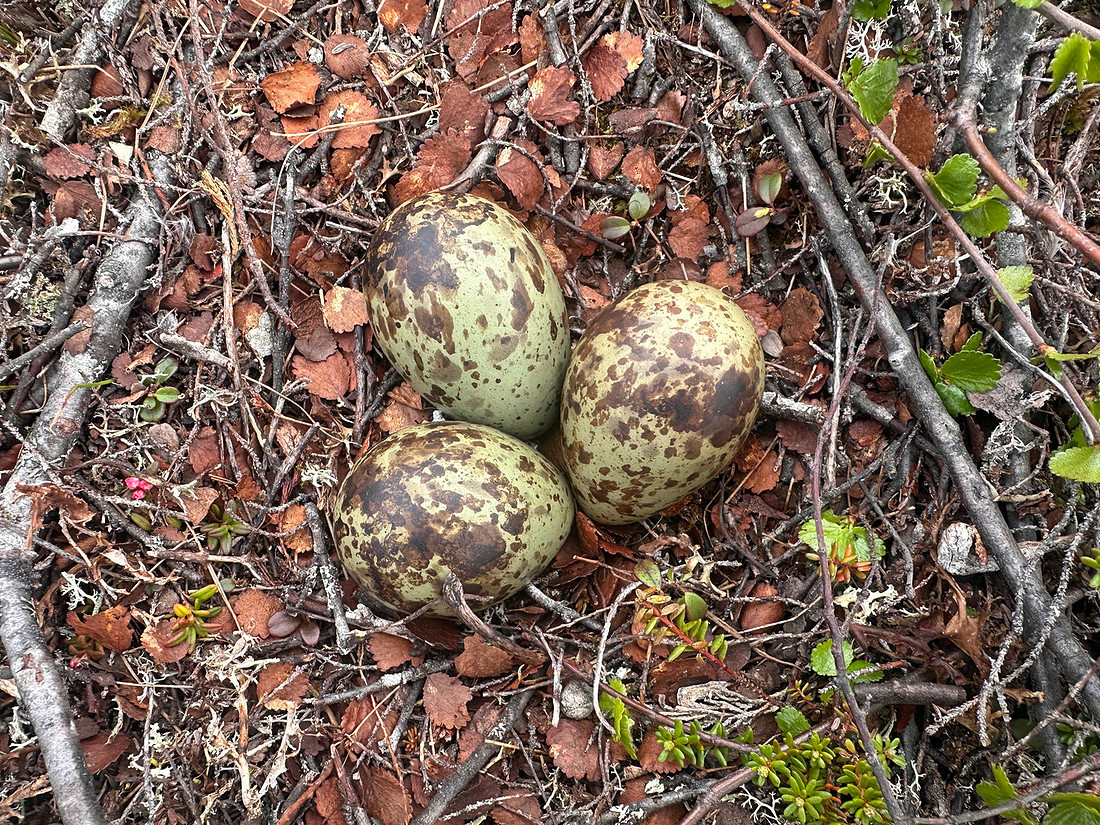 Whimbrel nest, Saariselka, Finland, June 2025
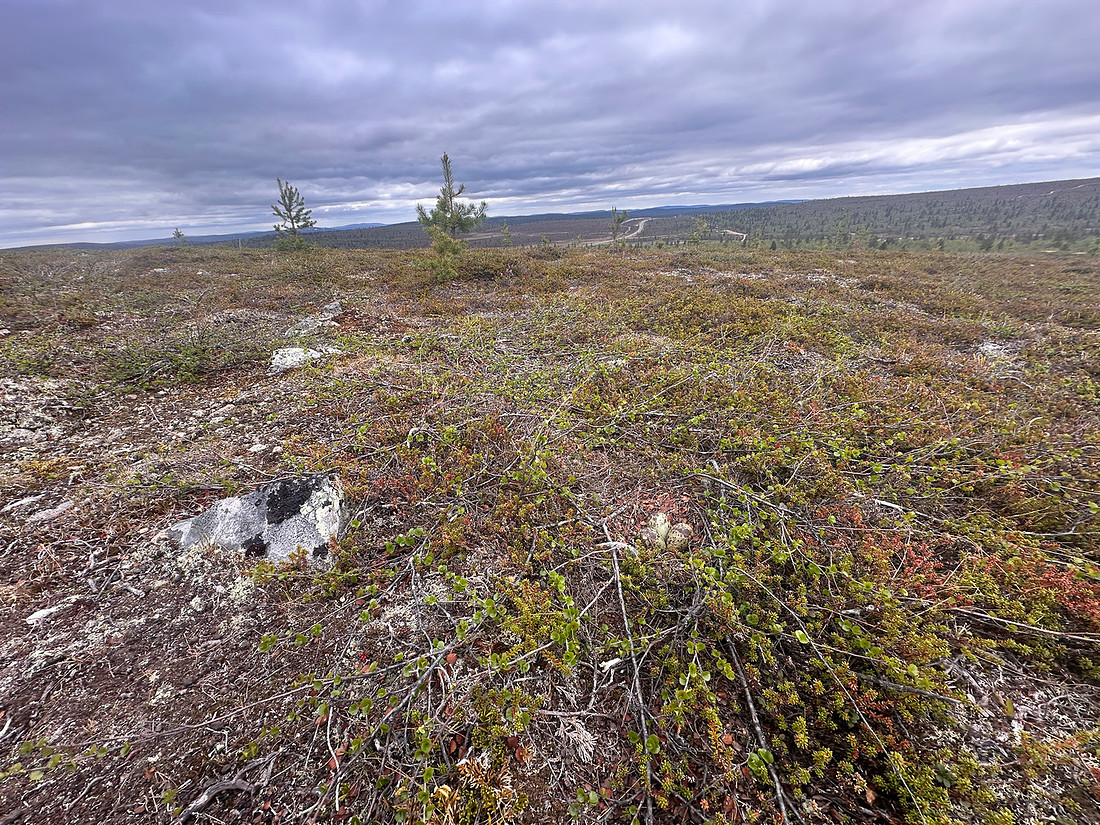 Whimbrel nest, Saariselka, Finland, June 2025
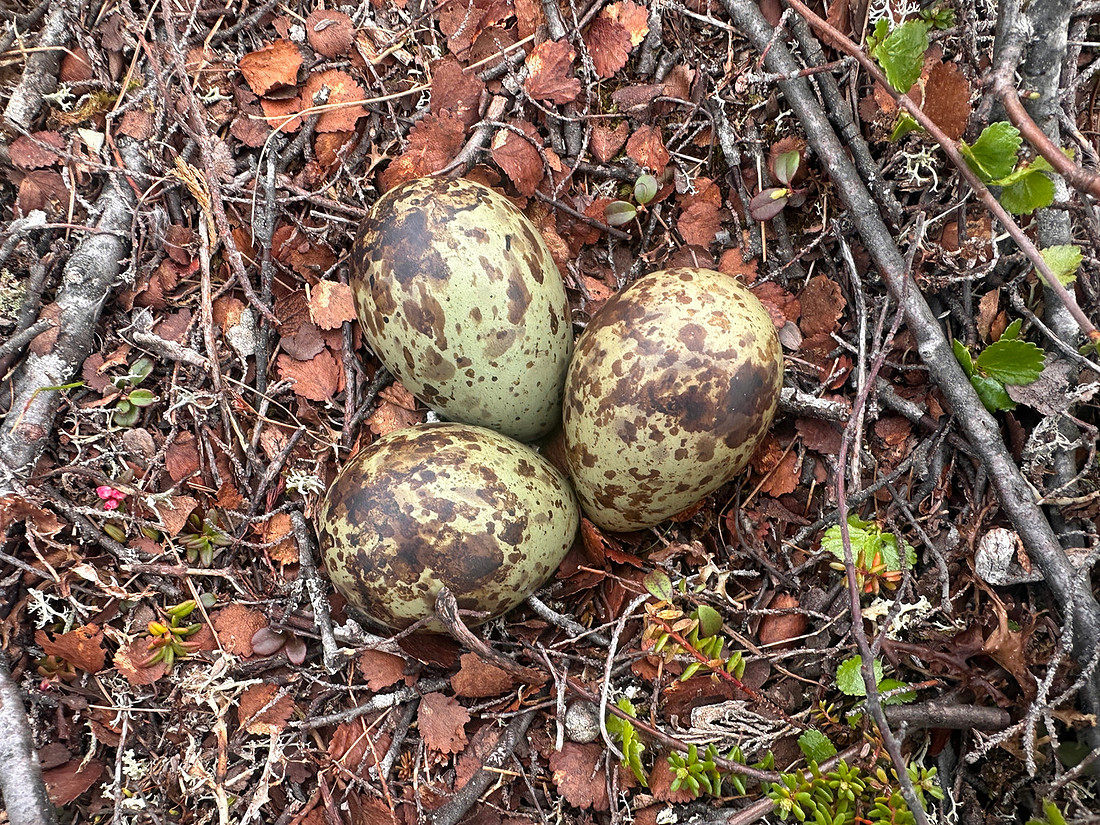 Whimbrel nest, Saariselka, Finland, June 2025
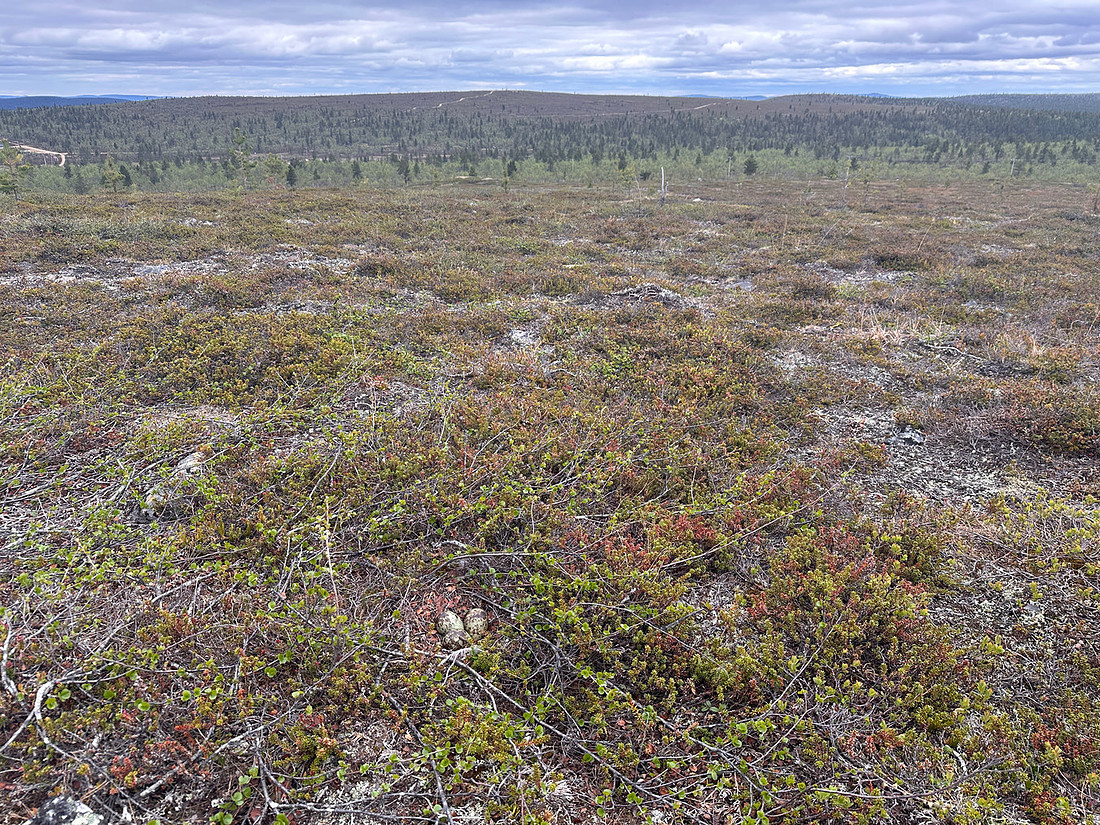 Whimbrel nest, Saariselka, Finland, June 2025
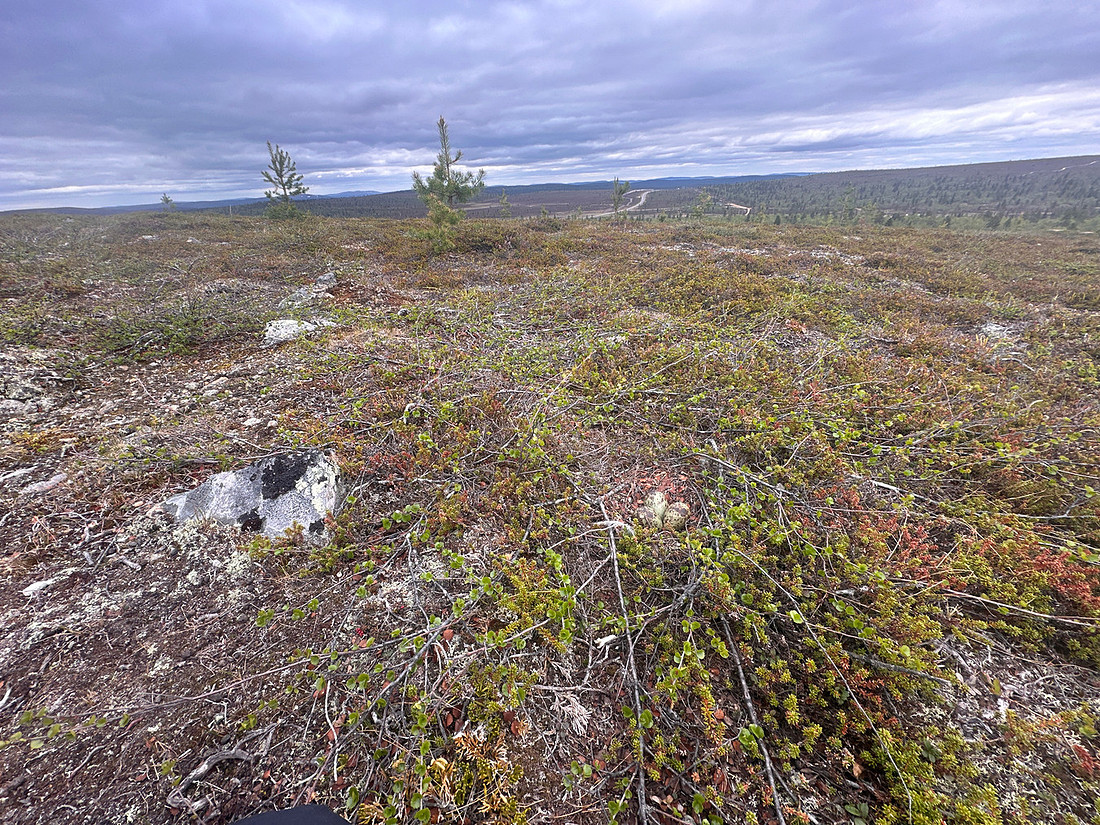 Whimbrel nest, Saariselka, Finland, June 2025
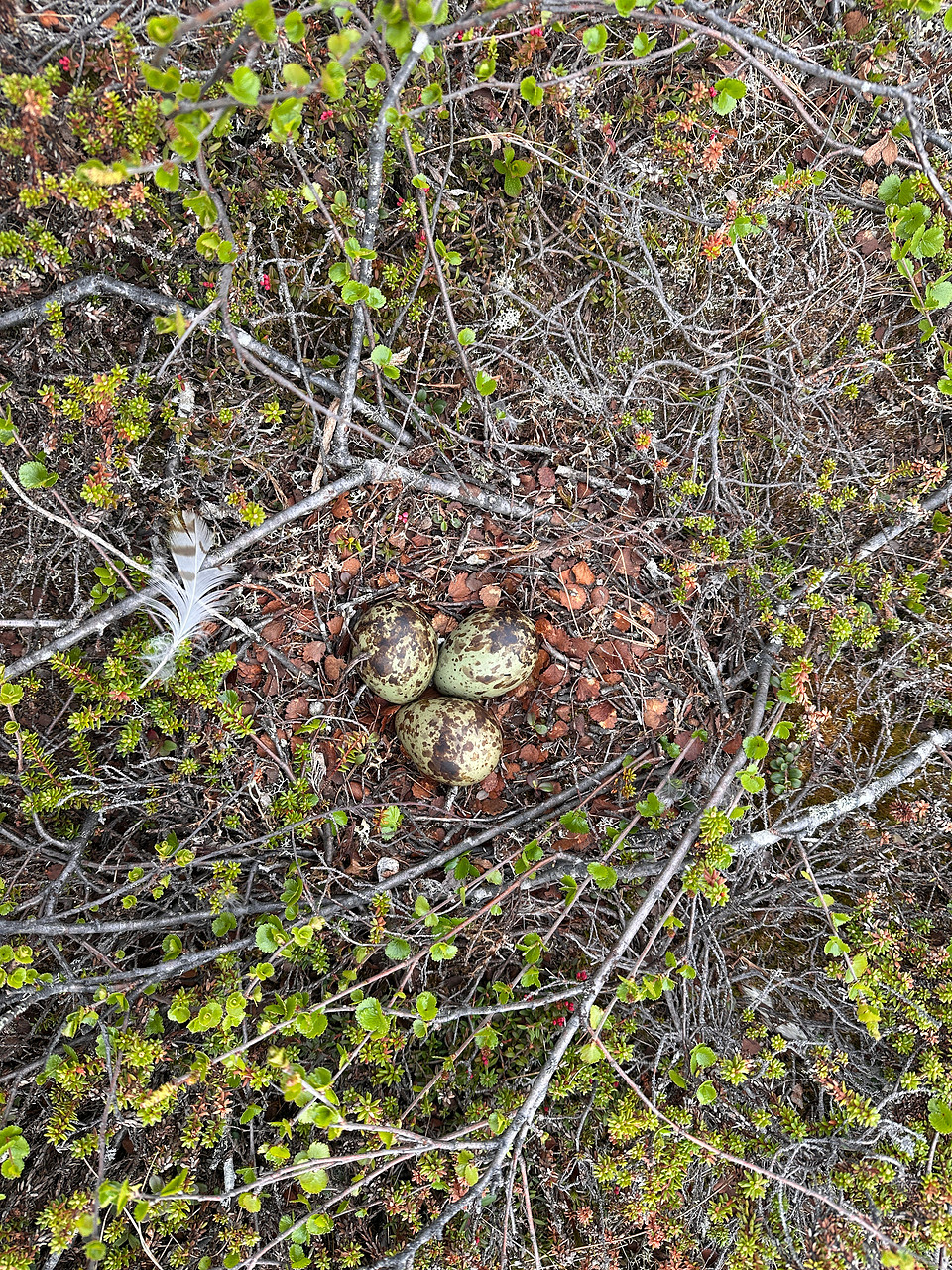 Whimbrel nest, Saariselka, Finland, June 2025
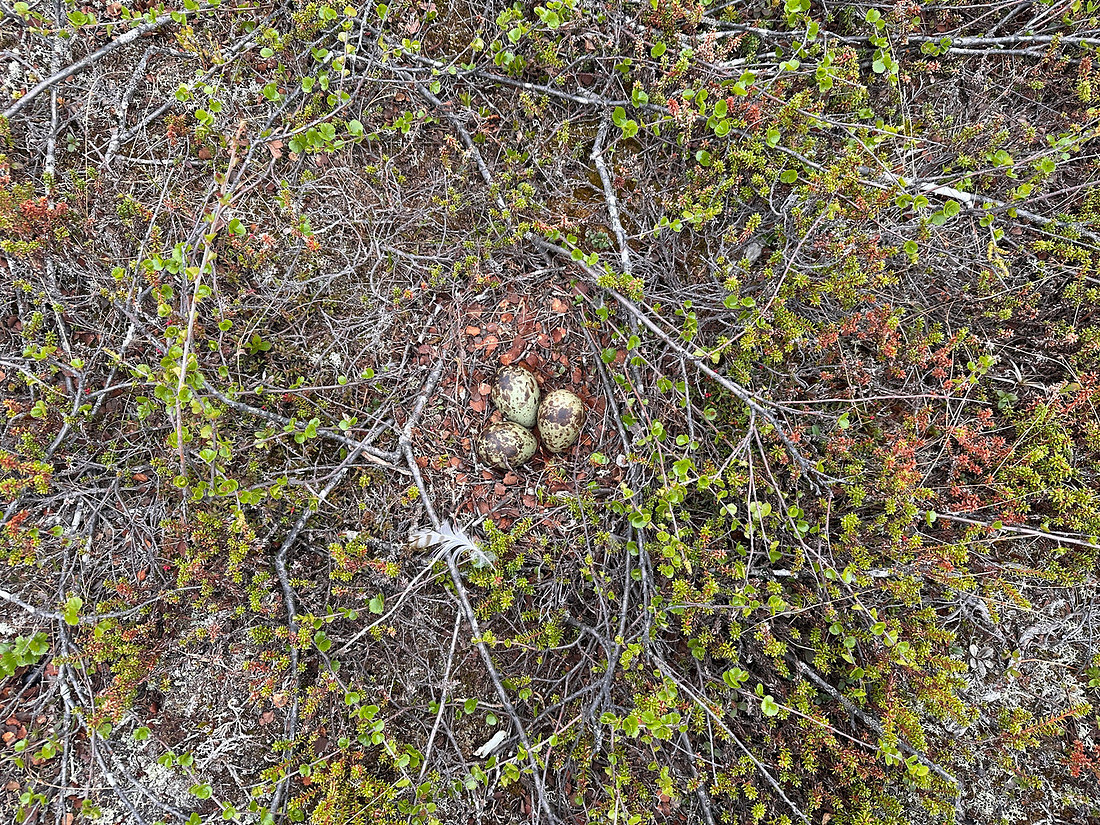 Whimbrel nest, Saariselka, Finland, June 2025
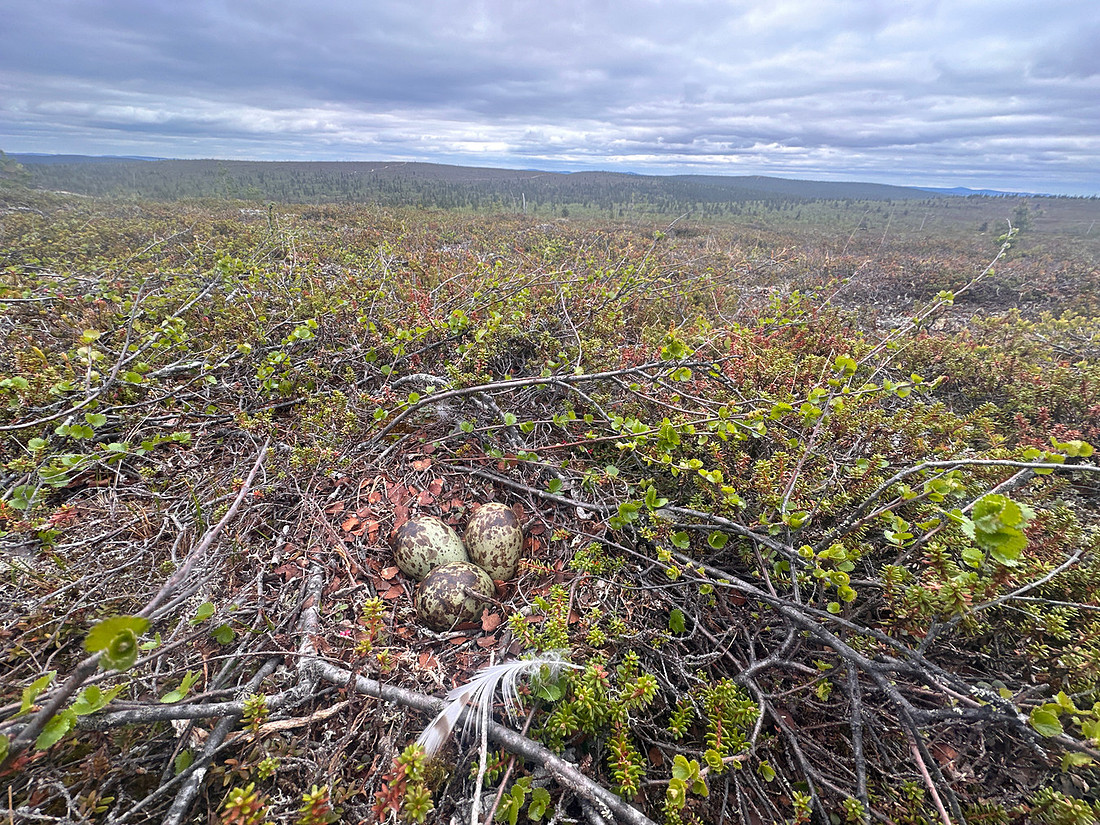 Whimbrel nest, Saariselka, Finland, June 2025
Our final stop before reaching our accommodation for the next three nights was a small site we had discovered three years earlier. It held good memories. On that previous visit, we had barely stepped out of the car when Adrian somehow managed to pick out a Black-throated Diver sitting on a nest. Given how site-faithful these birds can be, and the fact that we would be driving right past, it seemed well worth another look. Unfortunately, there was no sign of any divers this time. The Fieldfare that had nested in a tree stump during our visit two years earlier was also absent. The best birds on offer were a Common Sandpiper and a pair of Red-breasted Mergansers. There was, however, one curious discovery. Mounted nearby was an unusual-looking nest box and, unable to resist a peek inside, I carefully opened it. Instead of a bird, I found a strange object tucked away within. My best guess is that it was someone's geocache, although it certainly wasn't what I was expecting to find.
Before long we were back on the road, making the final push to our base for the next three days. We had chosen a place that was decidedly basic but perfectly located, sitting right in the heart of the Karigasniemi Marshes. We had explored the area two years earlier but, for whatever reason, had struggled to find many birds. Even so, it was a site that deserved another chance. The marshes have a rich birding history and feature regularly in old trip reports and field journals. It is regarded as one of the premier wader sites in the region, with species such as Broad-billed Sandpiper, Ruff, Wood Sandpiper, Jack Snipe and Spotted Redshank all possible. Every one of those species was firmly on our target list. We had also been given a few promising locations to check, and those would form the basis of tomorrow morning's plans. The accommodation itself was even more basic than I had imagined—essentially a wooden cabin with little more than a fridge inside—and we had paid a premium for the privilege. That said, accommodation in this remote corner of Finland is limited, and location was far more important than luxury. What the place lacked in comforts, it more than made up for in atmosphere. The surroundings were beautiful, the on-site restaurant was excellent, and the proprietors could not have been more welcoming. After settling in, I took a short stroll down to the river. It was late in the evening and the birdlife was fairly subdued, but a few Redpolls, Bramblings and a flyover Waxwing provided a pleasant end to the day and a tantalising hint of what the coming days might hold.
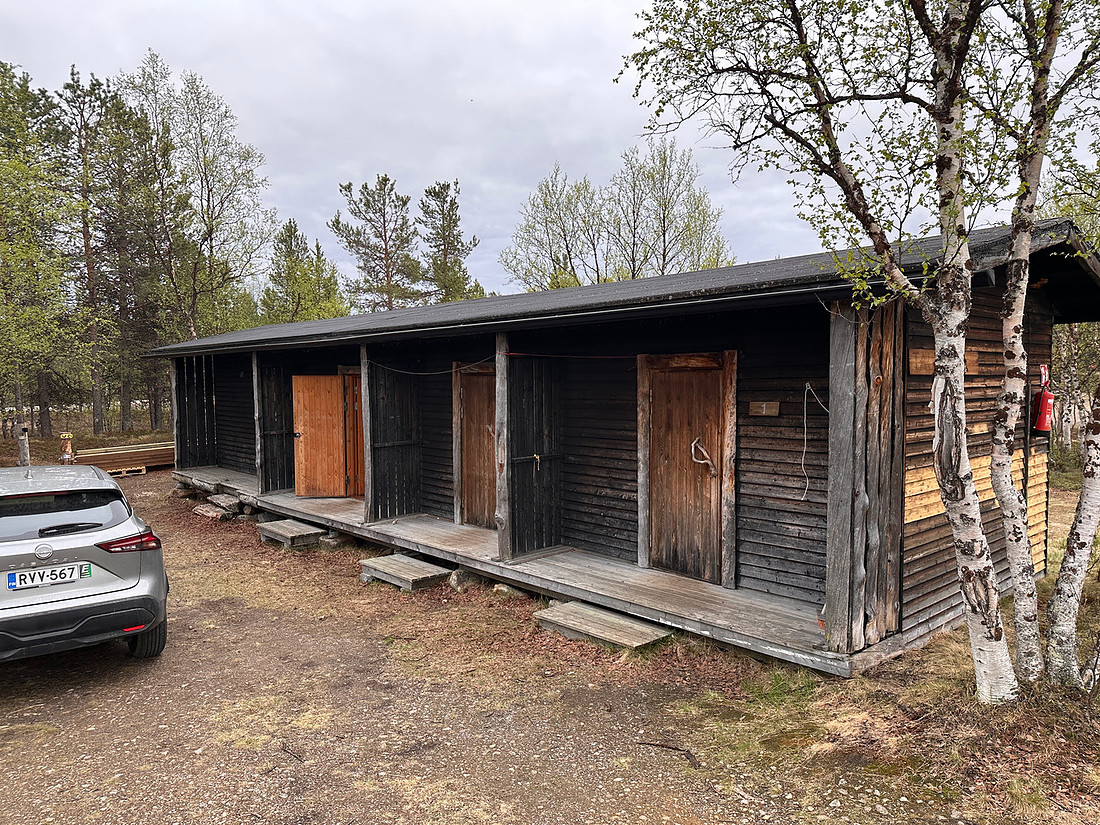 Digs for the night I had the middle shed - Kaamanen, June 2025
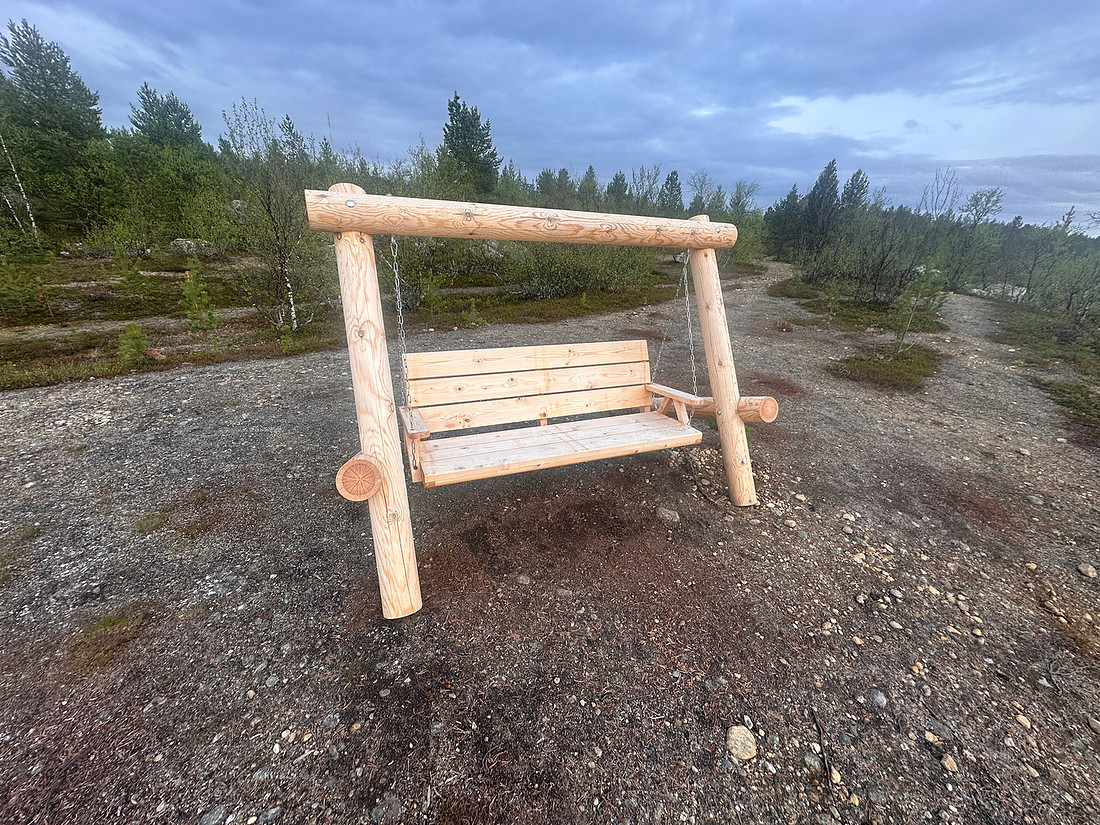 Area around of Digs - Kaamanen, June 2025
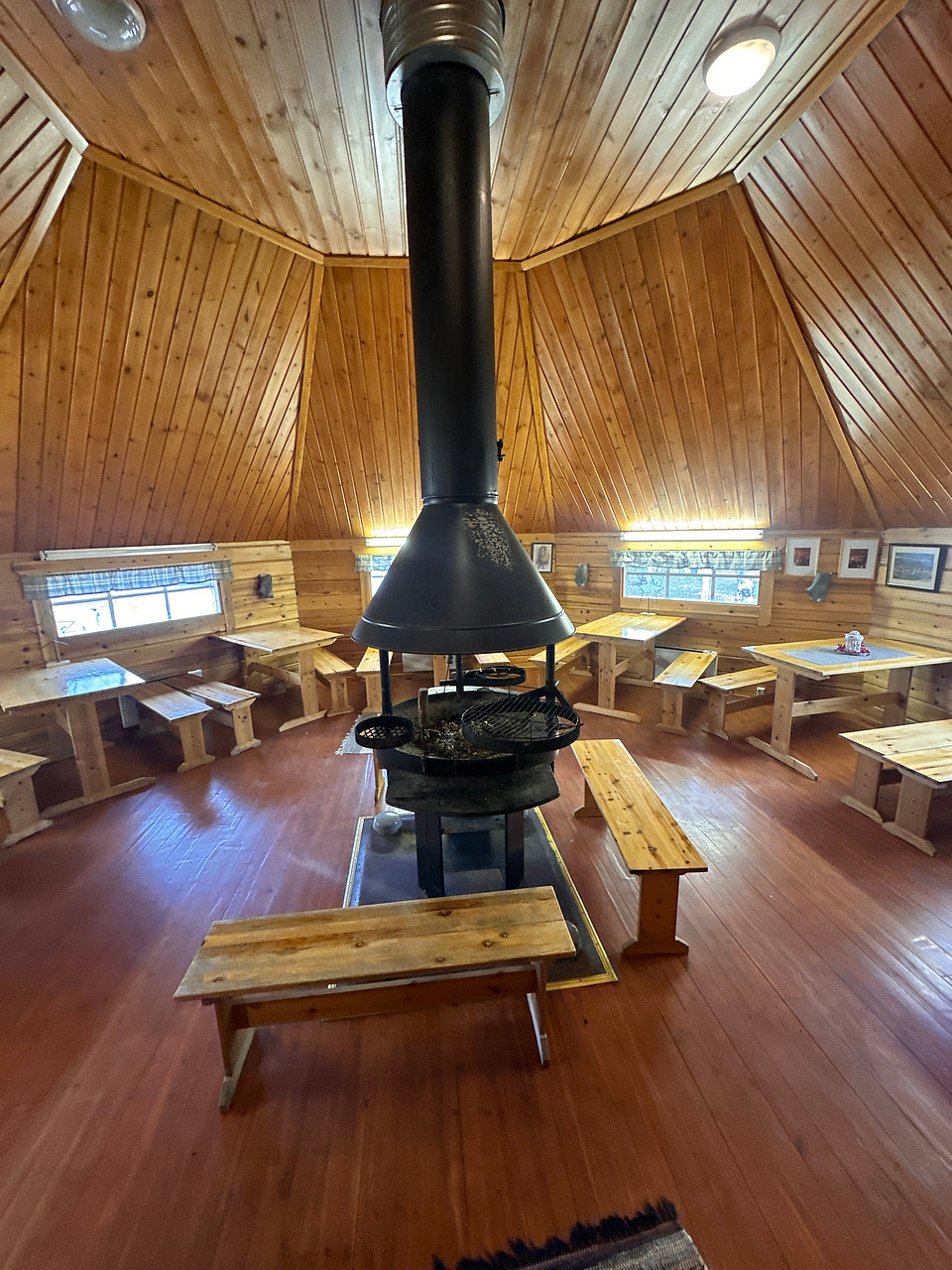
Kota at the camping area, Kaamanen, Finland, June 2025
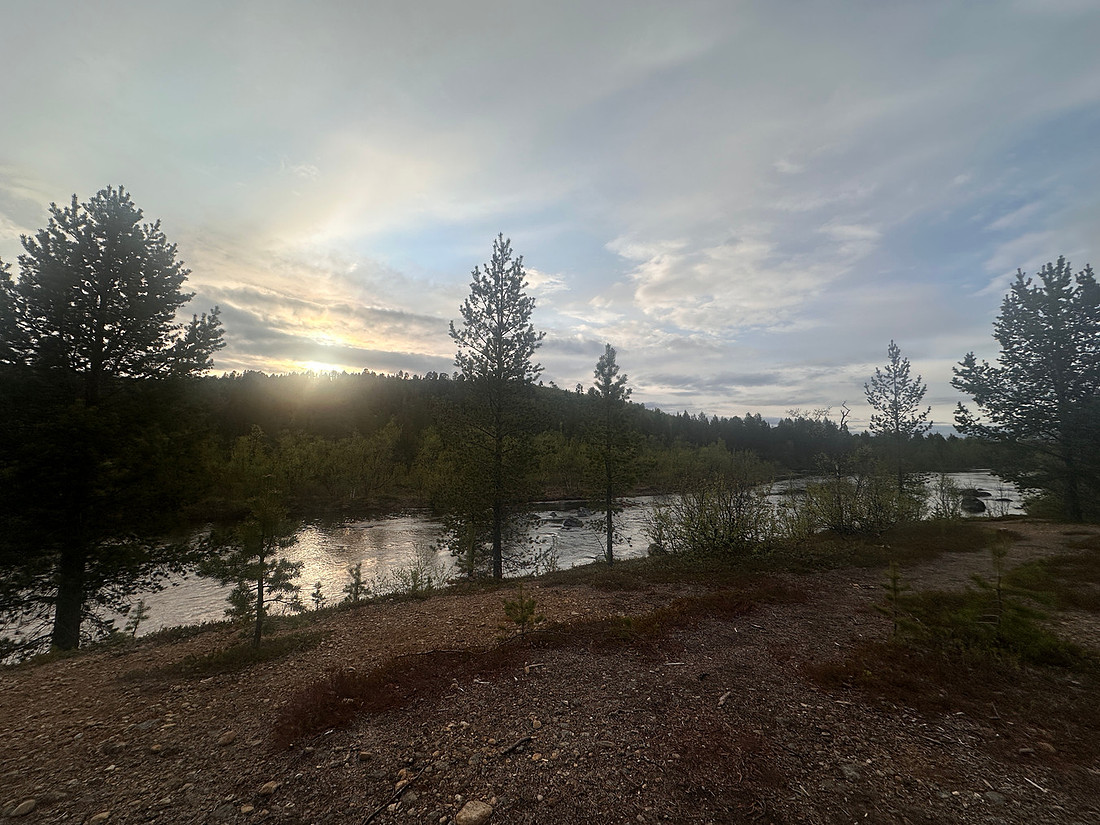 Nearby River lots of calling Brambling and Willow Warblers, Kaamanen, Finland, June 2025
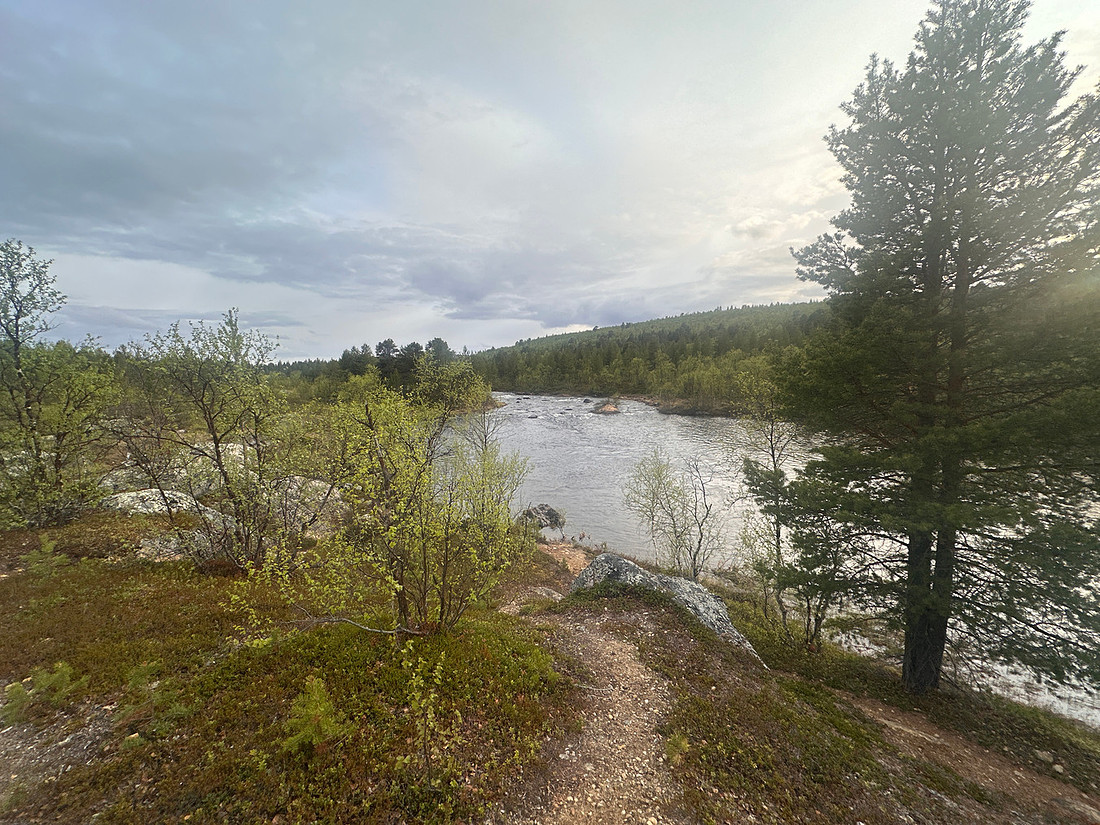 Nearby River, Kaamanen, Finland, June 2025
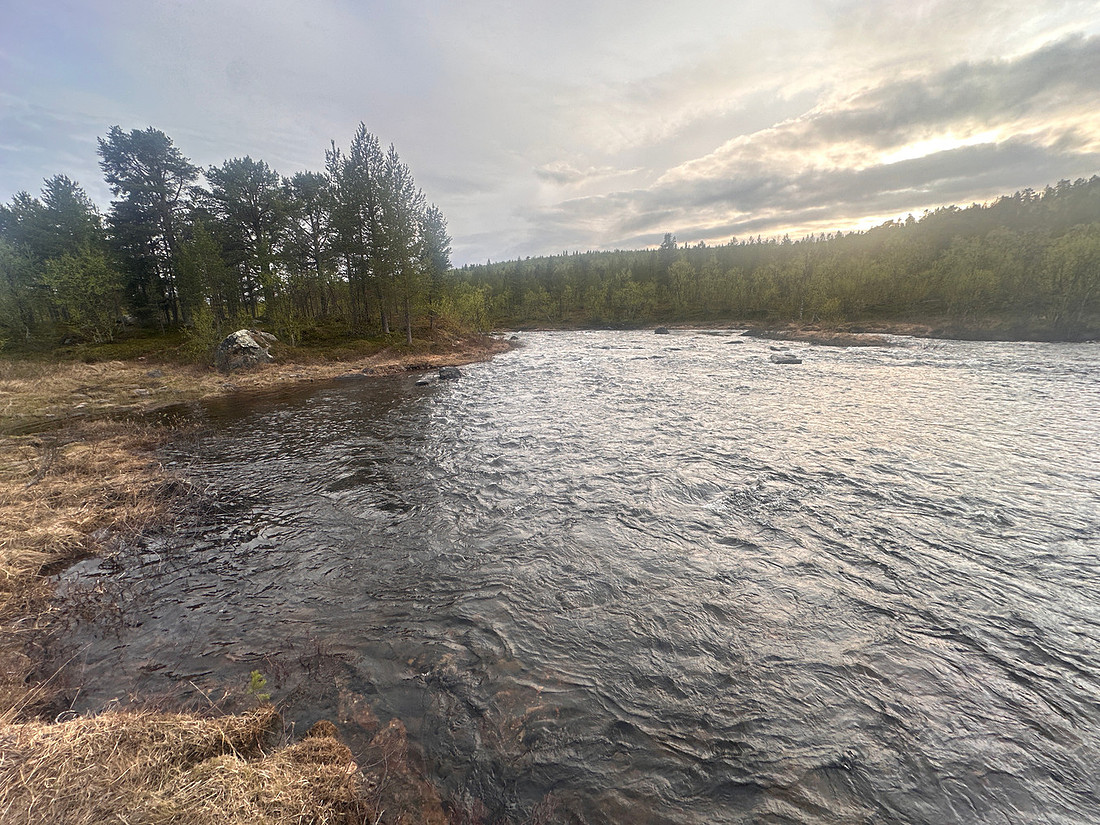 Nearby River no birds seen or heard on the river, Kaamanen, Finland, June 2025
The following morning began with another early start, and before most people had even poured their first coffee, we had had our breakfast rations and were pulling into a small lay-by a few miles up the road. To most passers-by it would have looked completely unremarkable, but for us it held a very special memory. Two years earlier, a pair of nest boxes here had produced our first-ever Smew nest, a moment none of us had forgotten. Naturally, we couldn't drive past without checking them again. As we approached the boxes, our hopes began to rise. One of them was occupied. Peering inside, we were greeted by the sight of a stunning female Smew aka a Redhead sitting tightly on her clutch. Her beautiful chestnut head glowed in the morning light as she patiently incubated her eggs. When she eventually slipped from the nest, she revealed the prize beneath her—seven boring white duck eggs nestled in a bed of down lol. It was a fantastic start to the day and proof that this little conservation success story was continuing. One of the things I love most about birding in Finland is the number of nest boxes provided for species such as Smew and Goldeneye. Across the country, thousands of boxes have been erected by conservationists, birders and local volunteers, creating breeding opportunities in areas where natural nest sites can be scarce. Smew are secondary cavity nesters, meaning they cannot excavate their own holes and instead depend on existing tree cavities, often those originally created by Black Woodpeckers. In managed forests, suitable old trees can be in short supply, making artificial nest boxes incredibly valuable. The results speak for themselves. Finland now supports an estimated 1,000–2,000 breeding pairs of Smew, representing a significant proportion of the entire European population. The species is particularly associated with the vast taiga forests of northern and eastern Finland, with strongholds in areas such as Kuusamo, Salla and the remote reaches of Eastern Lapland. Standing there beside that nest box, looking down at a clutch of seven eggs, it was impossible not to appreciate the impact such simple conservation measures can have. Without the efforts of countless volunteers over many decades, moments like this would be far rarer. For us, though, it was simply a wonderful encounter and a perfect way to begin another day in Lapland.
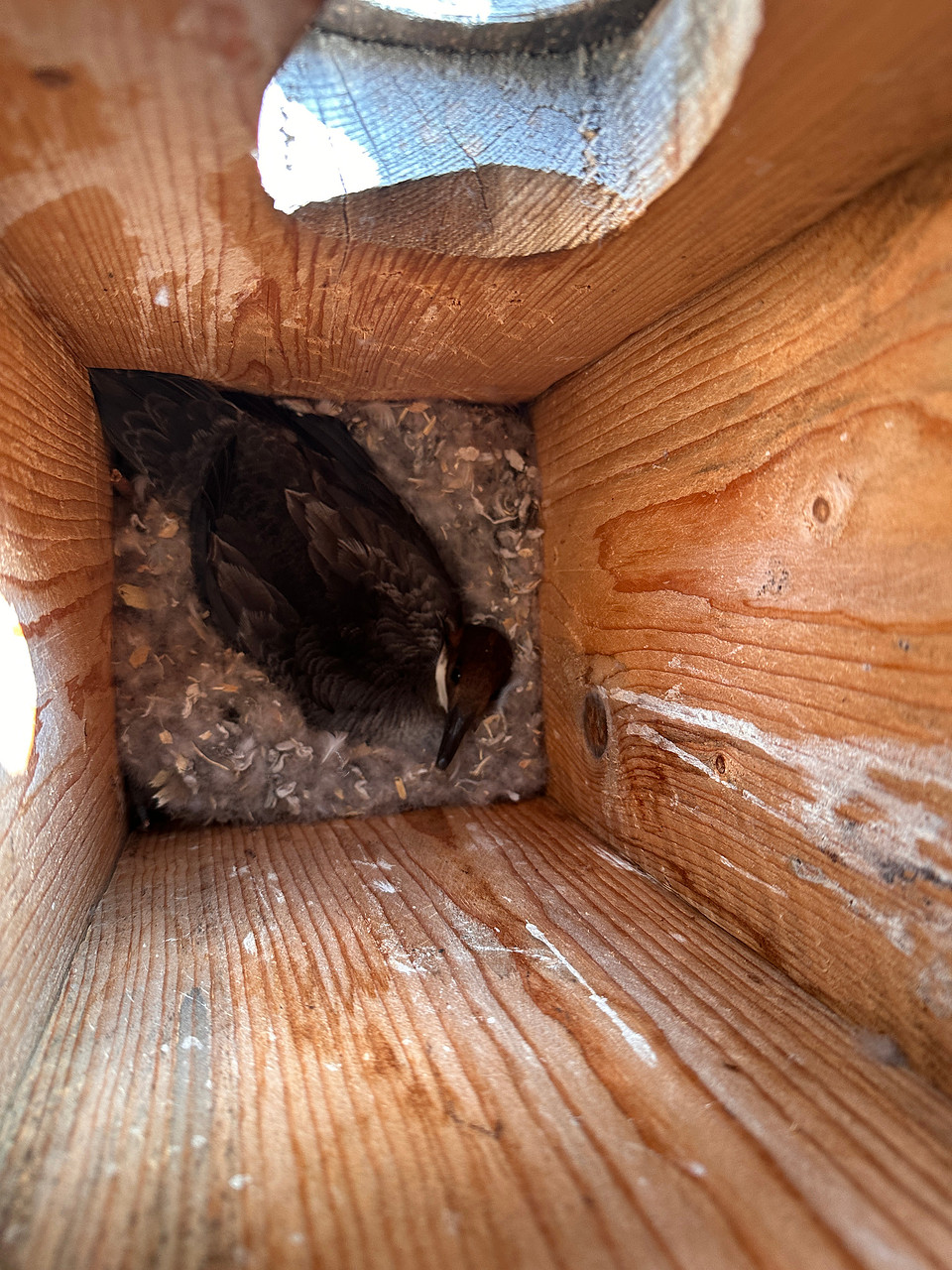
Smew nest, Kaamanen, Finland, June 2025
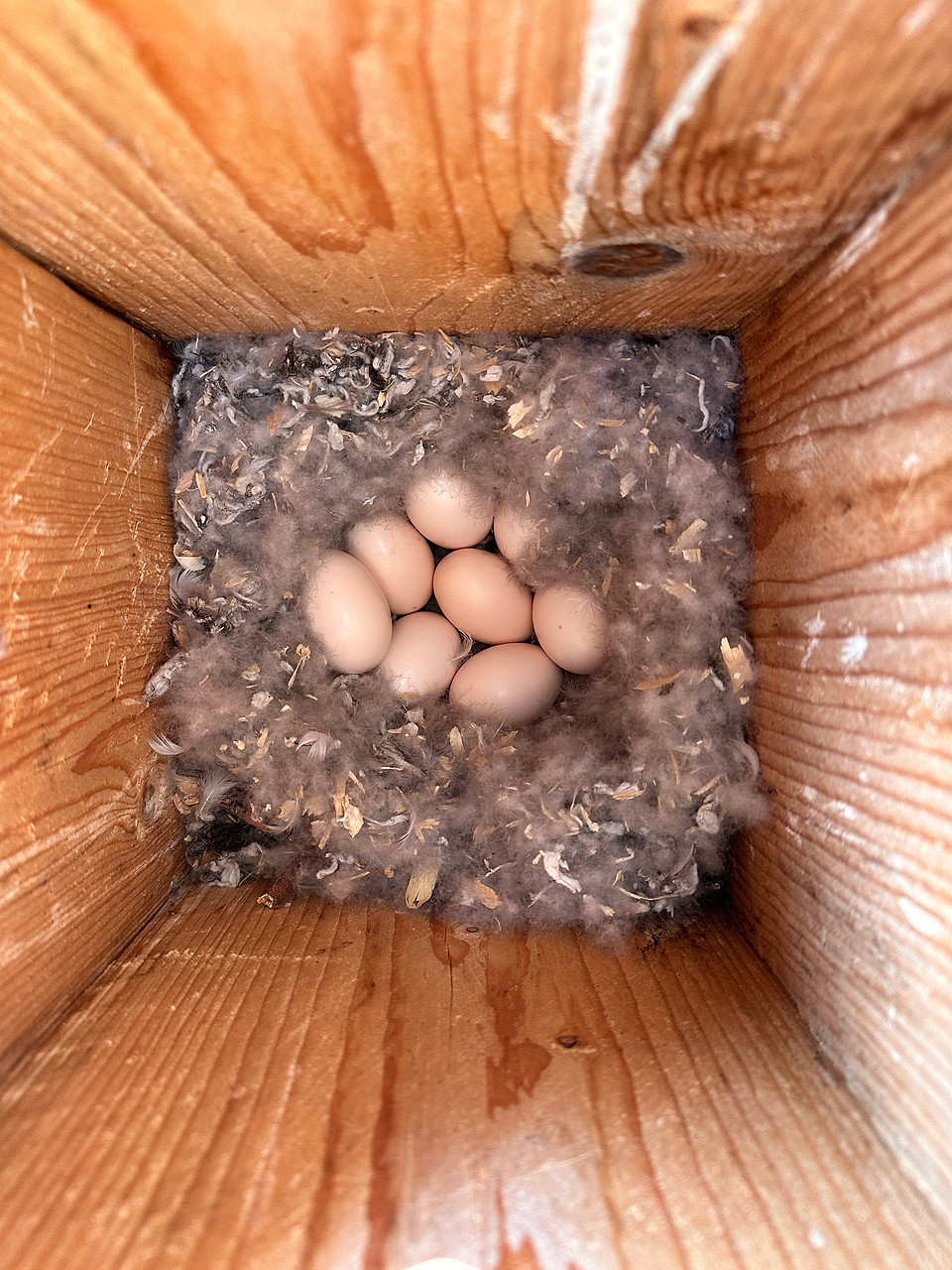
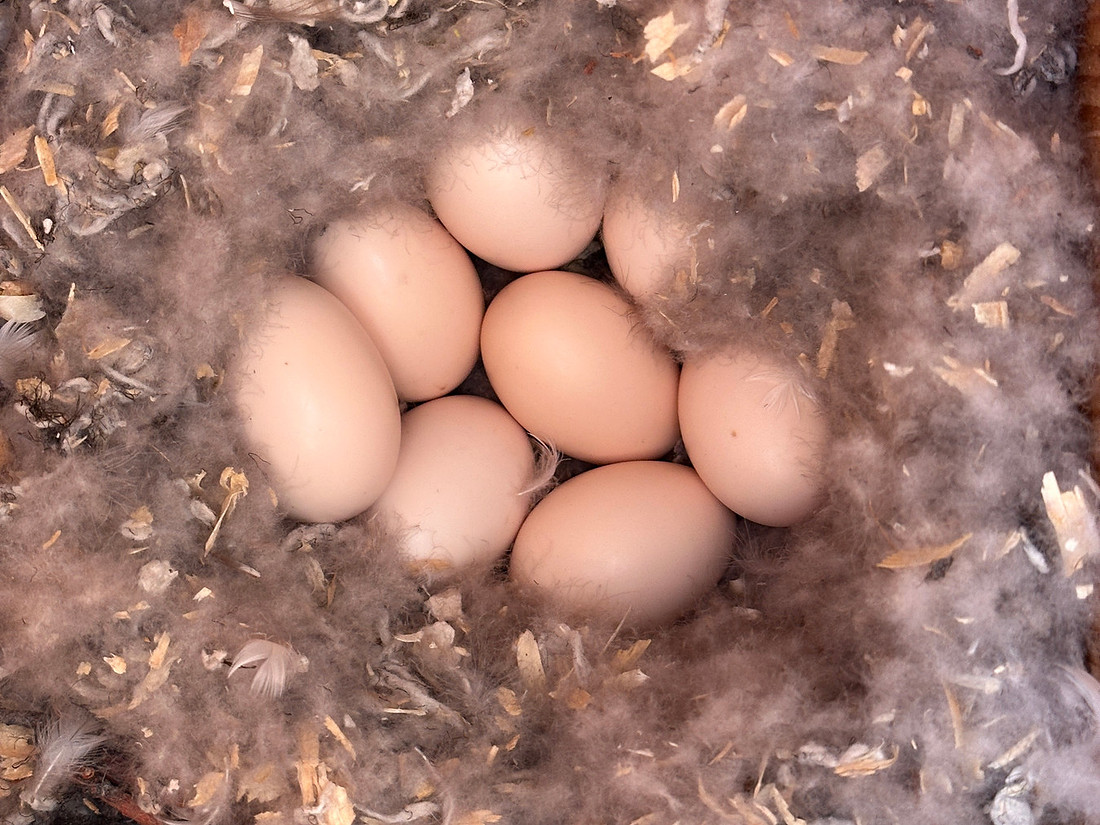 Smew nest, Kaamanen, Finland, June 2025
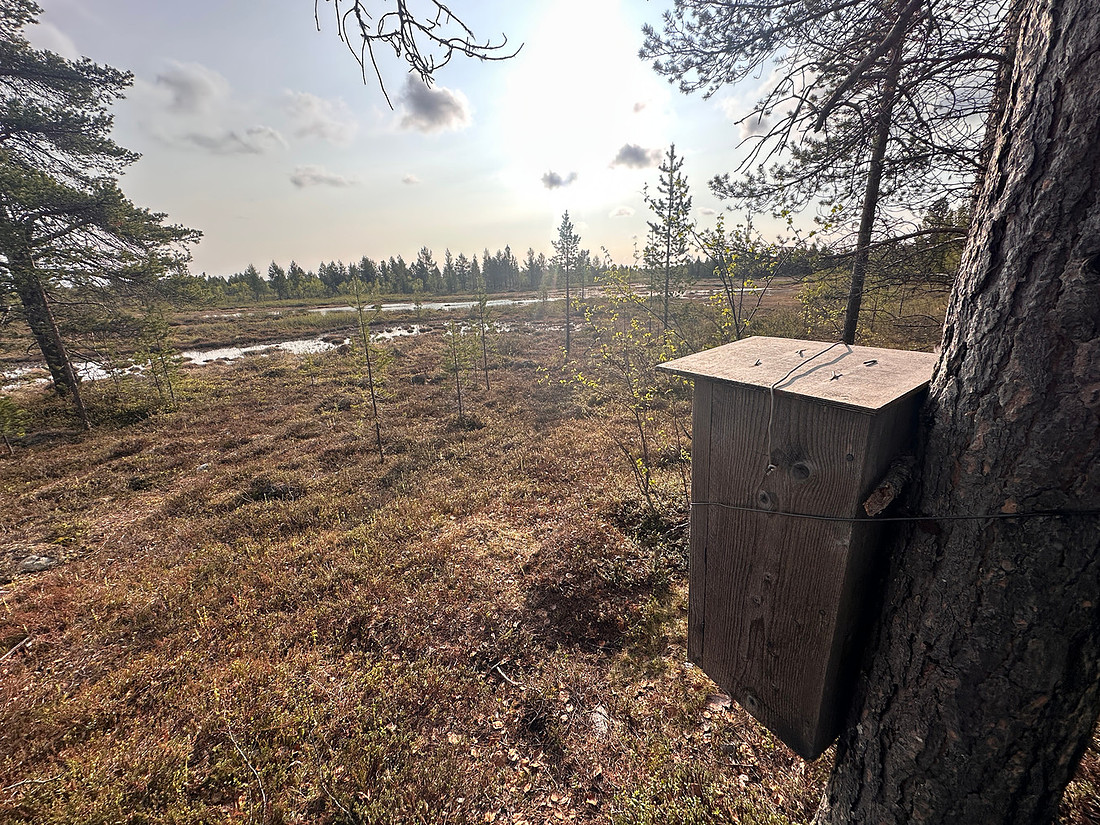 Smew nest site, Kaamanen, Finland, June 2025
We then all we had a good walk through the woods around here and had some territorial Waxwings. Watched these for a while as they were acting site faithfully and similar to how we found a nest back in 2023. These however were not nesting and just holding territory as no nest was found. Love the sounds in the below video of the Waxwings, Bramblings and Willow Warblers. Takes me back every time I watch it.
Waxwing nesting area, Kaamanen, Finland, June 2025
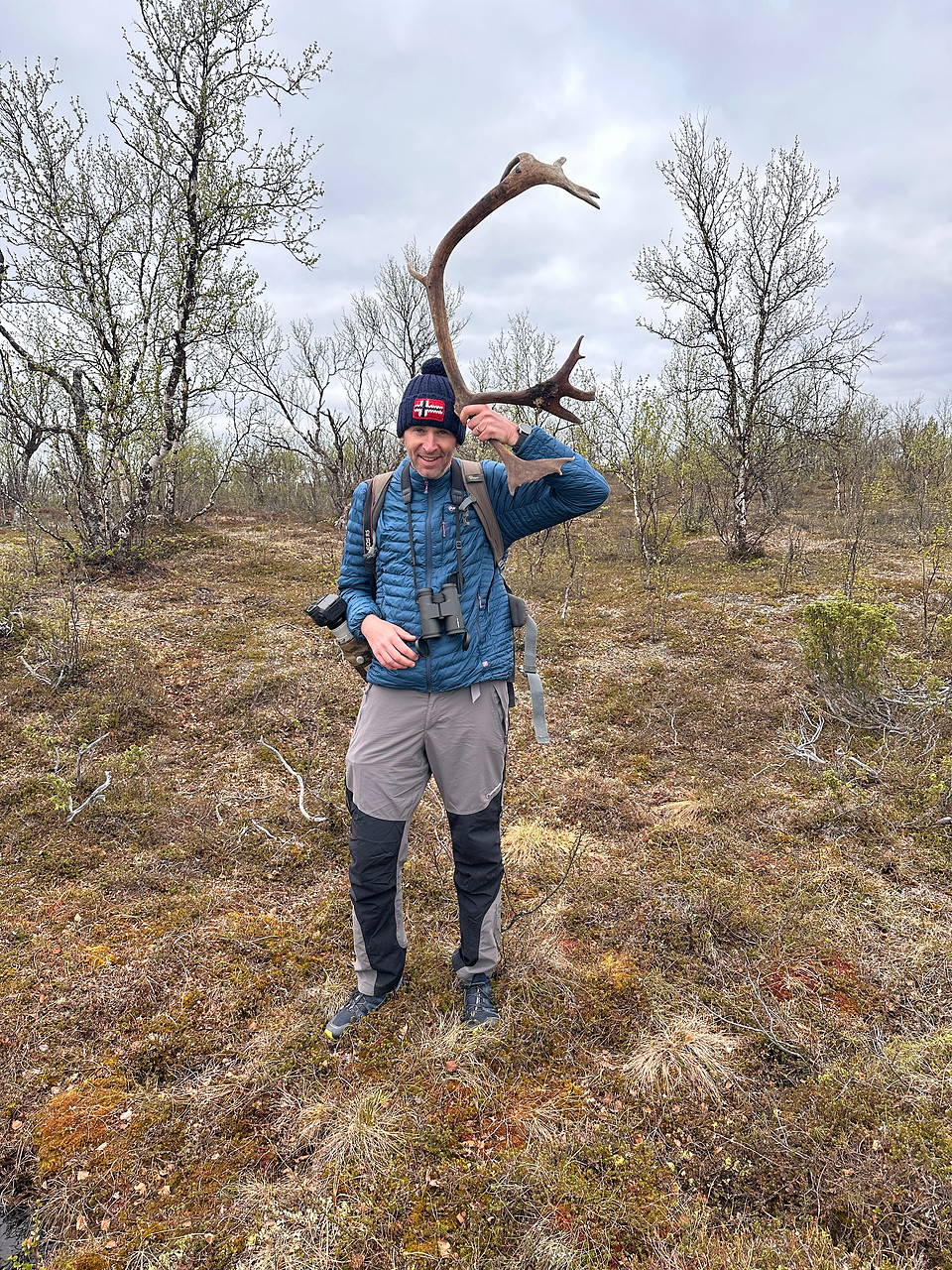
After thoroughly working the wooded section, we turned our attention to a site that had been firmly etched into our plans from the outset of the trip. Karigasniemi Bog is nothing short of a wilderness in the truest sense—an immense sweep of open mire, dwarf birch scrub and rolling alpine tundra that dissolves into the horizon in every direction. It is a landscape that feels untouched, almost indifferent to human presence, and for birders it holds an almost mythical reputation as one of the finest wader breeding areas in northern Europe. Our target list reflected that reputation. Spotted Redshank, Broad-billed Sandpiper, Ruff and Wood Sandpiper were all firmly on the radar, though experience in places like this teaches you to expect the unexpected. In reality, anything could turn up—or nothing at all. The marshes have been visited by generations of birders, and the names of some of the most respected field observers in Europe are woven into its history. Their notes, reports and stories gave the place an added sense of anticipation as we finally set foot on the same ground. We headed first for a specific location where friends had found a nesting Spotted Redshank the previous year. With a precise grid reference in hand and knowing how loyal these birds can be to traditional breeding sites, it felt like the most logical starting point. The approach was deceptively subdued. We moved across dry, scrub-dotted ground, scanning constantly, ears tuned to every distant call. Then, briefly, a Spotted Redshank broke the silence overhead, its sharp call cutting across the bog as it passed—a flash of encouragement that immediately lifted spirits. But as we closed in on the supposed nesting area, the atmosphere changed. We half expected the usual commotion that accompanies an active wader territory—alarm calls, distraction displays, agitation—but there was nothing. Just stillness. When we eventually pinpointed the exact site from the previous year, the signs of past success were still there. The outline of a scrape remained in the vegetation, a ghost of last season’s breeding attempt. Yet it was clearly deserted. For the next couple of hours we pushed deeper into the surrounding marsh, fanning out across a landscape that seemed to stretch on forever. We worked methodically, scanning pools, ridges and tussocks, but the bog remained stubbornly quiet. Our key species stayed frustratingly out of reach. It wasn’t all empty, though. Out on the tundra lay a spectacular reindeer antler, weathered but still in remarkable condition. Too large to carry comfortably, we marked its position and left it for later retrieval—a small reward set against an otherwise challenging search. For now, the birds would have to wait, and the hunt continued across the endless expanse of Karigasniemi.
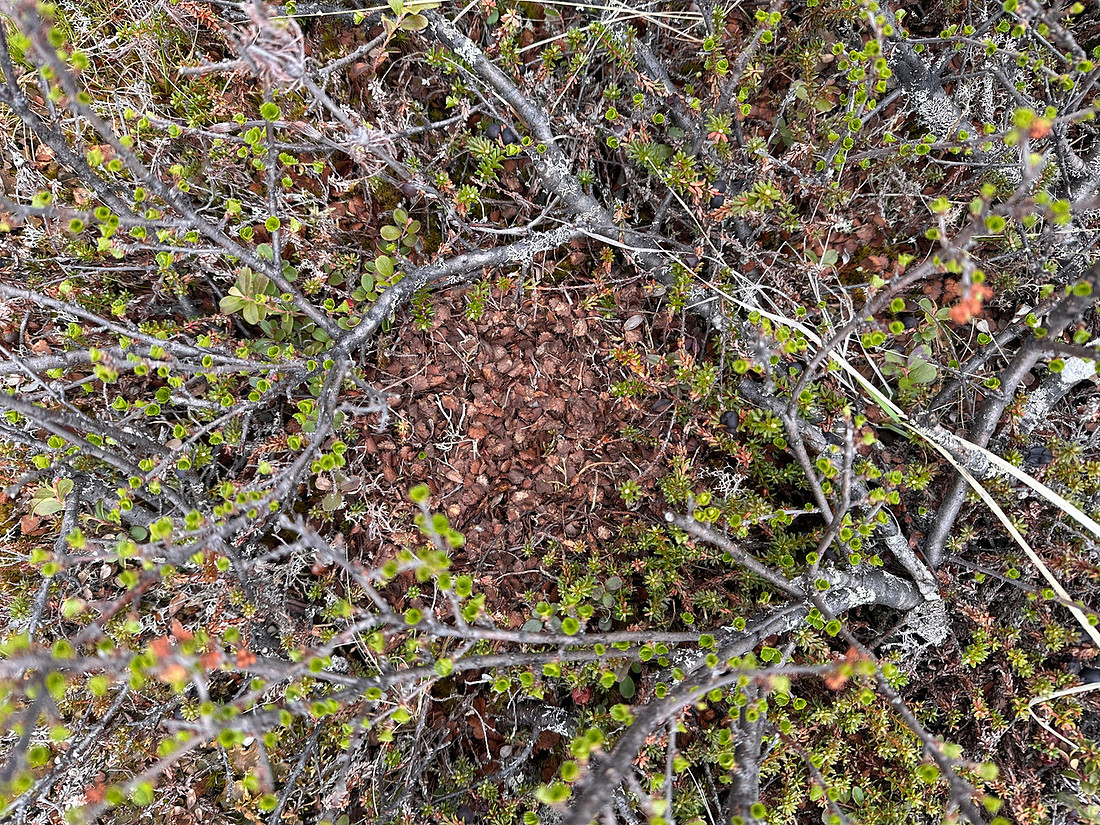 Spotted Redshank nest scrape, Karigasniemi, June 2025
Spotted Redshank nesting habitat, Karigasniemi, June 2025
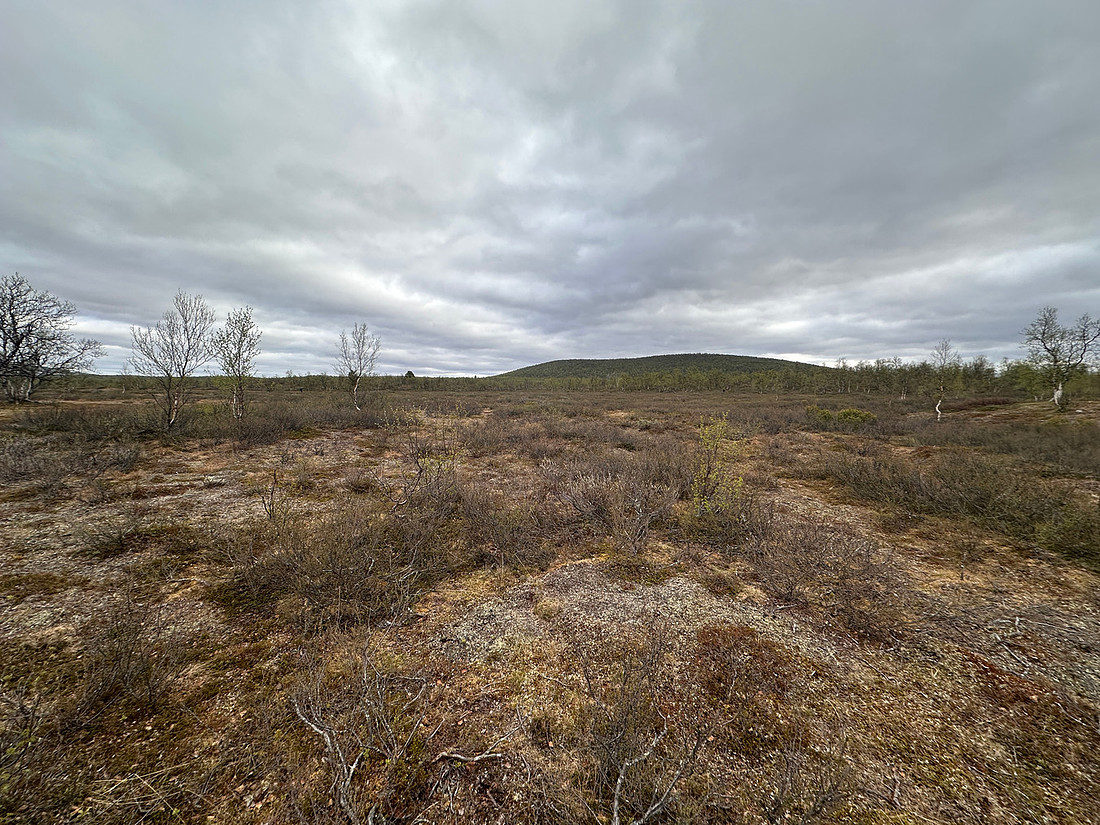 Spotted Redshank nesting habitat, Karigasniemi, June 2025
Reindeer antler, Karigasniemi, June 2025
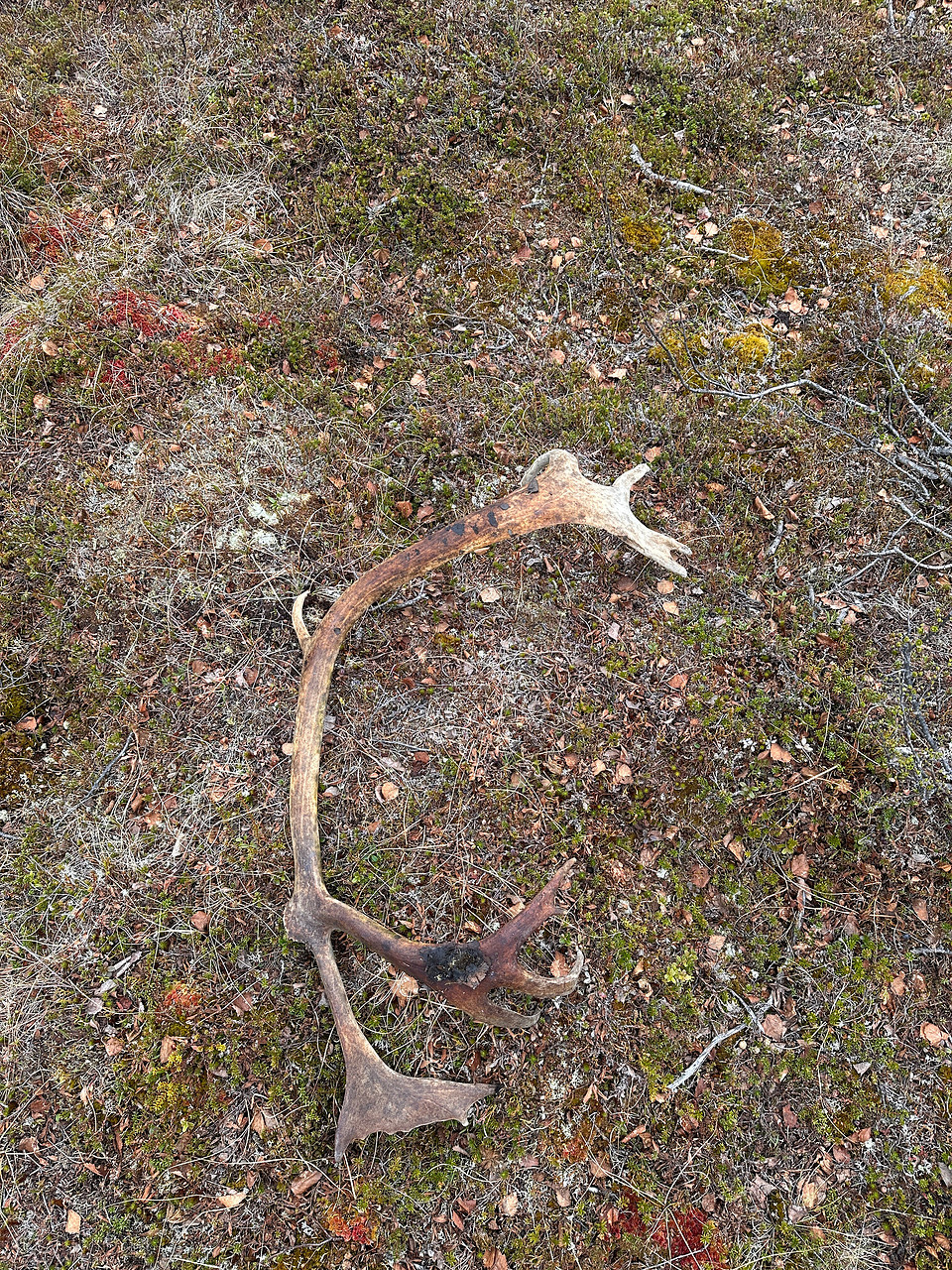 Reindeer antler, Karigasniemi, June 2025
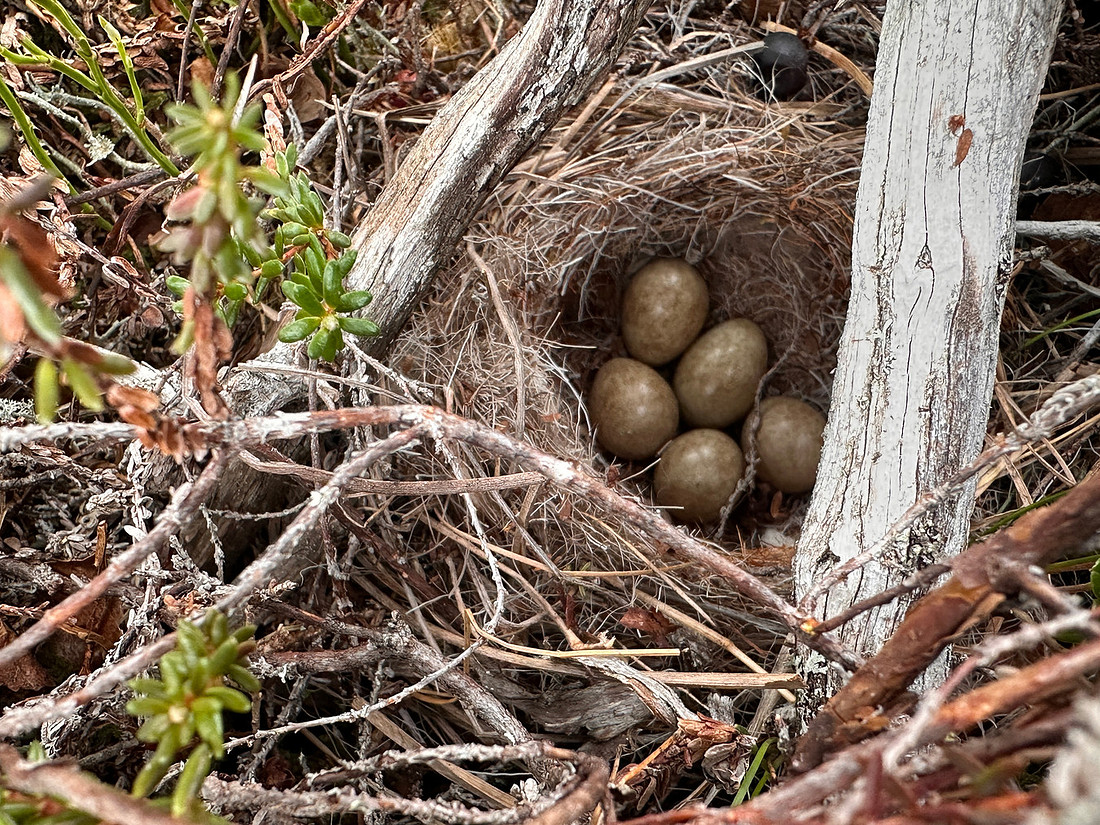
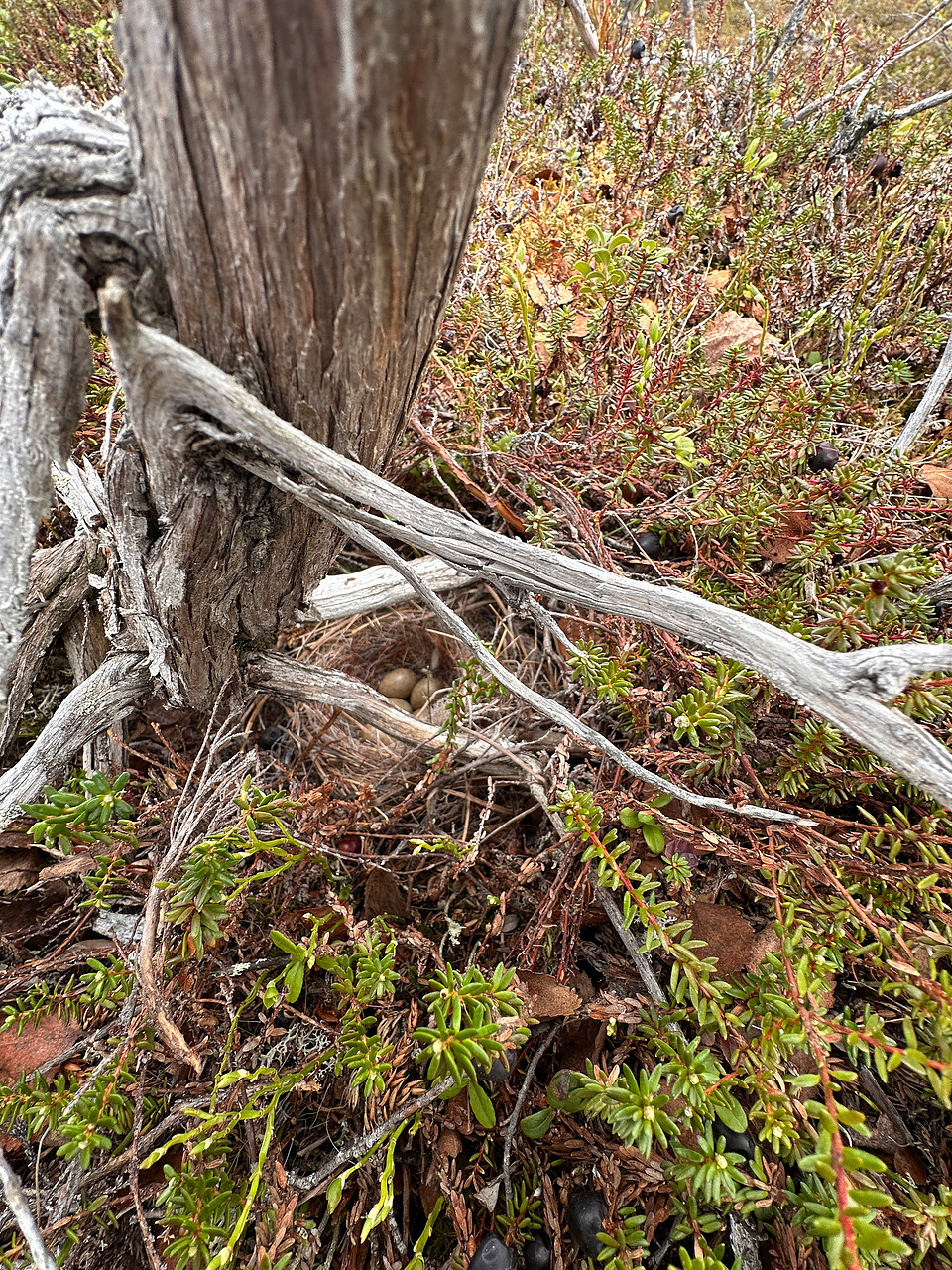
Although our first search area had drawn a blank, our optimism quickly returned as we approached the vast wetlands that stretched away to the horizon. This was the habitat we had come for. Before us lay an immense expanse of bog, seemingly endless and largely untouched, with more ground to cover than we could hope to explore in a single day. The bogs of the Karigasniemi fell region are a fascinating mix of blanket bogs and palsa mires. Unlike the deep peatlands found elsewhere, the peat layer here is often relatively shallow, averaging between half a metre and a metre and a half before giving way to permafrost, mineral soil or bedrock. In places, frozen peat mounds known as palsas rise from the landscape like miniature islands, some standing two or three metres above the surrounding bog. It is a unique and wild environment, perfectly suited to the northern waders we were searching for. Of course, exploring it required a certain amount of preparation. Armed with chest waders and a probing stick to test the depth of the mire ahead of us, we found a patch of dry ground and stopped to get ready before venturing out into the wetland. As we unpacked our gear, a Grey-headed Wagtail called nearby, its distinctive voice carrying across the bog. Then, just as Adrian sat down to pull on his waders, a second bird suddenly burst from the ground at his feet. We immediately knew something was up. A quick inspection revealed the reason. Tucked neatly beneath an exposed tree root was a beautifully concealed Grey-headed Wagtail nest, perfectly camouflaged against the surrounding vegetation. It was one of those wonderful finds that happen completely by chance. Photographing it proved far more difficult than finding it. The overhanging root left very little room to manoeuvre, making it impossible to get a conventional camera into position. Fortunately, modern technology came to the rescue. By carefully sliding a mobile phone underneath the root, we were able to capture a few photographs of this superbly hidden little nest before quietly moving on and leaving the birds in peace.
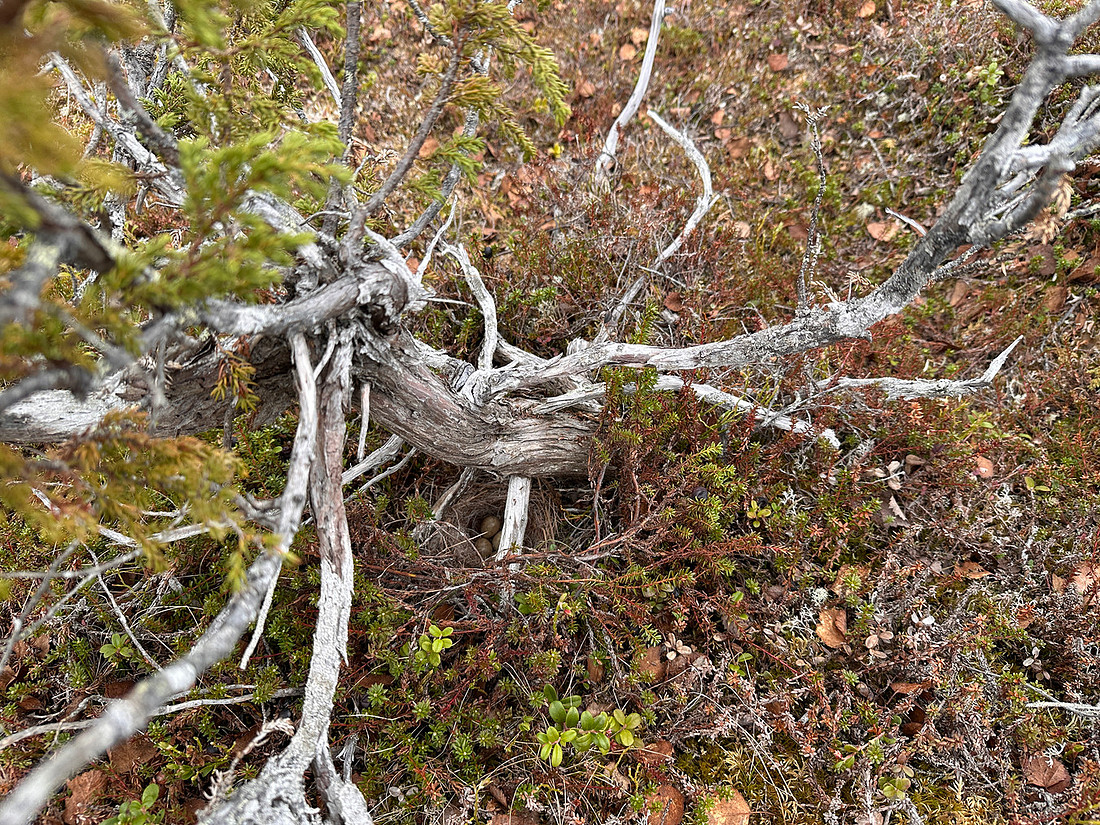 Grey-headed Wagtail, Karigasniemi, Finland, June 2025
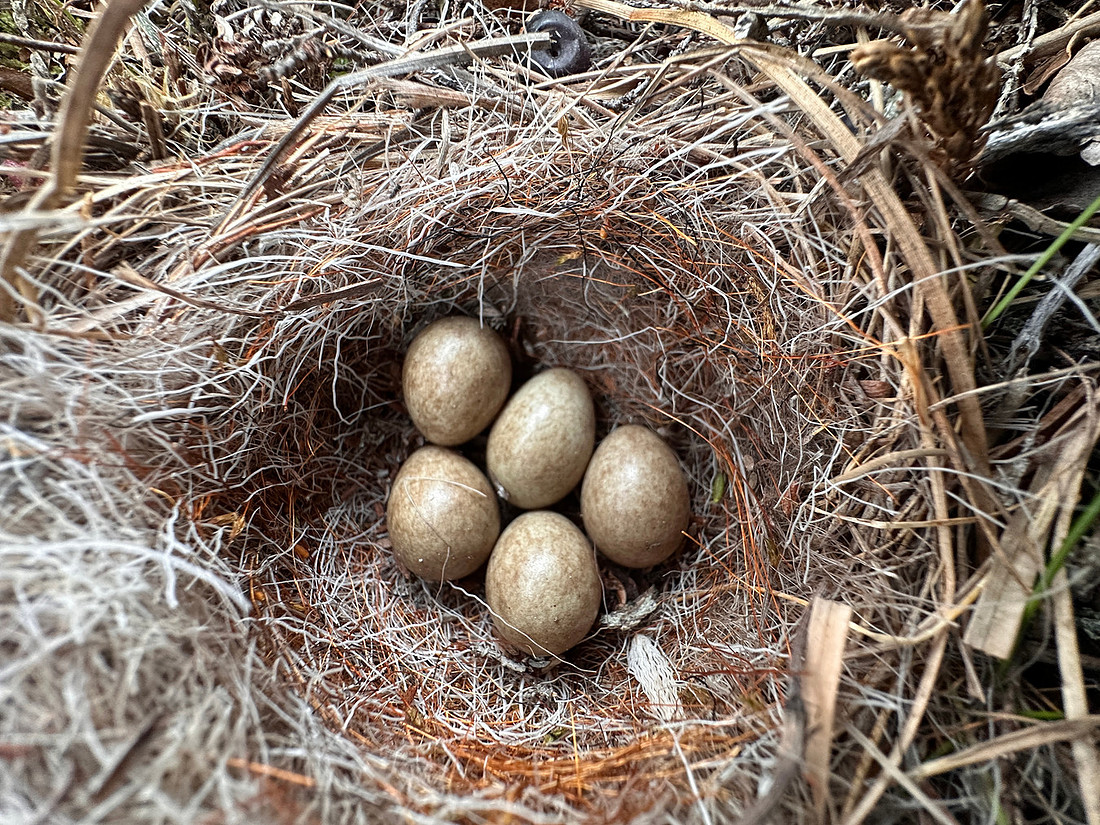 Grey-headed Wagtail, Karigasniemi, Finland, June 2025
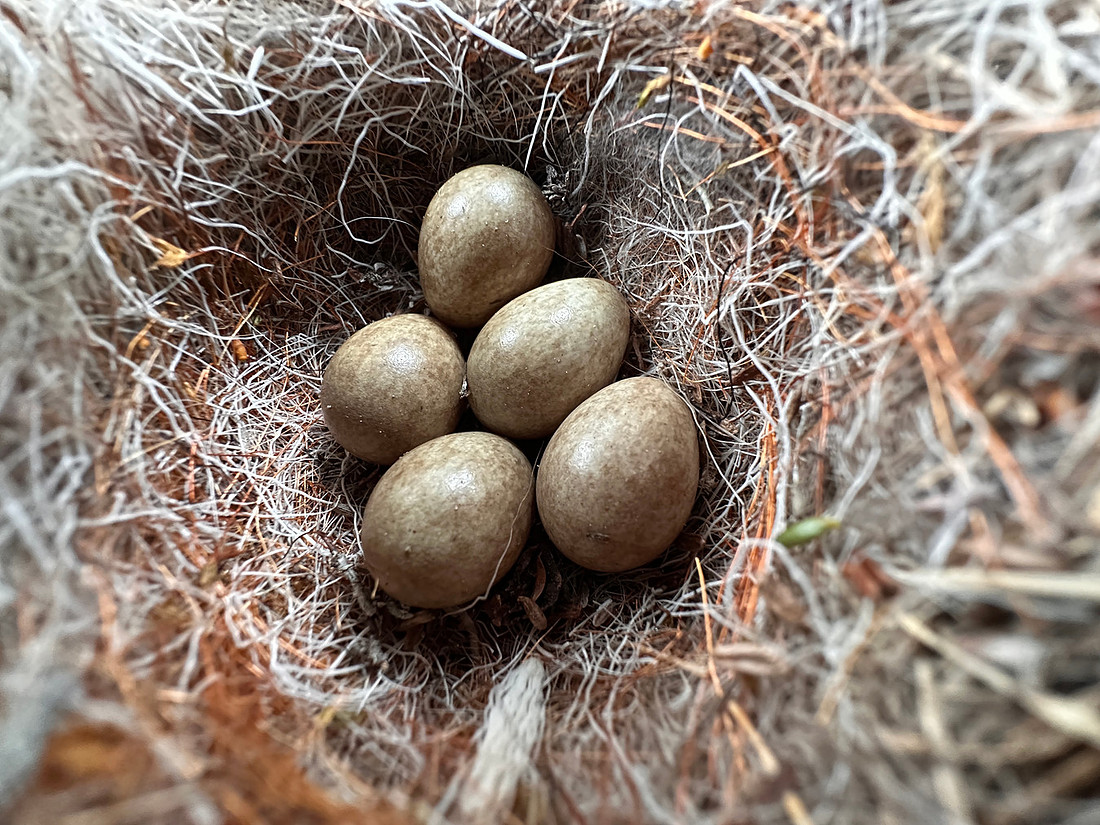 Grey-headed Wagtail, Karigasniemi, Finland, June 2025
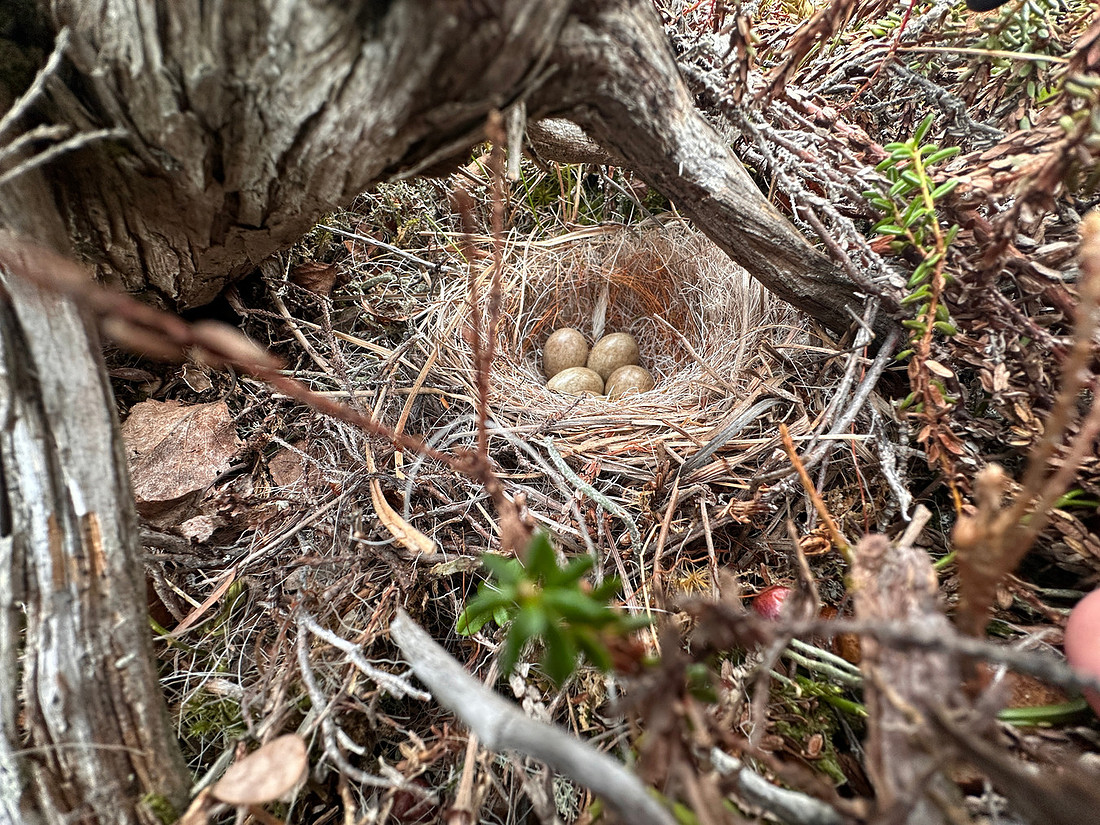 Grey-headed Wagtail, Karigasniemi, Finland, June 2025
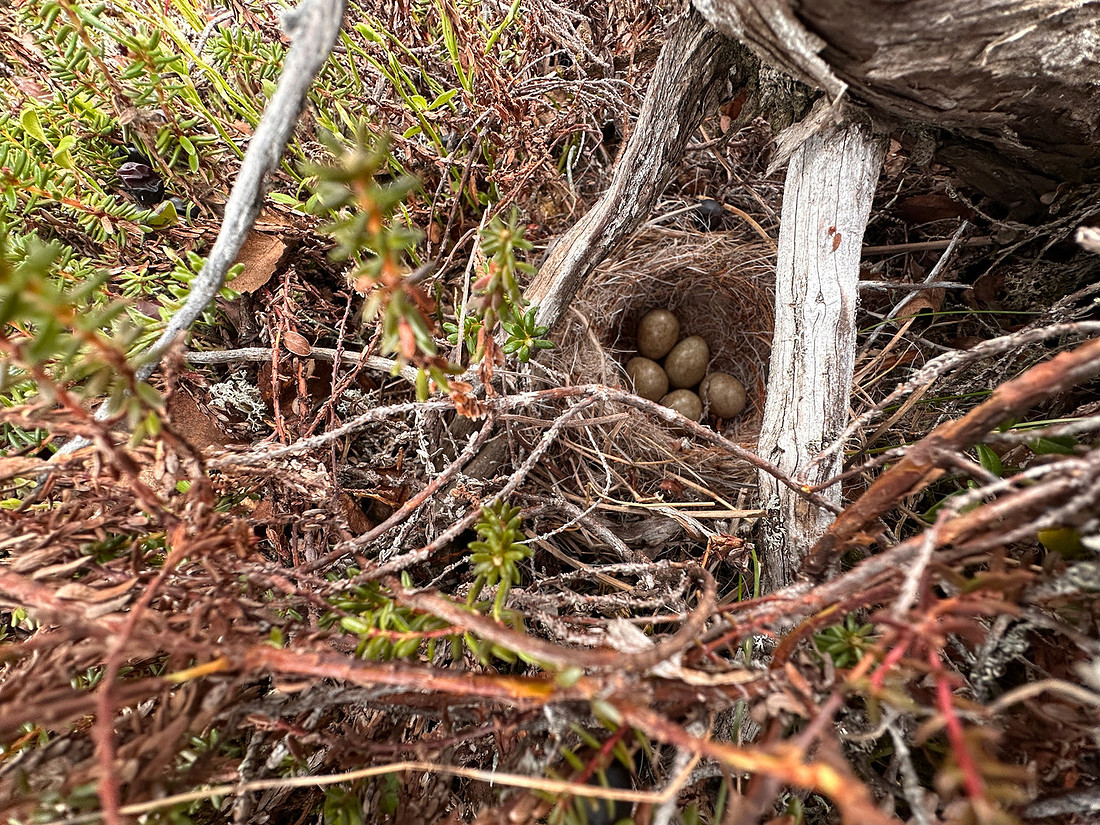 Grey-headed Wagtail, Karigasniemi, Finland, June 2025
 Grey-headed Wagtail, Karigasniemi, Finland, June 2025
Grey-headed Wagtail, Karigasniemi, Finland, June 2025
Finnish Bog, Karigasniemi, Finland, June 2025
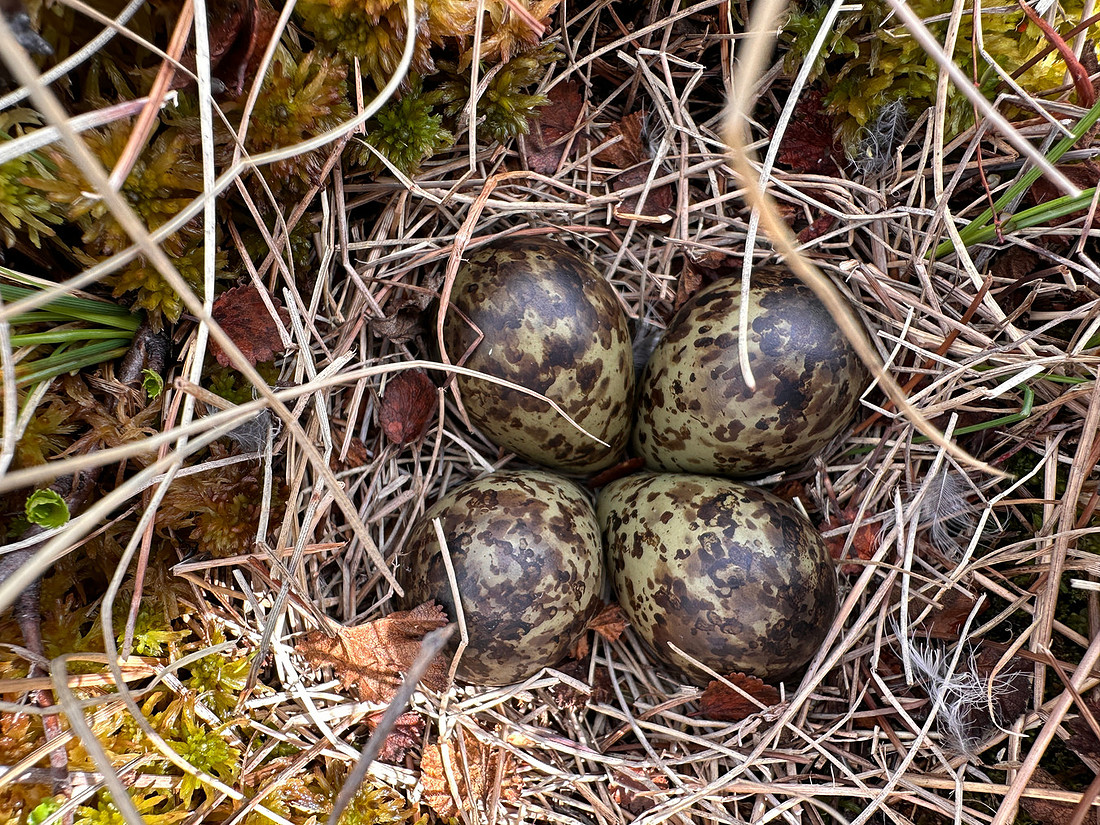
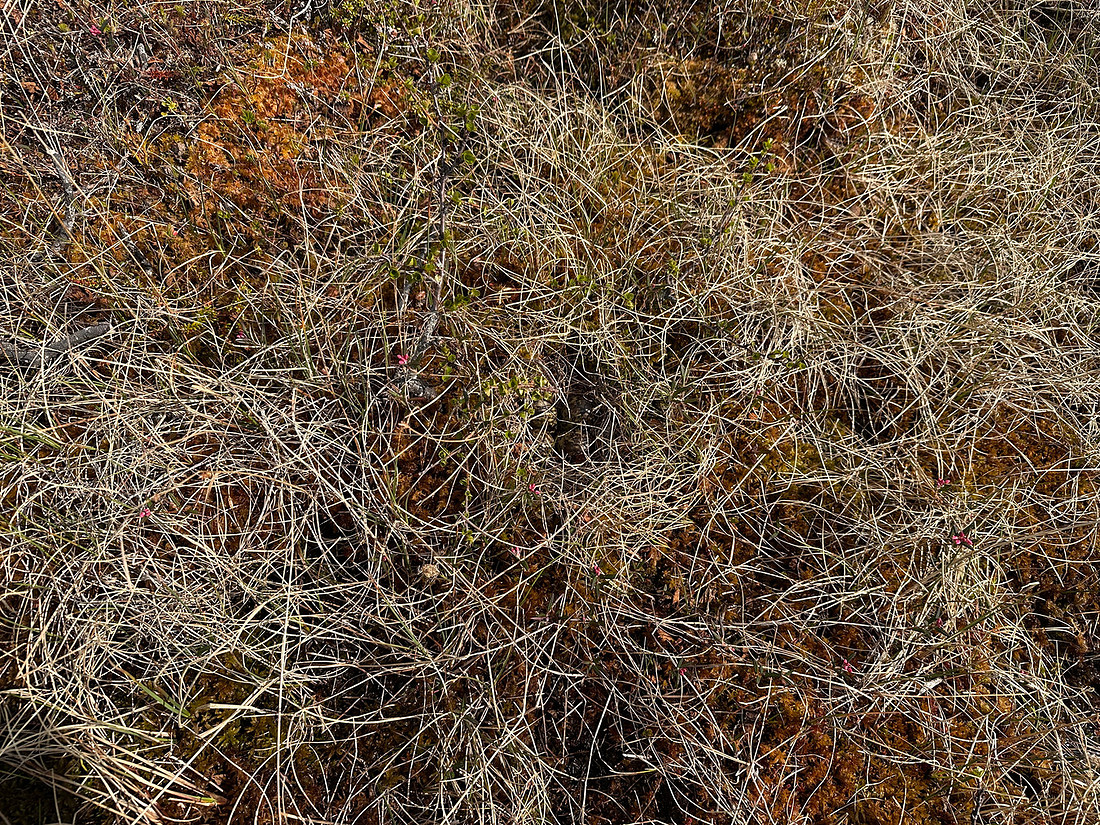
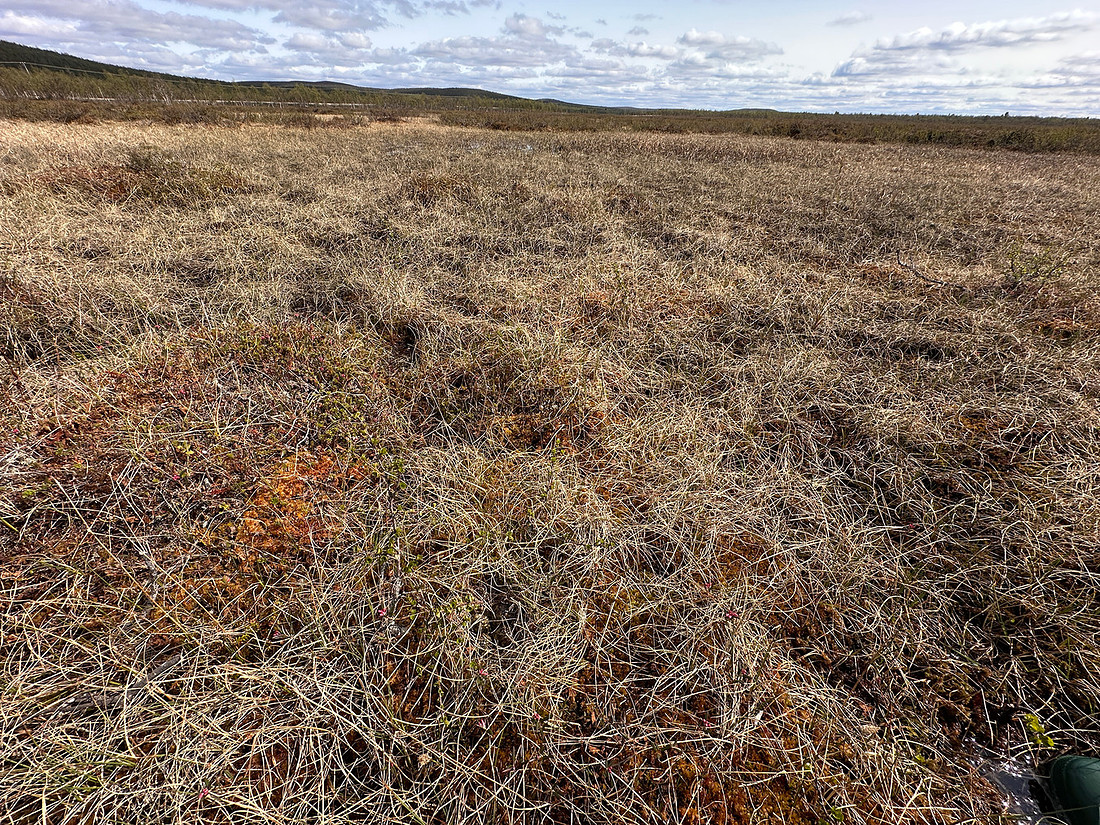
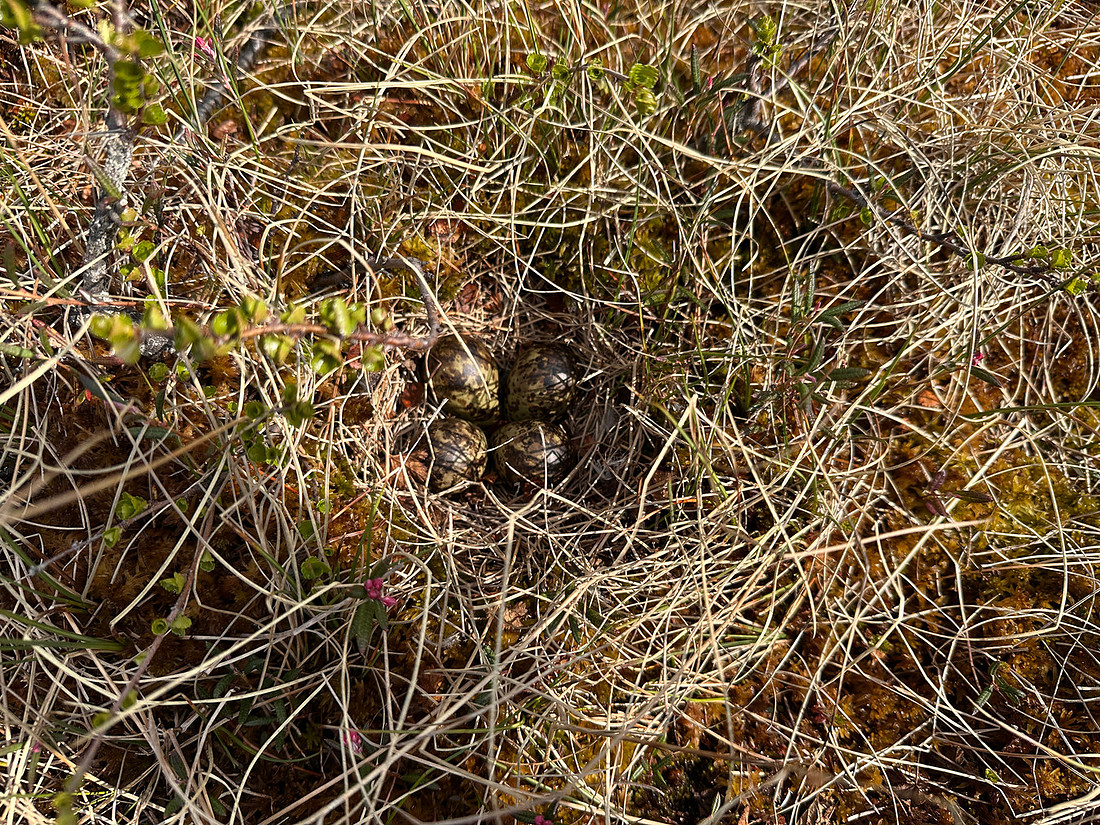
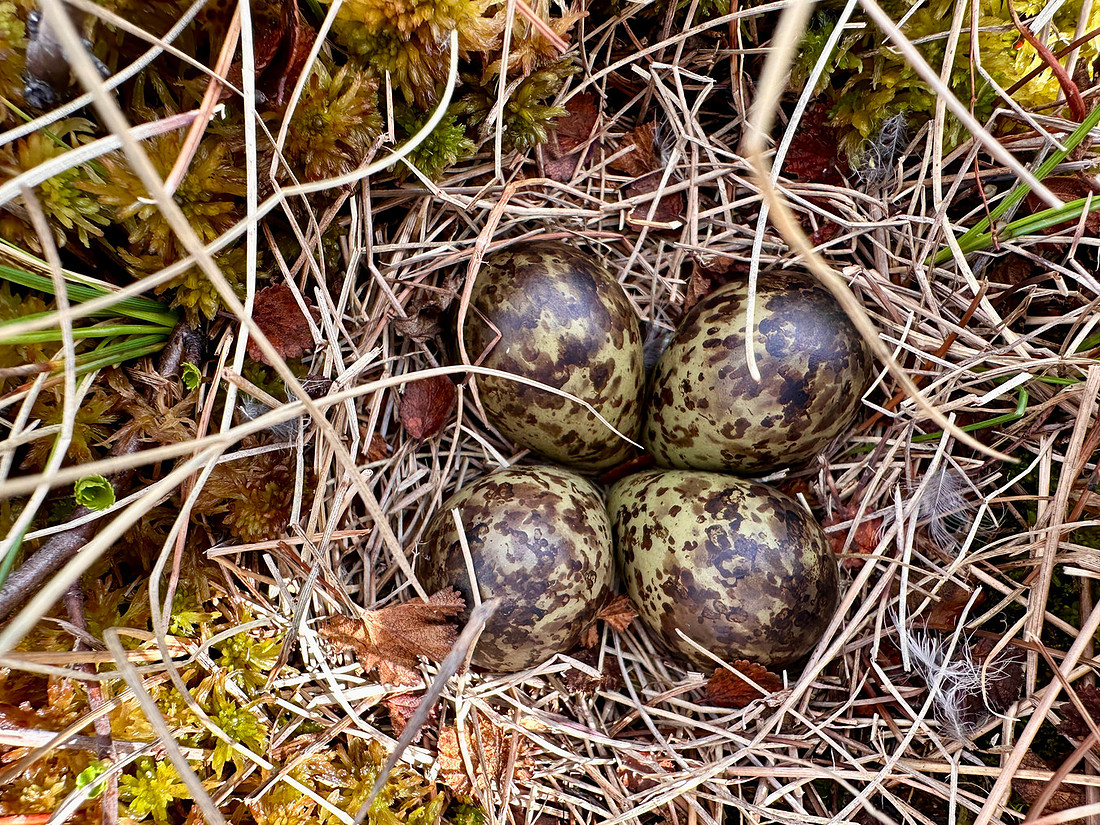
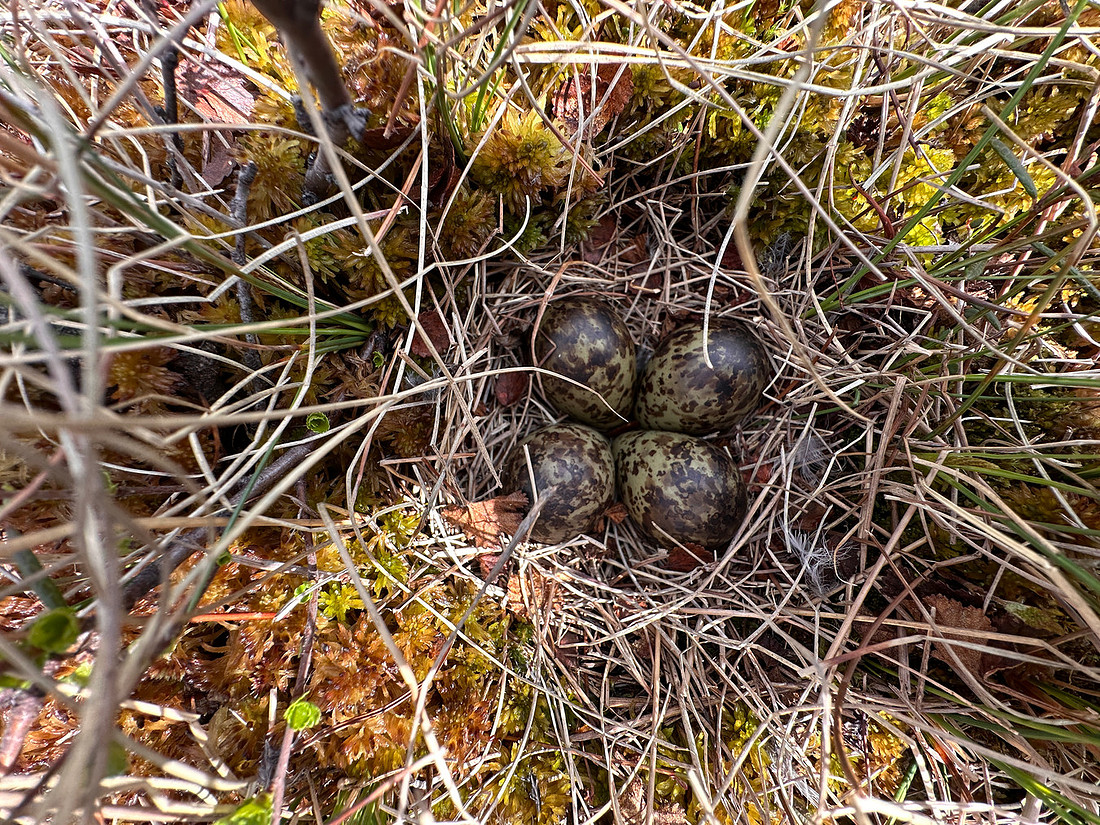
Haven never really walked on a bog before I started off slowly as you just didn't know what lies beneath, its a really strange feeling as you walk around some areas are dry and others you sink down above the knee. It takes a bit of time to trust that your not going to disappear into the abyss. Other areas of floating mires you don't really sink down and it really feels like you are walking on water. Progress is slow as you amble around. As we wadded through there was plenty of Wood Sandpiper around and Adrian come across a few obvious scrapes on some of the higher dry ground. A good sign. It wasn't long before we had our first flush a Ruff come up about 10m in from of me a quick delicate search and nothing was found so we marked the area to return later. After a fruitless search of other areas we returned to the area and the bird flushed again. It wasnt long before Adrian located the nest. Our first Ruff and another wader species of the list.
 Ruff, Karigasniemi, Finland, June 2025
 Ruff, Karigasniemi, Finland, June 2025
 Ruff, Karigasniemi, Finland, June 2025
 Ruff, Karigasniemi, Finland, June 2025
 Ruff, Karigasniemi, Finland, June 2025
 Ruff, Karigasniemi, Finland, June 2025
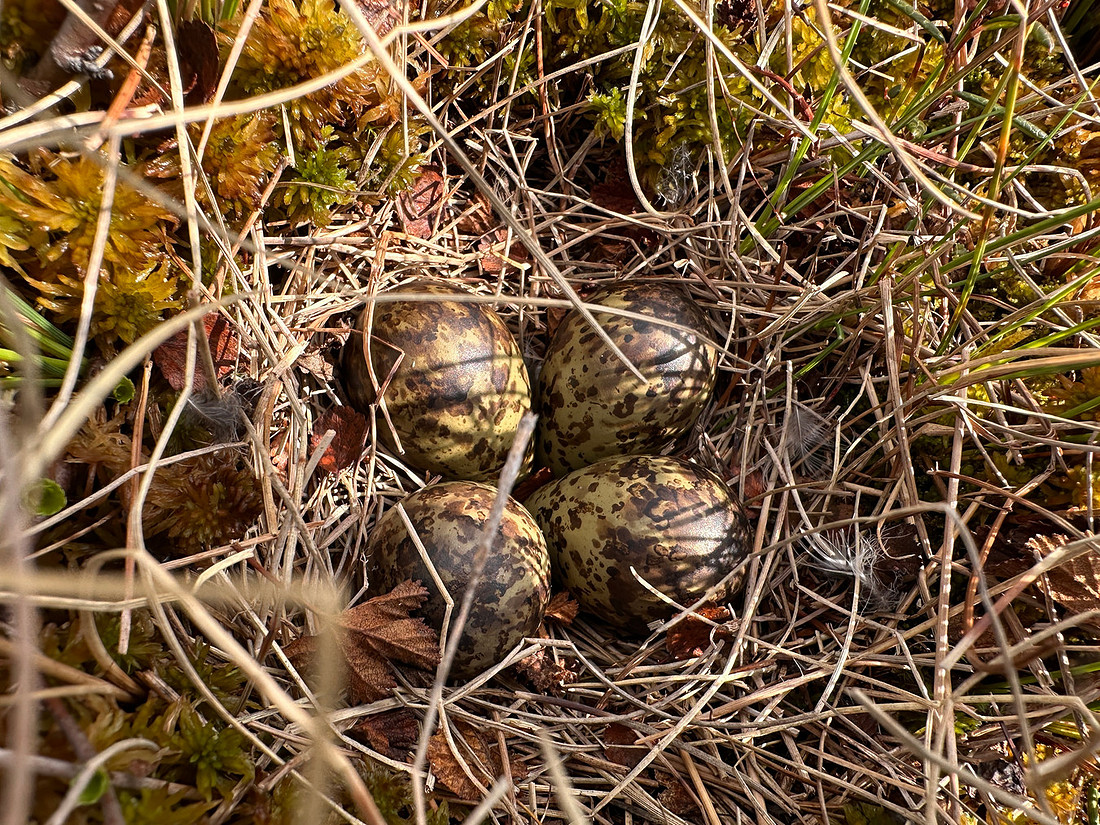 Ruff, Karigasniemi, Finland, June 2025
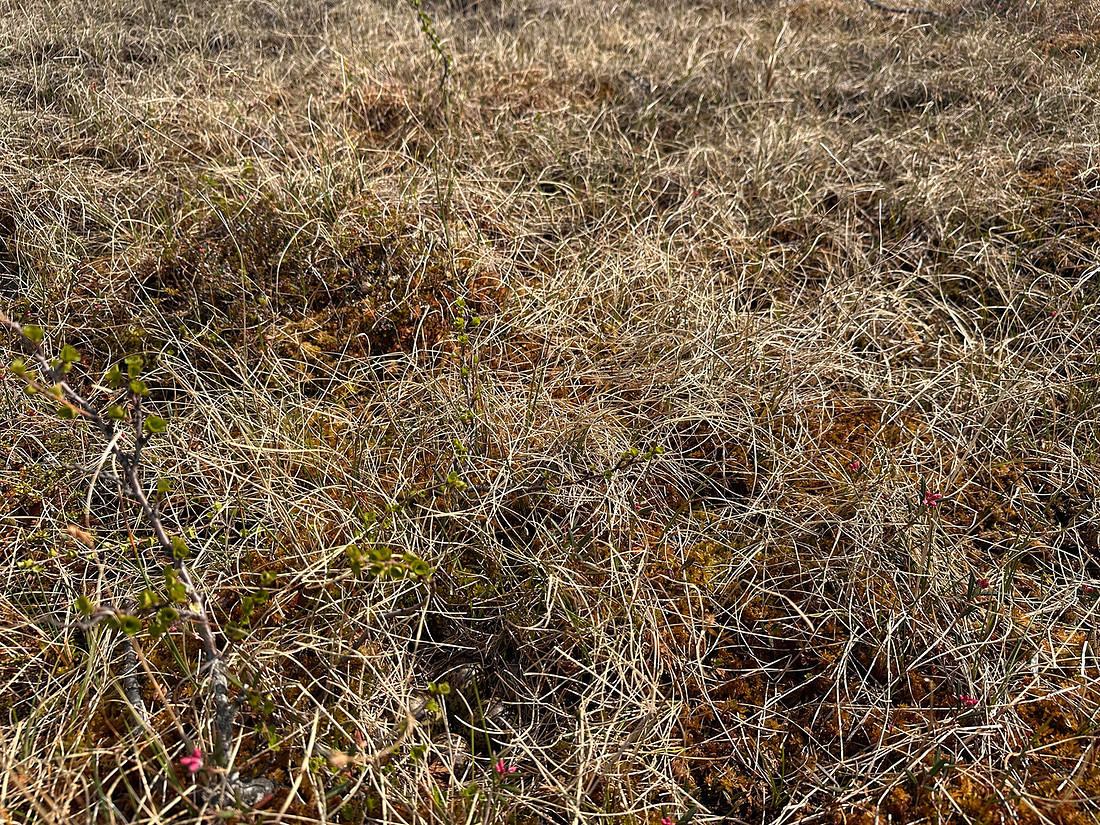 Ruff, Karigasniemi, Finland, June 2025
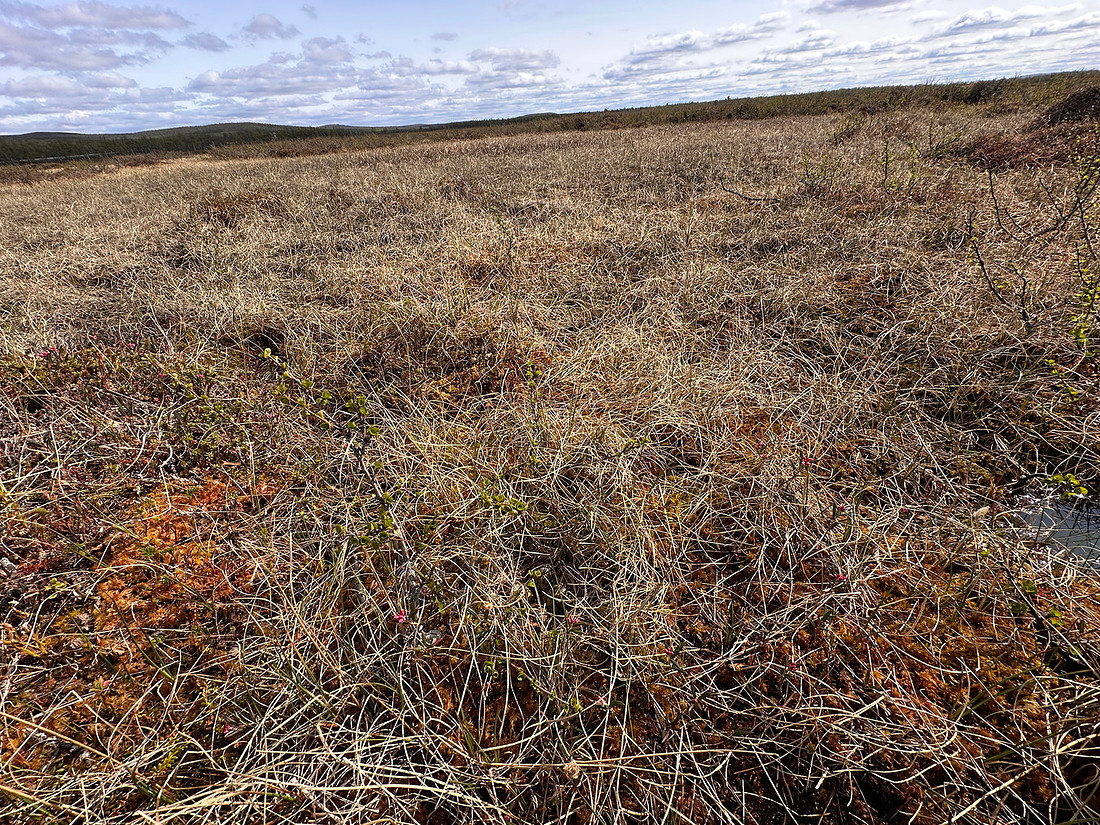 Ruff, Karigasniemi, Finland, June 2025
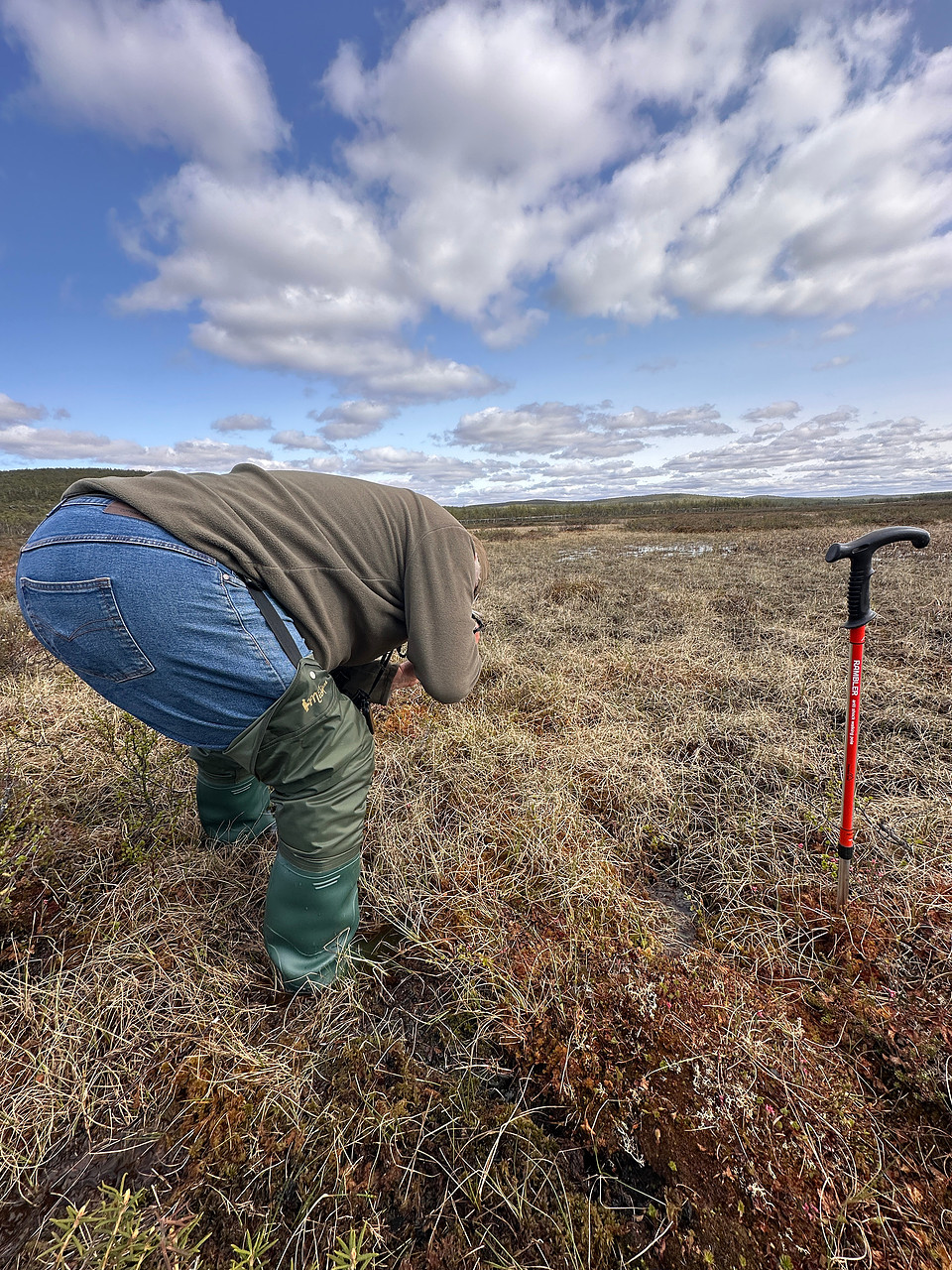 Ruff, Karigasniemi, Finland, June 2025
We spilt up across the area and being slighter taller I headed out into the really rank areas whilst Adrian and Ricky hit the areas around the drier ground. I had lots of Wood Sandpipers again but they were all in feeding groups not individuals off nests. I also had great fun watching firstly Adrian getting stuck solid and then Ricky get into a bit of trouble. I was now stuck thinking do I help and get stuck myself or let them work it out. Thankfully both made it out but much to my amusement.
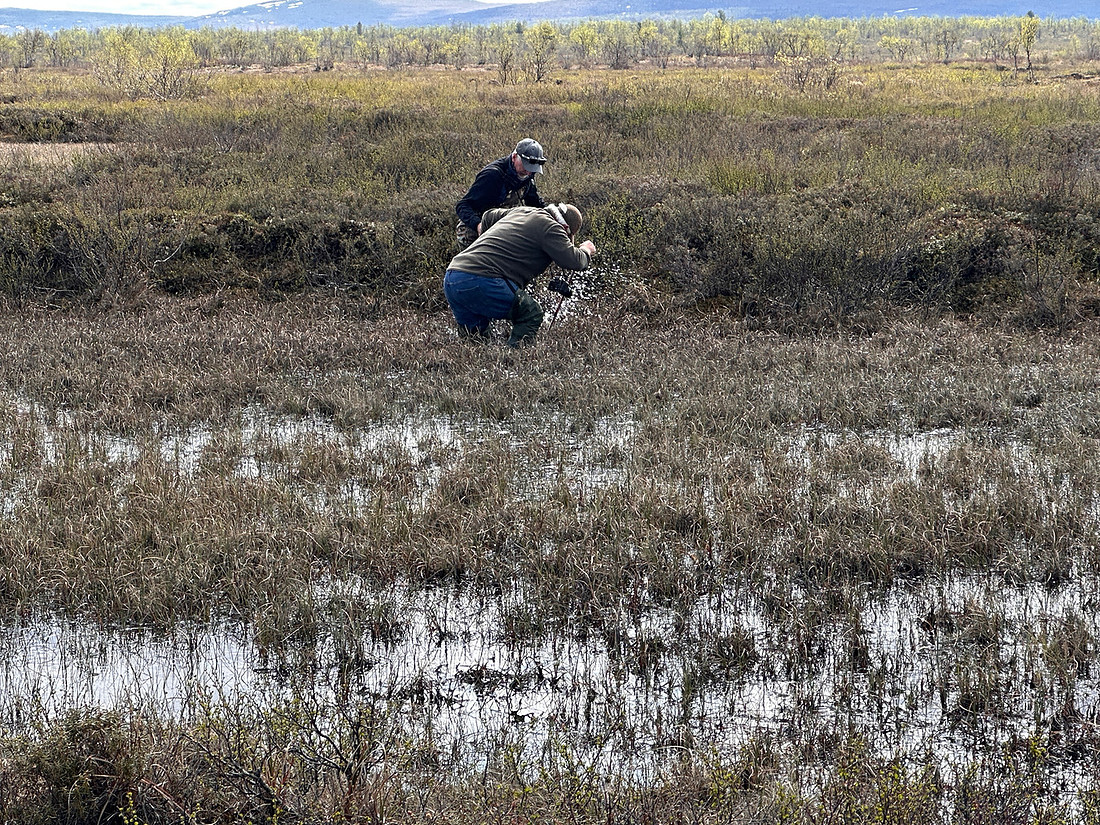 Stuck in a bog,Karigasniemi, June 2025
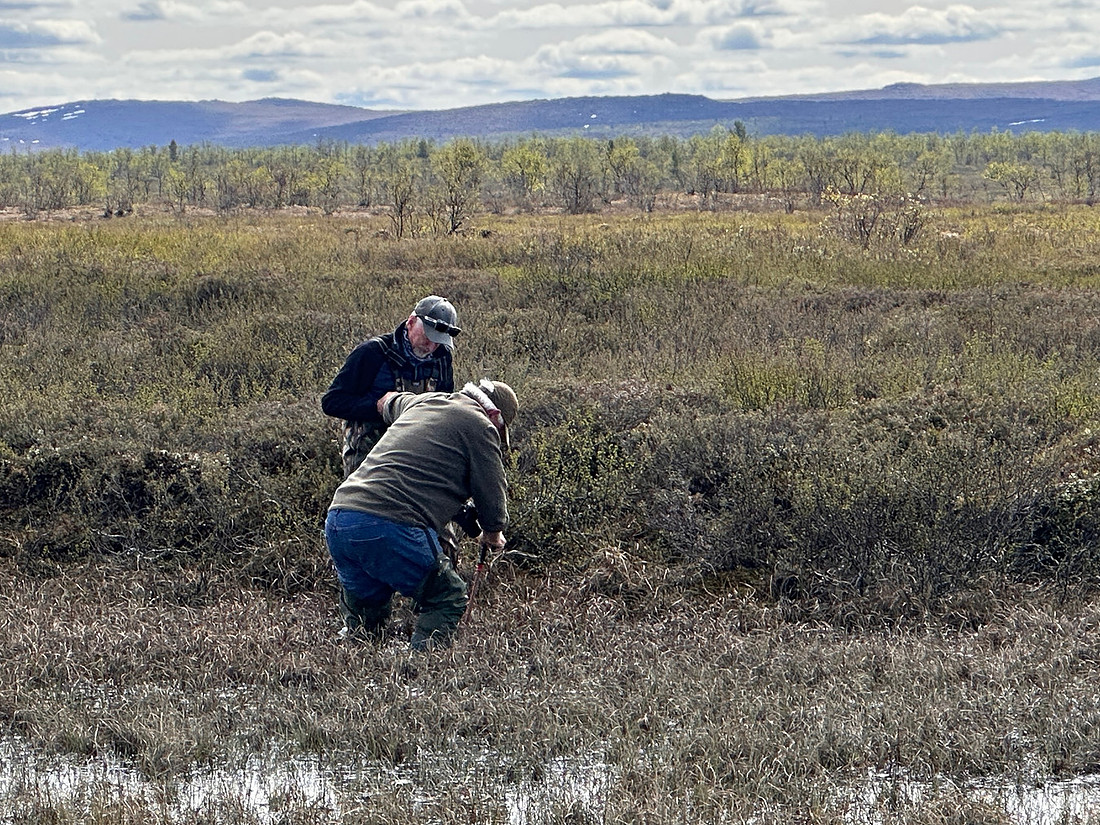 Stuck in a bog,Karigasniemi, June 2025
We had spent a fair few hours now often knee deep in murky bog water and hadn't turned to much up. Some good sightings with plenty of Wood Sandpipers and numerous Spotted Redshank flyovers but we had hoped for more. Then the dream bird flushed at my feet. It was a dull looking bird and it moved like a small mouse as it pretend to be injured as it walked through the rank vegetation. This could only be one bird and could only mean one thing we were close to the nest site of the super secretive and rare Broad-billed Sandpiper. The area the nest was in was some of the worst we had come across on floating vegetation and they are always well hidden. We had to be really careful as we searched for the nest. It didn't take too long to find and this one nest made the numerous hours in the bog all worthwhile. These birds are really tricky to find as they sit tight and you pretty much have to stand on them before they reveal their location. Not many of these nest are found due to the habitat and their secretive nature making them really hard to get a good estimate on the breeding population in an area.
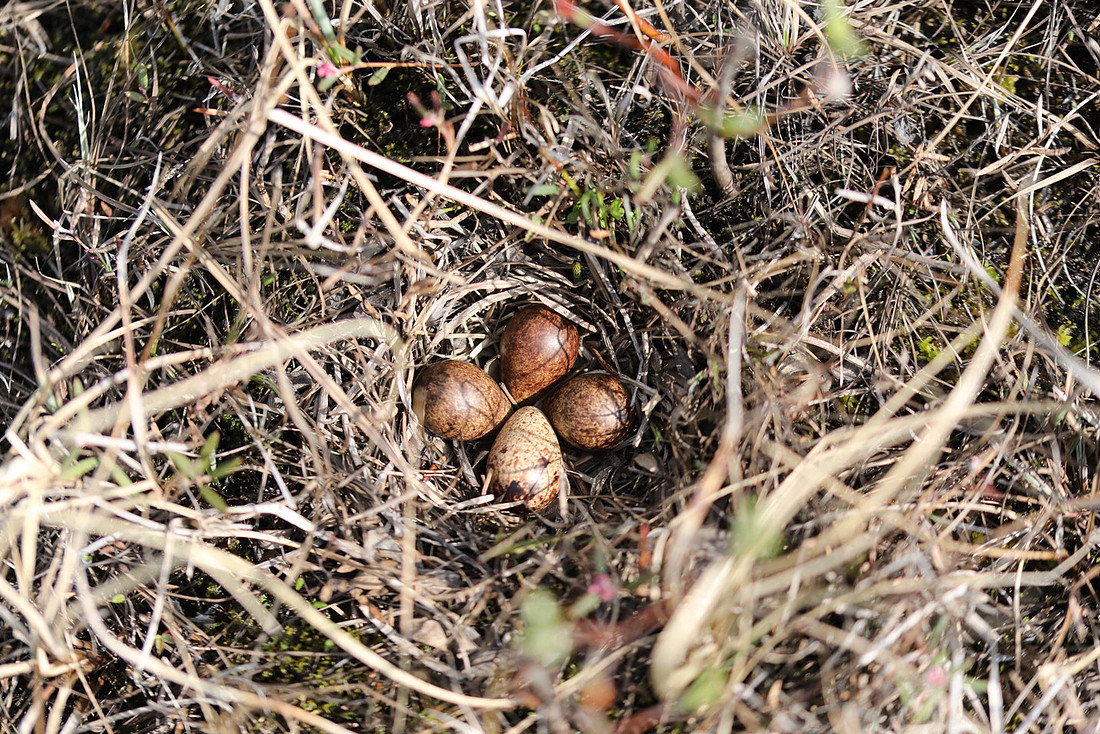 Broad-billed Sandpiper, Karigasniemi, Finland, June 2025
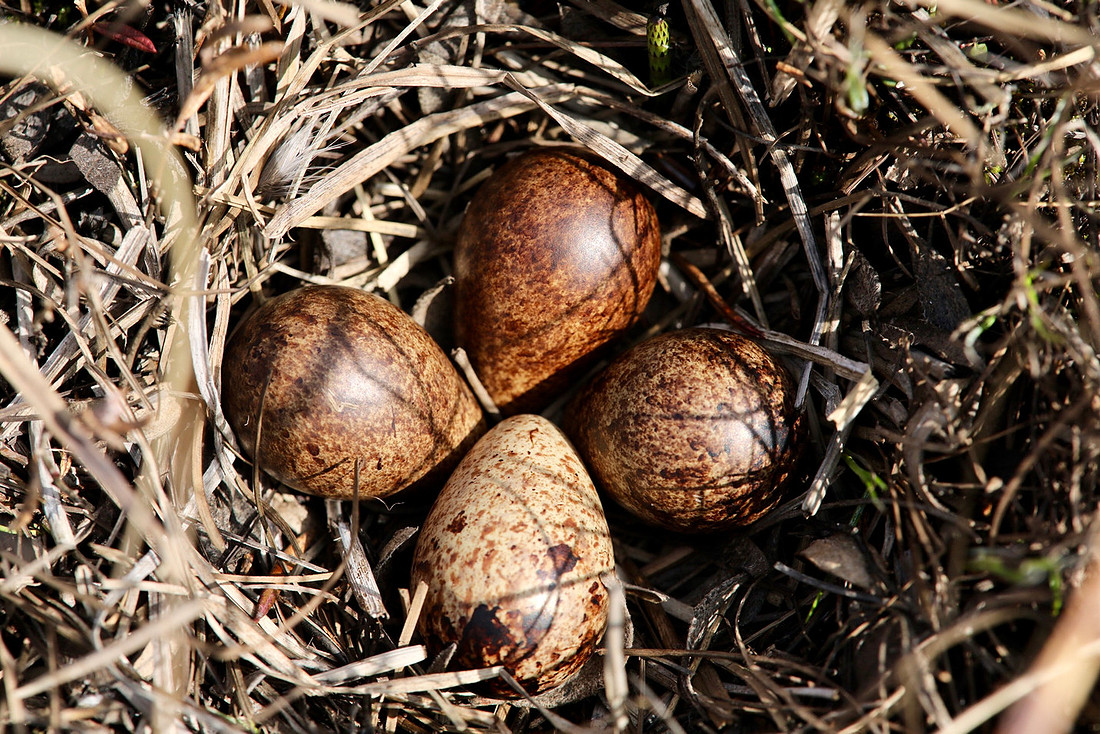 Broad-billed Sandpiper, Karigasniemi, Finland, June 2025
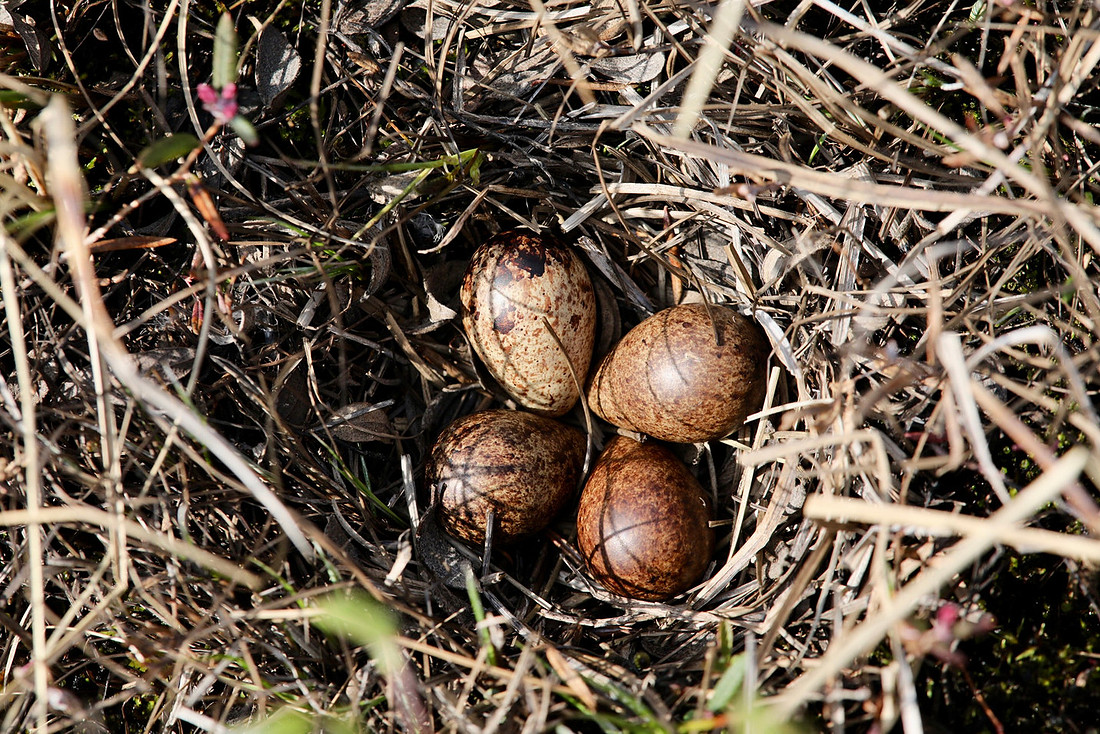 Broad-billed Sandpiper, Karigasniemi, Finland, June 2025
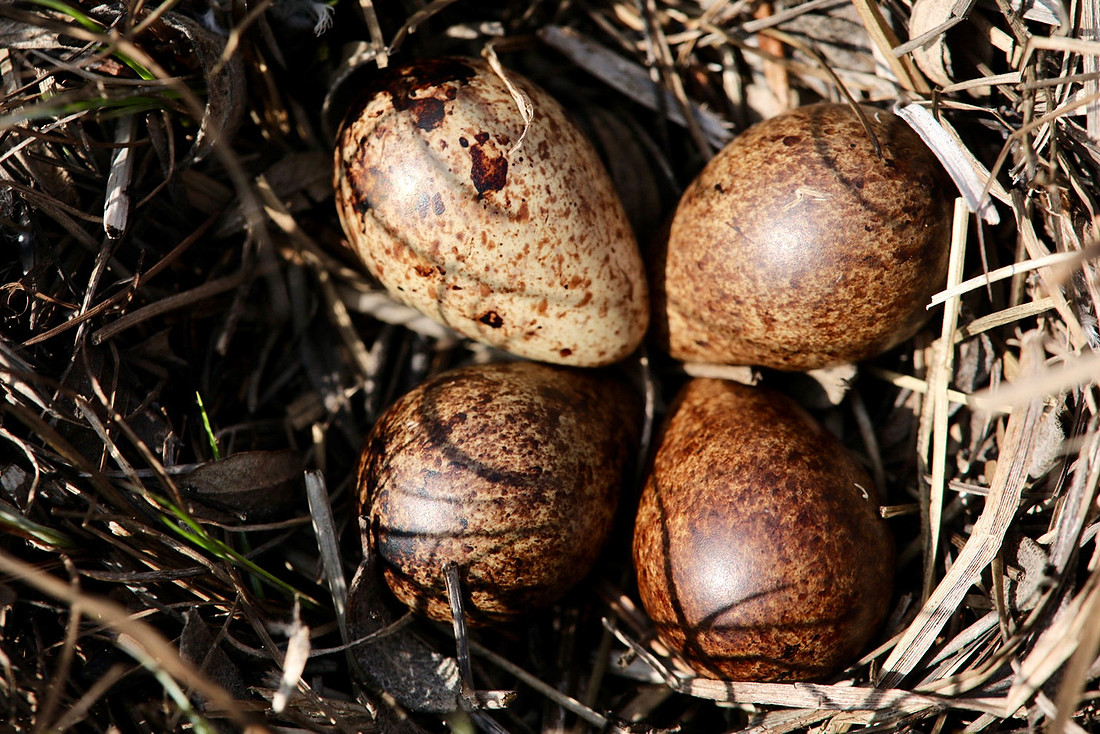 Broad-billed Sandpiper, Karigasniemi, Finland, June 2025
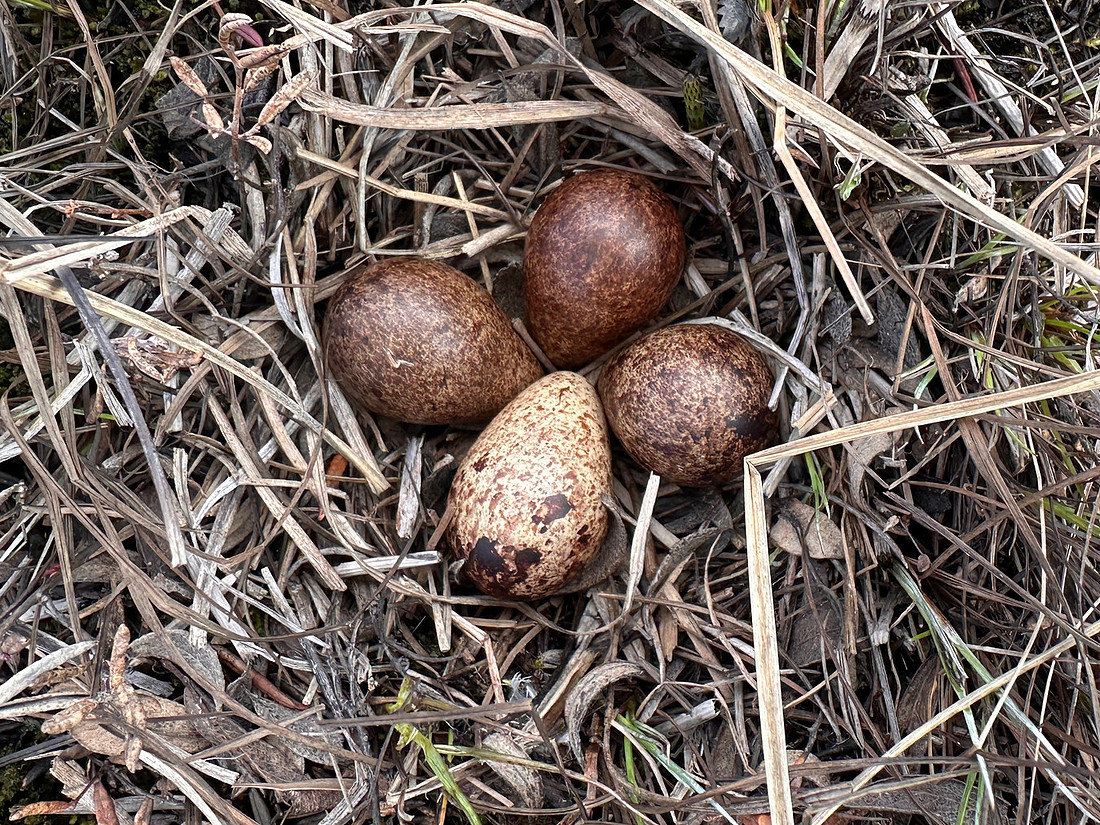 Broad-billed Sandpiper, Karigasniemi, Finland, June 2025
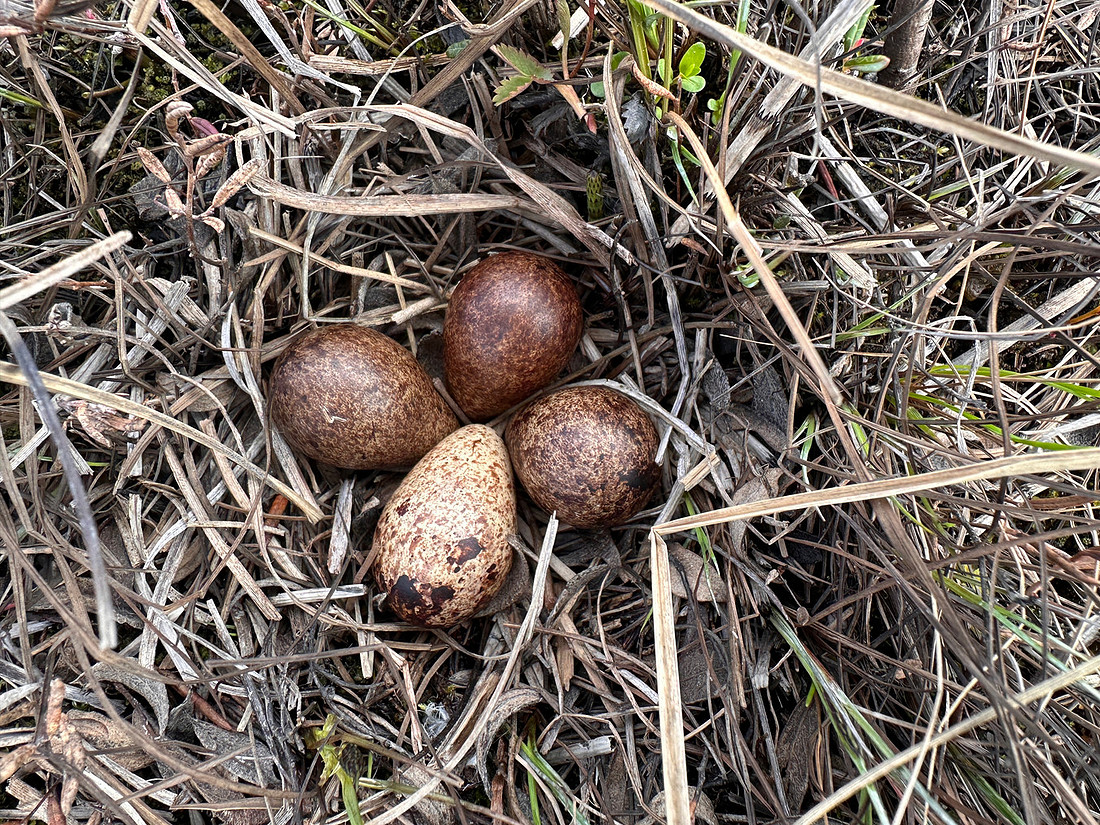 Broad-billed Sandpiper, Karigasniemi, Finland, June 2025
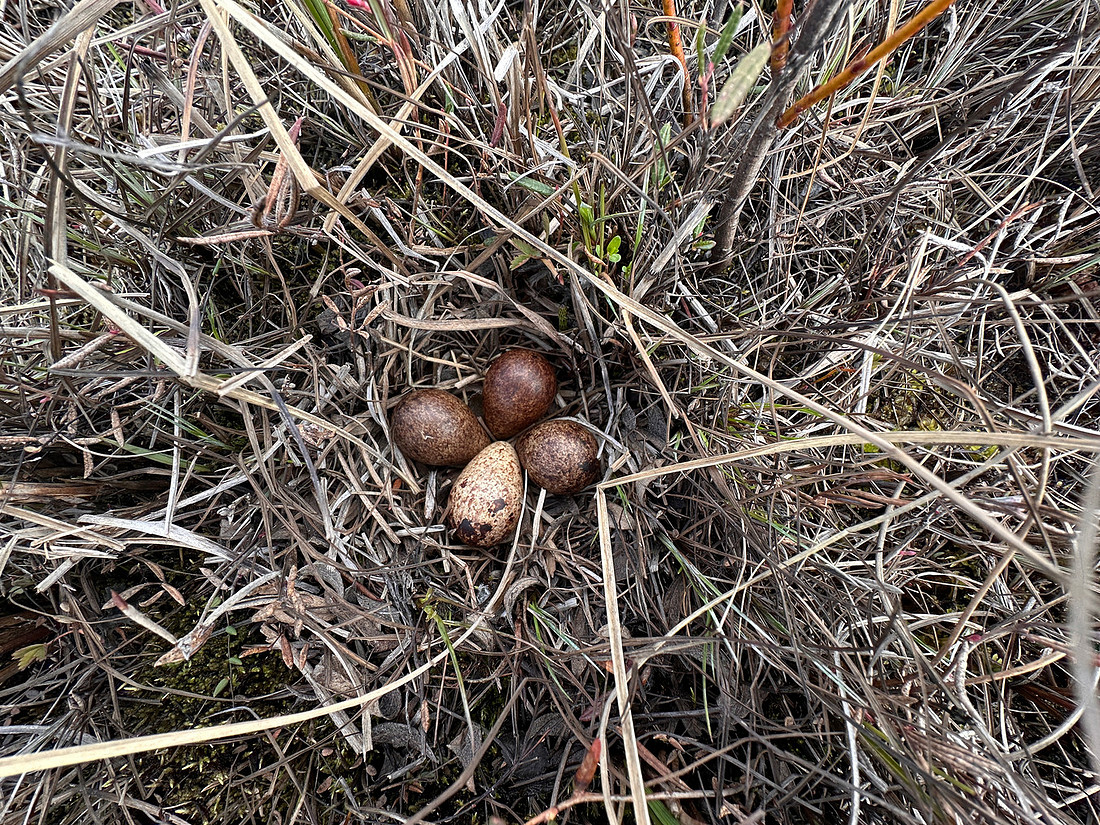 Broad-billed Sandpiper, Karigasniemi, Finland, June 2025
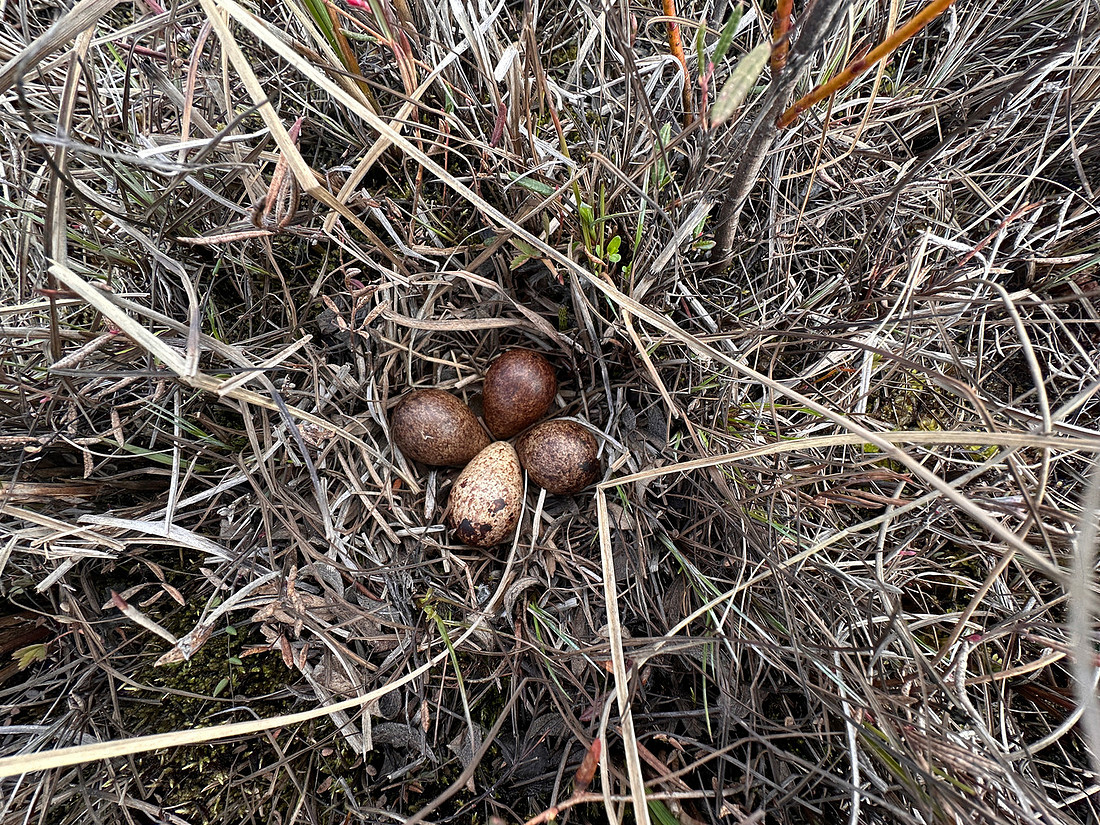 Broad-billed Sandpiper, Karigasniemi, Finland, June 2025
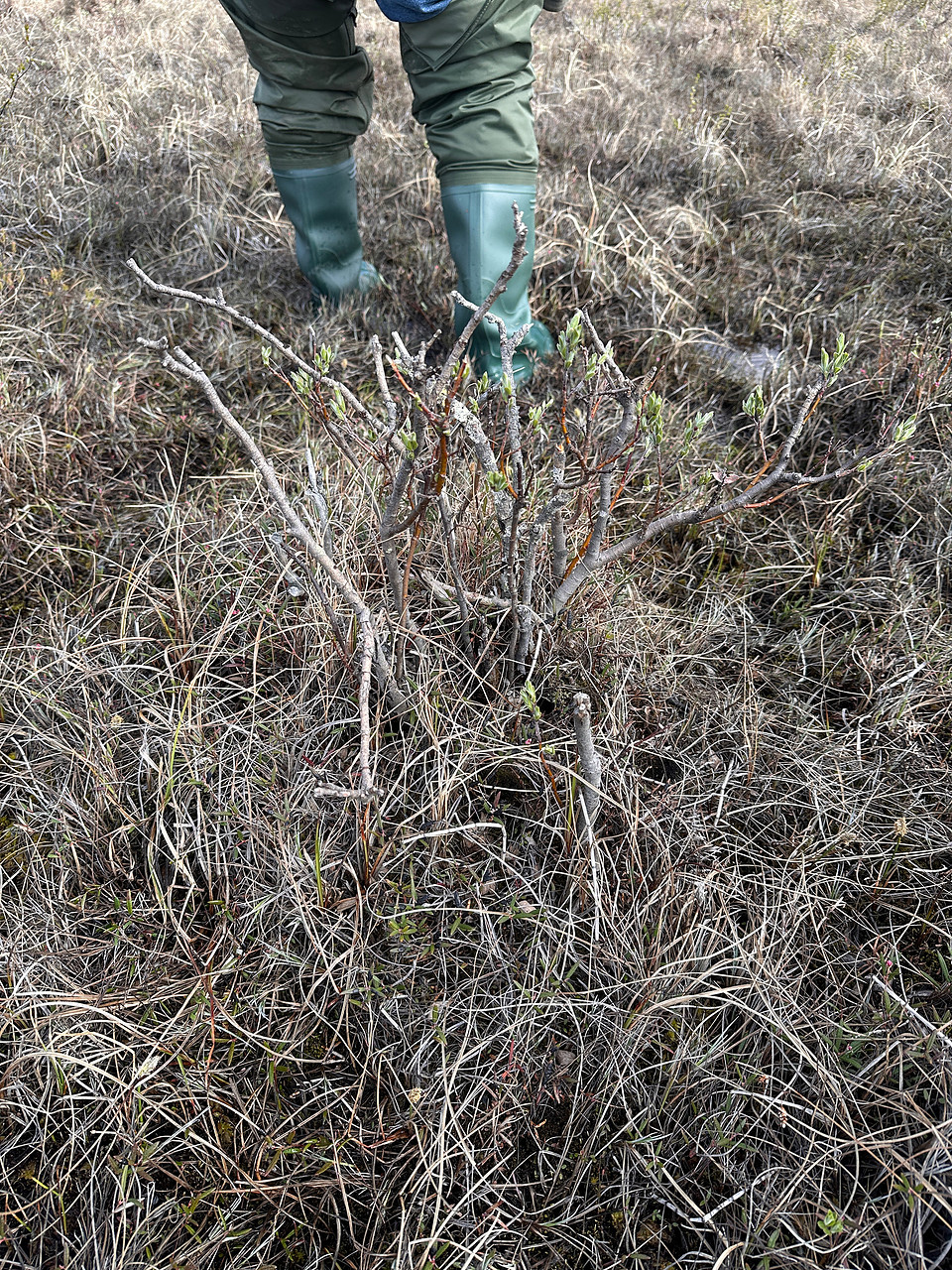 Broad-billed Sandpiper, Karigasniemi, Finland, June 2025
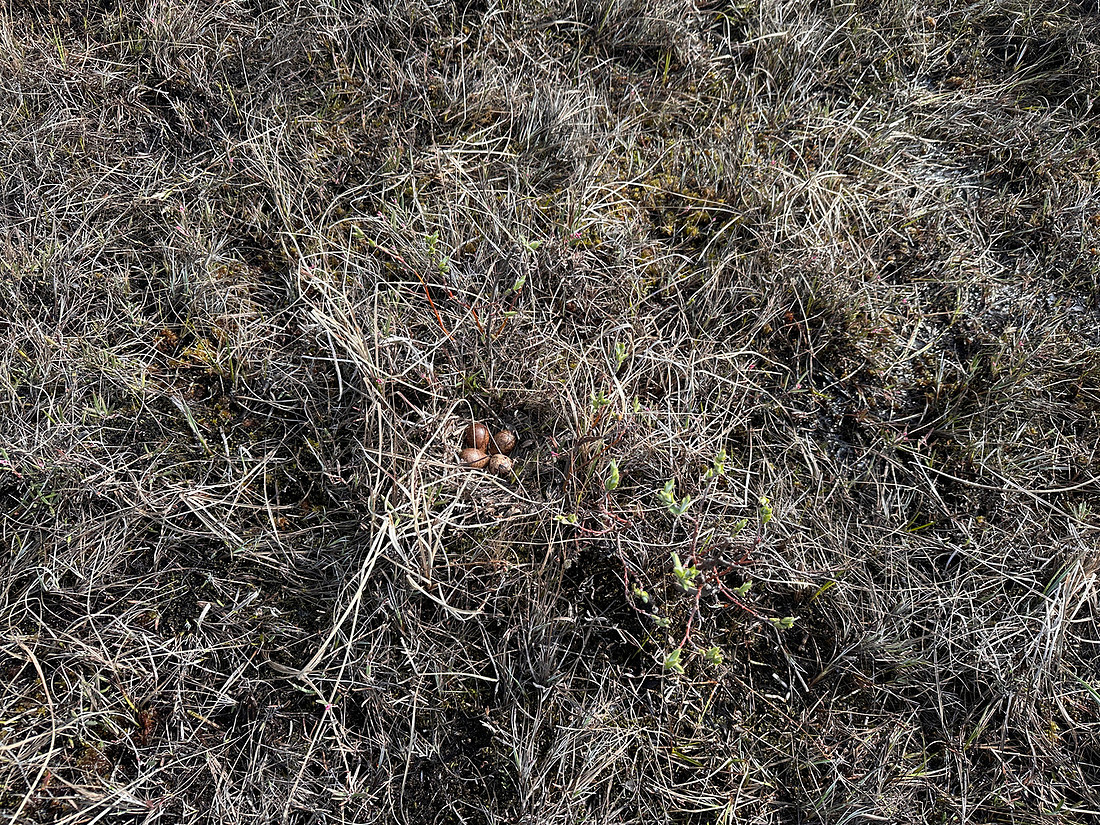 Broad-billed Sandpiper, Karigasniemi, Finland, June 2025
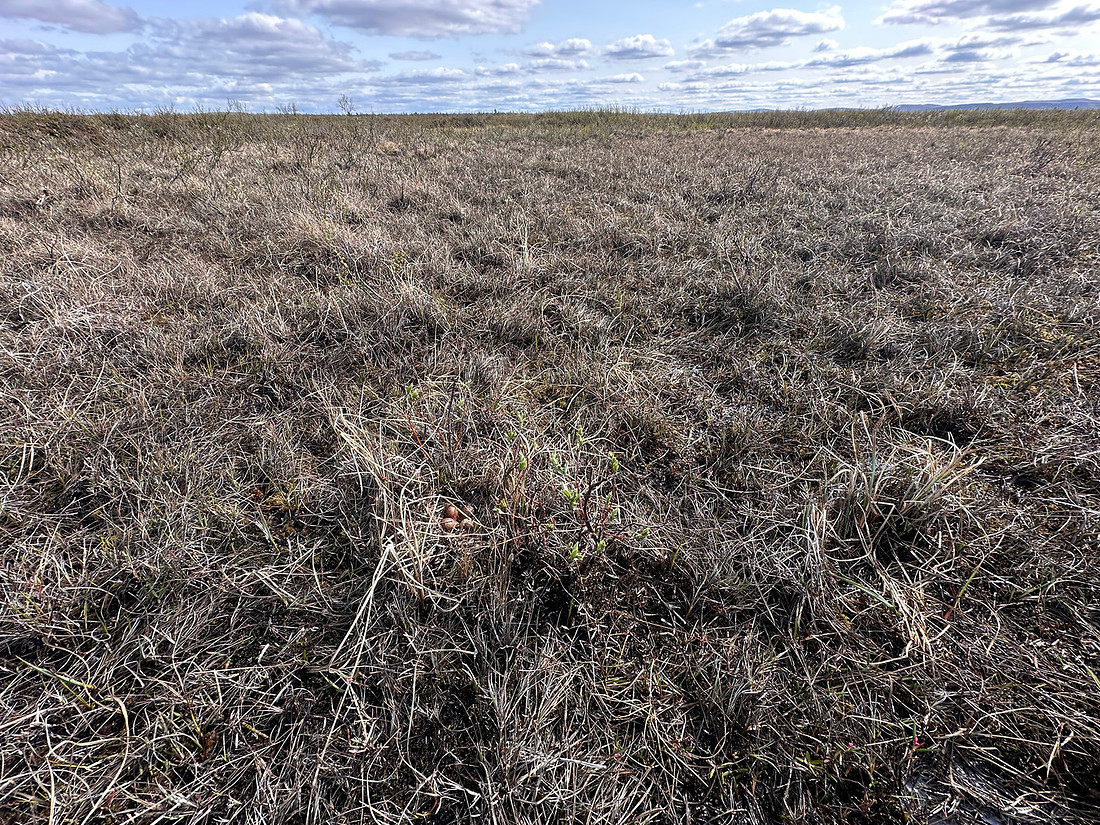 Broad-billed Sandpiper, Karigasniemi, Finland, June 2025
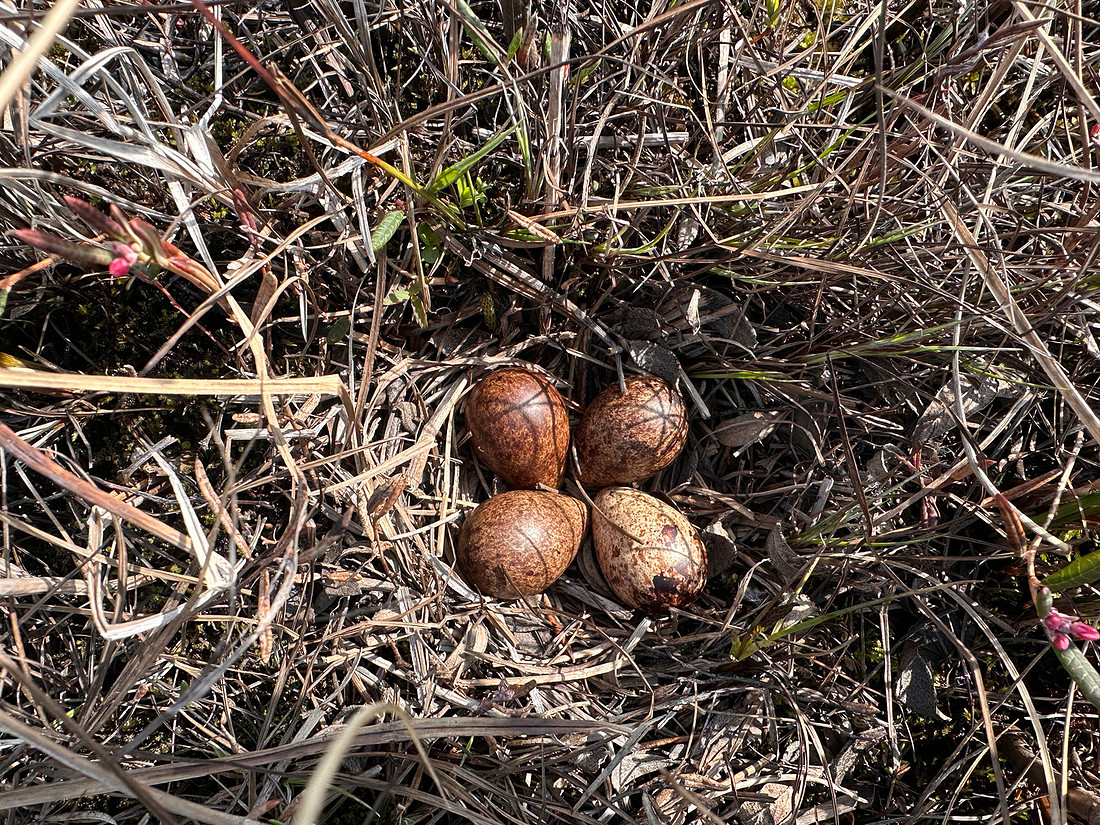 Broad-billed Sandpiper, Karigasniemi, Finland, June 2025
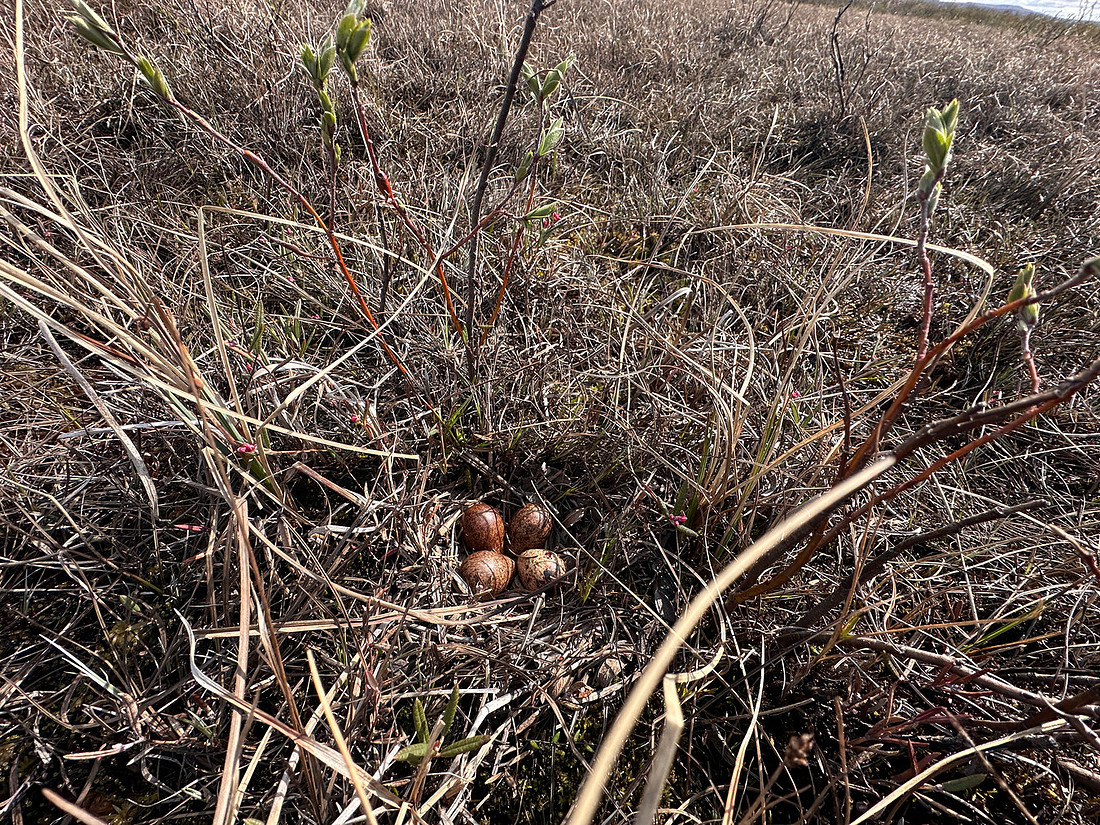 Broad-billed Sandpiper, Karigasniemi, Finland, June 2025
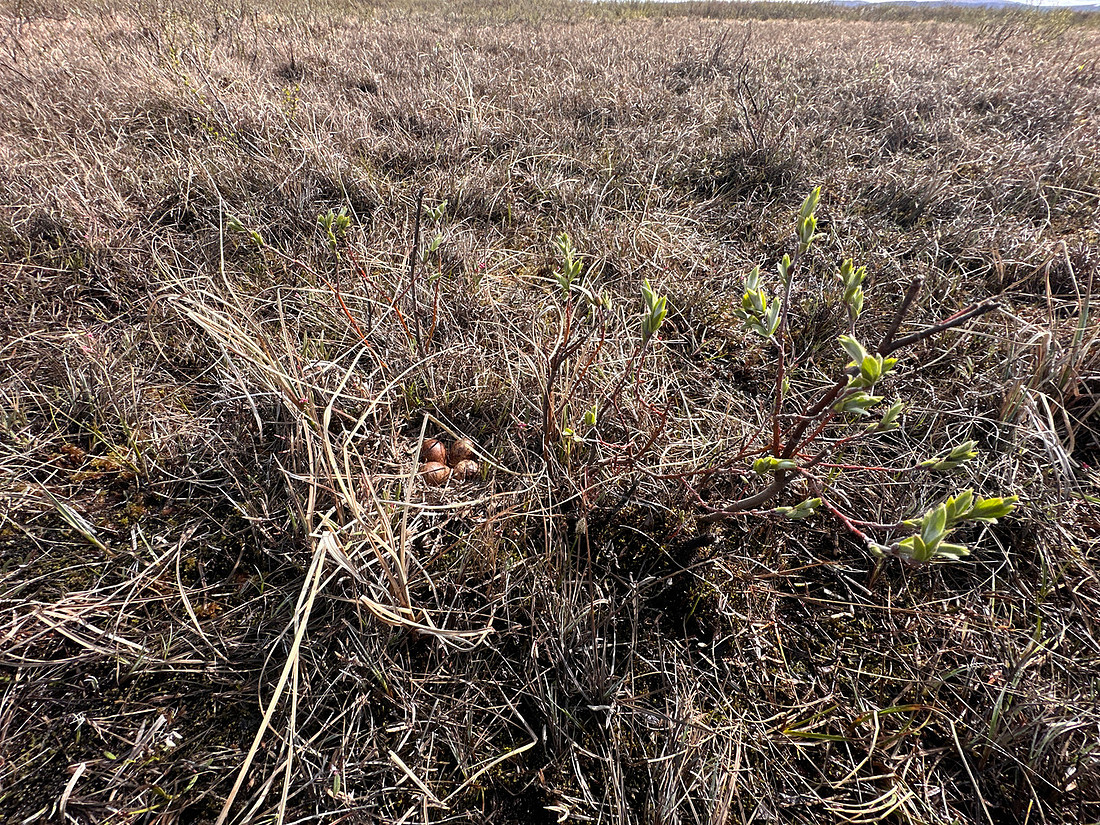 Broad-billed Sandpiper, Karigasniemi, Finland, June 2025
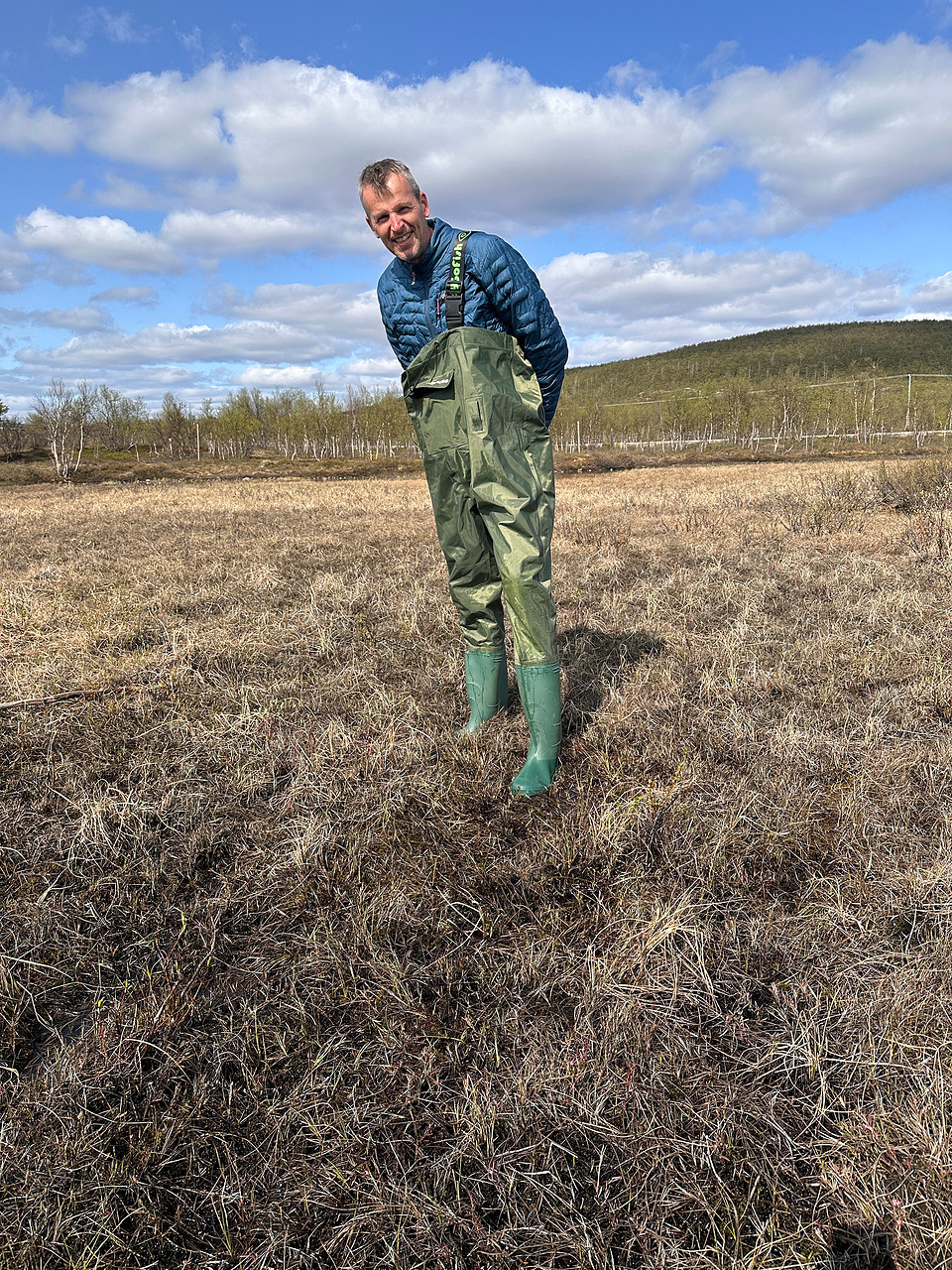 Broad-billed Sandpiper nest site, Karigasniemi, Finland, June 2025
Whilst photographing the Broad-billed Sandpiper another Ruff flushed nearby. It's like buses you wait for one and then another comes along. Hours of nothing and then 2 nest in 5 minutes. It was another C4. Before photograhing the Ruff we watched the Broad-billed sneak back onto its eggs. You could almost make out a small pathway it cleared used to enter and exit the site.
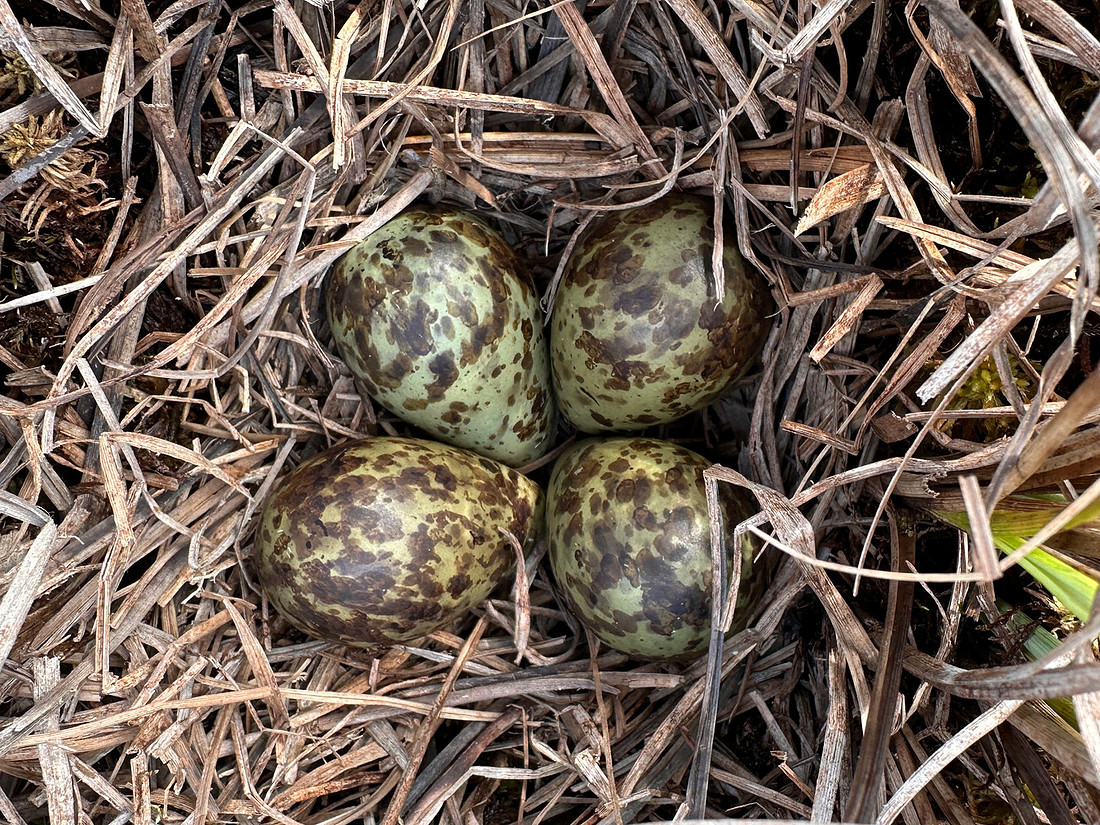 Ruff nest 2, Karigasniemi, Finland, June 2025
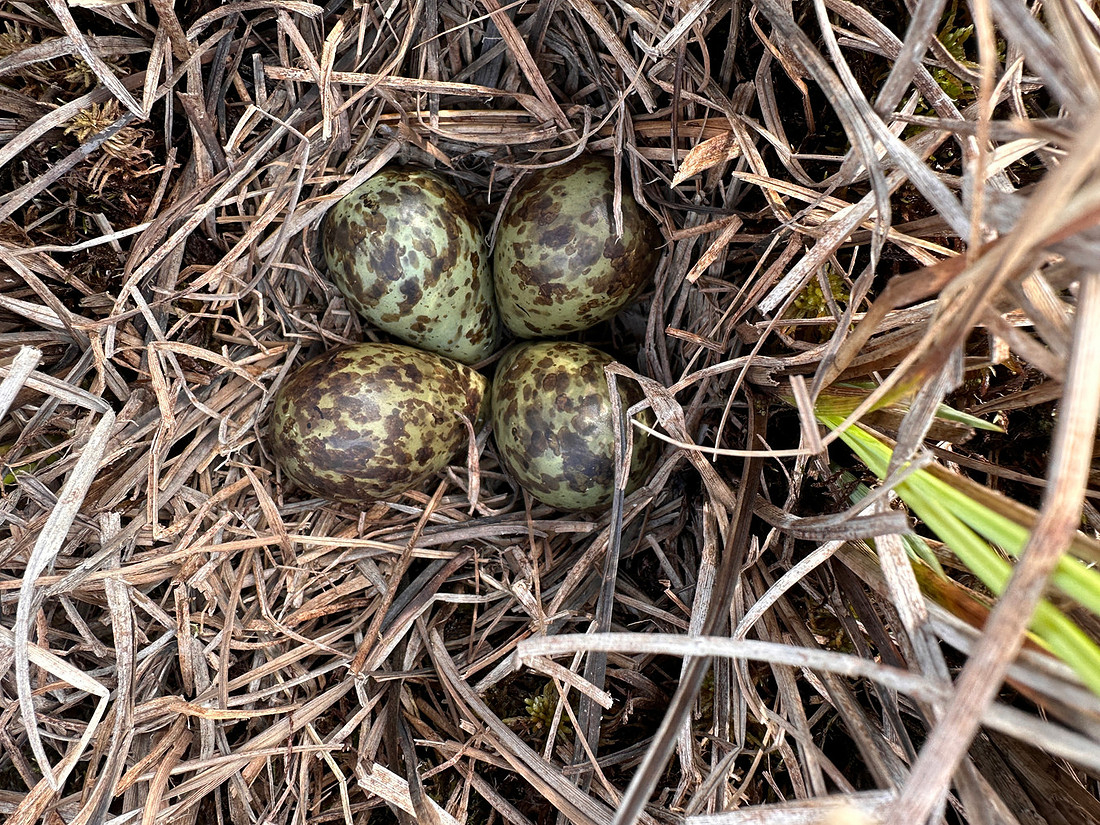 Ruff nest 2, Karigasniemi, Finland, June 2025
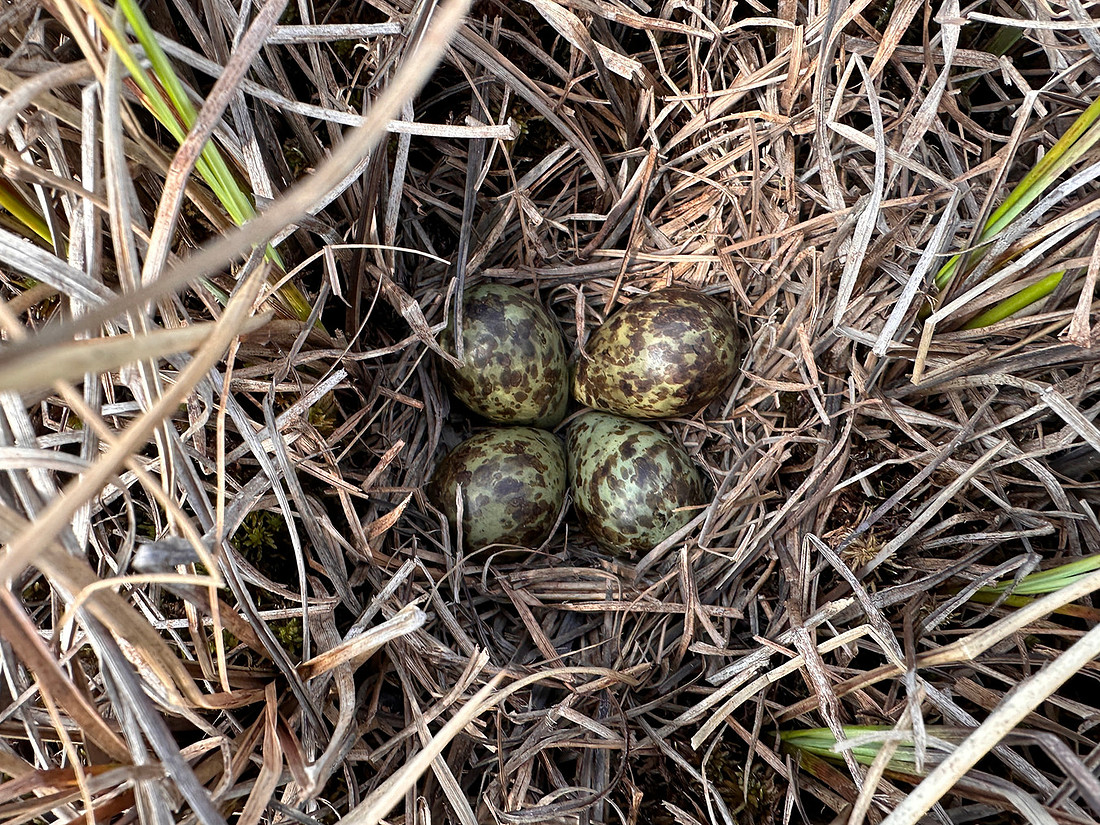 Ruff nest 2, Karigasniemi, Finland, June 2025
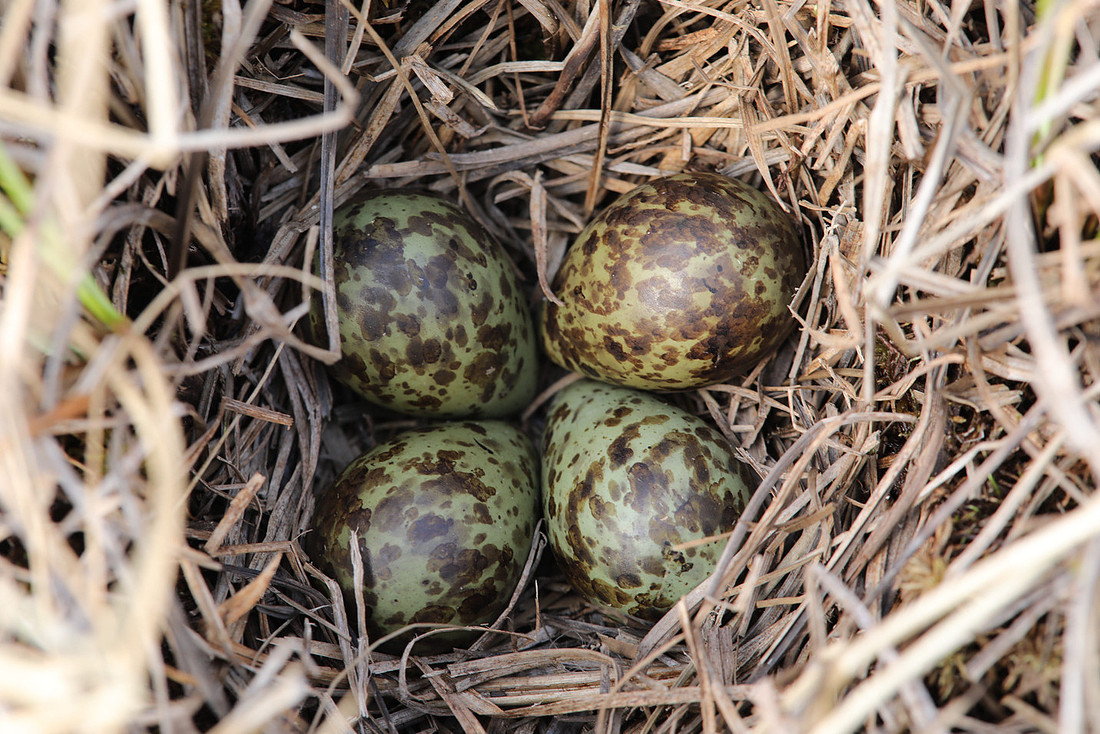 Ruff nest 2, Karigasniemi, Finland, June 2025
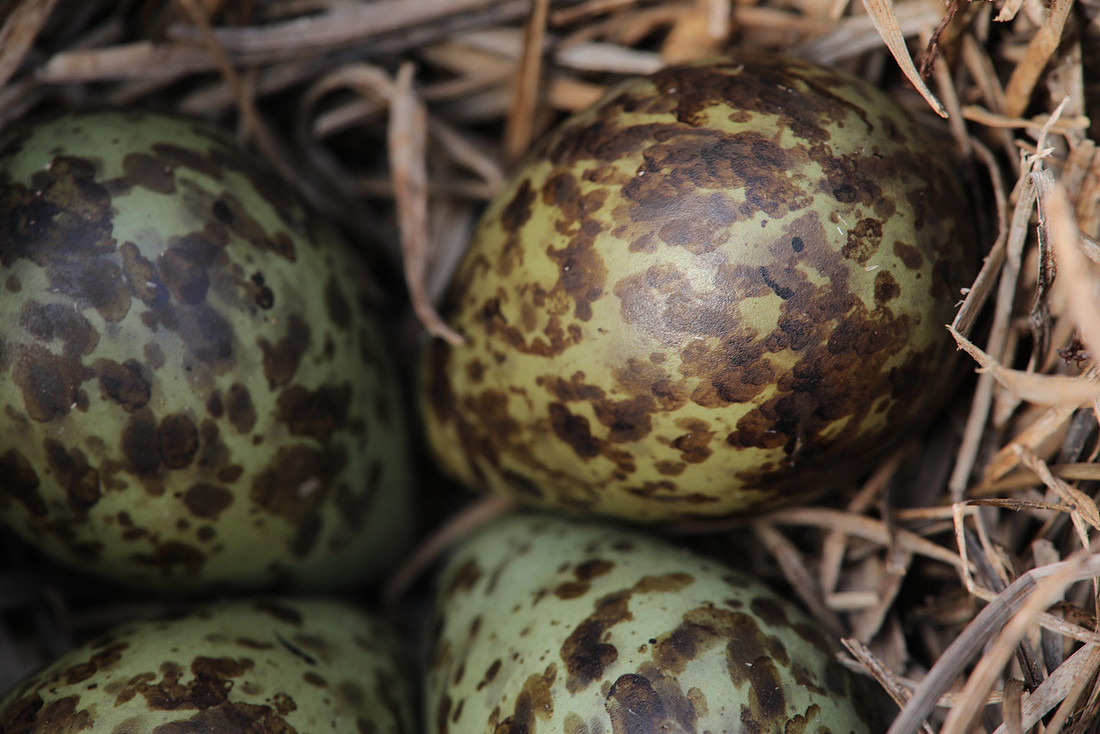 Ruff nest 2, Karigasniemi, Finland, June 2025
After numerous hours we headed back to the car and from here we crossed the road to another smaller bog. We walked this area again flushing numerous Wood Sandpipers but not much else. We did have a pair of Bluethroat that looked good so put a bit of time into them only from them to disappear. The wooded area held Brambling. Knackered after a long day in the bog we decided to put a bit of time into them and this bog tomorrow. As we left a male Smew dropped onto the nearby water. We headed back to the digs for some food that we cooked in the Kota. We also handed the Reindeer Antler to our hosts who were really grateful and they were going to mount it on the wall in the restaurant.
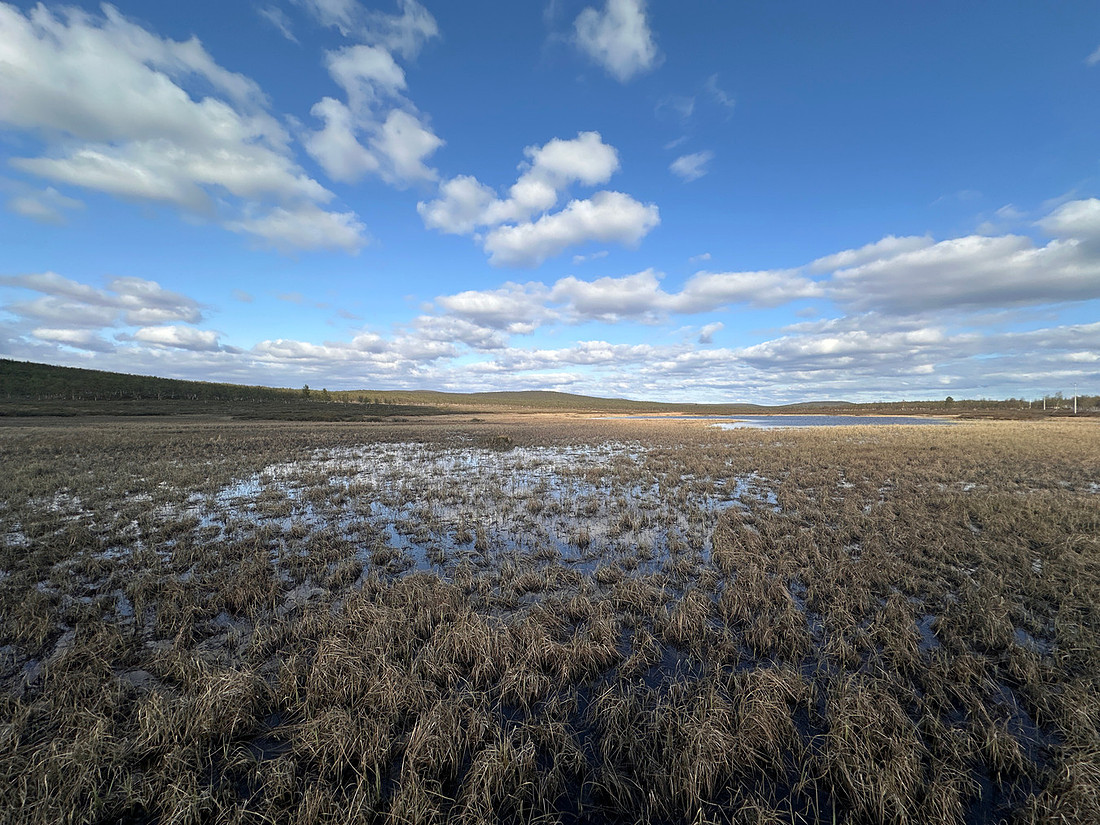 Bogs of Karigasniemi, Finland, June 2025
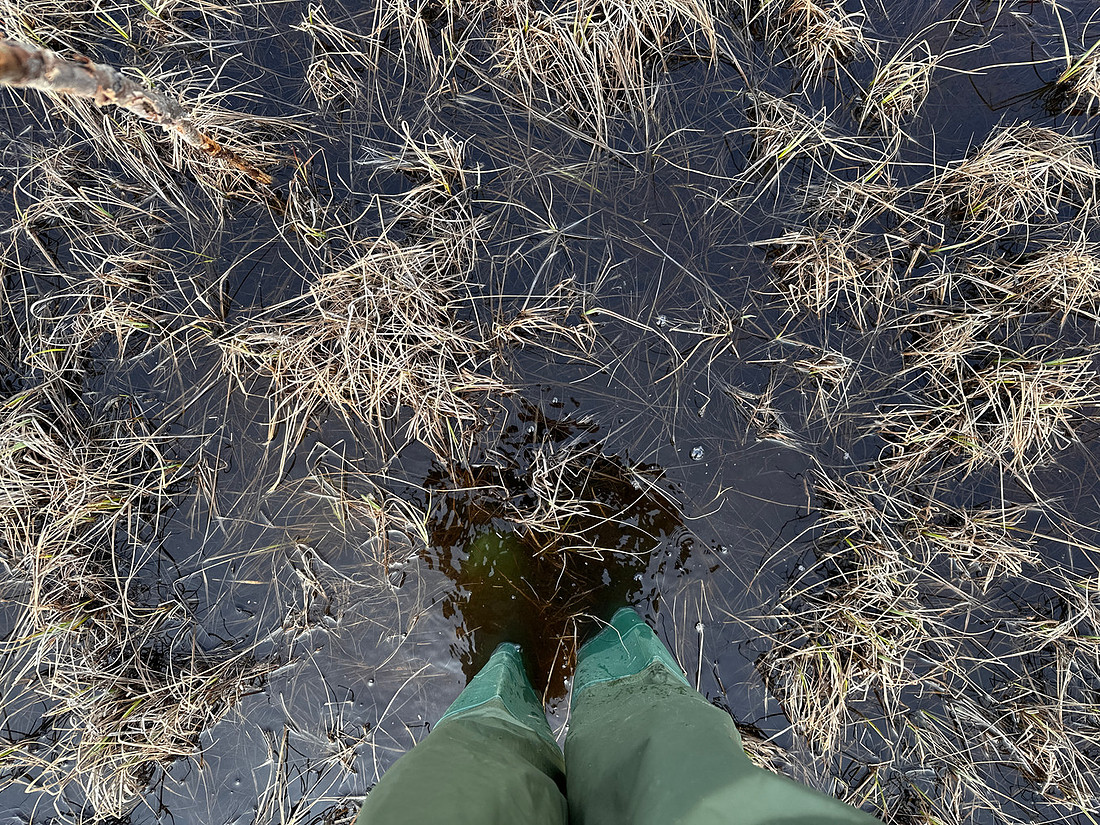 Bogs of Karigasniemi, Finland, June 2025
Bogs of Karigasniemi, Finland, June 2025
Bogs of Karigasniemi, Finland, June 2025
