Day 6-8 Part 2
June 13th
We were on the road again by 5am, greeted by clear skies and sunshine, although temperatures remained a chilly 6°C. This morning's destination was Vadsø Island, another site steeped in birding history. During our previous visit two years earlier, we had found little more than a few gull nests, so expectations were tempered. Vadsøya Island holds layers of history beneath your feet. Long before it became a peaceful nature reserve, it served as the original site of Vadsø town in the 1500s and a pitstop for Roald Amundsen's North Pole airship expeditions in the 1920s. During WWII, the occupying German military turned the island into a coastal stronghold, digging deep trenches, bunker positions, and artillery emplacements. Today, those turf-lined trenches remain remarkably intact across the tundra. Up to 2200 German soldiers were based here.
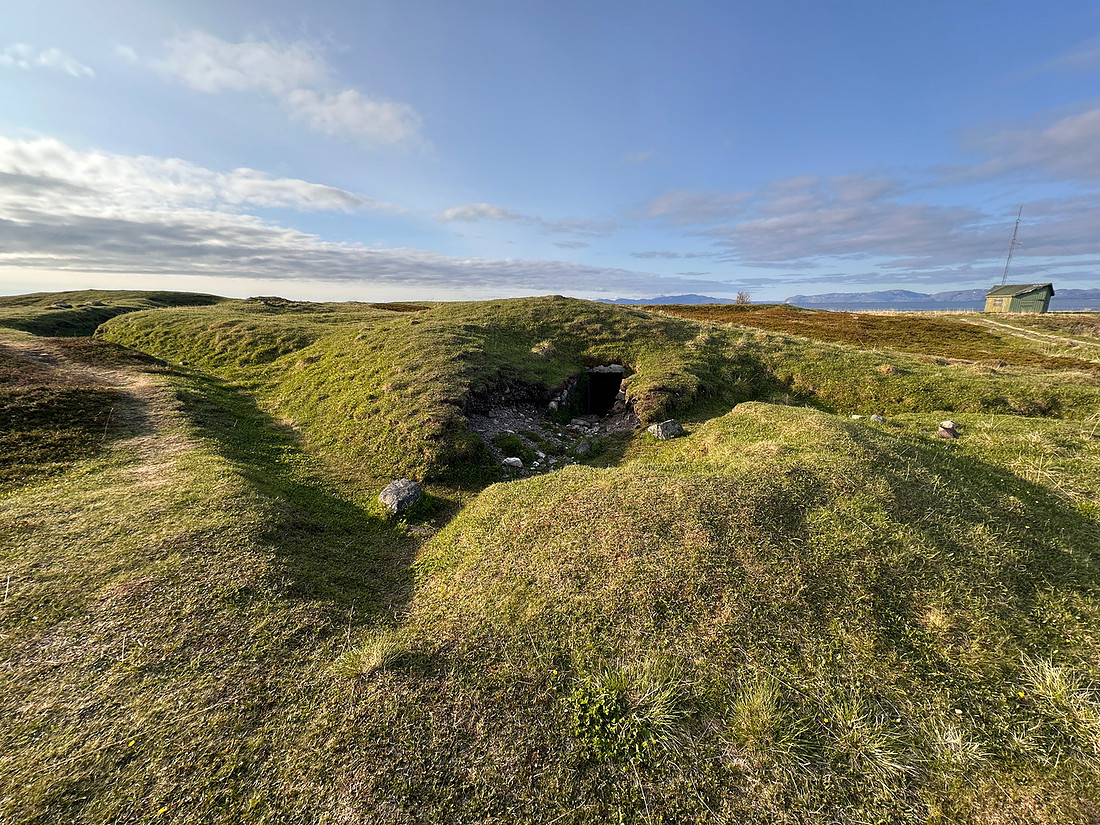
 Vadsøya Island trenches, June 2025
 Vadsøya Island trenches, June 2025
 Vadsøya Island trenches, June 2025
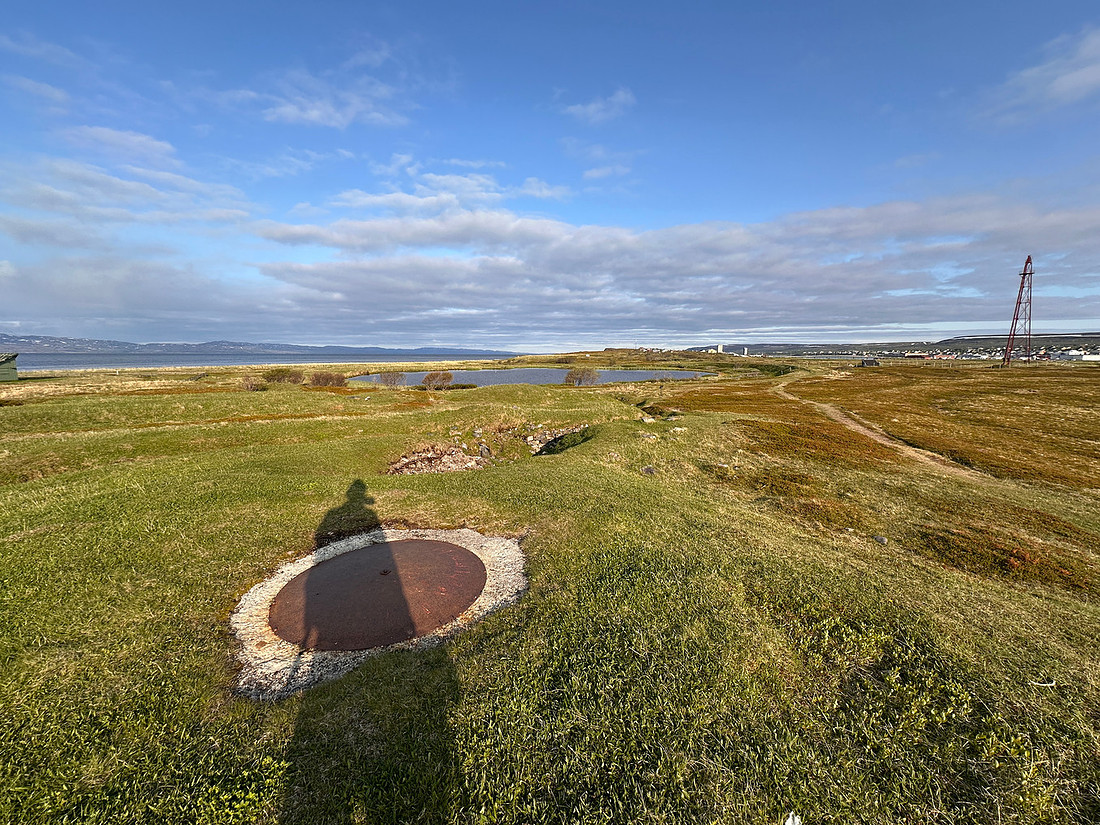 Vadsøya Island trenches, June 2025
The day began promisingly as we walked around the Island. The usual suspects were on the Island, Willow Warbler, Redshanks, Oystercatchers, And a single Ruff were seen before we located a pair of Red-throated Pipits behaving suspiciously. Their actions suggested they had something to hide, and one of our major targets suddenly seemed within reach. Unfortunately, despite several hours of searching, the nest remained undiscovered. The female disappeared periodically but never consistently in the same area, making it impossible to narrow down a location. The birds were always distant for photography to avoid disturbance.
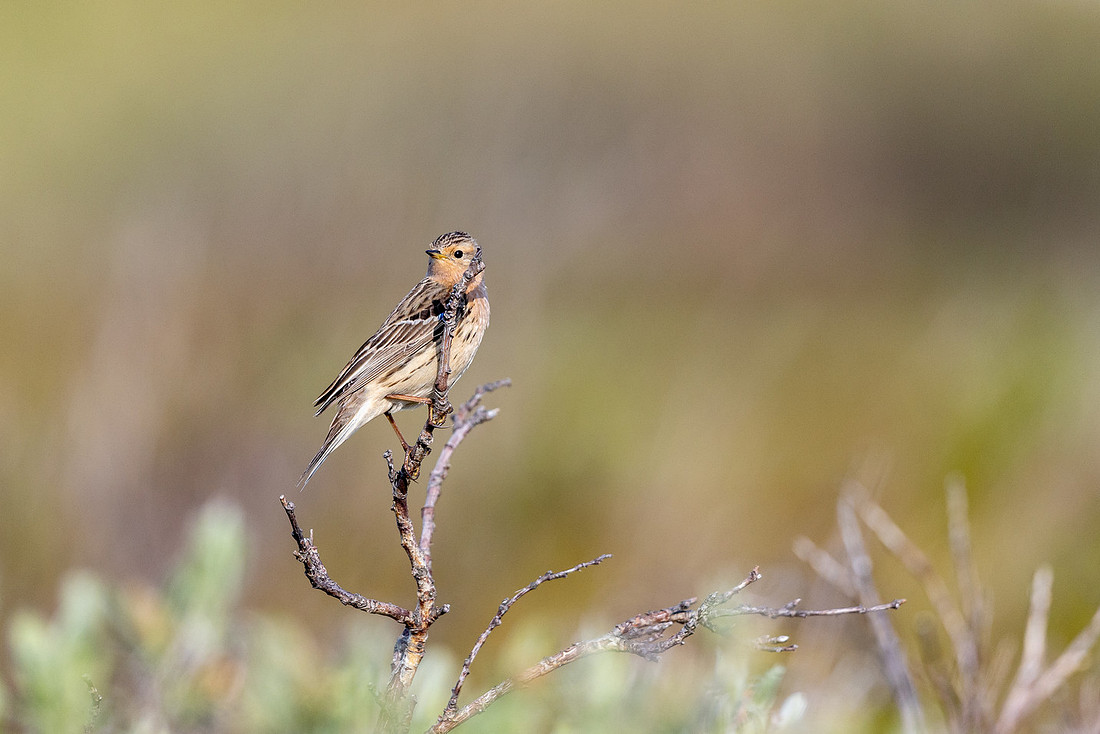 Red-throated Pipit, Vadsoya Island, Norway, June 2025
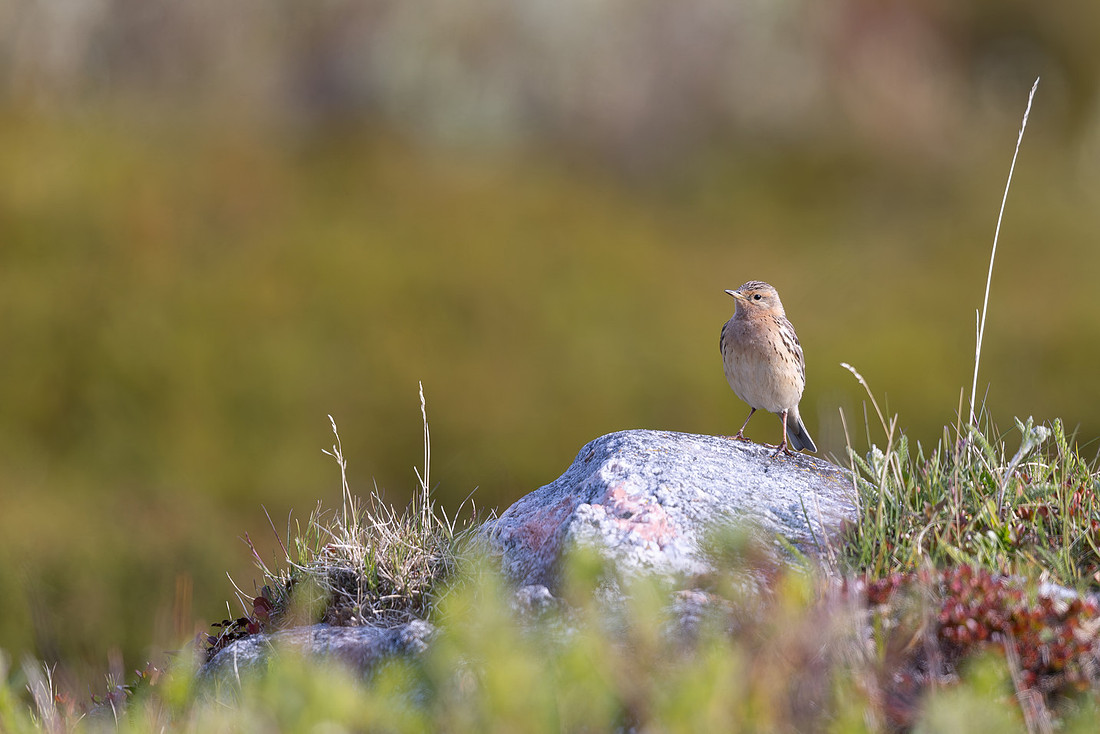 Red-throated Pipit, Vadsoya Island, Norway, June 2025
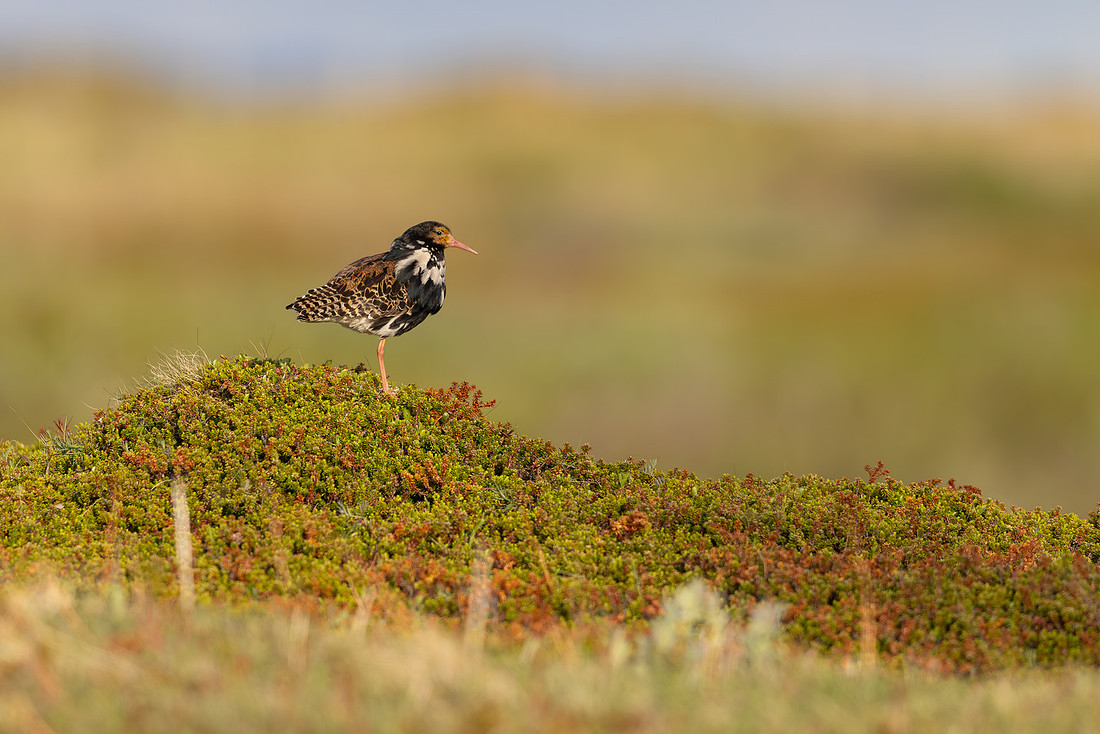 Ruff, Vadsoya Island, Norway, June 2025
While Adrian continued searching, I spent time photographing the Red-necked Phalaropes on a nearby pond. Watching these tiny waders glide effortlessly across the water was mesmerising, and they seemed completely unconcerned by my presence. Unfortunately, I arrived a bit too late in the morning. Even at 6:30 AM, the sun was already too high, casting harsh light across the water that ruined what could have been some wonderful shots. I really wish I’d gotten there earlier while the light was still low and soft.
Red-necked Phalarope, Vadsoya Island, Norway, June 2025
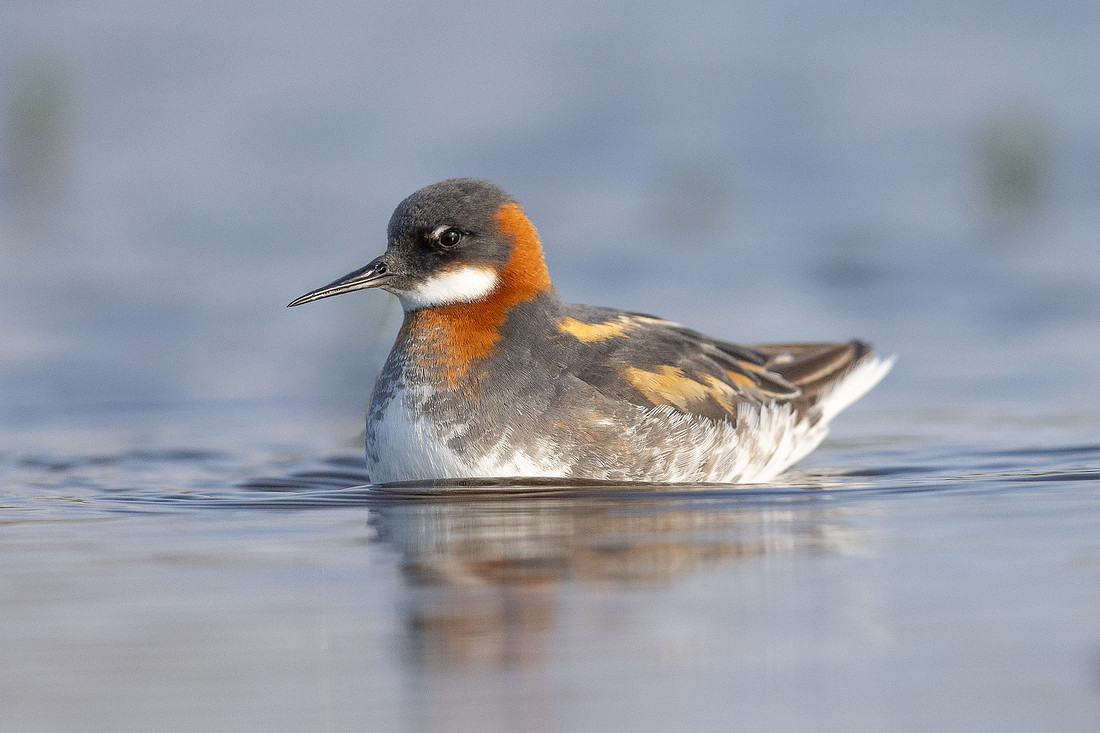 Red-necked Phalarope, Vadsoya Island, Norway, June 2025
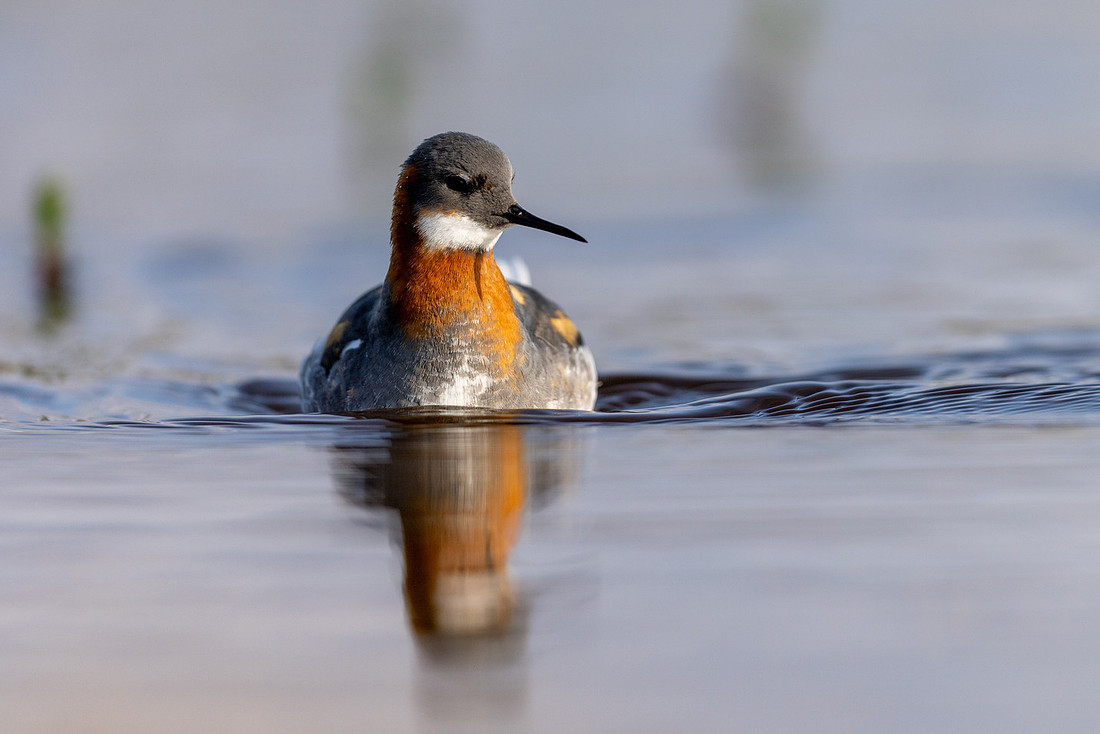 Red-necked Phalarope, Vadsoya Island, Norway, June 2025
Then one male stepped out of the water just a few metres away and purposefully headed inland. He walked directly towards a patch of long grass around ten metres from the shoreline. Adrian quickly picked up on the behaviour and soon located the nest hidden within a grassy tussock. Inside were four tiny eggs. As we photographed the nest, the male returned. Despite us being less than two metres away, he calmly walked past, fluffed up his feathers, and settled straight back onto the eggs. It was an extraordinary privilege to watch such trust and dedication at such close range.
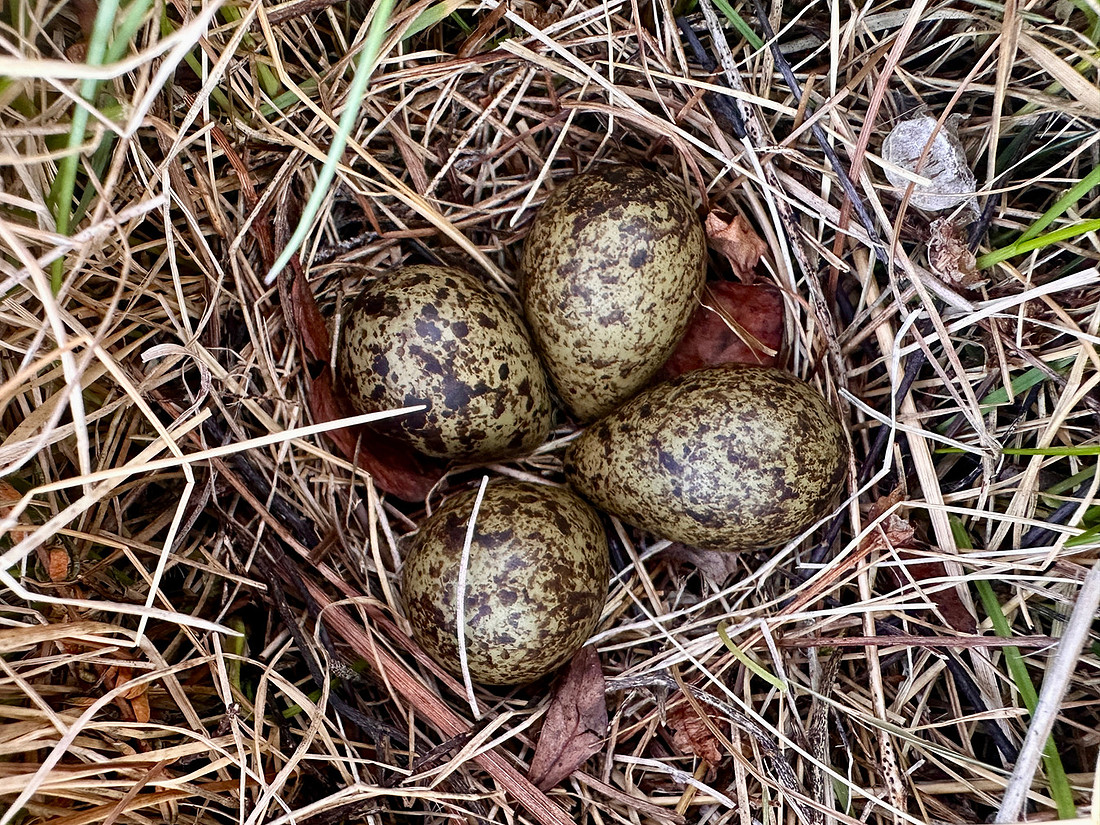 Red-necked Phalarope, Vadsoya Island, Norway, June 2025
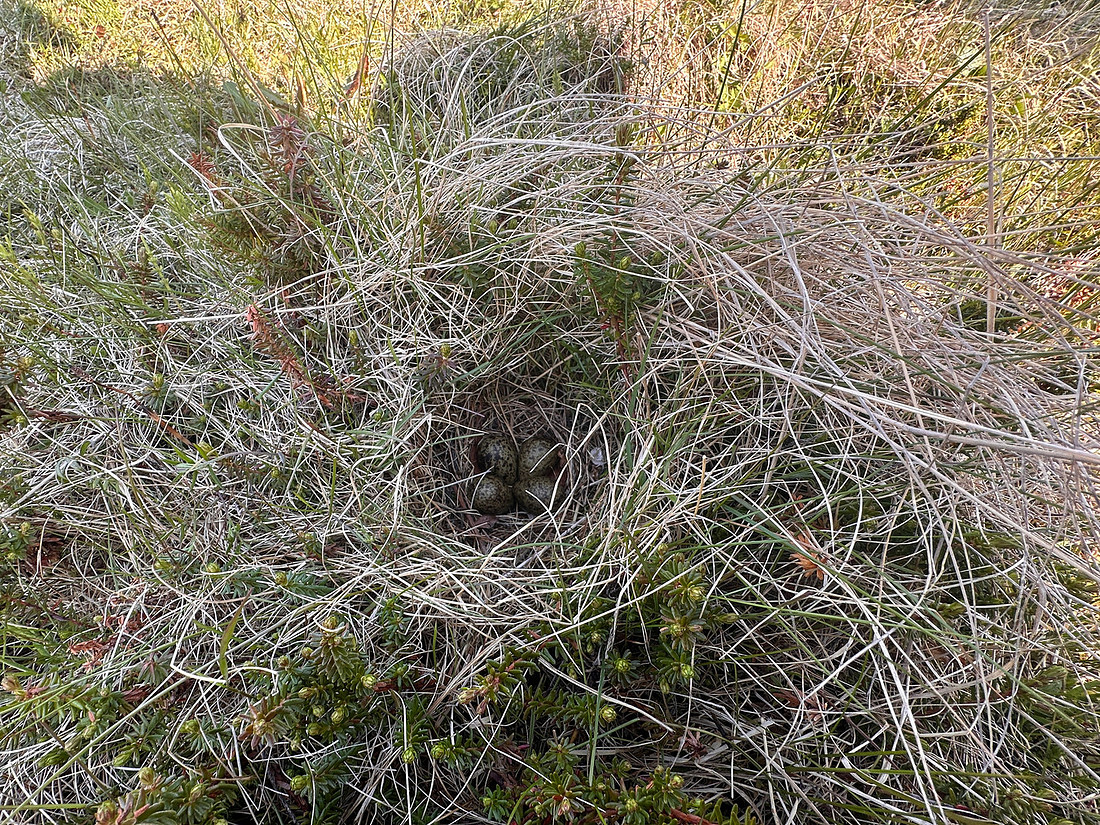 Red-necked Phalarope, Vadsoya Island, Norway, June 2025
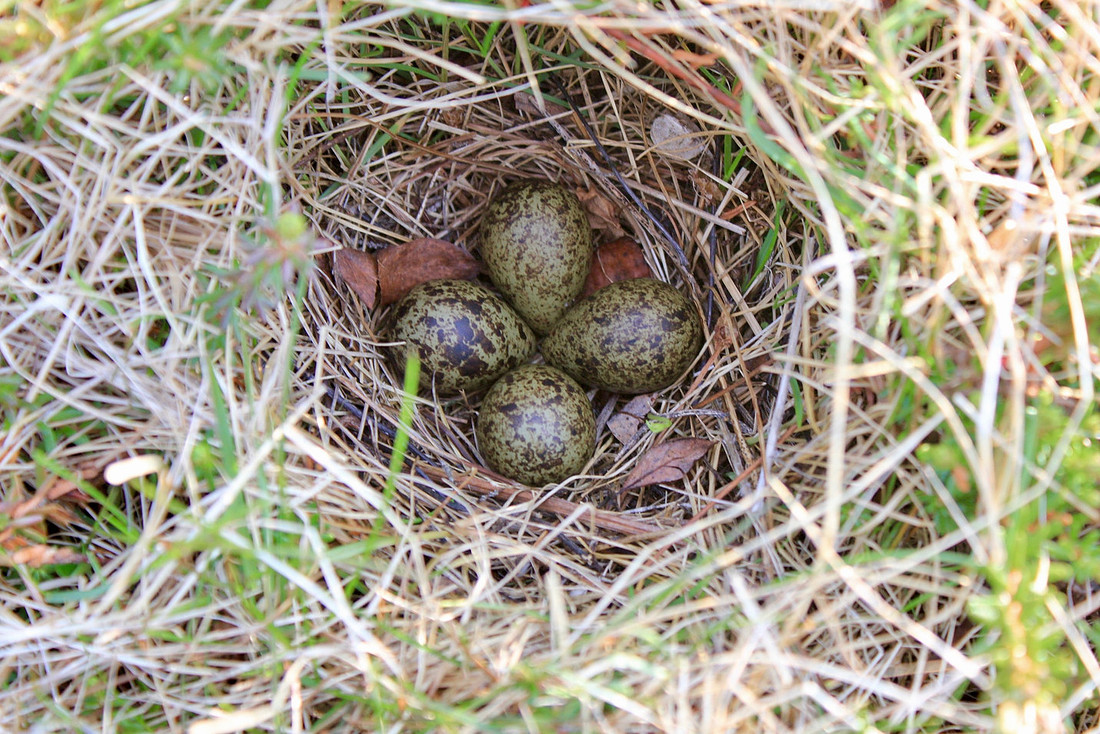 Red-necked Phalarope, Vadsoya Island, Norway, June 2025
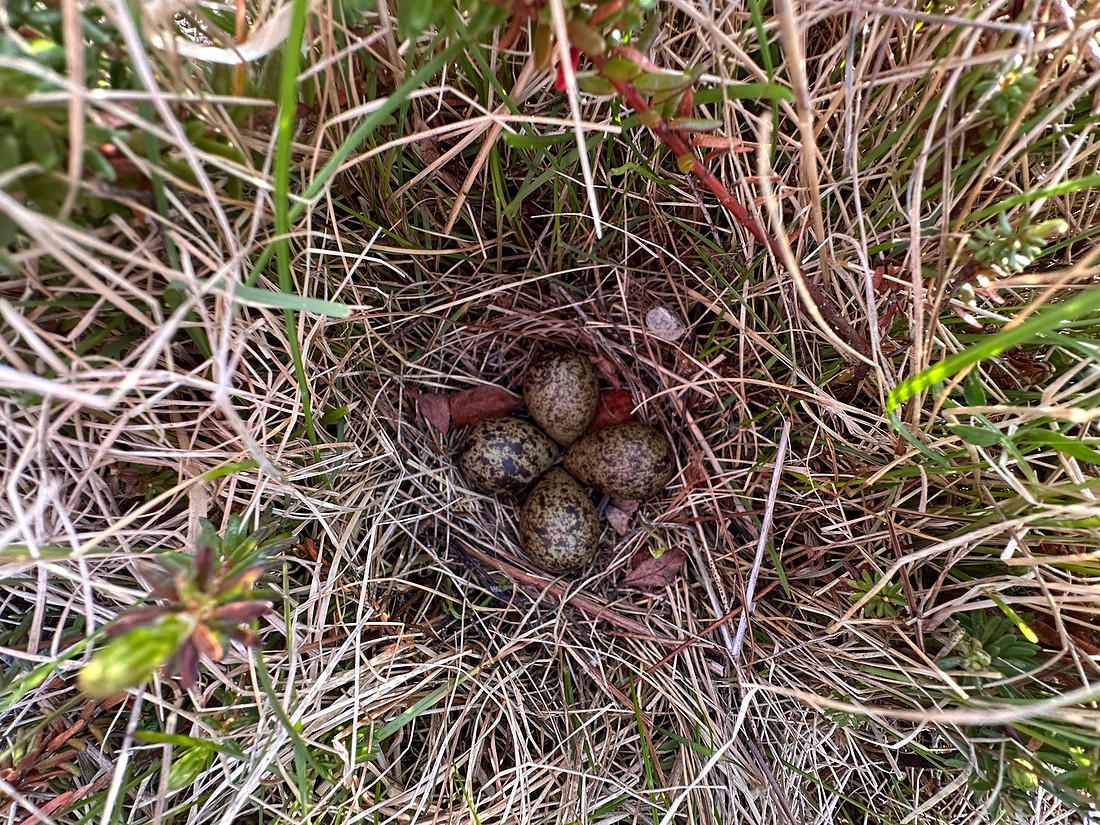 Red-necked Phalarope, Vadsoya Island, Norway, June 2025
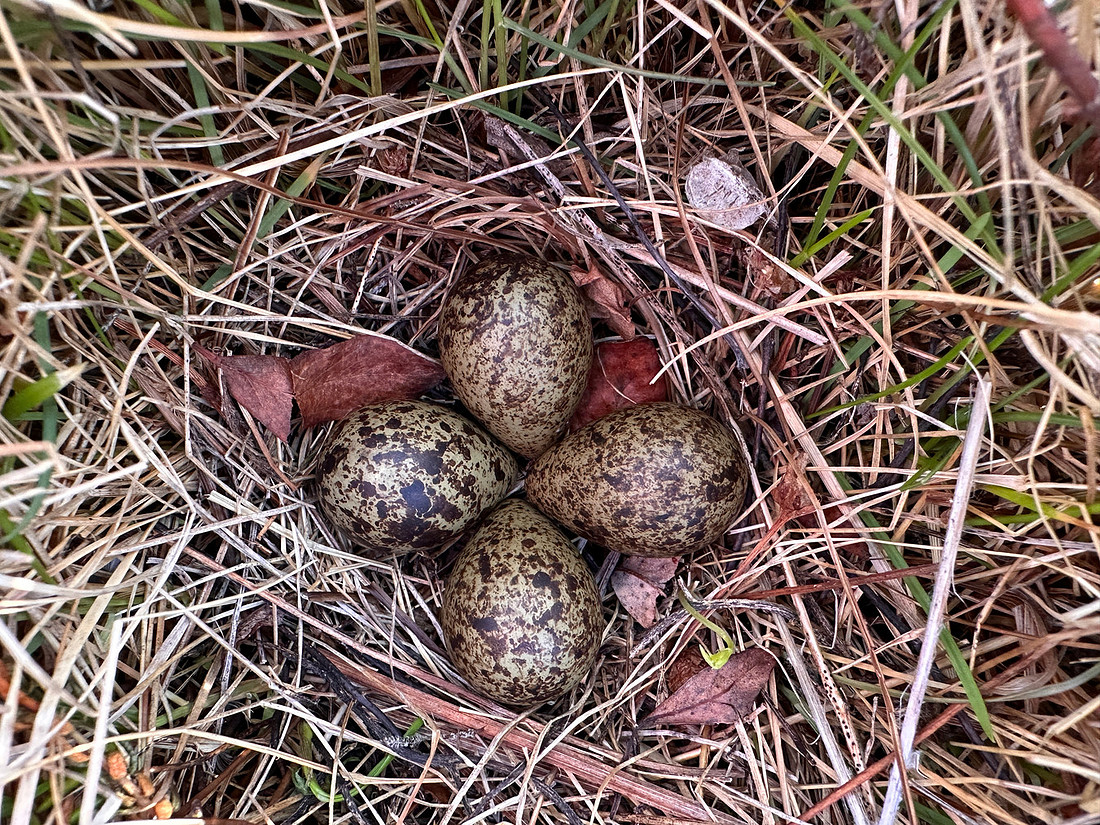 Red-necked Phalarope, Vadsoya Island, Norway, June 2025
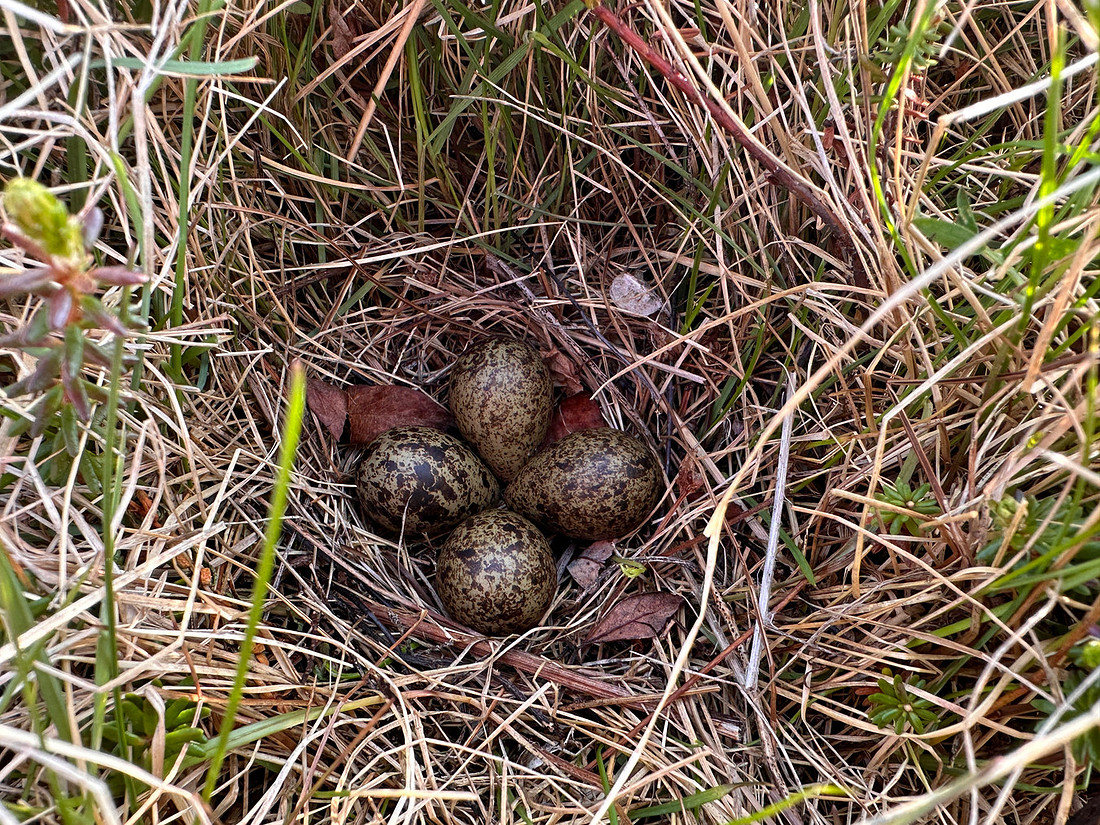 Red-necked Phalarope, Vadsoya Island, Norway, June 2025
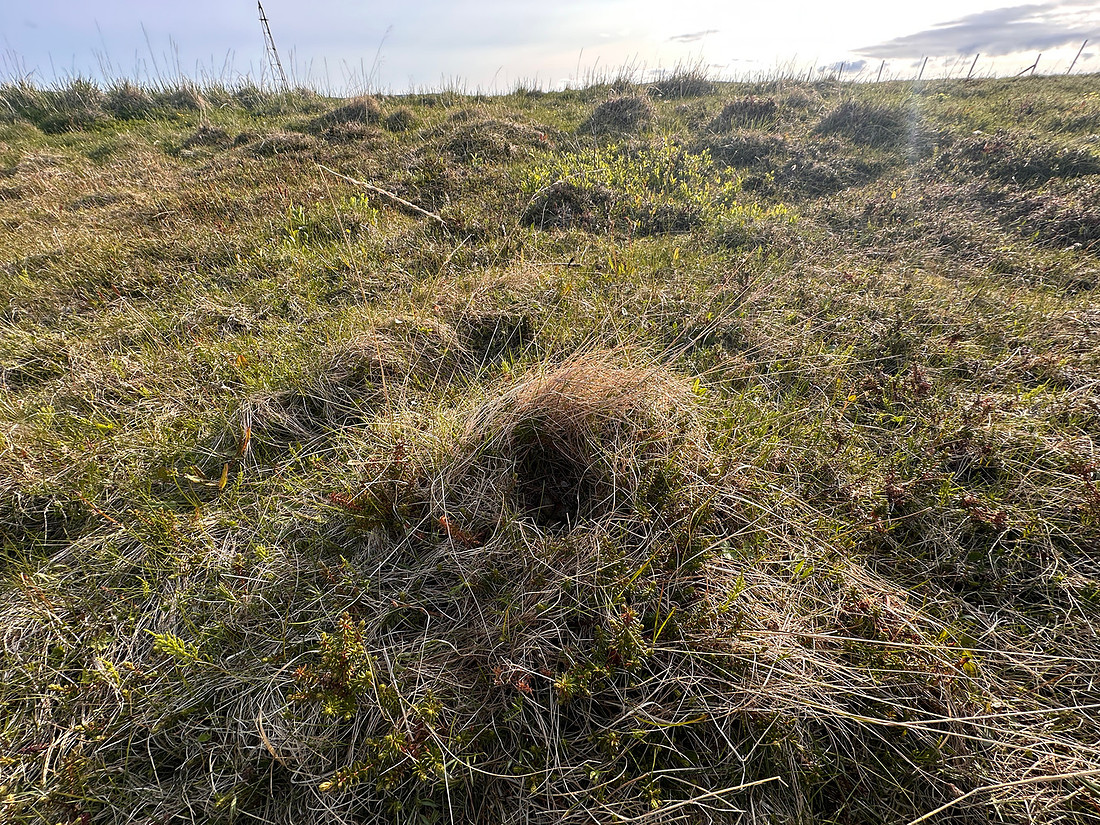 Red-necked Phalarope, Vadsoya Island, Norway, June 2025
By mid-morning, it was time to continue our journey further along the coast, eager to see what the next stretch of Arctic Norway had in store. We continued along the E75 towards Vardo. First stop was a location we had visited in 2023 and had great success especially with Temmincks Stint with 4 nest located that year. They are highly notable for being polygamous, females typically lay two separate clutches in quick succession—incubating one themselves while leaving the first to be raised by a different male. The area is a coastal river delta with a some barren sandy areas great habitat for these tiny little waders.
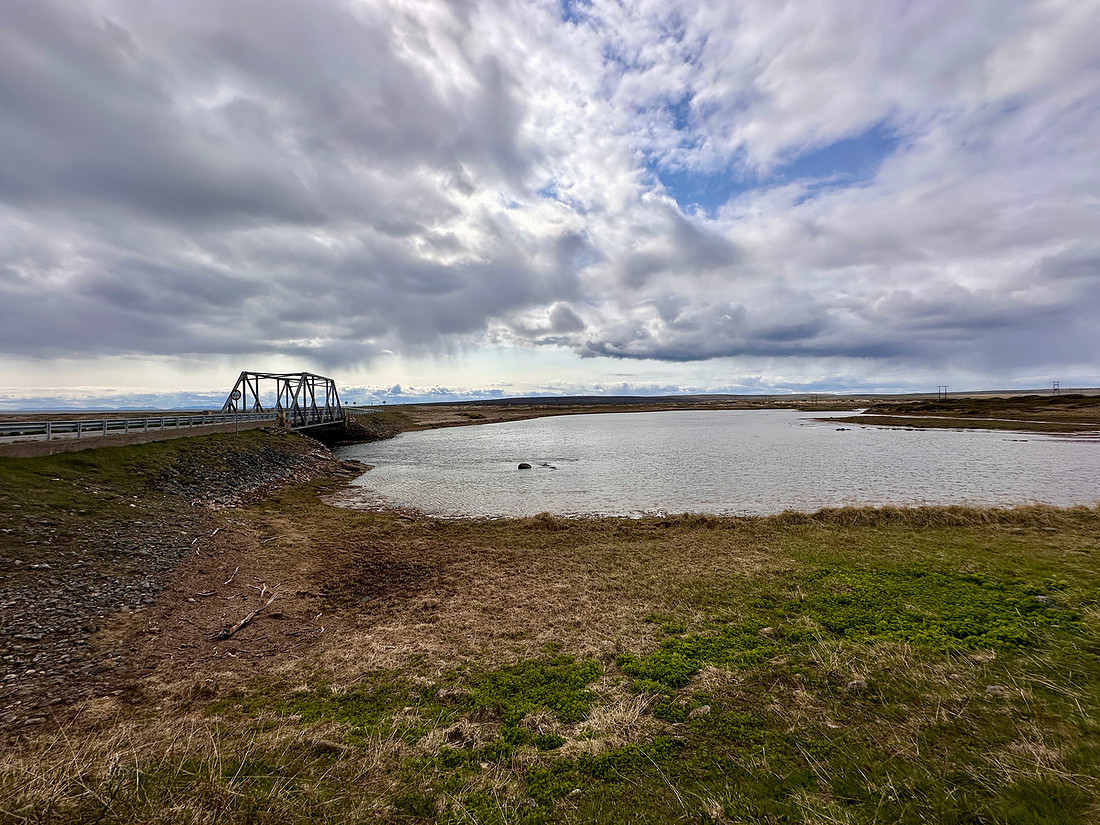
Skallelv, Norway, June 2025
Skallelv, Norway, June 2025
Skallelv, Norway, June 2025
We set off on foot towards the spot where we had found our first nest in 2023. It wasn't long before Adrian flushed a bird from its nest, revealing a beautifully marked clutch of four eggs. As I knelt down to photograph the nest, I suddenly realised I was being feasted on by the local flies. In the few minutes I spent there, I was bitten countless times on the exposed skin around my ankles and wrists. The bites were incredibly itchy, but it was a small price to pay for such a rewarding find.
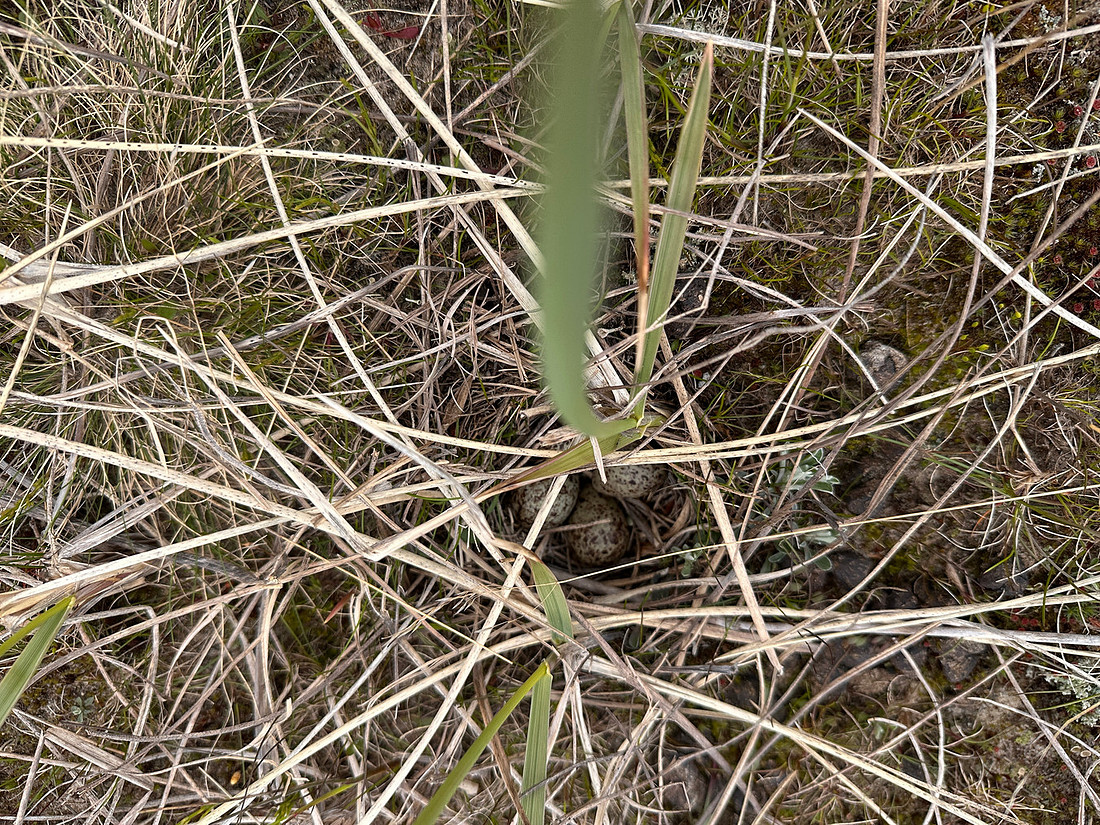 Temmincks Stint, Skallelv, Norway, June 2025
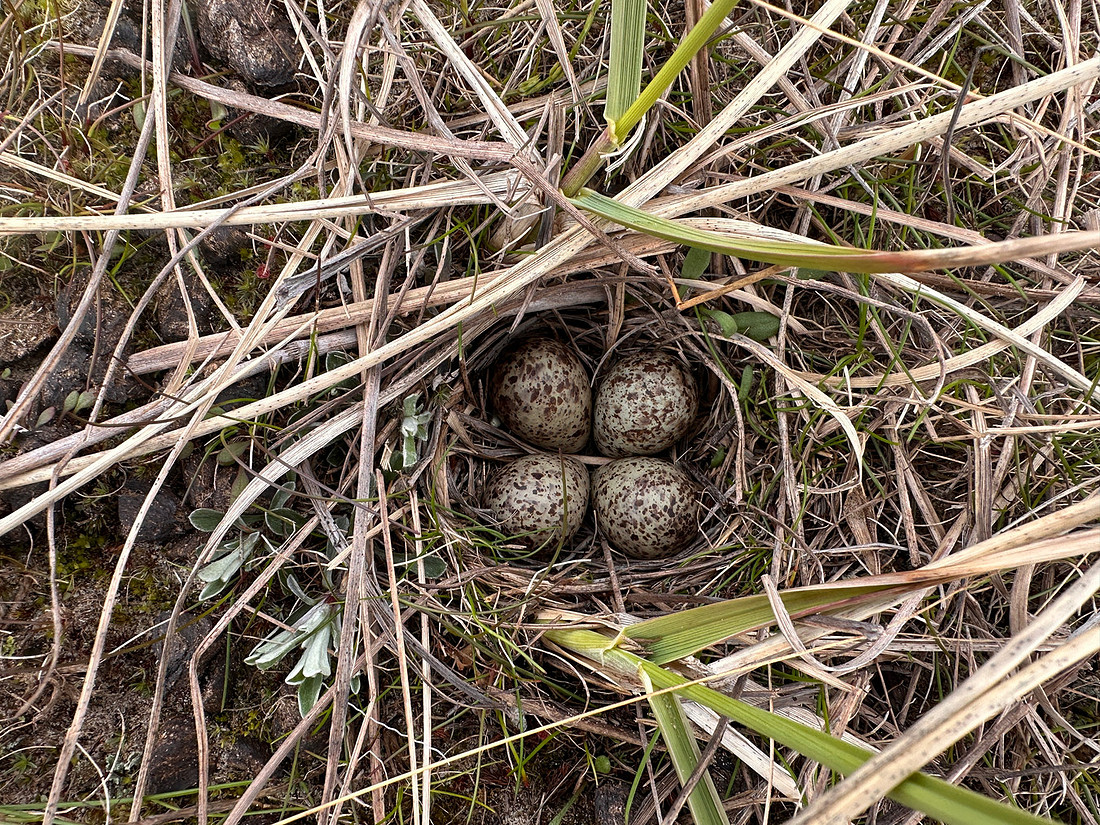 Temmincks Stint, Skallelv, Norway, June 2025
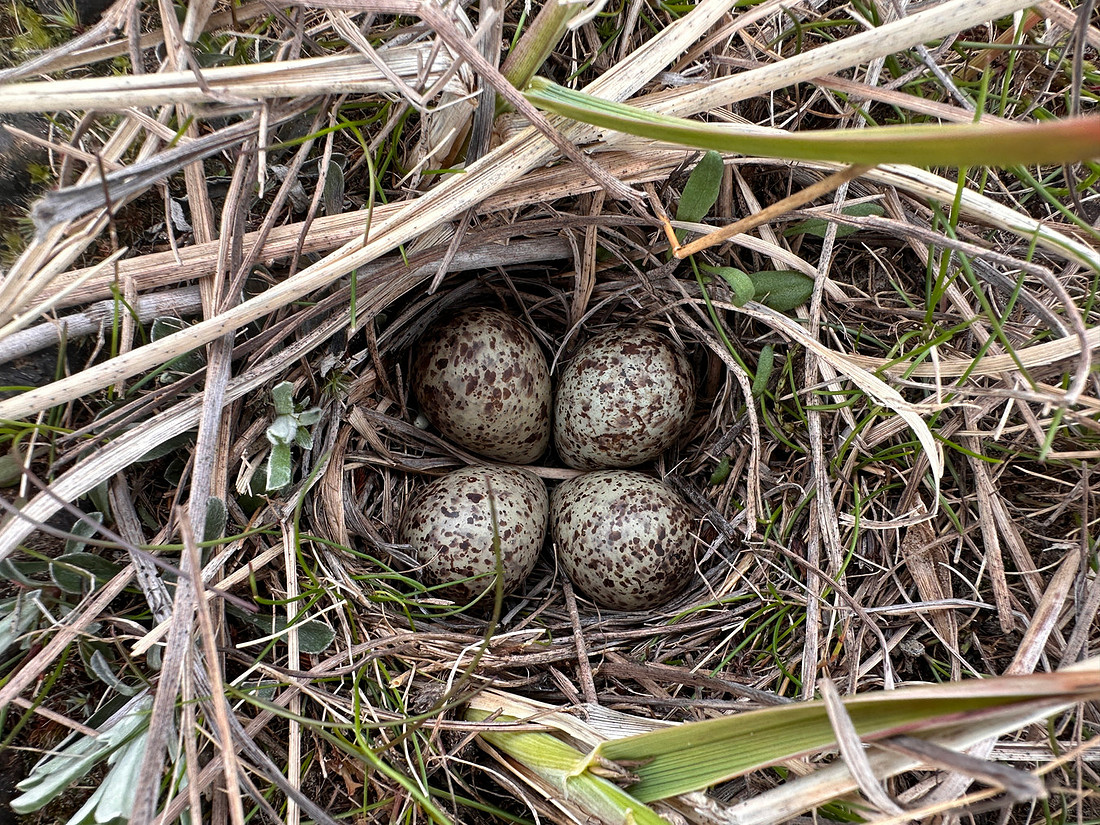 Temmincks Stint, Skallelv, Norway, June 2025
A close fly over of a White-tailed Eagle gave some nice photography opportunities. They are everywhere but not often close enough for semi decent photos and normally seen as you drive along the coast.
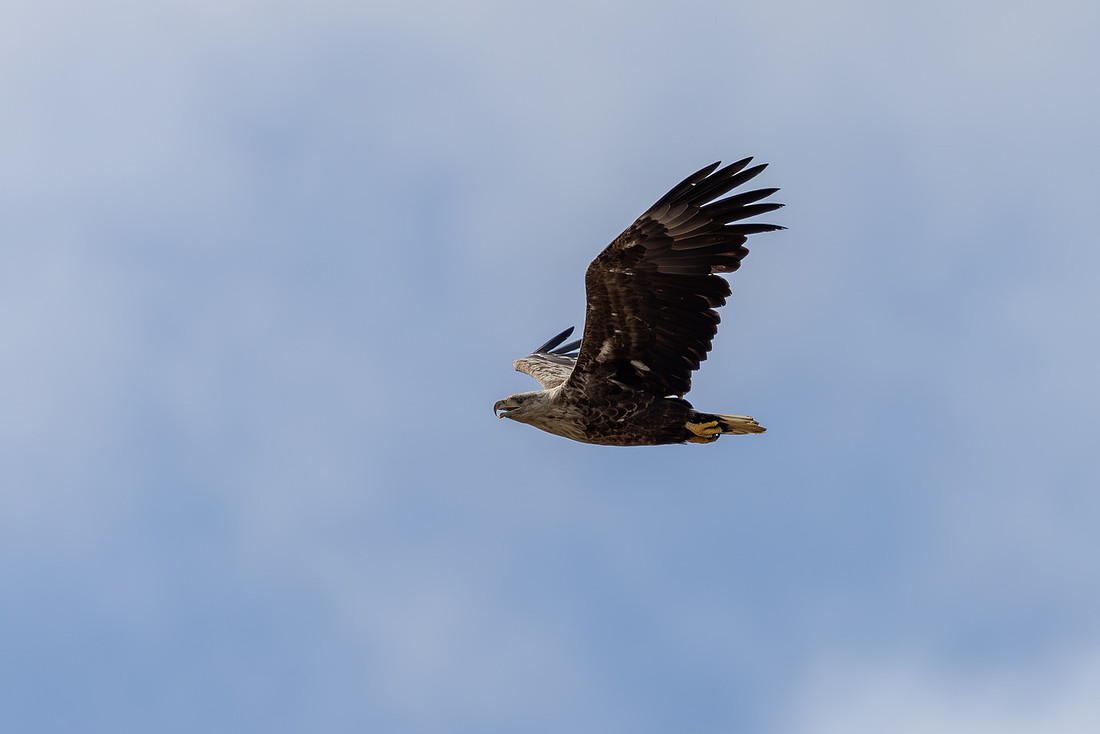 White-tailed Eagle, Skallelv, Norway, June 2025
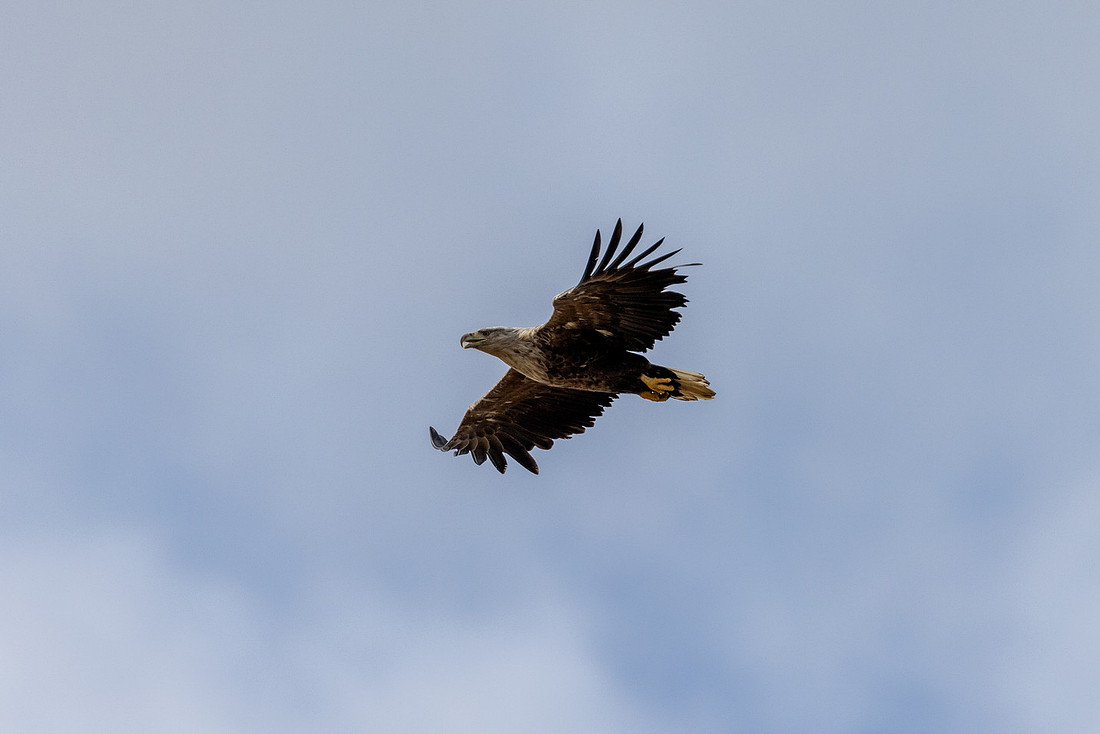 White-tailed Eagle, Skallelv, Norway, June 2025
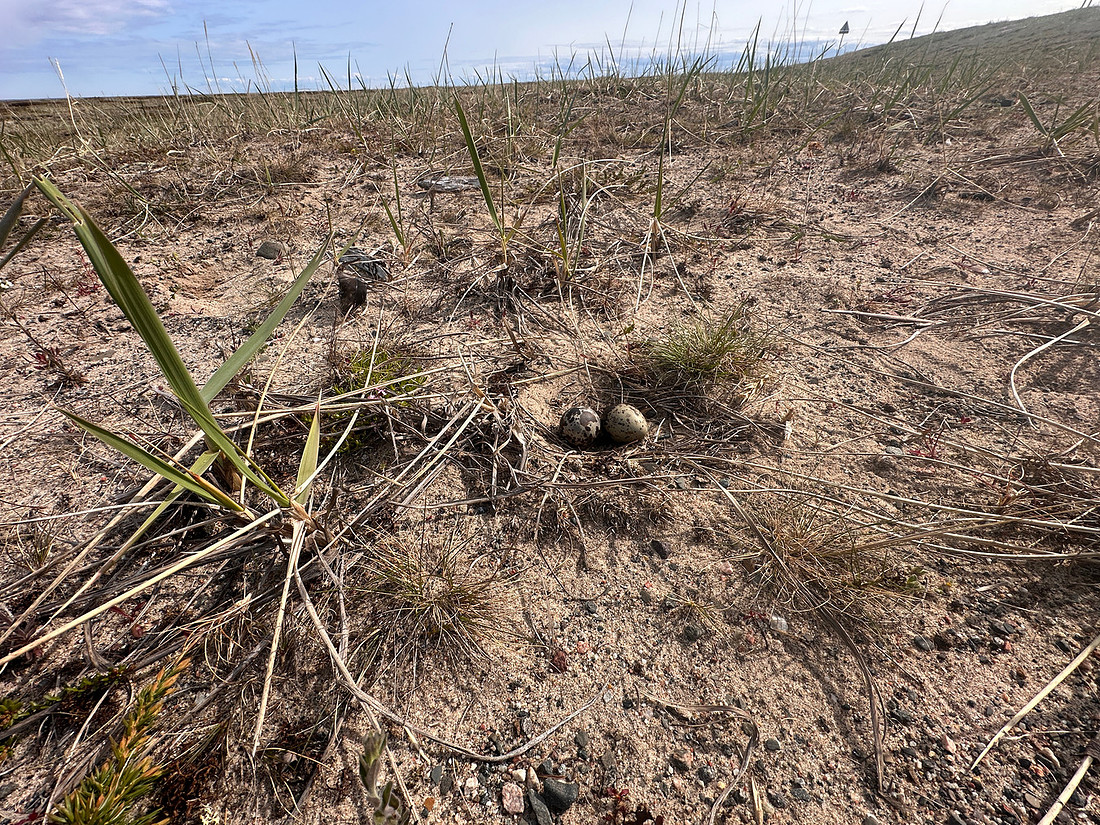
We crossed the E75 to the coastal side and resumed our search. This area had been particularly productive in 2023, when we found nests of a Tundra Ringed Plover, an Arctic Tern, and another Temminck's Stint. Although there were no Temminck's Stints to be found this time, we did discover another Tundra Ringed Plover in almost exactly the same location as two years earlier. The Tundra Ringed Plover (Charadrius hiaticula tundrae) is a distinct Arctic-breeding race of the Common Ringed Plover which breeds along the Arctic coasts, of northern Scandinavia and into Russia. We know this because we record every nest we find using the What3Words app, allowing us to pinpoint previous nesting sites with remarkable accuracy. You might notice the eggs are marked with lines this could be some kind of scientific project or a level of protection against egg collectors that are rumoured to be targeting this area.
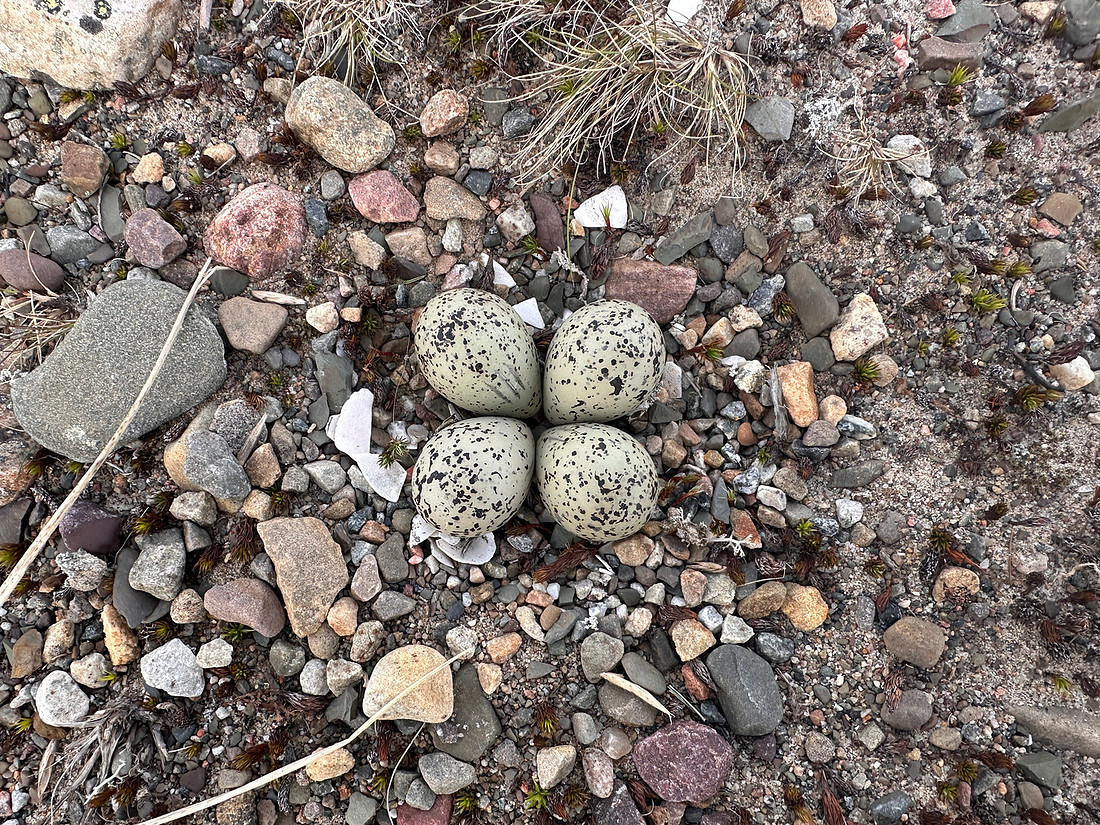 Tundra Ringed Plover, Skallelv, Norway, June 2025
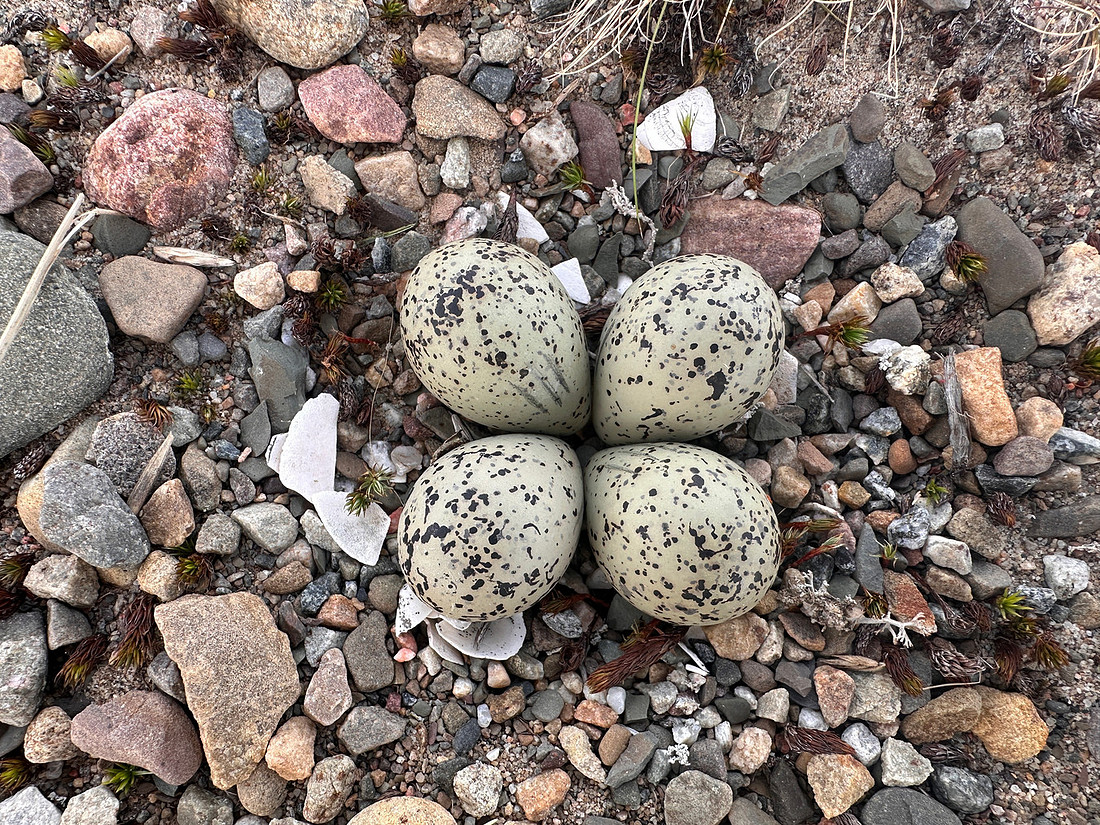 Tundra Ringed Plover, Skallelv, Norway, June 2025
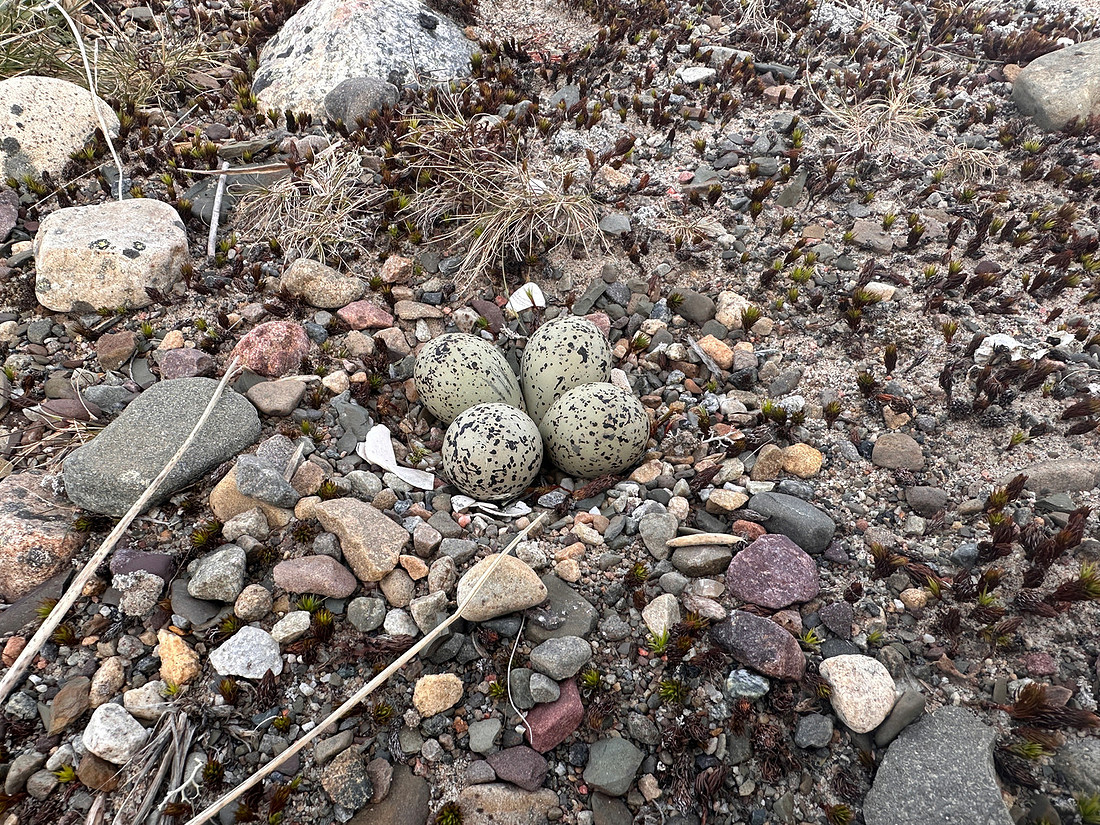 Tundra Ringed Plover, Skallelv, Norway, June 2025
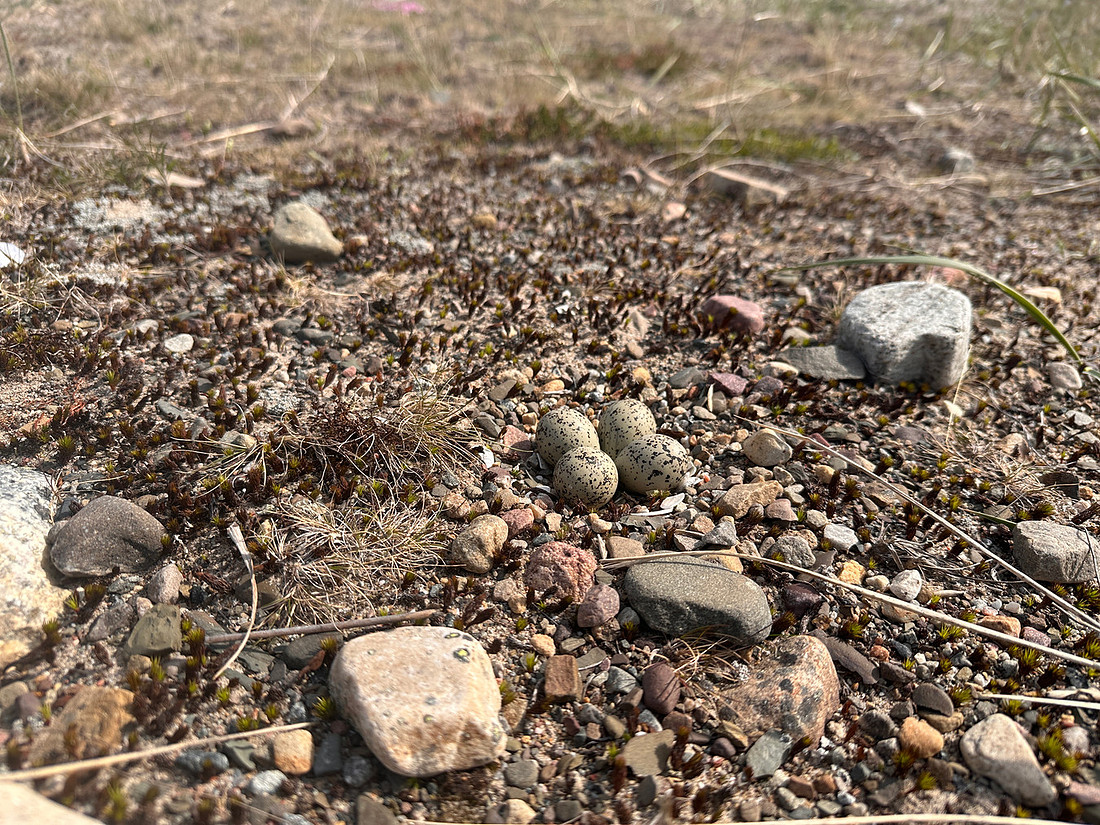 Tundra Ringed Plover, Skallelv, Norway, June 2025
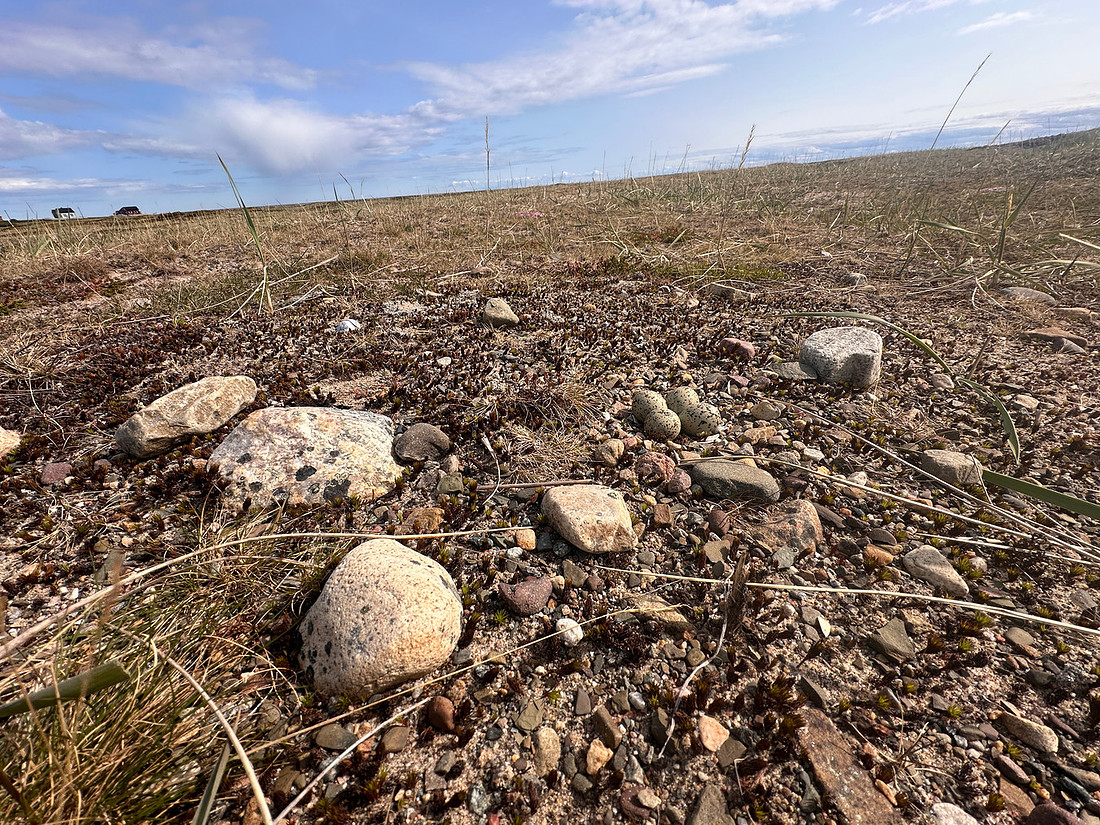 Tundra Ringed Plover, Skallelv, Norway, June 2025
The Arctic Tern was also occupying virtually the same territory. Sadly, this was the only Arctic Tern we found. In 2023 there had been at least ten breeding pairs here, so the dramatic decline was impossible to ignore. It may well be another consequence of the recent avian influenza outbreak, which has had a devastating impact on many seabird populations.
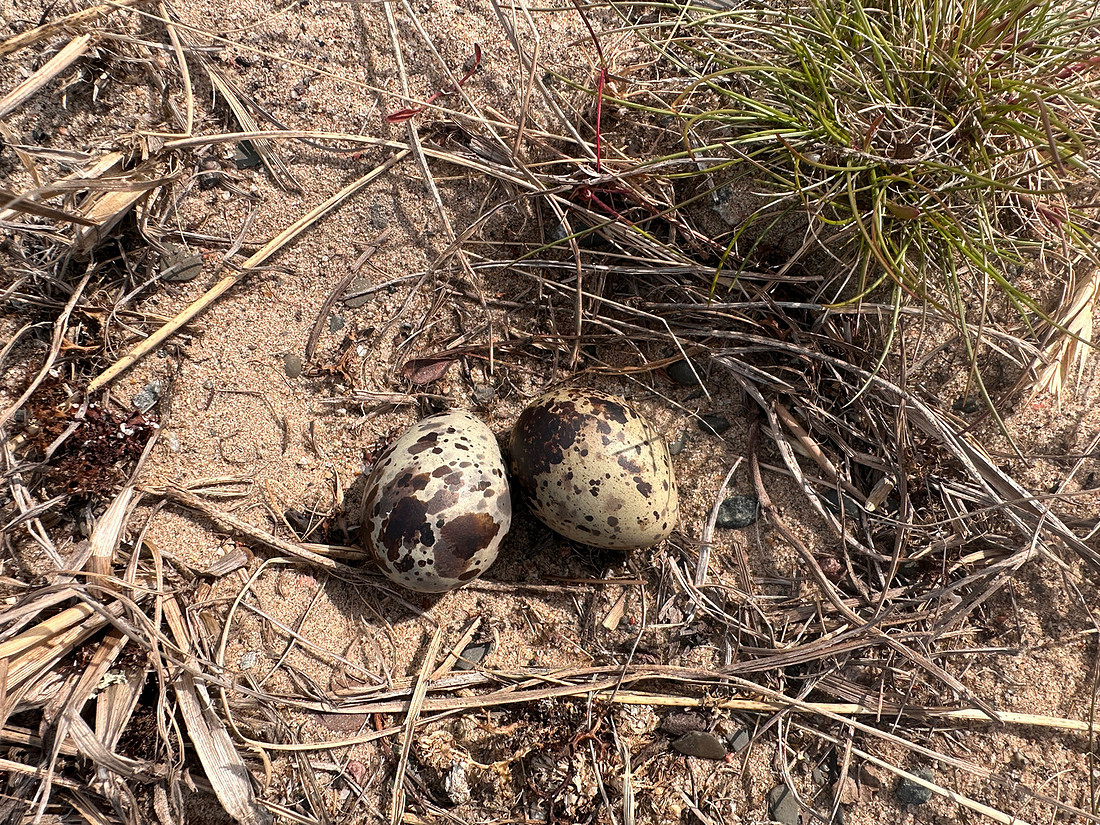 Arctic Tern, Skallelv, Norway, June 2025
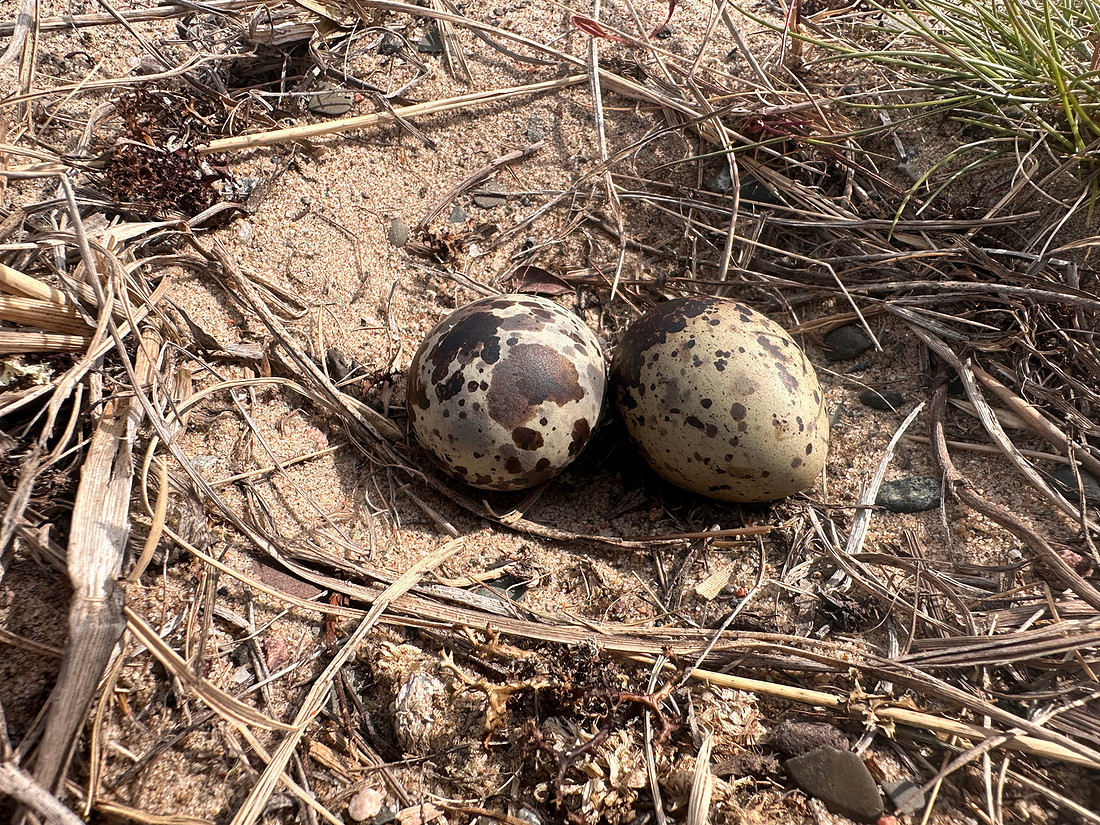 Arctic Tern, Skallelv, Norway, June 2025
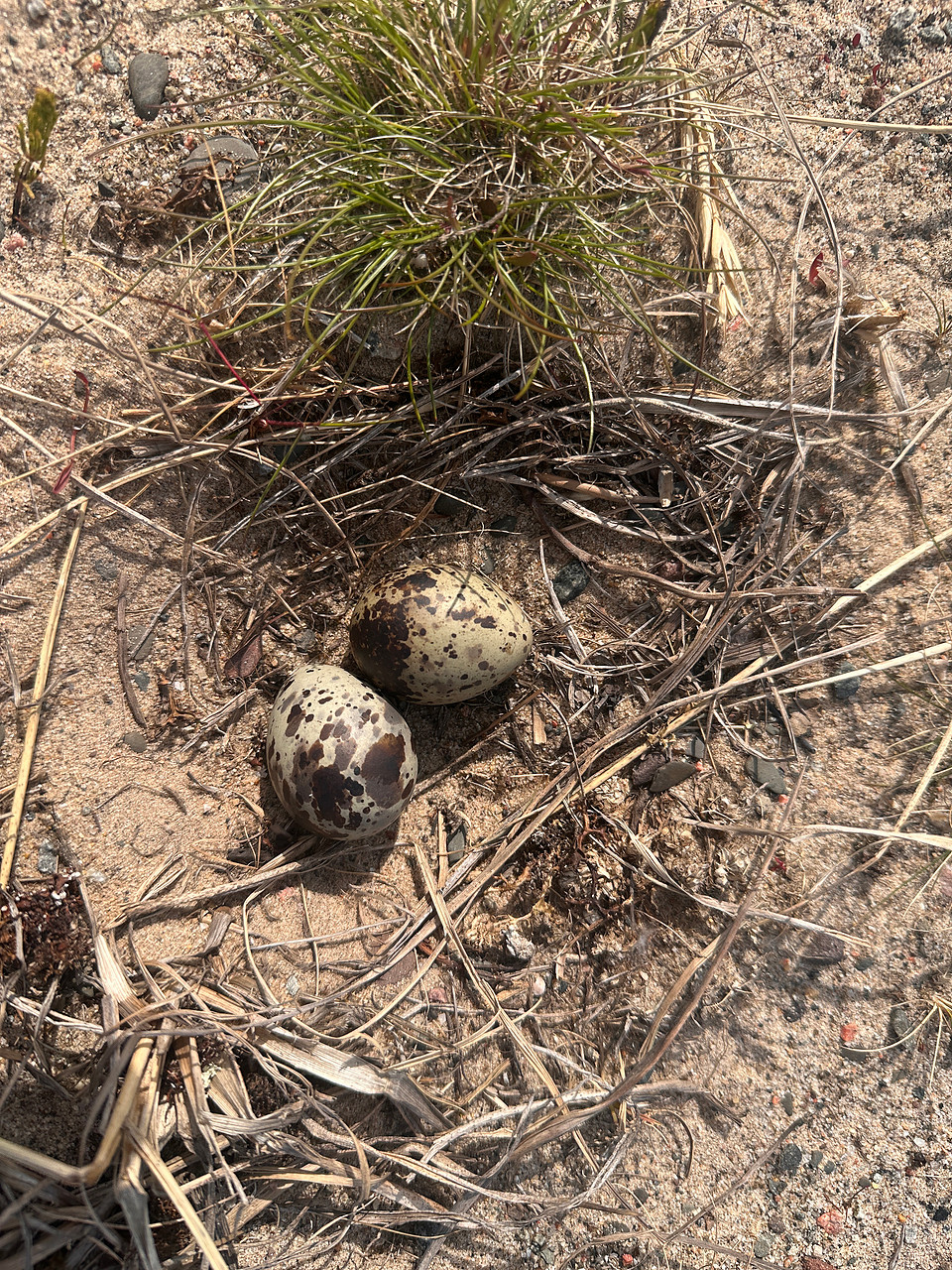 Arctic Tern, Skallelv, Norway, June 2025
 Arctic Tern, Skallelv, Norway, June 2025
One final point of interest was the discovery of the shell of a Common Redshank egg, a small but intriguing reminder of the breeding activity taking place across these coastal wetlands. A nest I have yet to come across on my travels. Pretty shocking that I have seen more Purple Sandpiper nests than I have Common Redshanks.
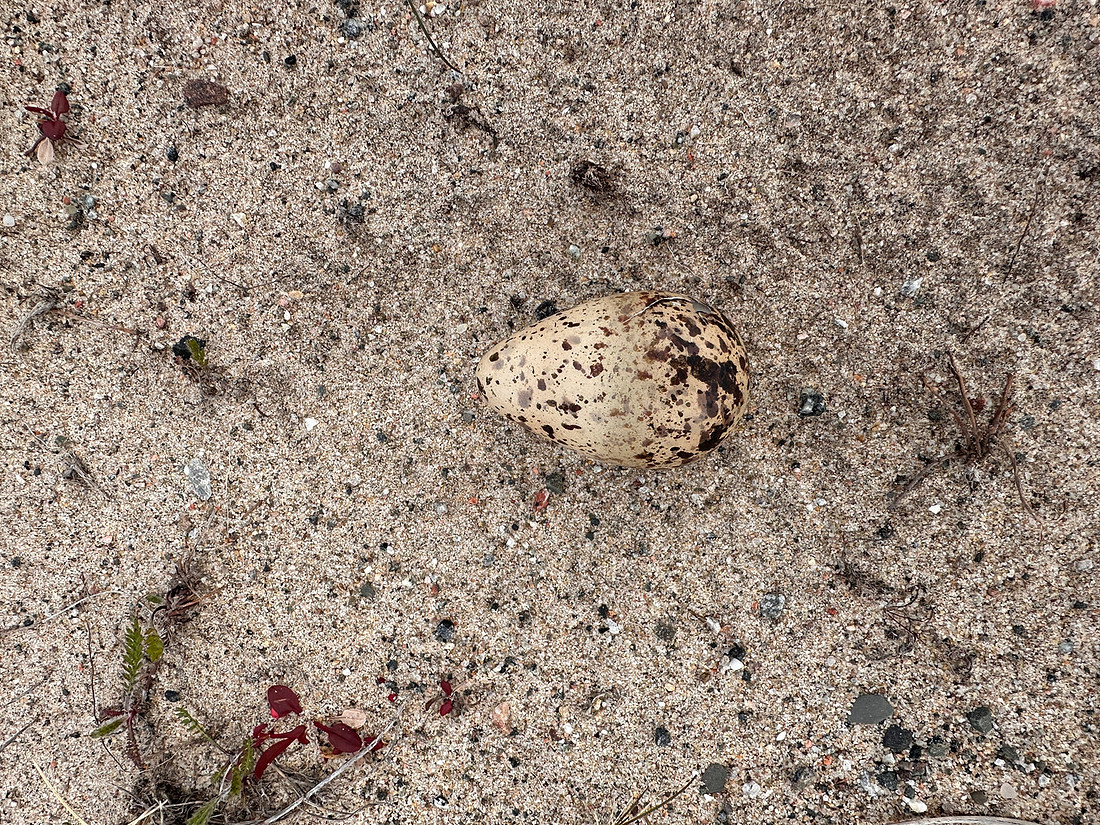 Redshank, Skallelv, Norway, June 2025
The drone footage below provides a bird's-eye view of the coastal habitat favoured by Temminck's Stints for breeding. The road visible is the E75, which passes through the small coastal village of Skallelv before crossing the River Skallelva. The river flows through the village and into the Barents Sea, creating a rich mosaic of shingle banks, wet meadows and estuarine habitat that supports a diverse range of breeding and migrating birds. From above, it is easy to appreciate why this area is such an important refuge for Arctic wildlife.
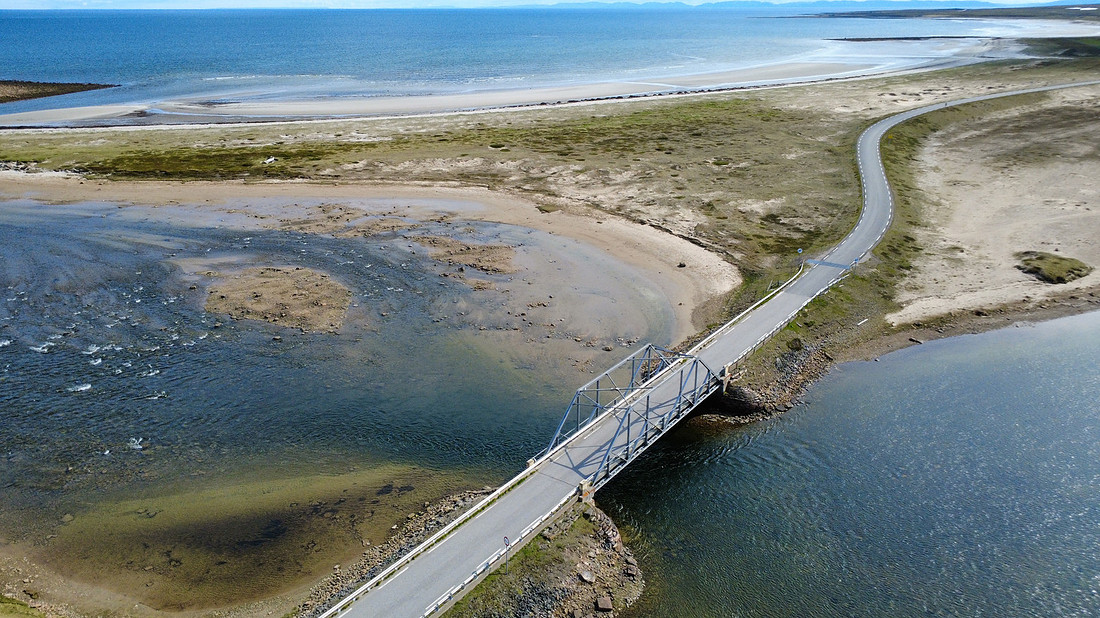 Skallelv, Norway, June 2025
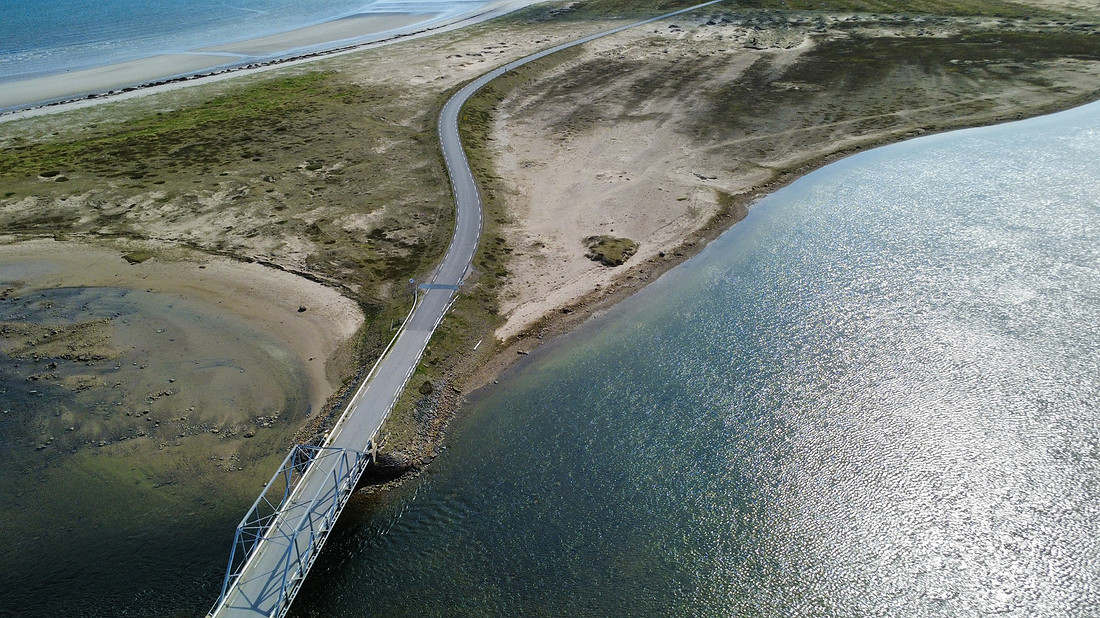 Skallelv, Norway, June 2025
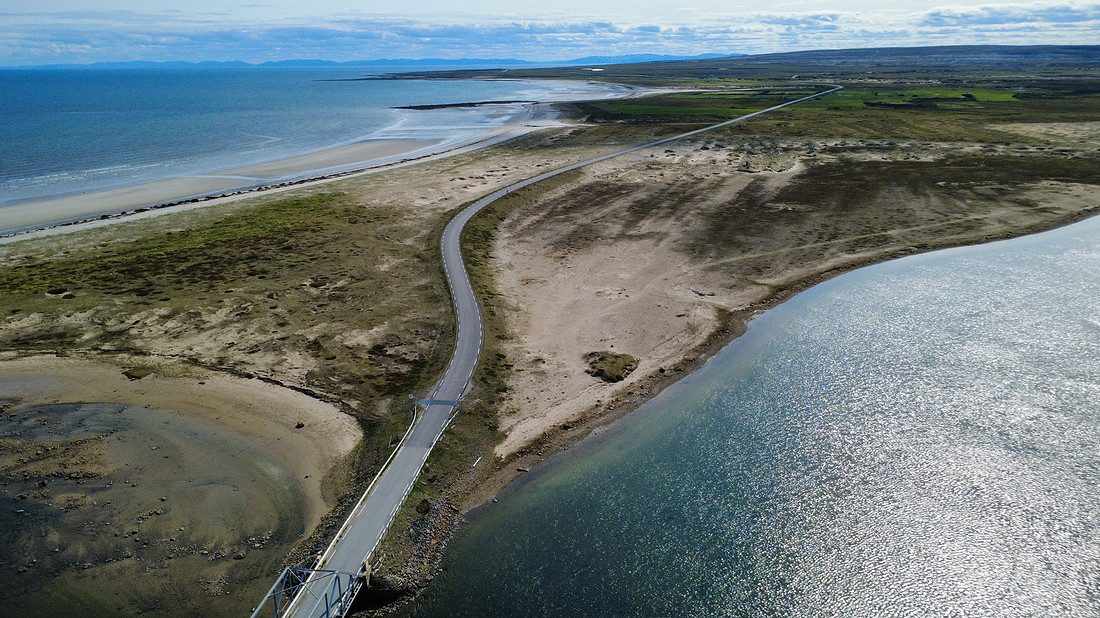 Skallelv, Norway, June 2025
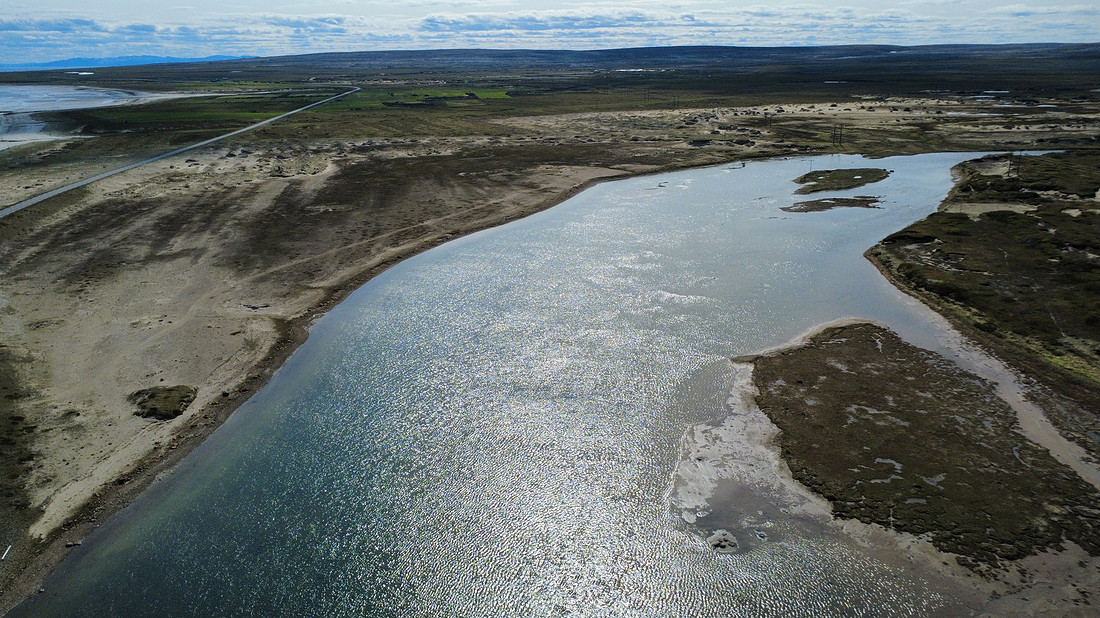 Skallelv, Norway, June 2025
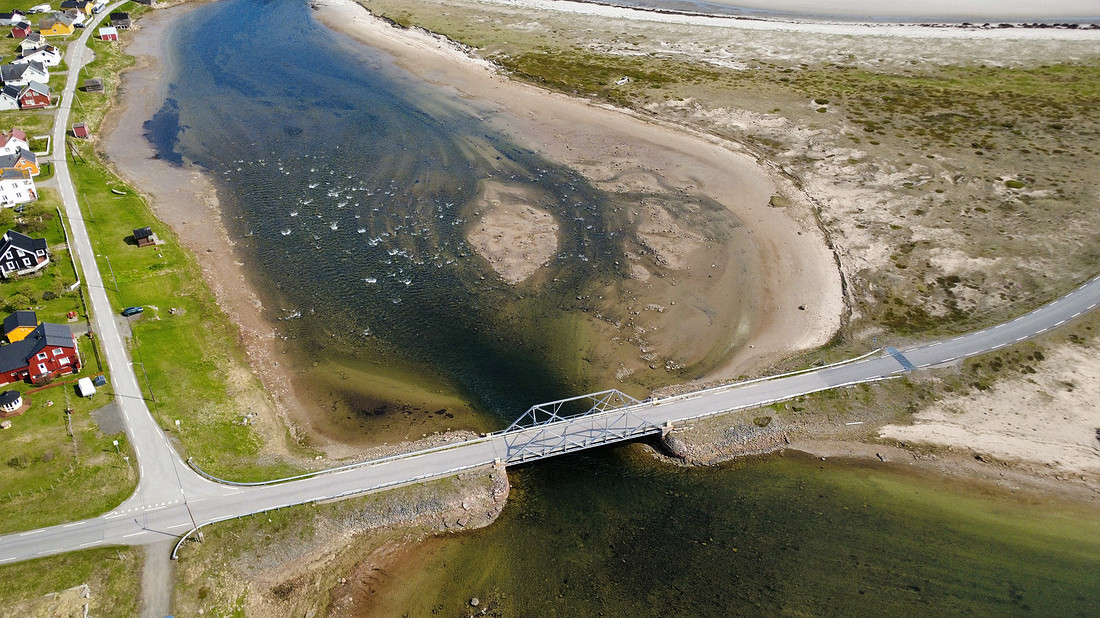 Skallelv, Norway, June 2025
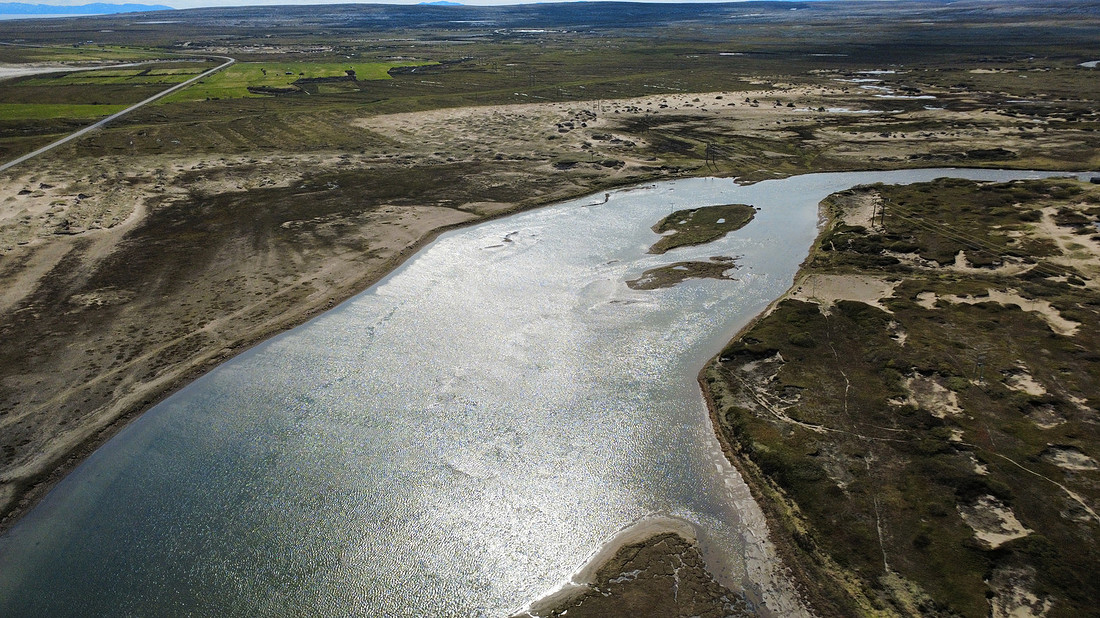 Skallelv, Norway, June 2025
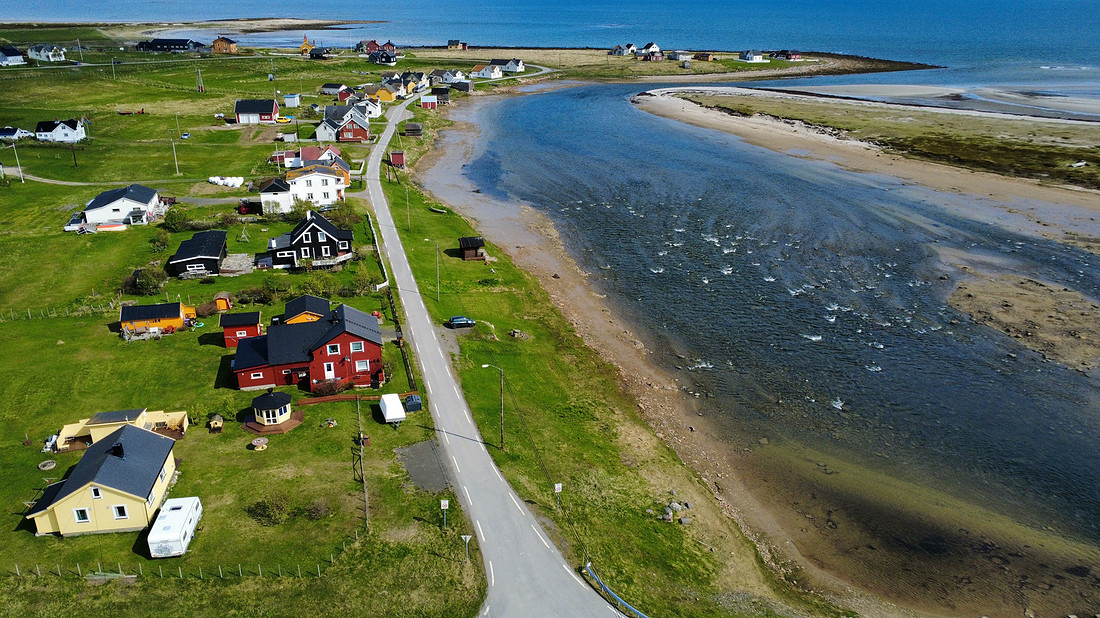 Skallelv, Norway, June 2025
A few hours around Skallelv and we were back on the E75 our last stop was going to be an area called Komagværstranda a Nature Reserve of tundra and wet bogs. We followed a rough track for several miles heading further into the tundra we saw plenty of birds on the way up including some feeding Ruff that I filmed from the car with my phone.
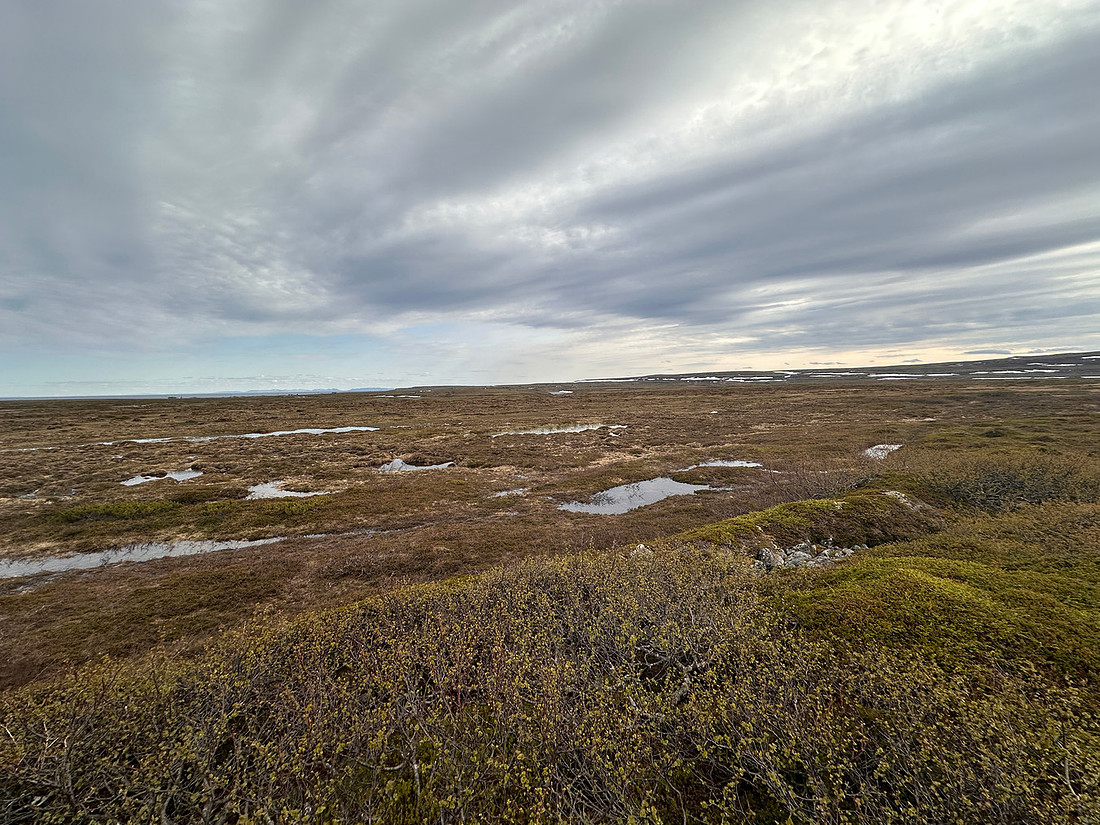 Komagværstranda Nature Reserve, Norway, June 2025
Ruff, Komagværstranda, Norway, June 2025
Our targets here were the numerous wading birds that call this expansive area of Tundra home but mainly the Bar-tailed Godwit. We haven't had much with Godwits over the years durning a blank in 2023 with the bar-tailed and no Black-tailed Godwits on 2 trip to Iceland. We felt our luck was to change with nest being record in this area in previous years. No sooner had we left the car and we were onto a pair of Bluethroats which like the others before them that did a bunk and weren't seen again.
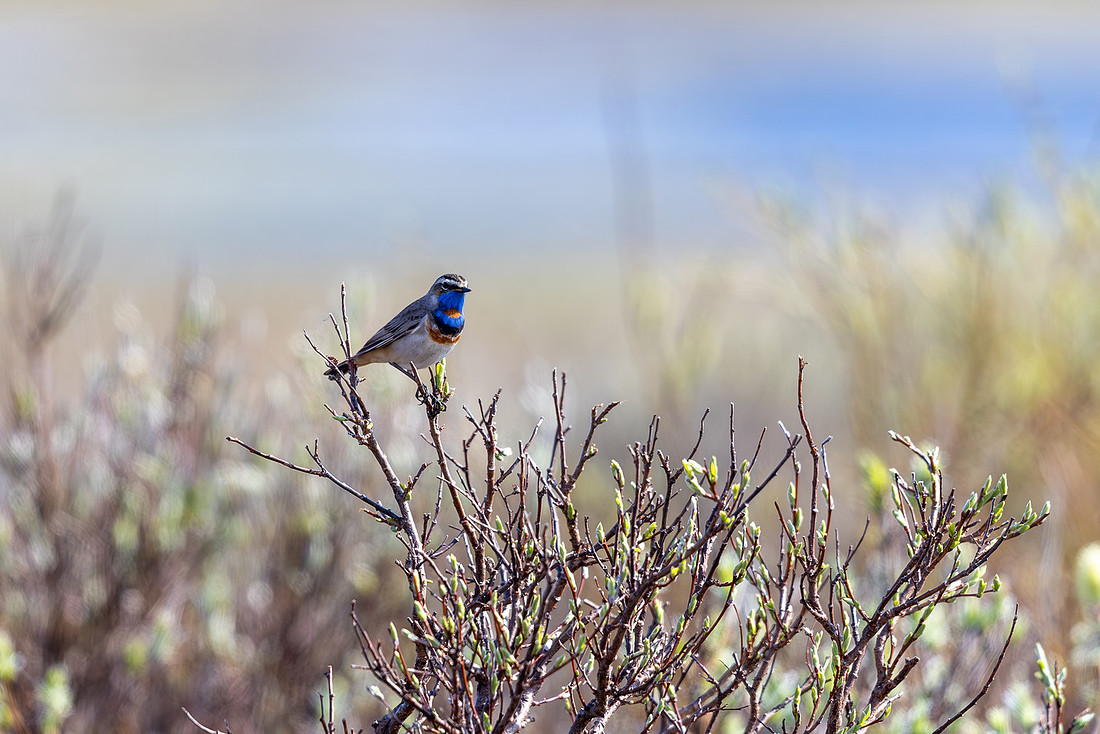 Bluethroat, Komagværstranda, Norway, June 2025
We walked across the dry Tundra occasionally coming across wet areas of bogs. I didn't have my waders on but went in anyway wrecking my shoes in the process a casualty of the trip. Like the bogs of Karigasniemi they weren't to deep but you just had to take care with every step. A few waders were heard alongside a couple of singing male Lapland Buntings.
Lapland Bunting, Komagværstranda, Norway, June 2025
We soon came across the first nest from this area not a new one for the trip but a celebrated find. It was our 3rd Ruff and another beautiful nest. Again like all the waders we had found so far it was on a dry patch with a Dwarf birch growing right next to the nest site. Many waders nesting on Arctic bogs use areas close to dwarf birch, but the relationship is a balance rather than a strict preference. Different species choose slightly different microhabitats depending on their ecology. There are several reasons why dwarf birch can be attractive:
- Shelter from the elements. Even low-growing dwarf birch can reduce wind exposure, which is important in the cold, often harsh Arctic climate. A nest tucked beside a small shrub can provide a slightly warmer, more stable microclimate for eggs and chicks.
- Camouflage. The mix of birch stems, mosses, sedges, and lichens helps break up the outline of a sitting bird and its nest, making them harder for predators such as foxes, gulls, skuas, and corvids to detect.
- Access to food. Dwarf birch often grows where soils are slightly drier than the surrounding quaking bog but still support abundant insects. These areas can provide excellent foraging opportunities for adults and, later, for chicks.
- Suitable nesting substrate. Many waders avoid both the wettest pools and the driest ridges. The edges of dwarf birch patches often provide slightly raised hummocks that remain dry enough to keep eggs safe from flooding while still being close to productive feeding areas.
- Visibility. Most Arctic waders need to keep watch for predators. Low birch offers concealment without blocking the bird's view, allowing it to detect approaching danger while remaining hidden.
That said, not all species use dwarf birch in the same way. On the Finnish aapa mires it's common to find nests beside a single dwarf birch or willow bush because it provides just enough cover without sacrificing the open landscape these birds rely on. As a nest finder it pays to play close attention to isolated shrubs on raised hummocks, as they can be surprisingly productive places to search.
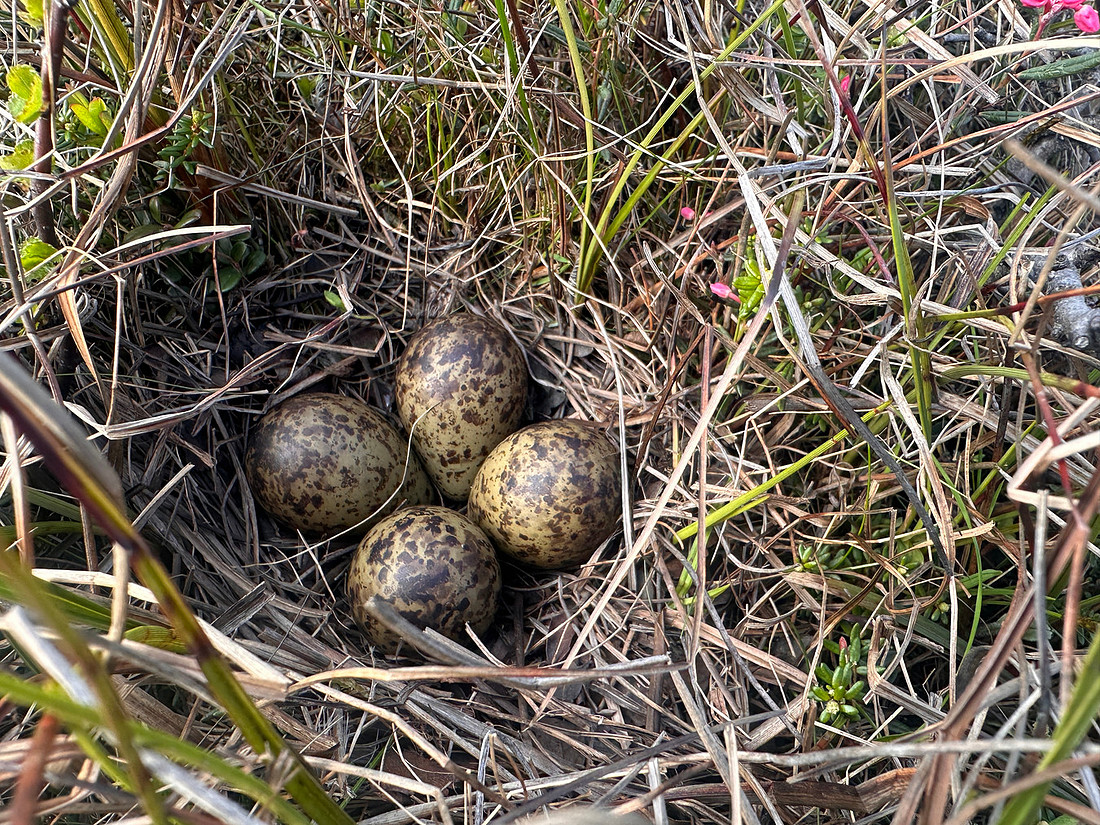 Ruff, Komagværstranda, Norway, June 2025
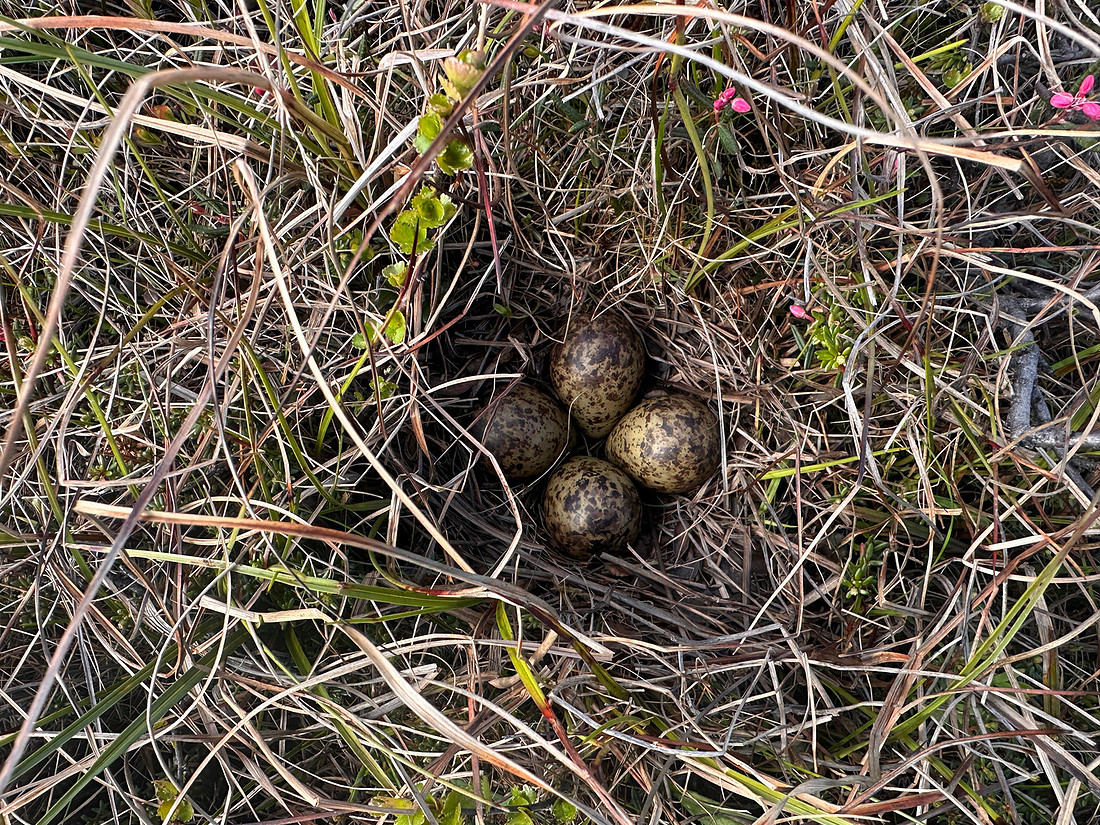 Ruff, Komagværstranda, Norway, June 2025
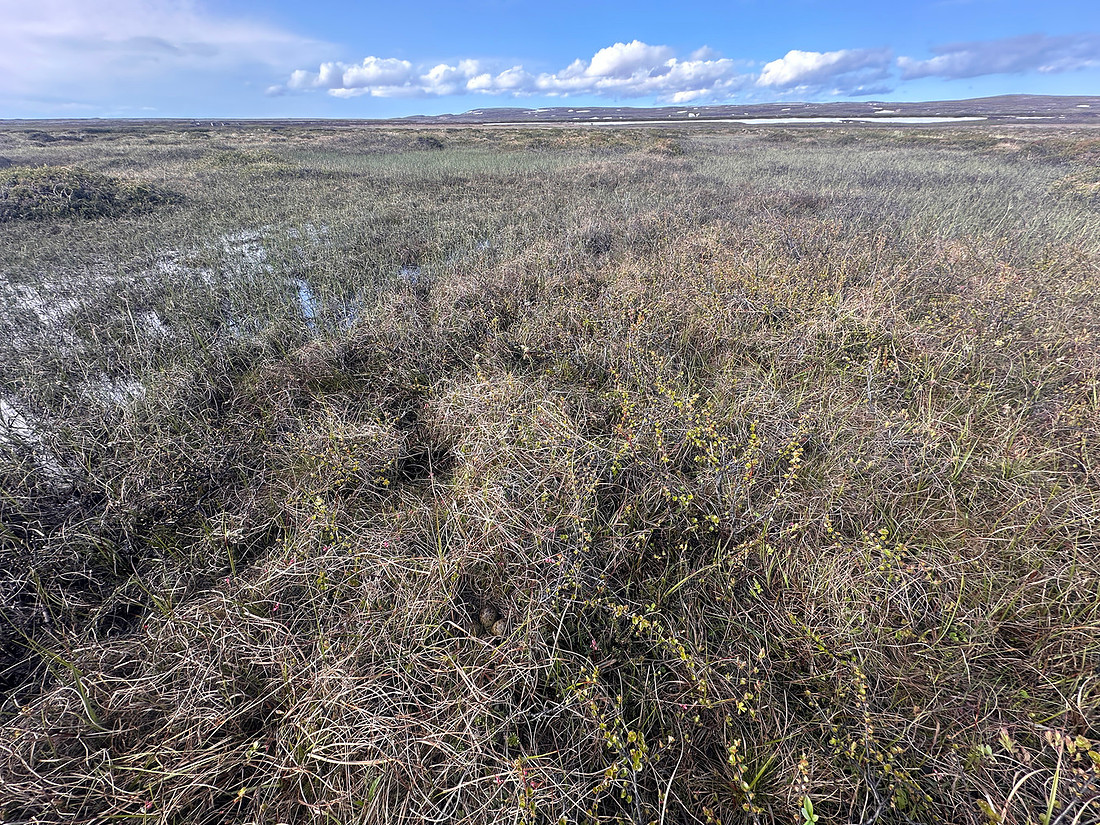 Ruff, Komagværstranda, Norway, June 2025
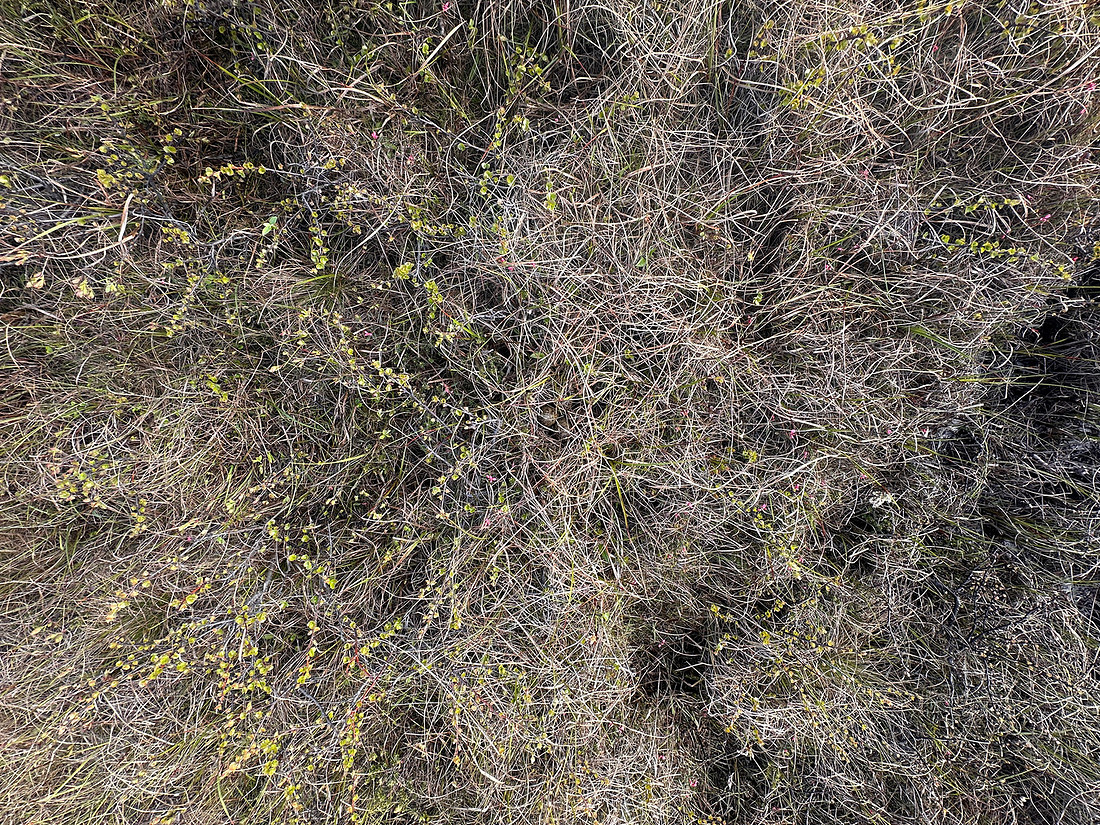 Ruff, Komagværstranda, Norway, June 2025
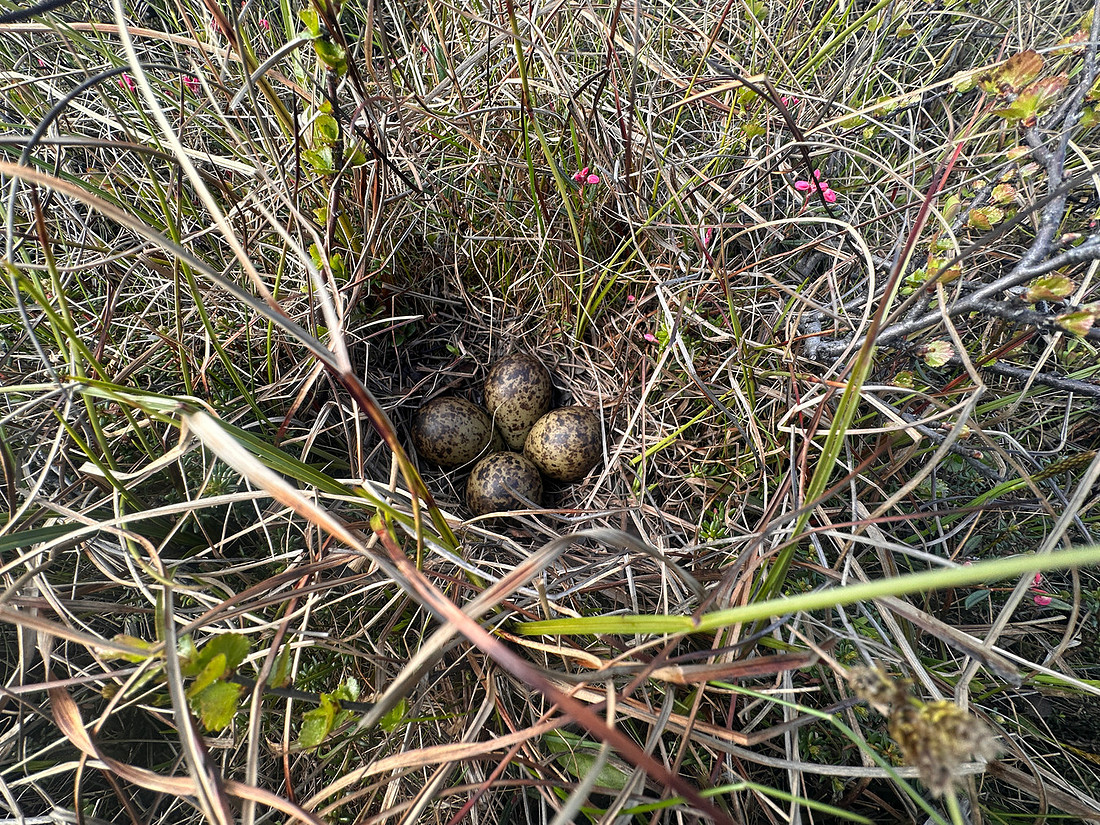 Ruff, Komagværstranda, Norway, June 2025
I also came across a Whimbrel that looked guilty I watched it back and then when I thought I had a mark on it I walked back in. The bird got up again and somehow, I missed my mark and walked right past it. I turned to see Adrian with a big smile and his stick in the ground nearby was a c4. I put this one down to fatigue. Always pleased to find a Whimbrel
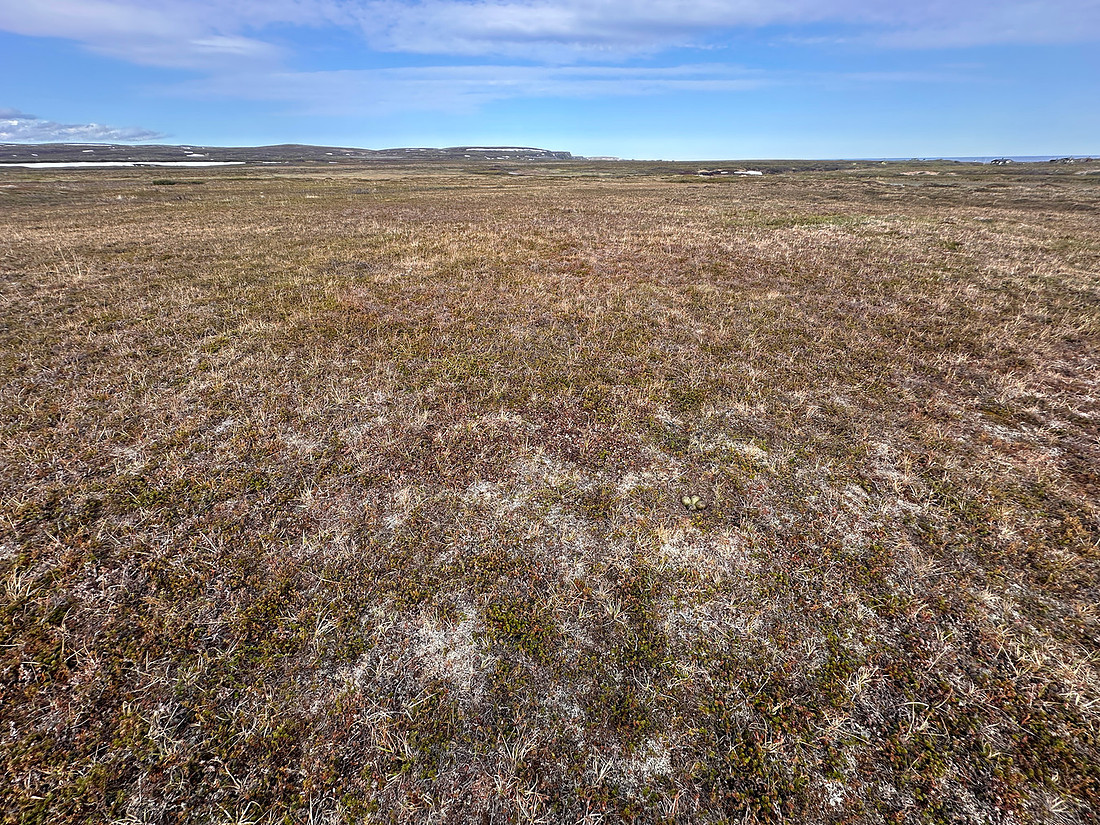 Whimbrel, Komagværstranda, Norway, June 2025
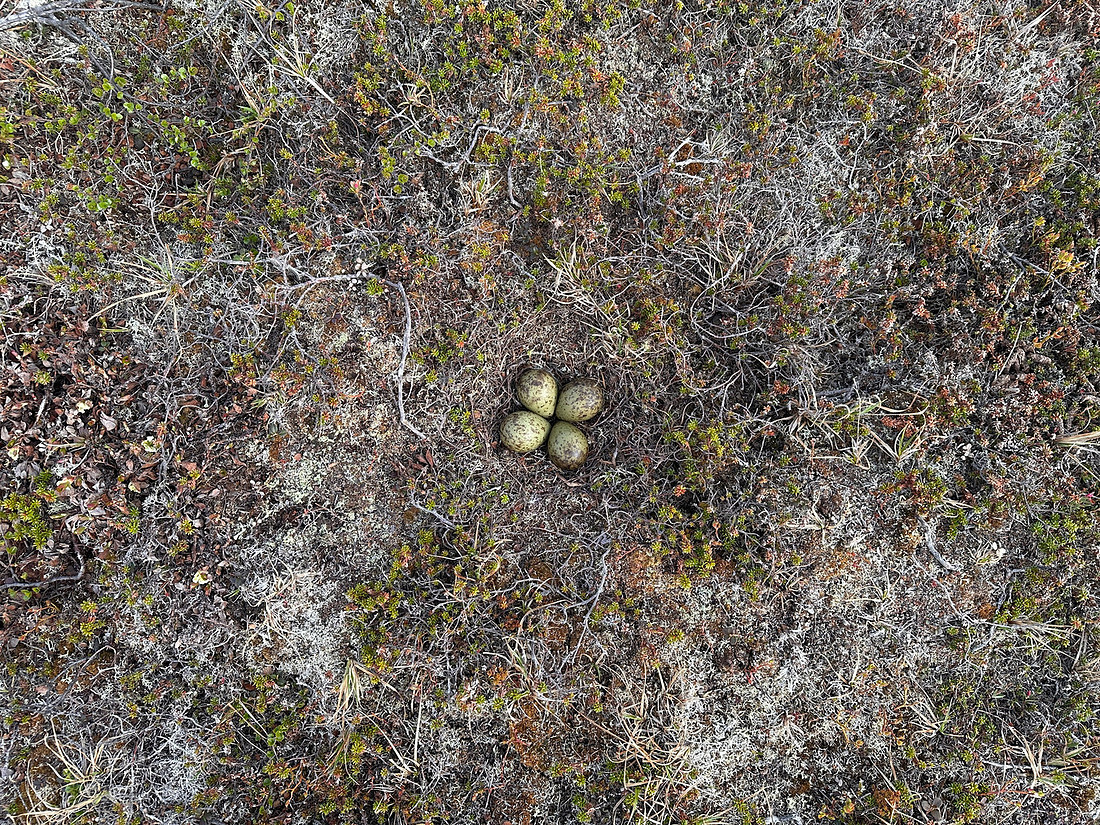 Whimbrel, Komagværstranda, Norway, June 2025
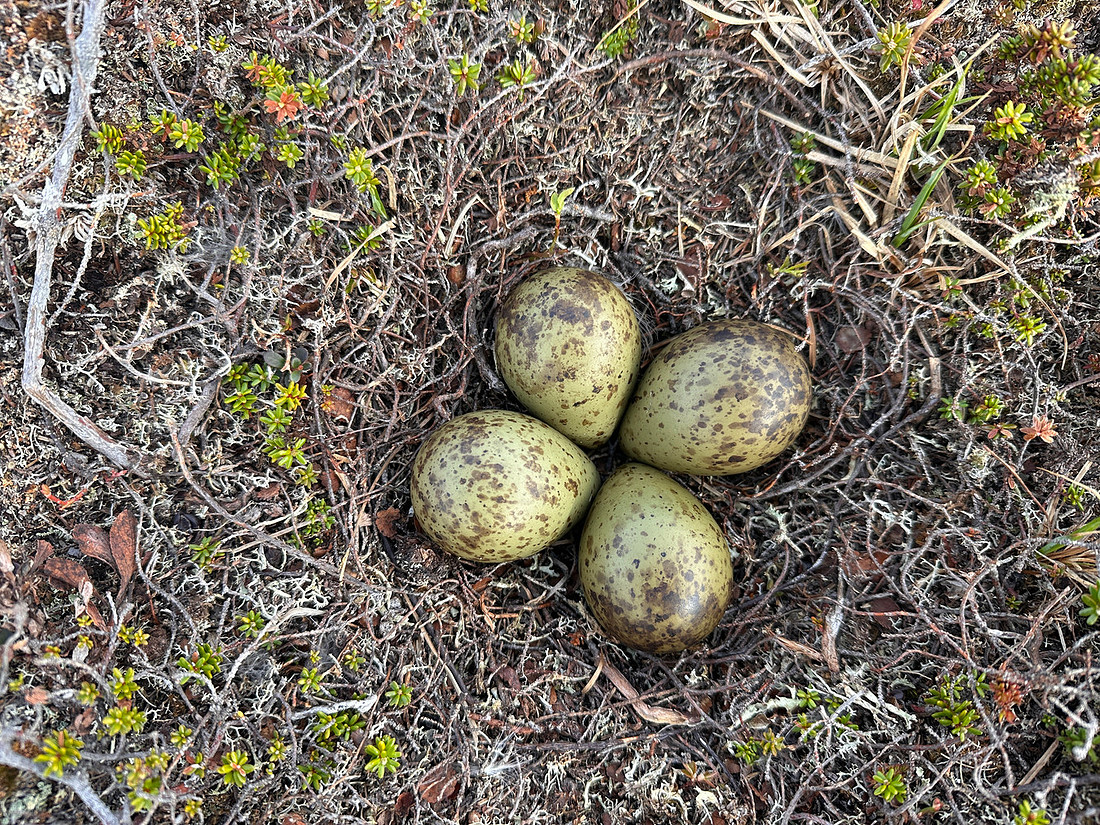 Whimbrel, Komagværstranda, Norway, June 2025
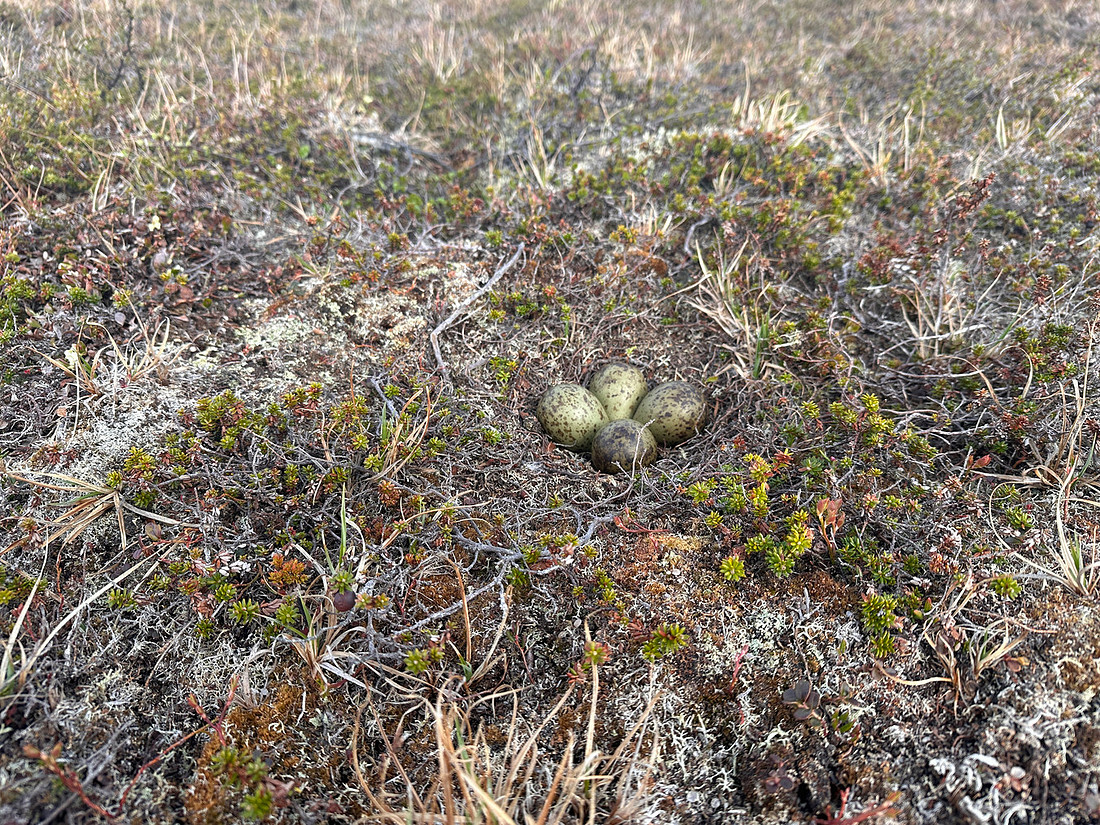 Whimbrel, Komagværstranda, Norway, June 2025
As we headed back to the car, we flushed a goose that had shot up from its downy nest c6 luckily, I got a few record shots as it flew away so we could identify it as Tundra Bean Goose another new species for us all. We had covered some good ground and walked about 5km but had sadly missed our main target. Sometimes you just find some really good unexpected nests by just walking in the right spot.
Tundra Bean Goose, Komagværstranda, Norway, June 2025
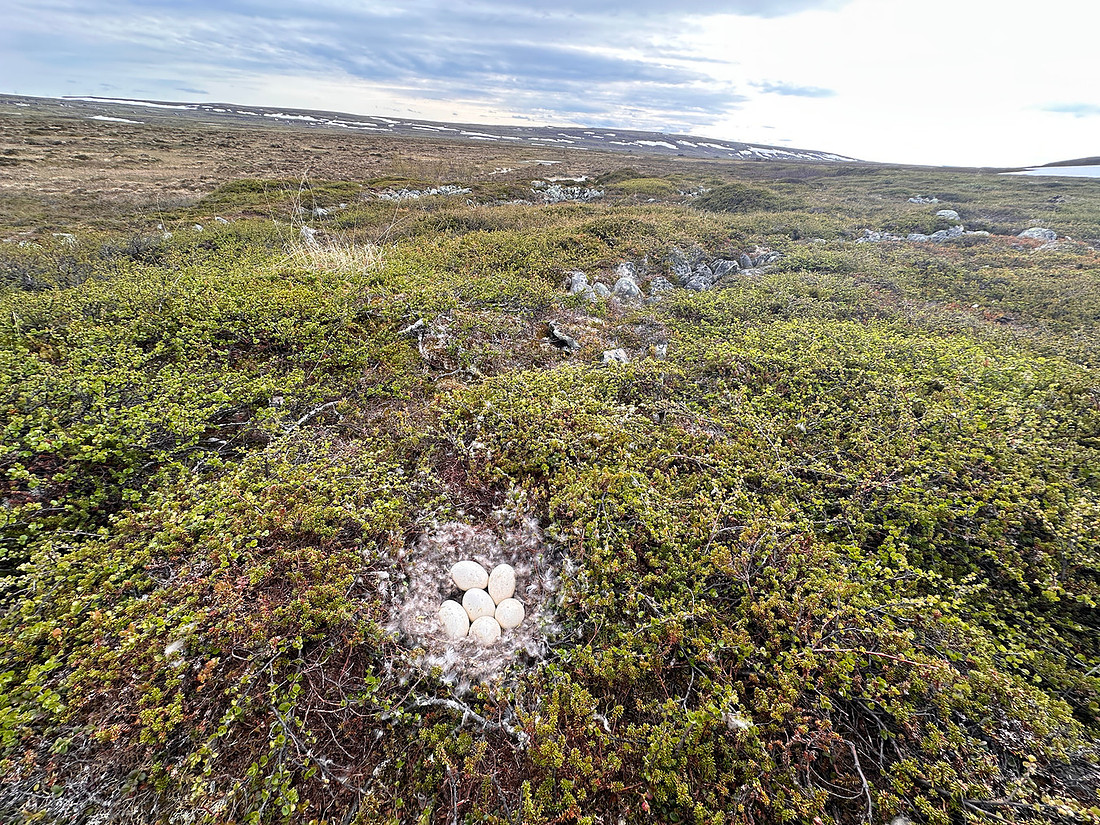 Tundra Bean Goose, Komagværstranda, Norway, June 2025
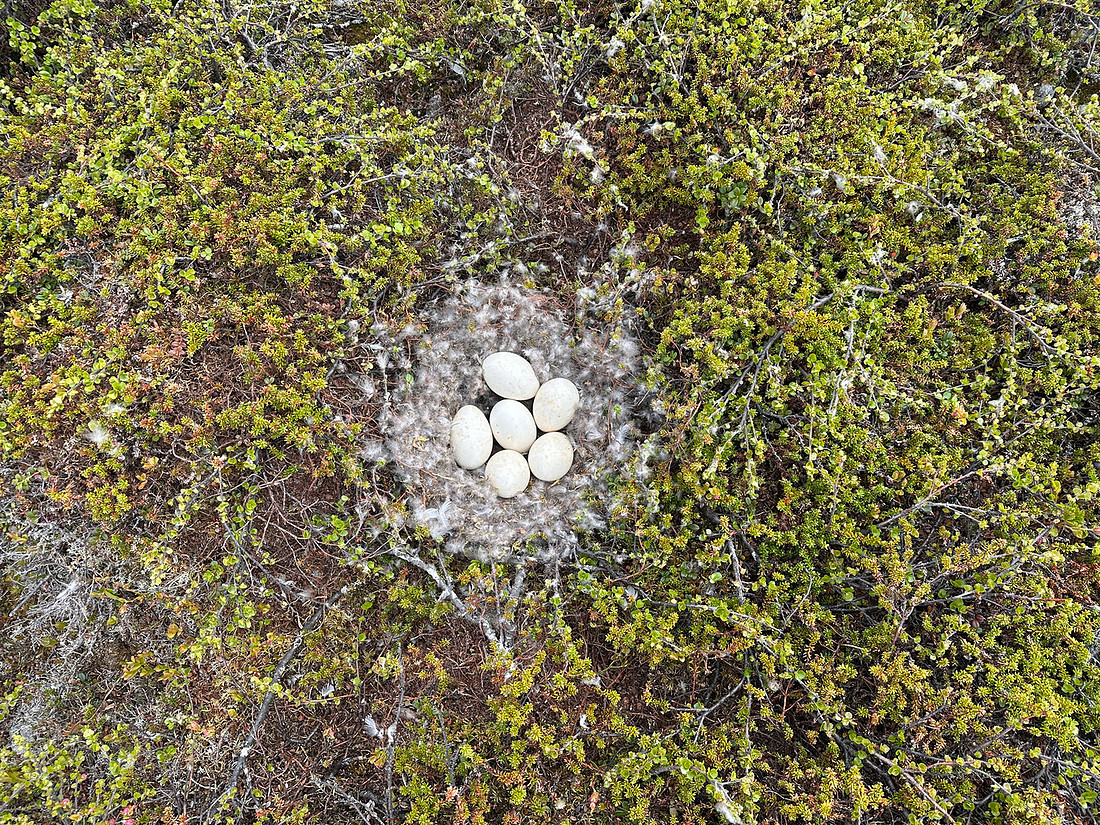 Tundra Bean Goose, Komagværstranda, Norway, June 2025
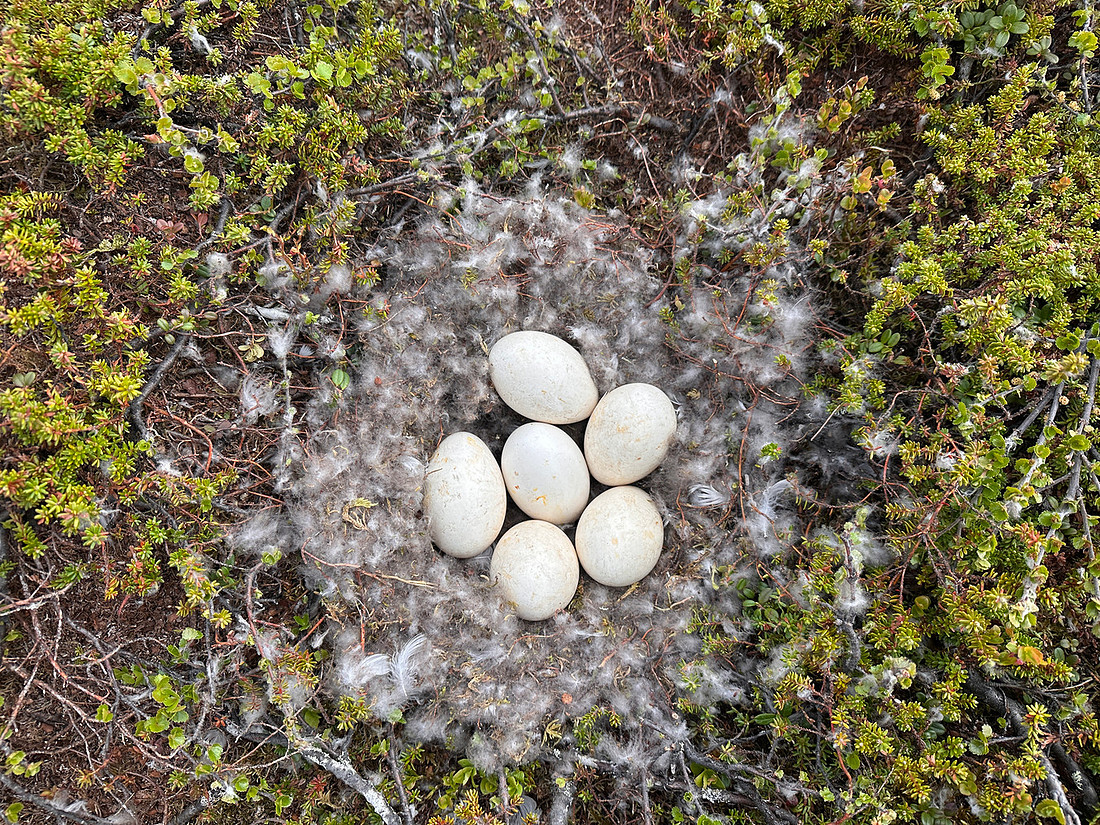 Tundra Bean Goose, Komagværstranda, Norway, June 2025
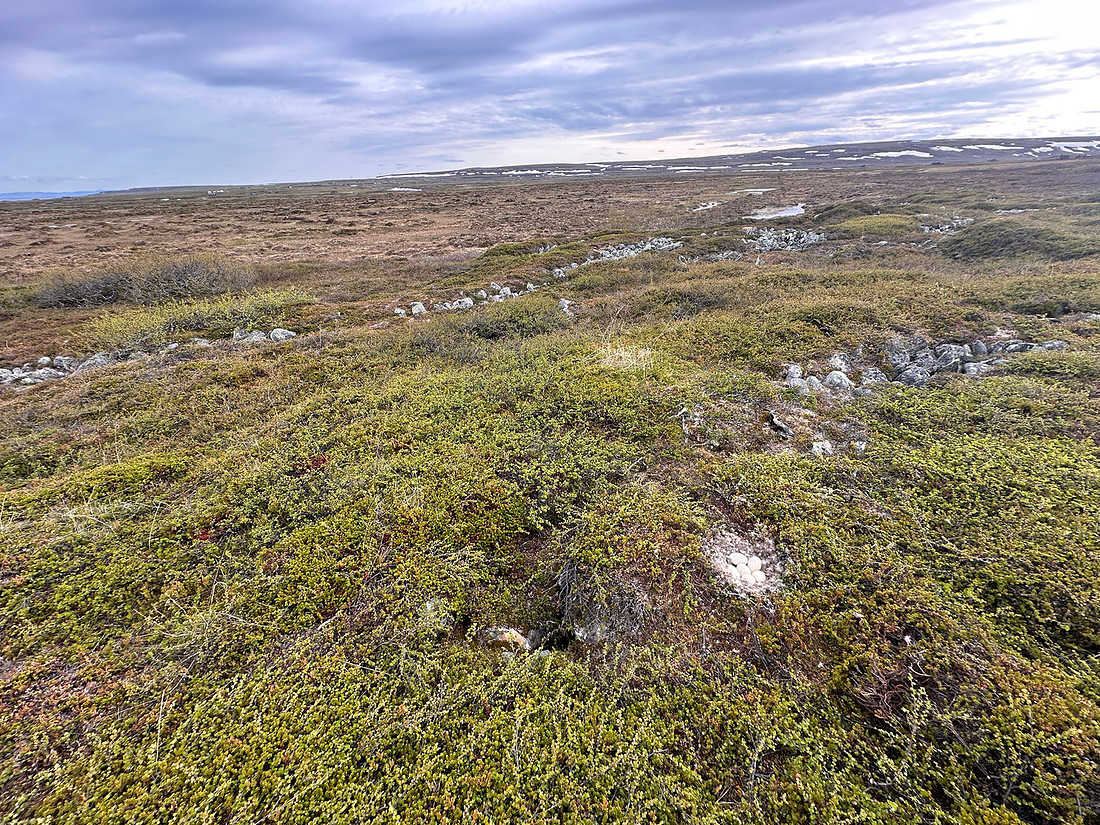 Tundra Bean Goose, Komagværstranda, Norway, June 2025
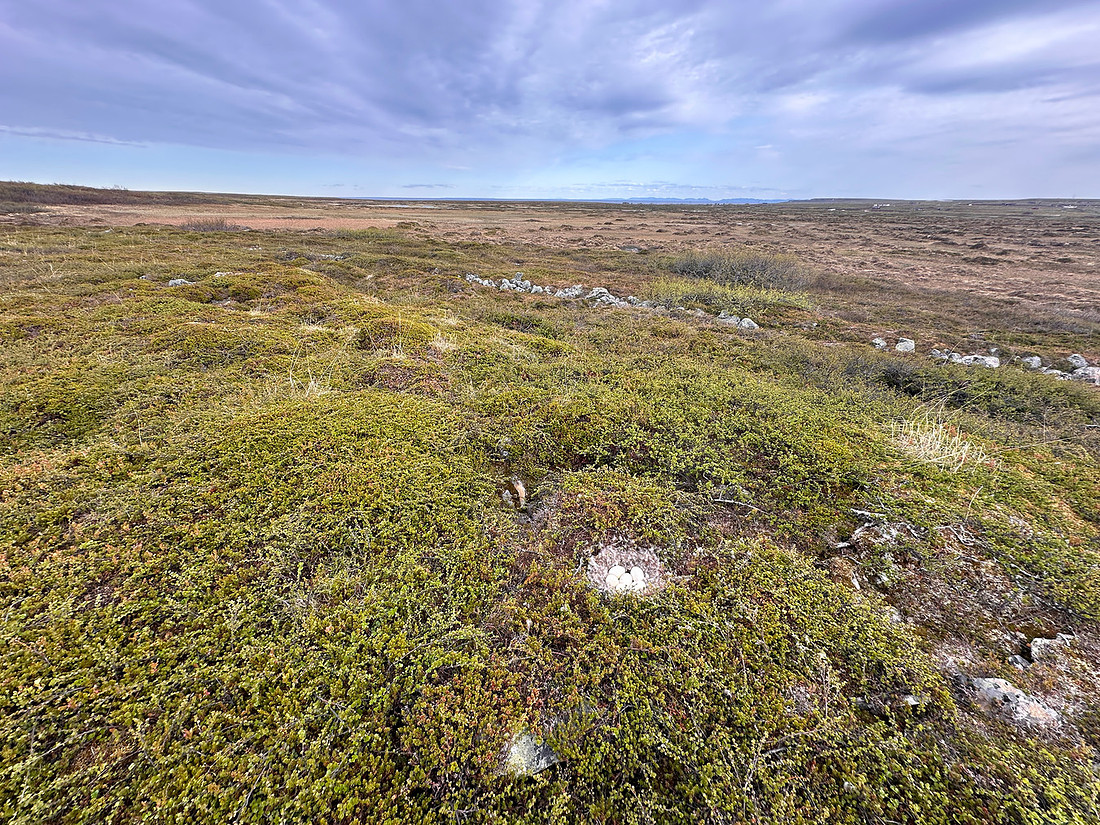 Tundra Bean Goose, Komagværstranda, Norway, June 2025
Bluethroat, Komagværstranda, Norway, June 2025
Before leaving the area, I flew my drone to capture an aerial view of the bog. The footage provides a much better perspective of the habitat these birds choose for breeding, highlighting the intricate mosaic of pools, quaking fens, string bogs and scattered dwarf birch that can be difficult to appreciate from ground level. It also illustrates just how vast and challenging this landscape is to search on foot.
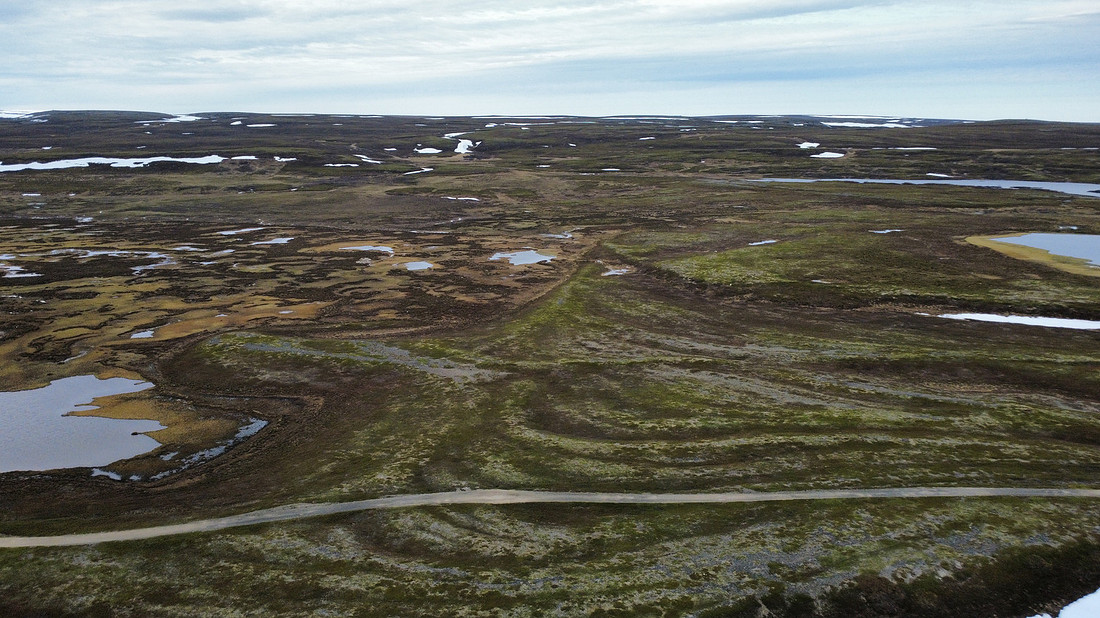 Drone image of Komagværstranda, Norway, June 2025
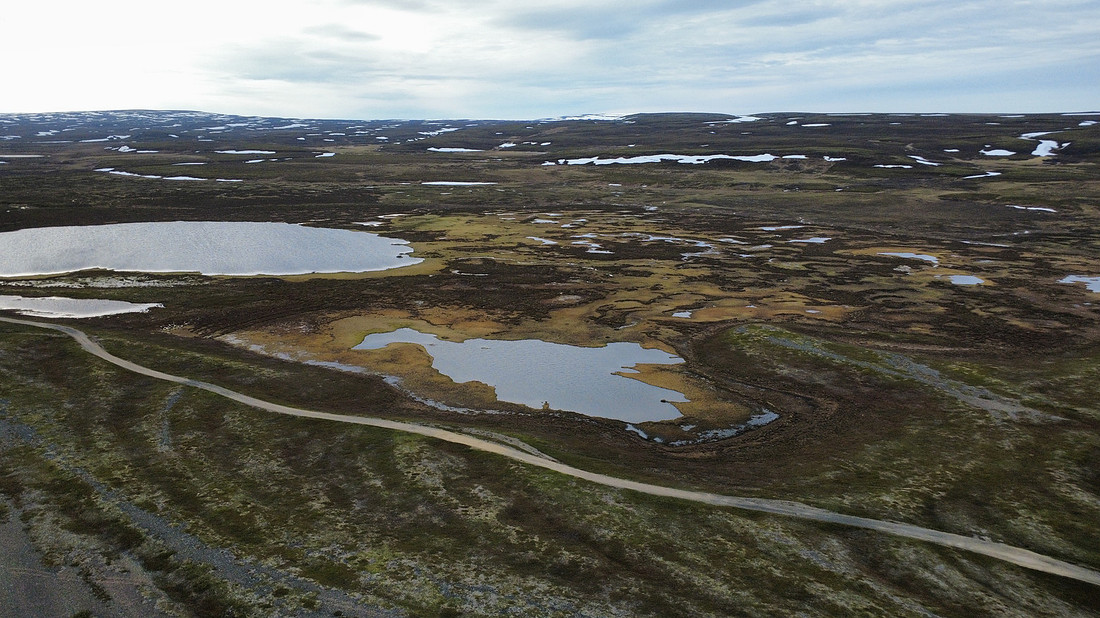 Drone image of Komagværstranda, Norway, June 2025
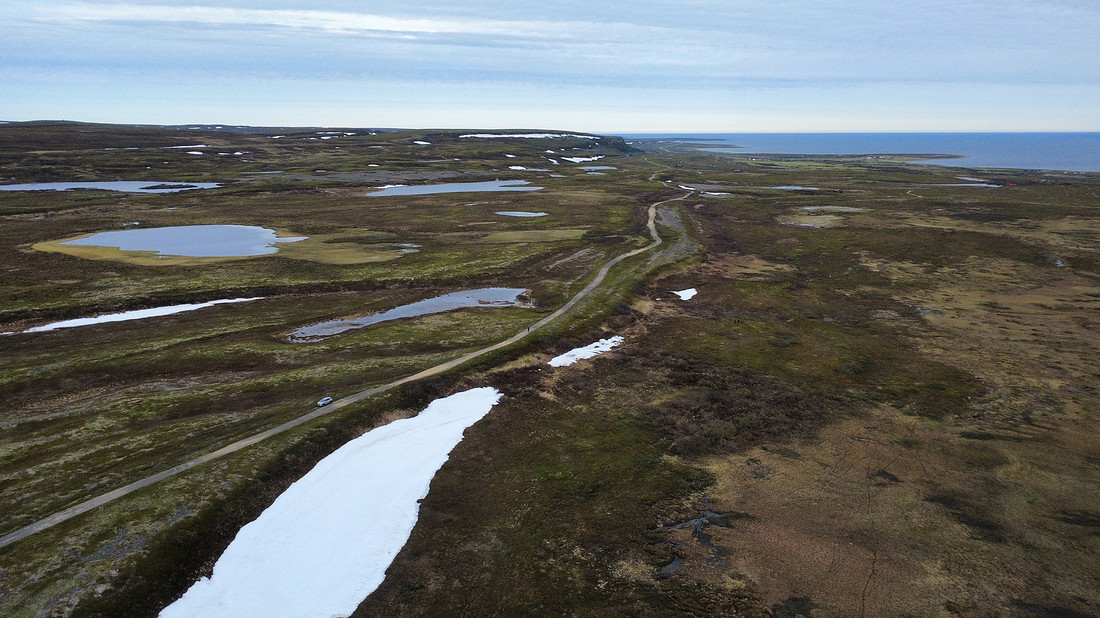 Drone image of Komagværstranda, Norway, June 2025
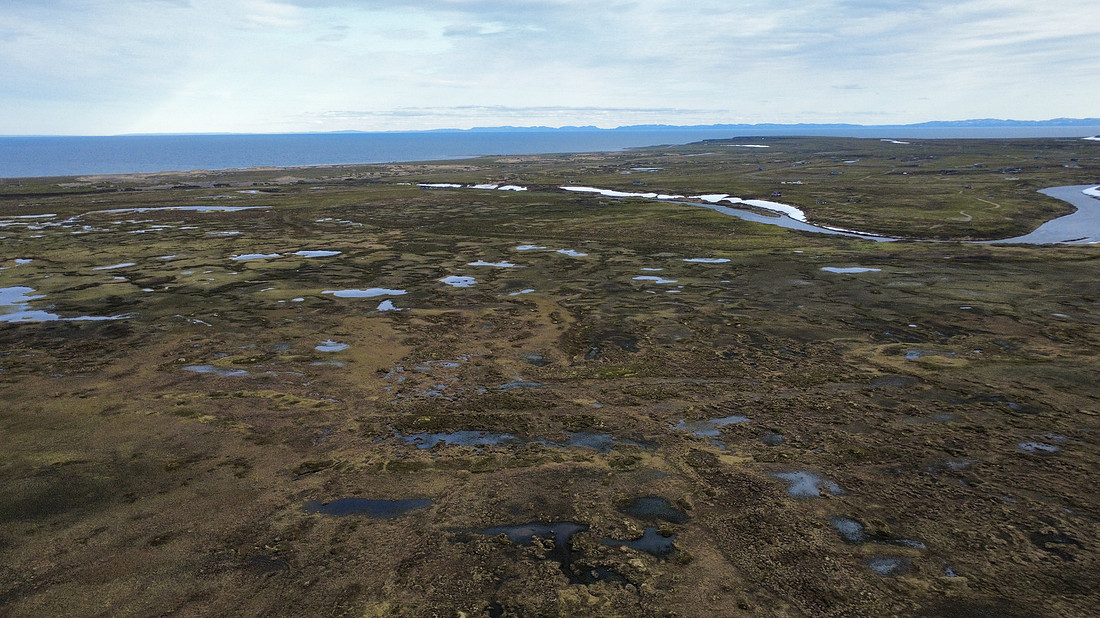 Drone image of Komagværstranda, Norway, June 2025
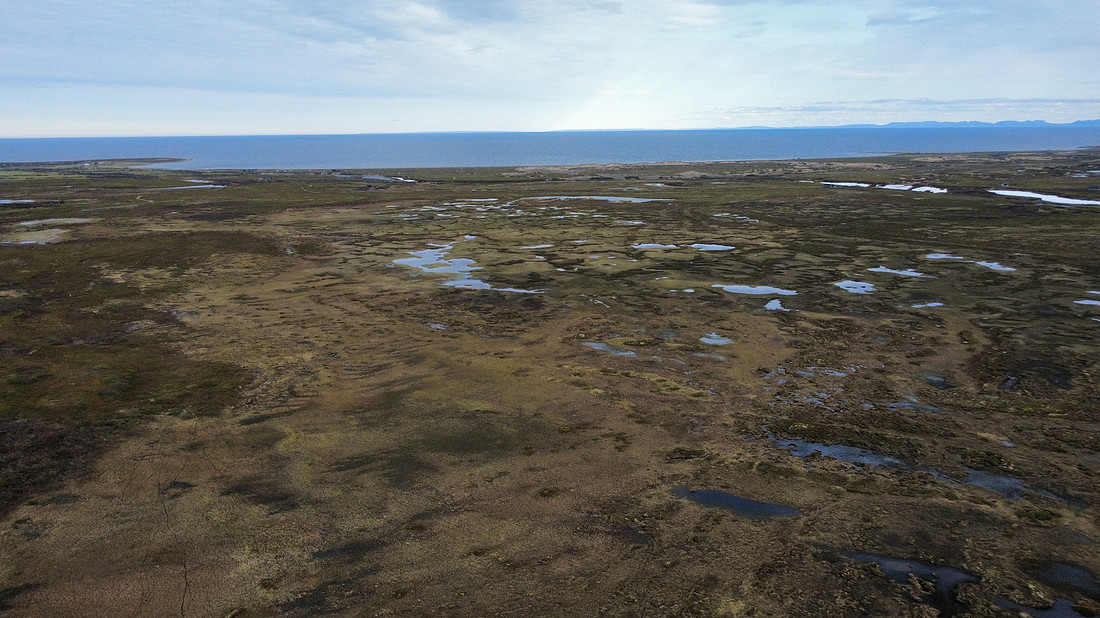 Drone image of Komagværstranda, Norway, June 2025
Our final destination of the trip was the Hamningberg which is an abandoned fishing village in Båtsfjord Municipality, Finnmark, and it sits right at the end of the road of the northern coast of Norway's Varanger Peninsula. Although it belongs to Båtsfjord Municipality, the only road access is via Vardø, making it a surprisingly long drive from the rest of the municipality. Once a thriving fishing community, Hamningberg is unique in Finnmark as one of the very few villages to escape destruction during the German retreat at the end of the Second World War. While much of the county was systematically burned, Hamningberg survived, leaving behind a rare glimpse of the region's historic coastal architecture. The village was eventually abandoned in 1964 as changing economic conditions and depopulation took their toll. Today, although no one lives here permanently, a number of the original buildings have been lovingly preserved and are used as summer cottages. One of these cottages was going to be our digs for the next few nights.Iit was booked via Airb&b and wasn't cheap but accomadtion here is limited. Set against the dramatic backdrop of the Barents Sea, the weathered wooden houses and stark Arctic landscape make Hamningberg one of the most atmospheric and photogenic places in northern Norway.
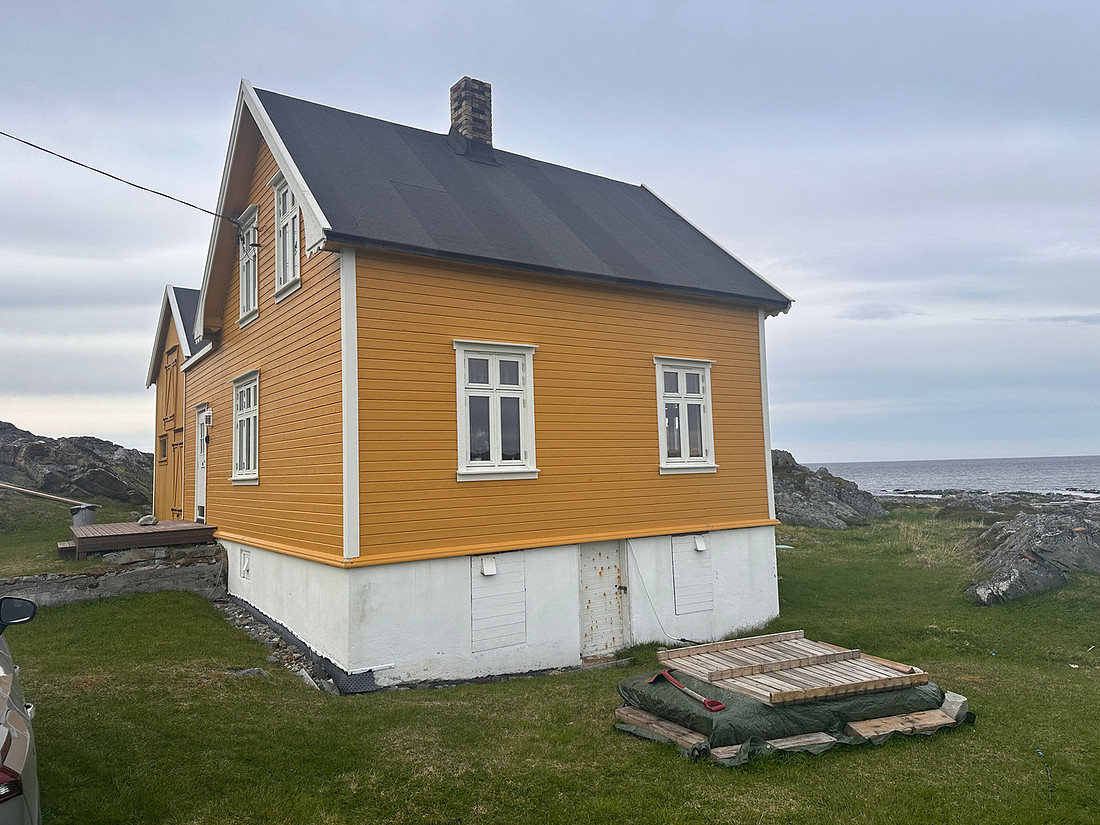 Digs in Hamningberg, Norway, June 2025
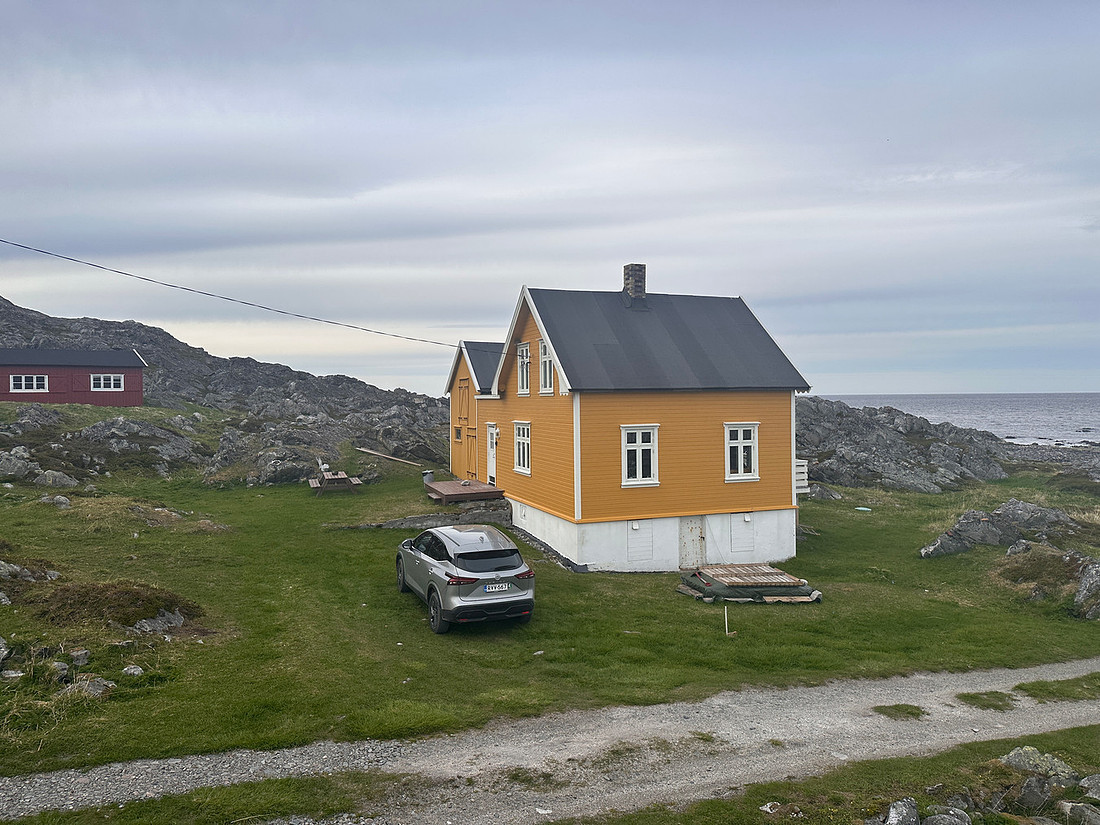 Digs in Hamningberg, Norway, June 2025
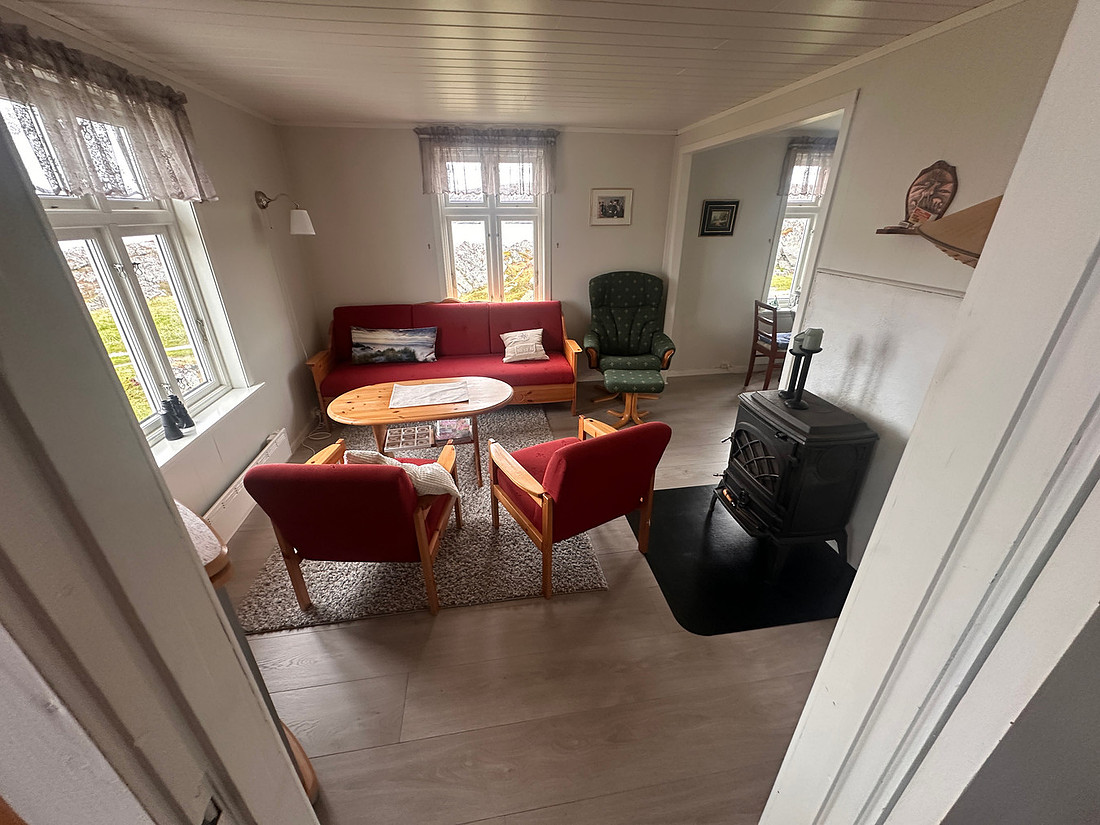 Digs in Hamningberg, Norway, June 2025
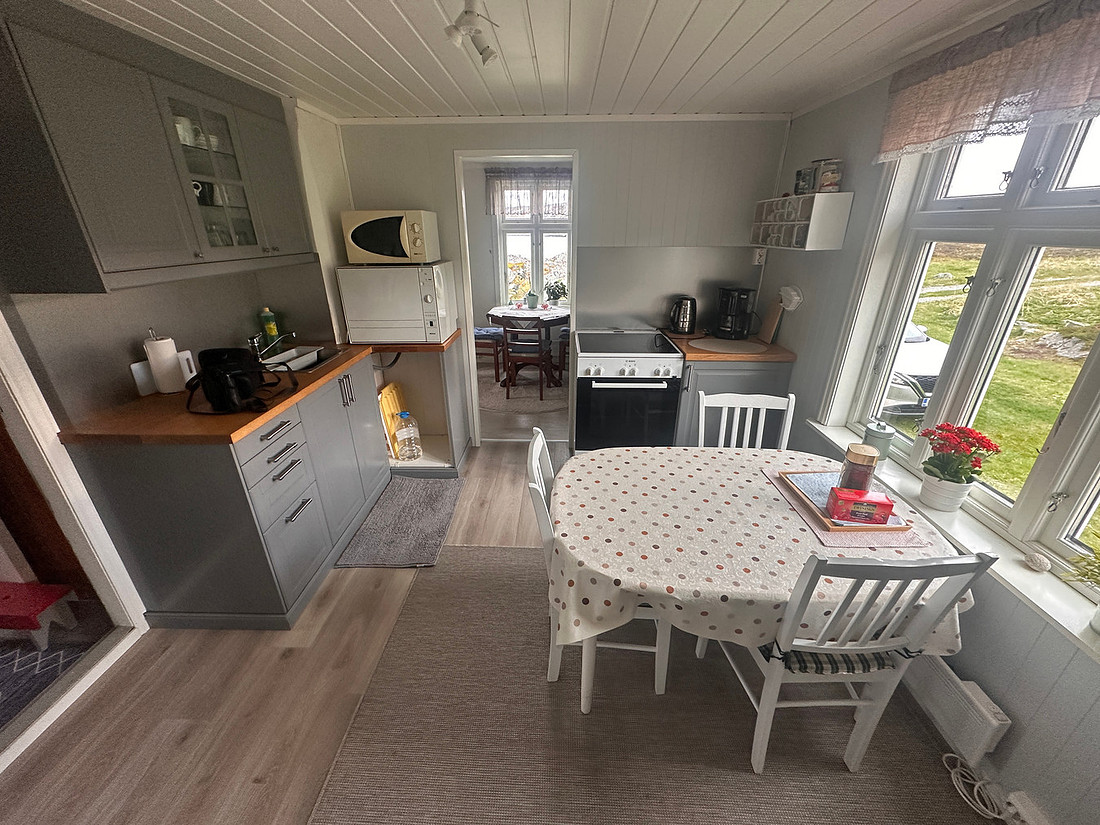 Digs in Hamningberg, Norway, June 2025
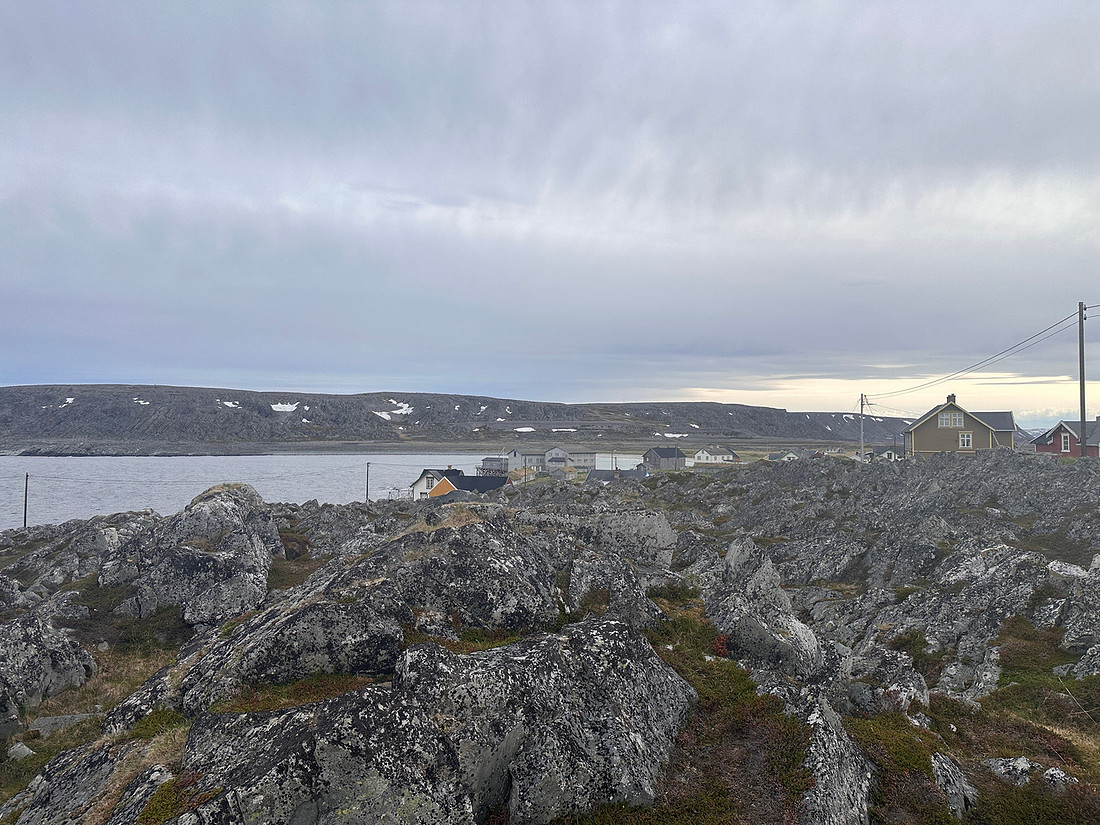 View from our Digs in Hamningberg, Norway, June 2025
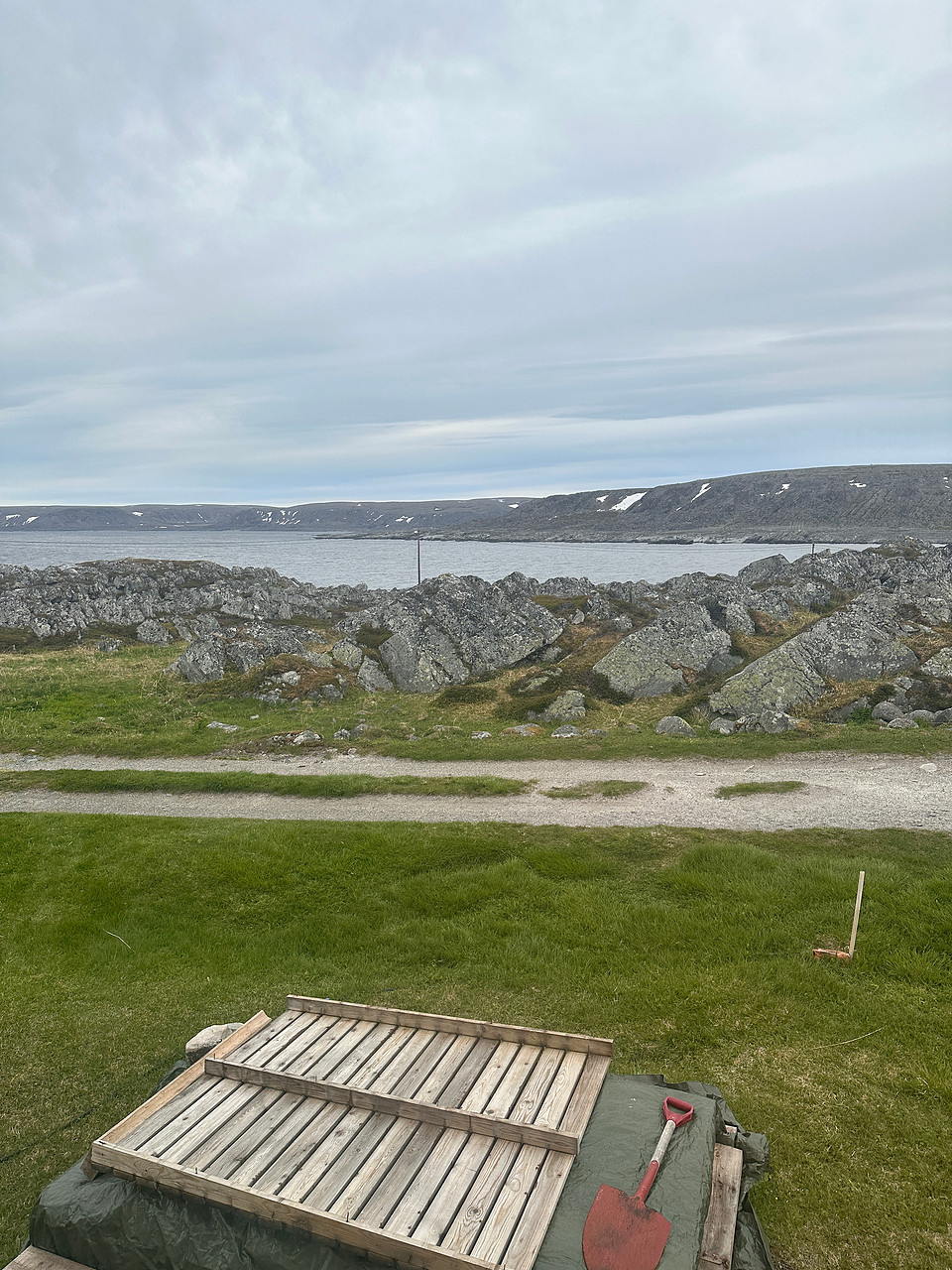 View from our Digs in Hamningberg, Norway, June 2025
A long reward day in the field!! After cooking some tea we had a local beer to celebrate before heading off to bed for an early start tomorrow.
