Day 9-10 the end of the world
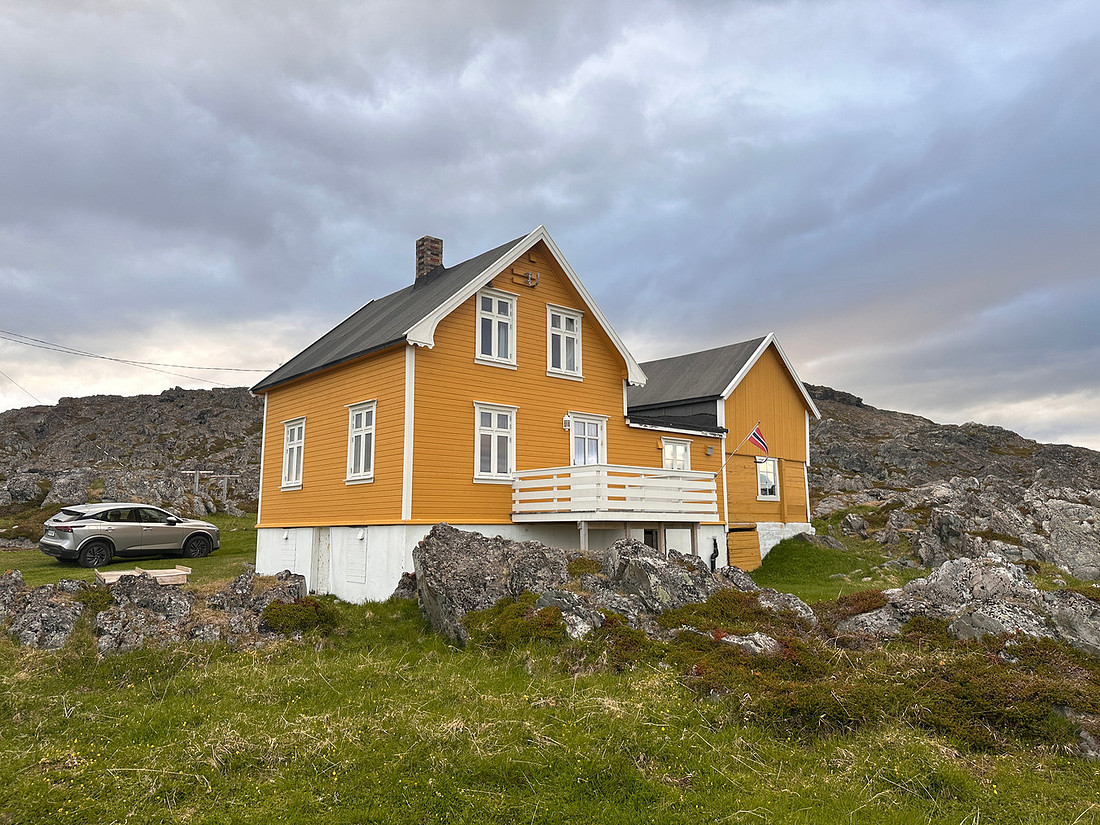
 Hamningberg, Norway, June 2025
June 14th
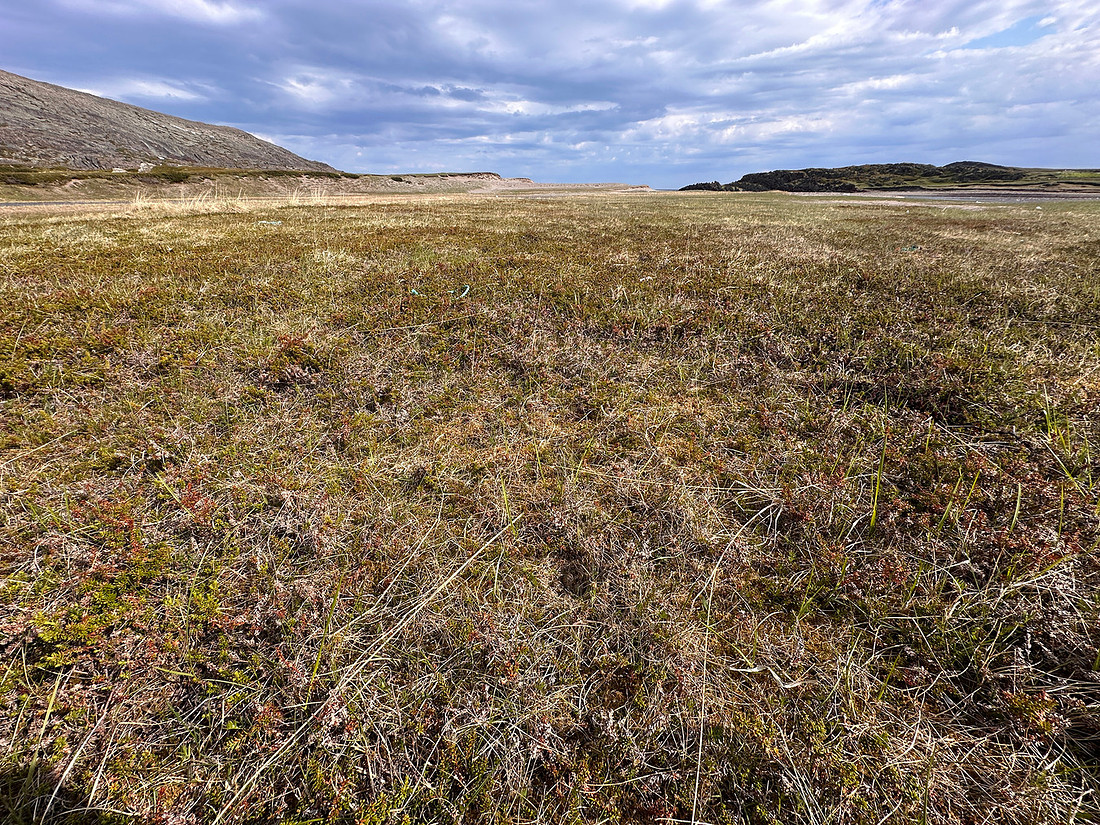
Today was all about the Temminck’s Stints. We started off at a small river delta at Persfjorden—a spot we’d picked out earlier on Google Maps. It looked prefect teriorty for these Northern breeding waders. They love Sparse, Low Vegetation and build their nests in sandy and gravelly meadows, heaths, and extensive dunes with minimal cover. It was partly cloudy and around 13°C, easily the warmest day of our trip so far. We parked up and took a walk along the beach towards the river mouth and the area we were going to search for our target bird.
Persfjorden, Norway, June 2025
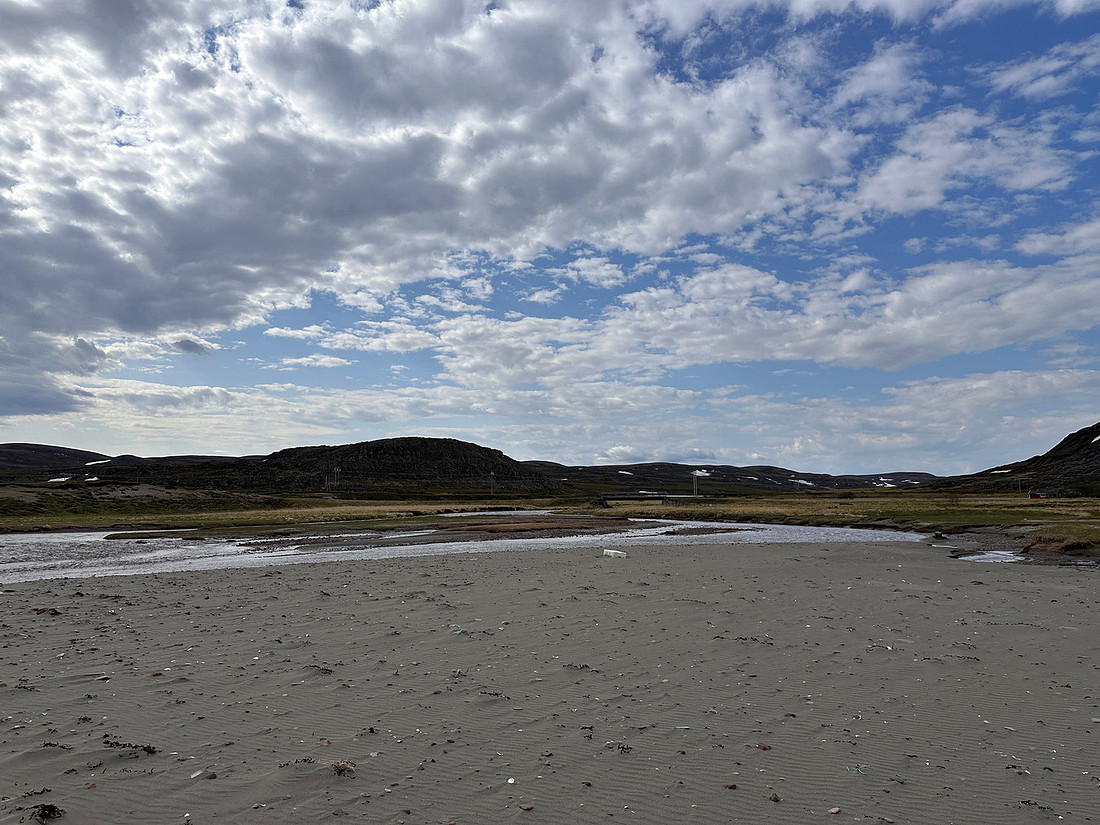 River Delta, Persfjorden, Norway, June 2025
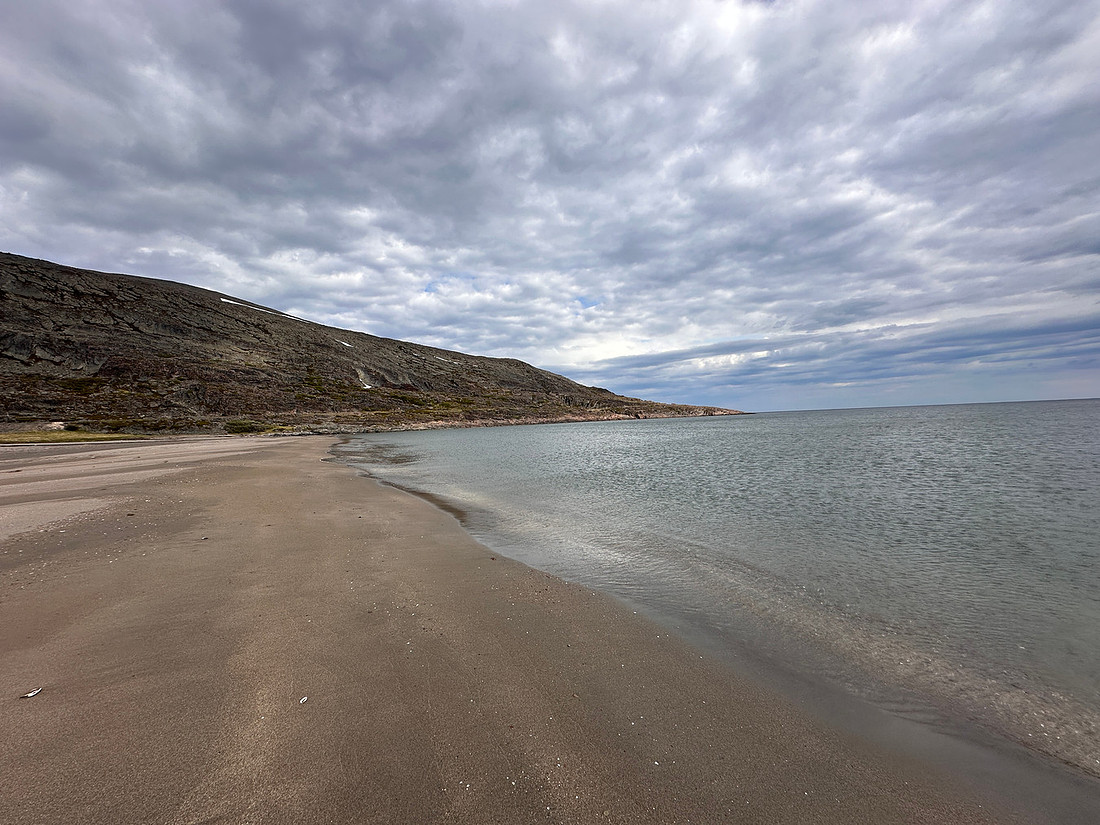 Persfjorden Beach, Norway, June 2025
As soon as we arrived at the river mouth, we were serenaded by the distant humming of a displaying Temminck’s Stint. I could sit for hours watching these tiny waders joy-flighting over their breeding territory; there were several displaying pairs scattered along both sides of the river. As we walked across the dry ground, we accidentally flushed an incubating bird marking our second Temmincks of the trip.
 Temmincks Stint, Persfjorden, Norway, June 2025
 Temmincks Stint, Persfjorden, Norway, June 2025
 Temmincks Stint, Persfjorden, Norway, June 2025
 Temmincks Stint, Persfjorden, Norway, June 2025
While Adrian and Ricky headed off to look for more, I stayed on the riverbank to try and photograph a displaying male. Trying to lock focus on these miniature birds mid-flight is no easy task! We only found one territory here but I reckon there was at least 3-4 pairs in the area. The habitat was perfect for them. We also watched a Golden Plover fly in off the Barents sea.
Temmincks Stint, Persfjorden, Norway, June 2025
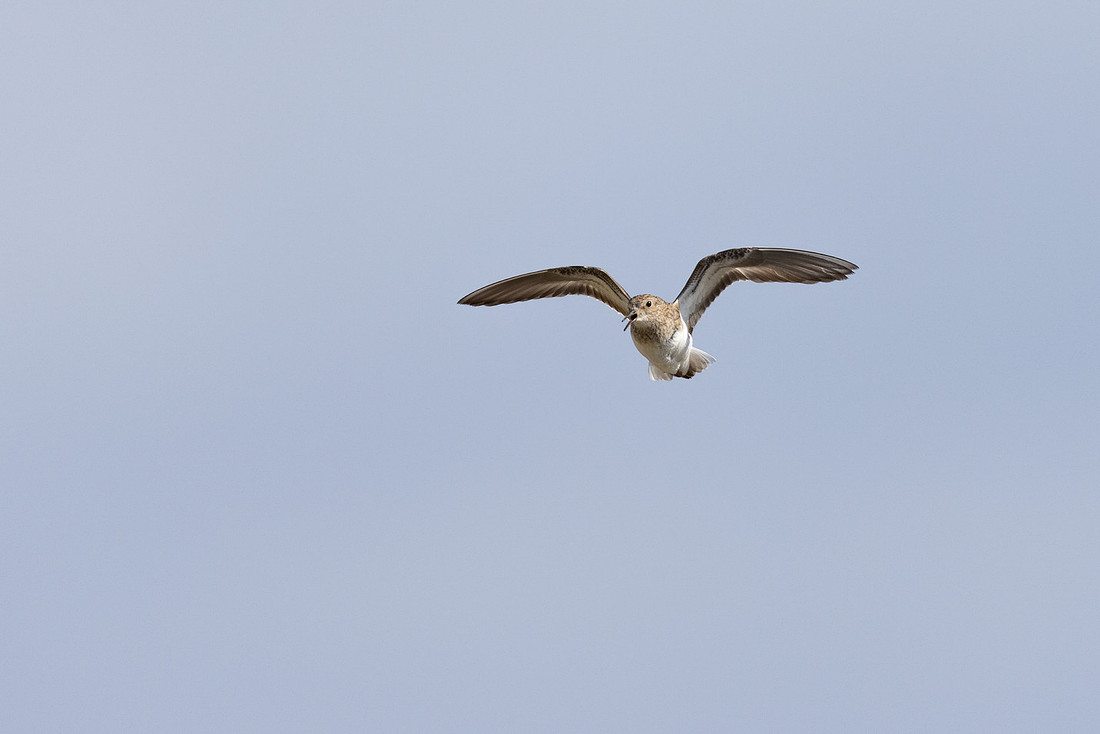 Temmincks Stint, Persfjorden, Norway June 2025
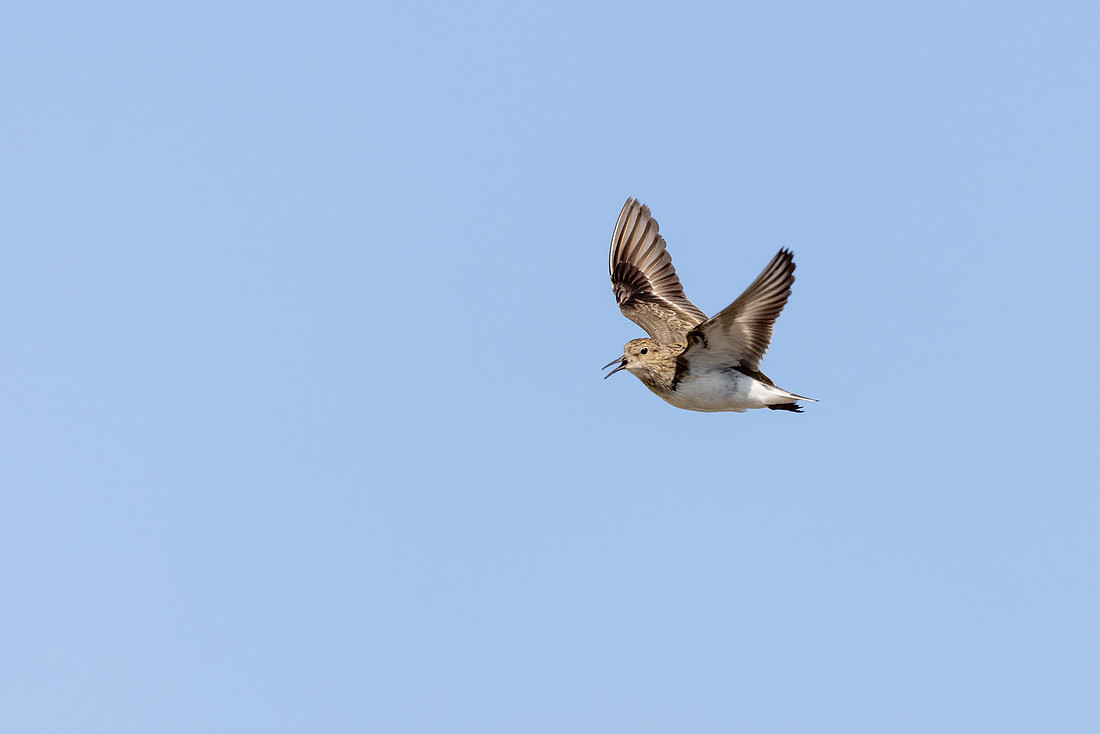 Temmincks Stint, Persfjorden, Norway June 2025
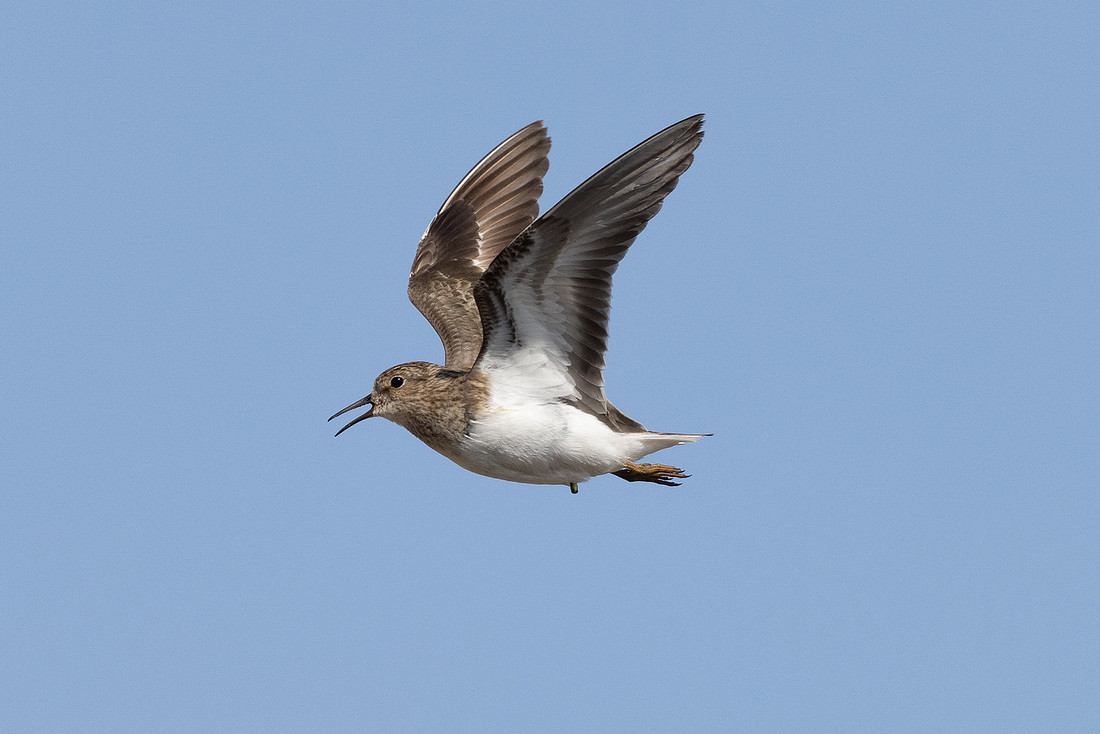 Temmincks Stint, Persfjorden, Norway June 2025
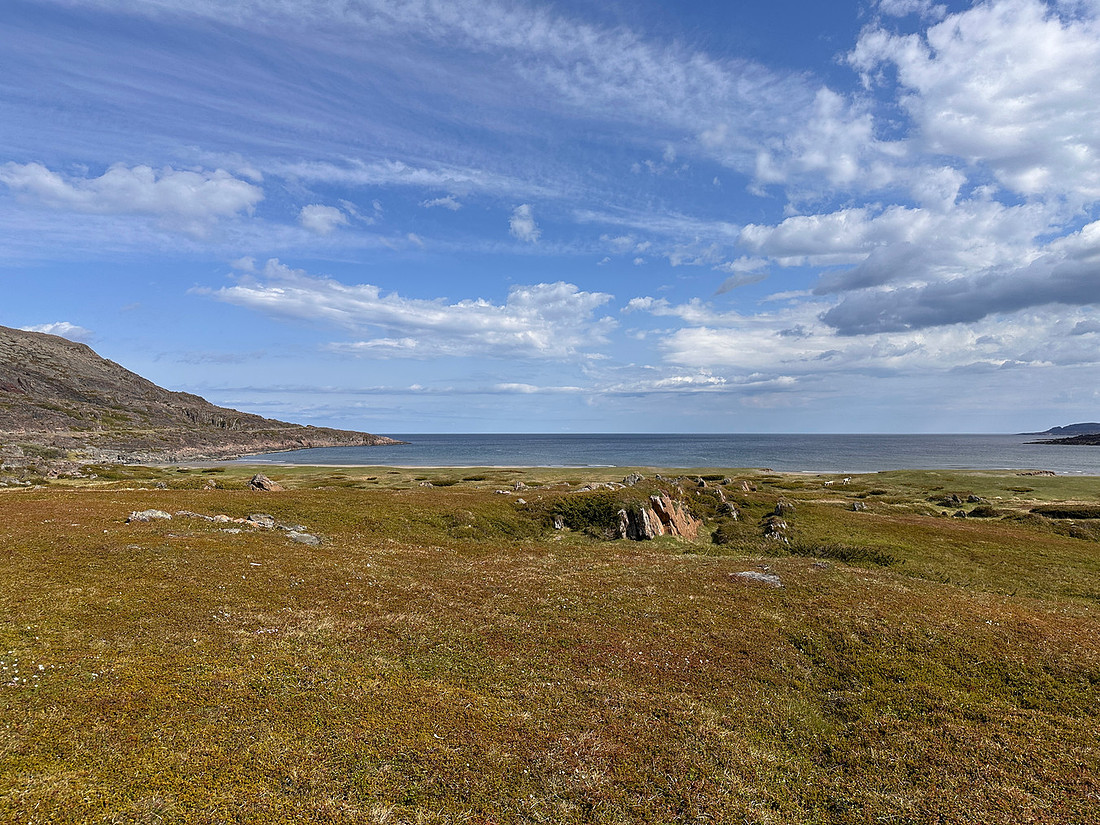 Temmincks Stint Habitat, Persfjorden, Norway, June 2025
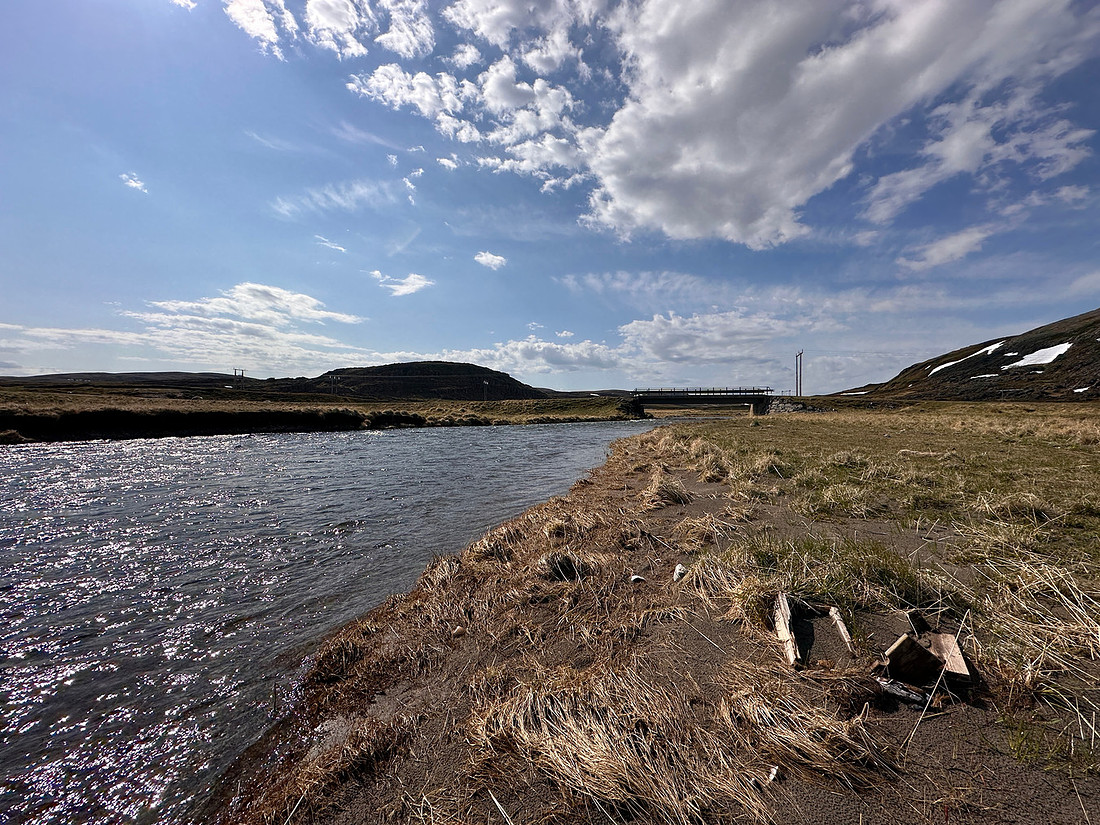 Temmincks Stint Habitat, Persfjorden, Norway, June 2025
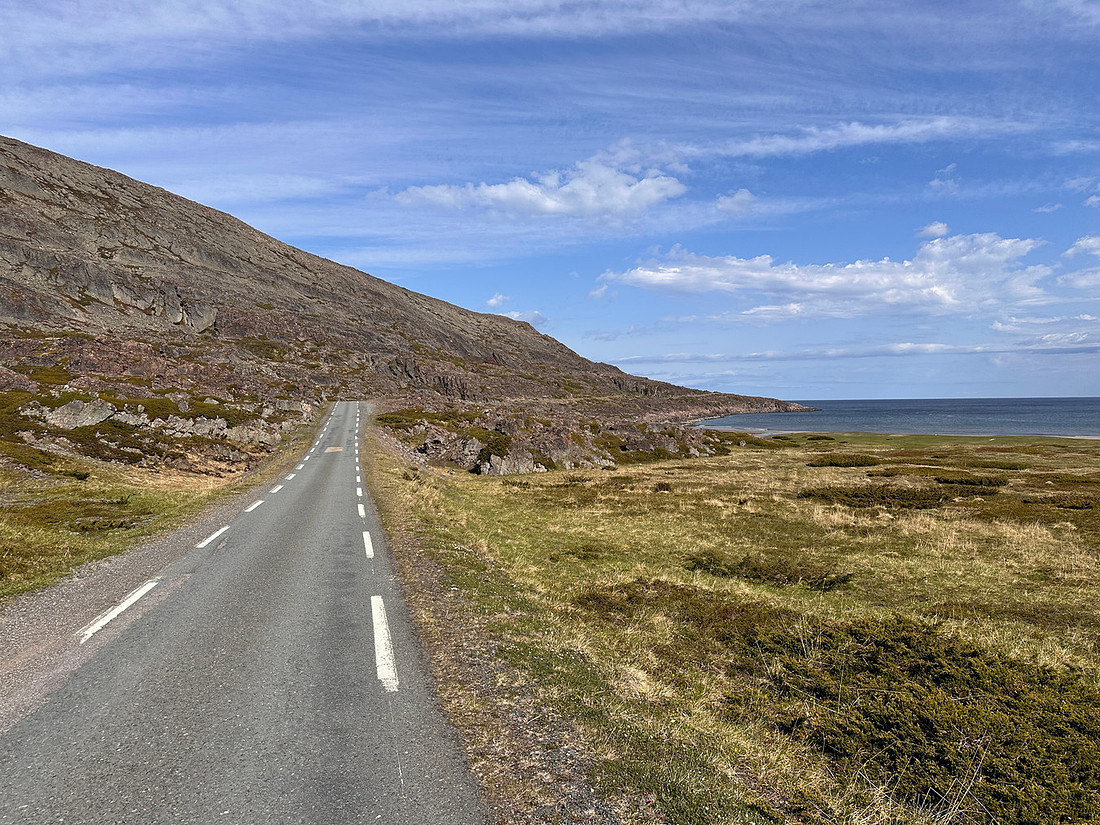 Persfjorden, Norway, June 2025
We parked up a few miles down the road in an area that looked great we all headed off in different directions. I felt sure the area would be great for Shorelarks I followed a river up stream climbing gradually up onto the Plateau the only thing I came across was a dead Reindeer foot and not much else. On meeting up with the other they to had also encountered very little. We agreed to leave the area and head to Sandfjordneset
Our next stop was Sandfjordneset, a river delta where some friends had successfully located several nests the previous year. After a quick bite to eat, we made our way through a flat expanse of sand dunes sitting just 10 to 15 metres from the beach, consciously avoiding the larger dune formations nearby. We picked up a small track that quickly proved to be a golden corridor for nesting activity. Almost immediately, we stumbled upon our first find: a beautiful Meadow Pipit nest containing six eggs (c6). Was pretty dark under the bank it had nested in so had to use flash to obtain any detail of the nest.
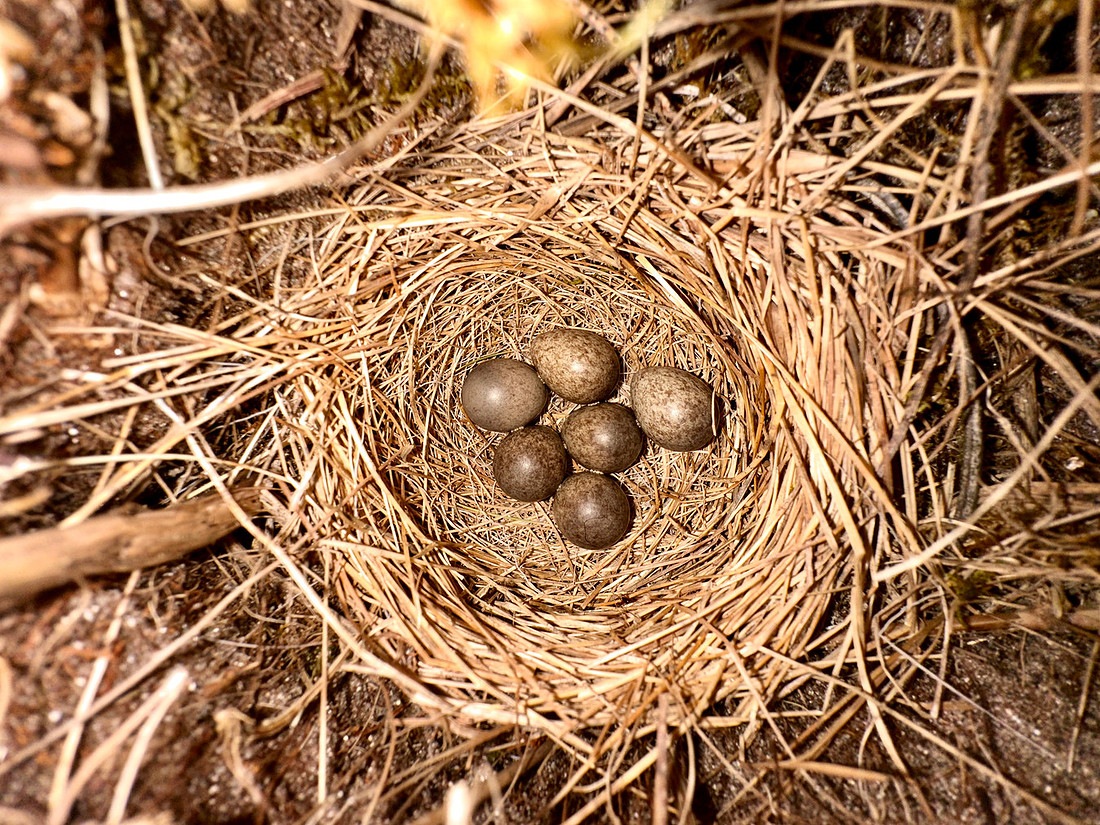 Meadow Pipit Sandfjordneset, Norway June 2025
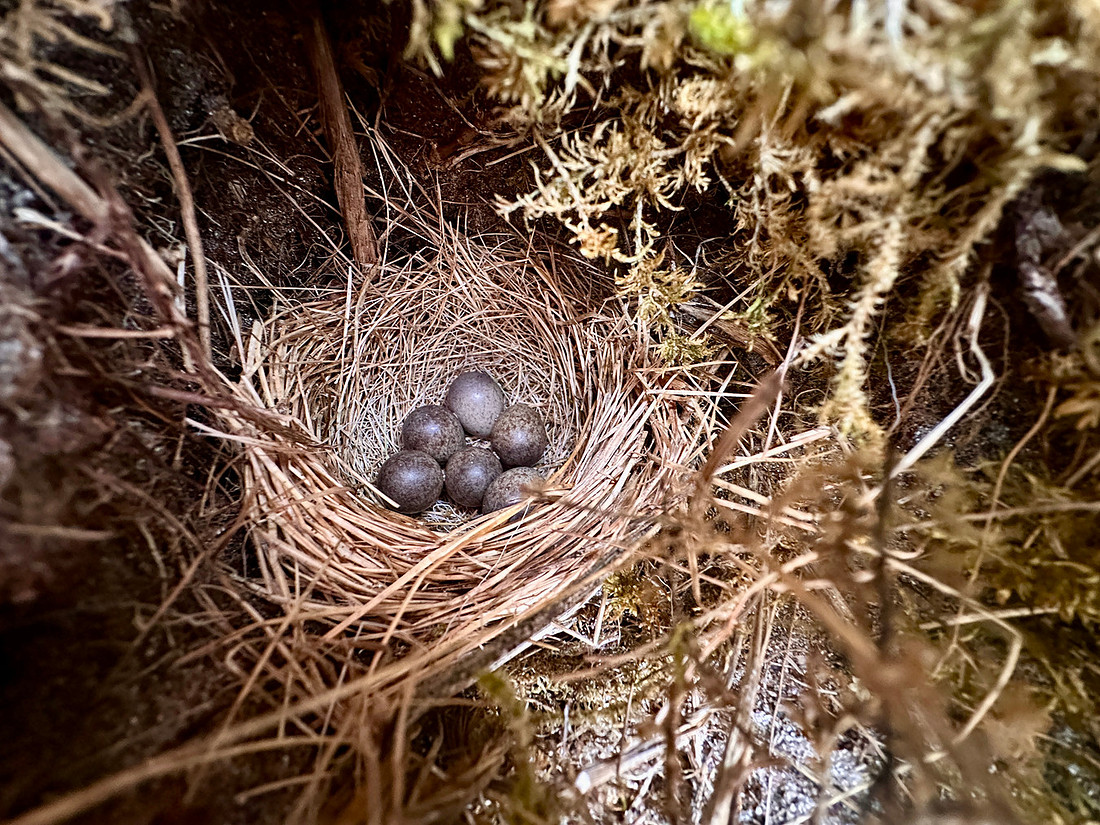 Meadow Pipit Sandfjordneset, Norway June 2025
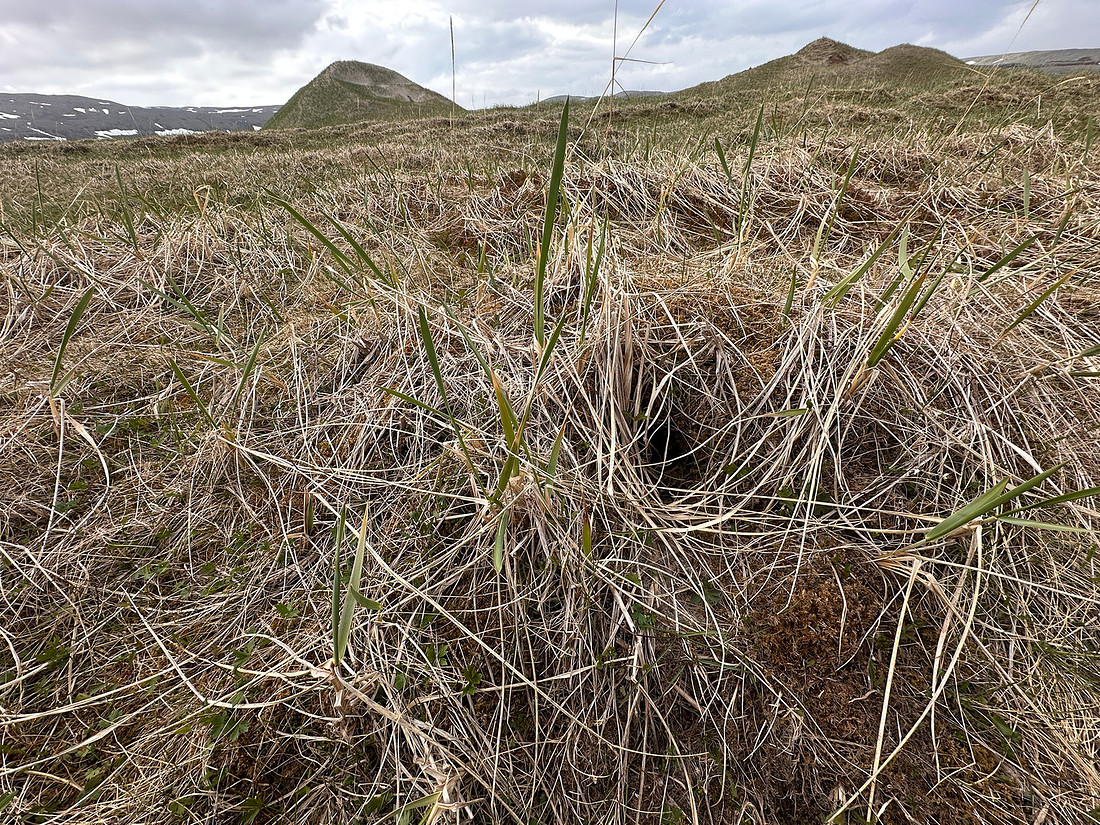 Meadow Pipit, Sandfjordneset, Norway June 2025
Meadow Pipit Sandfjordneset, Norway June 2025
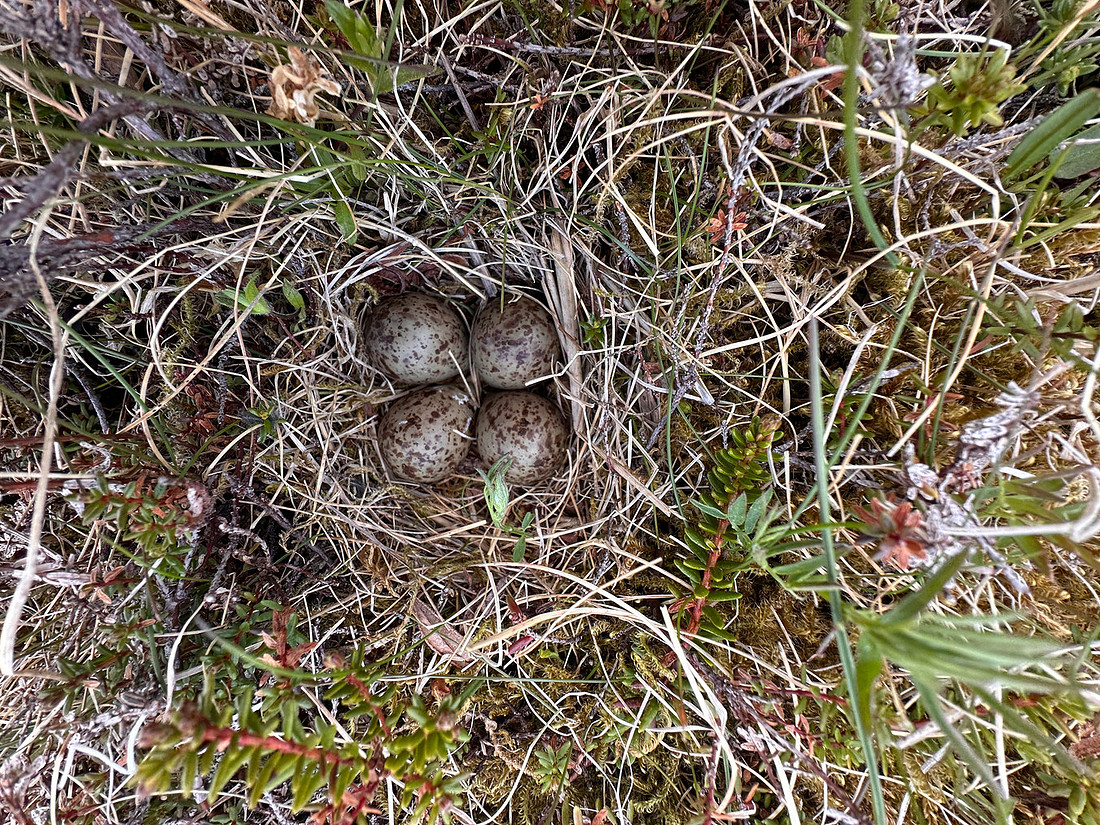
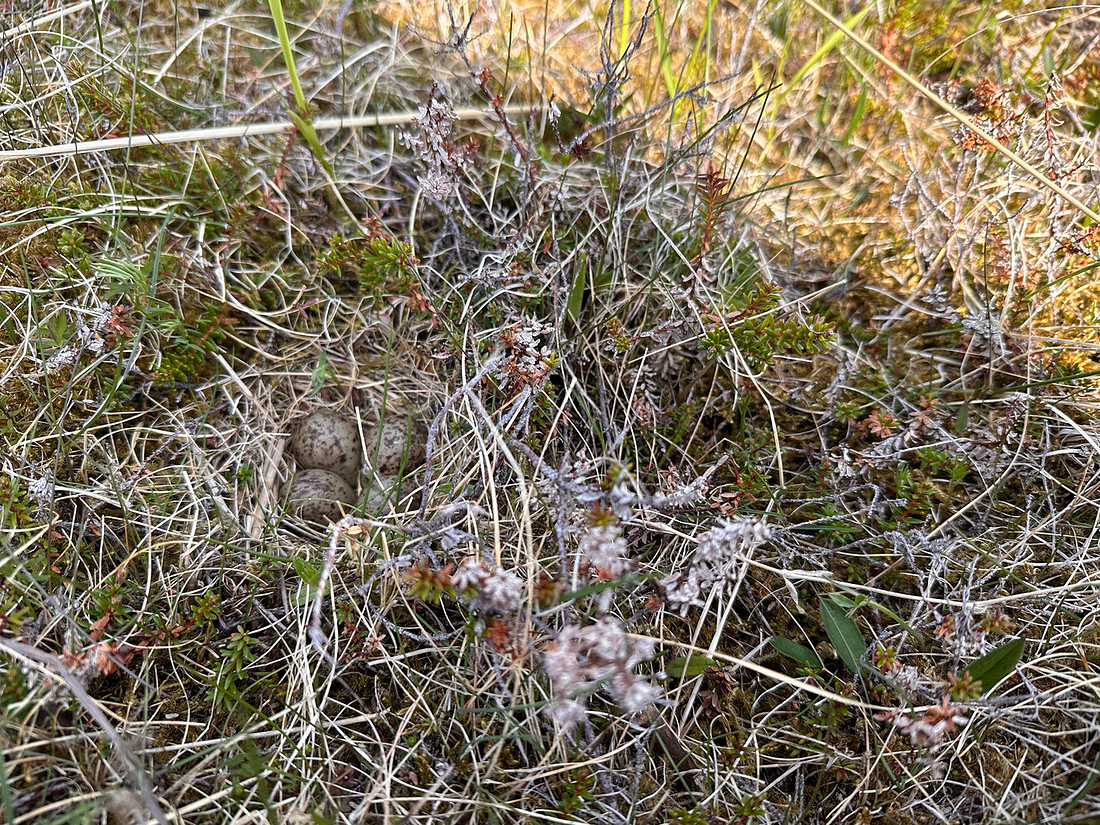
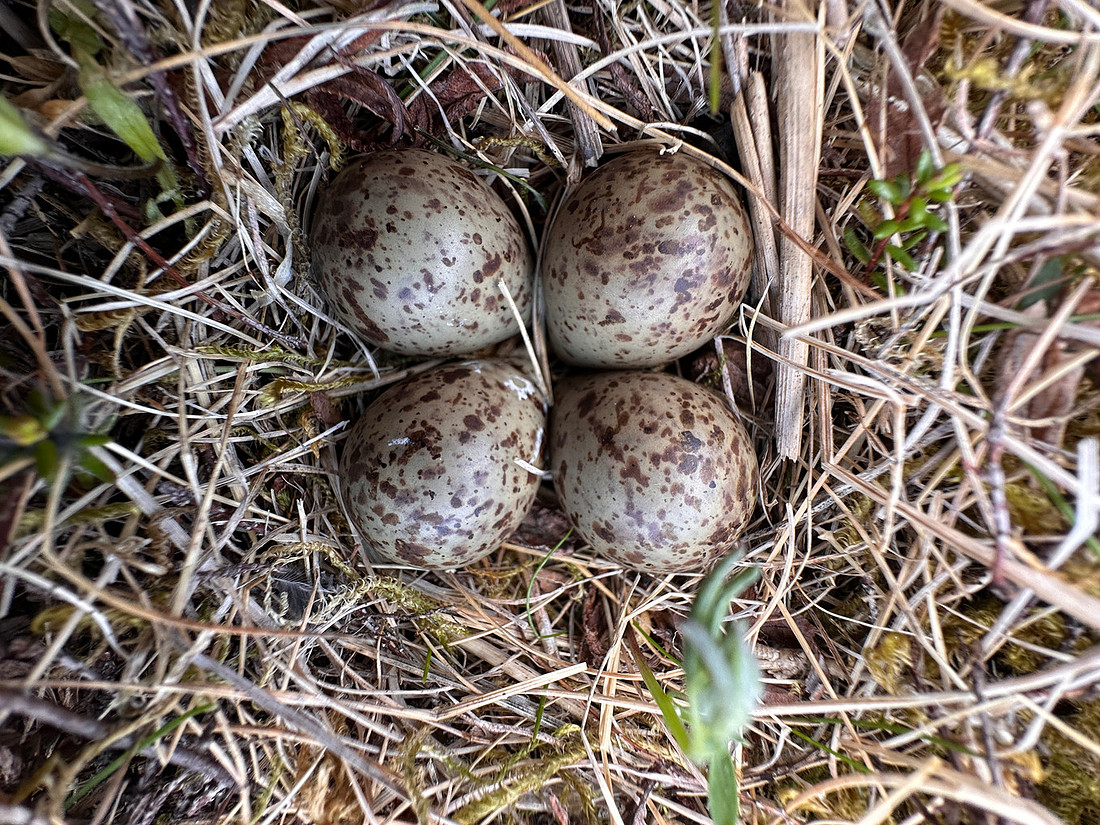
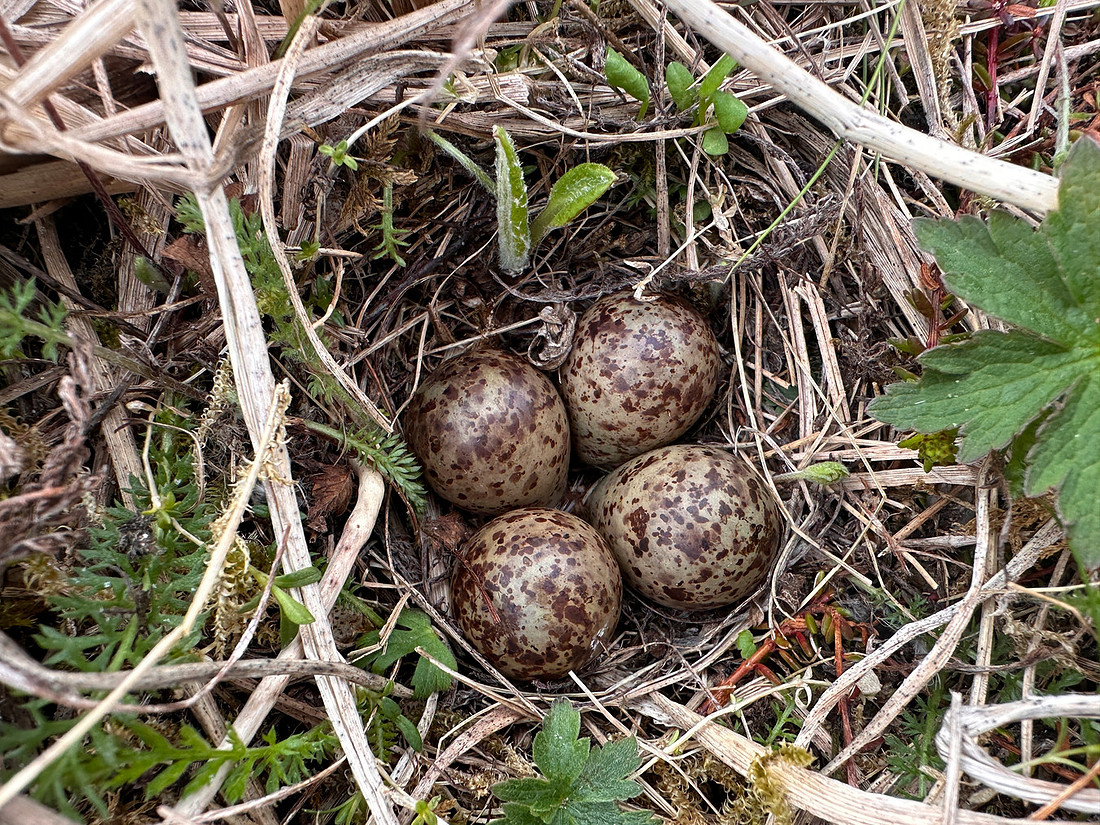
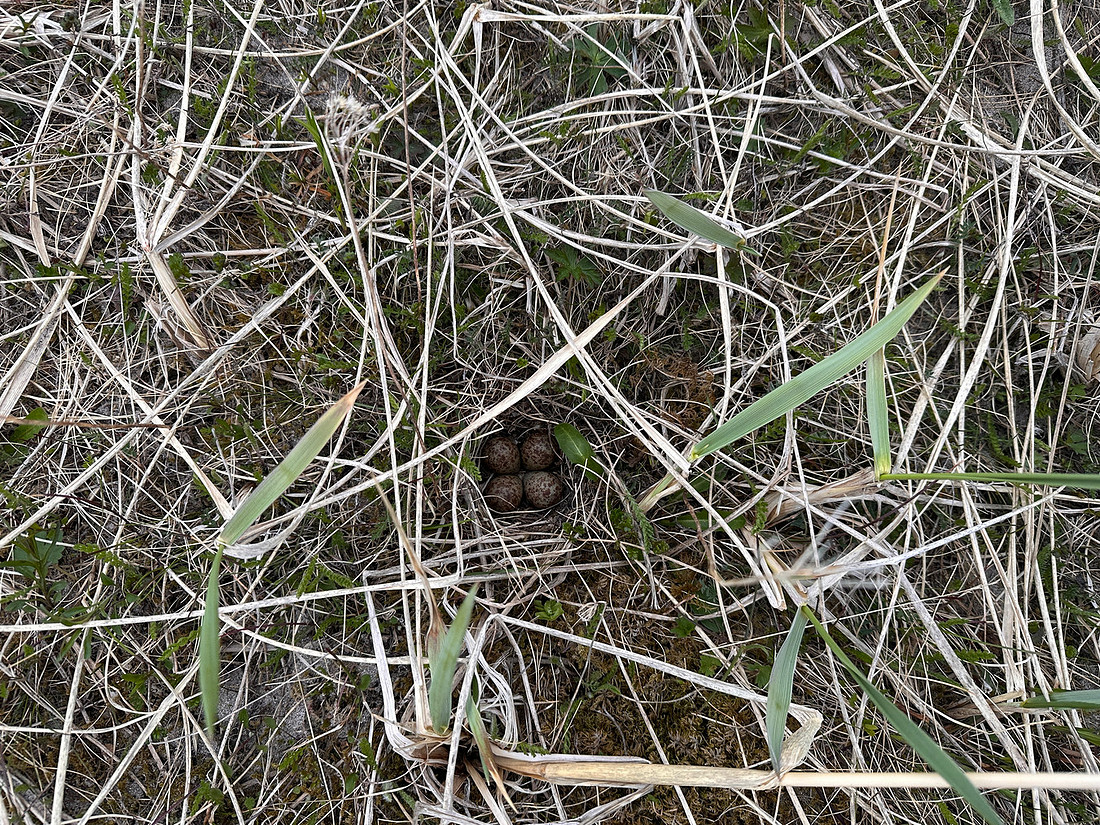
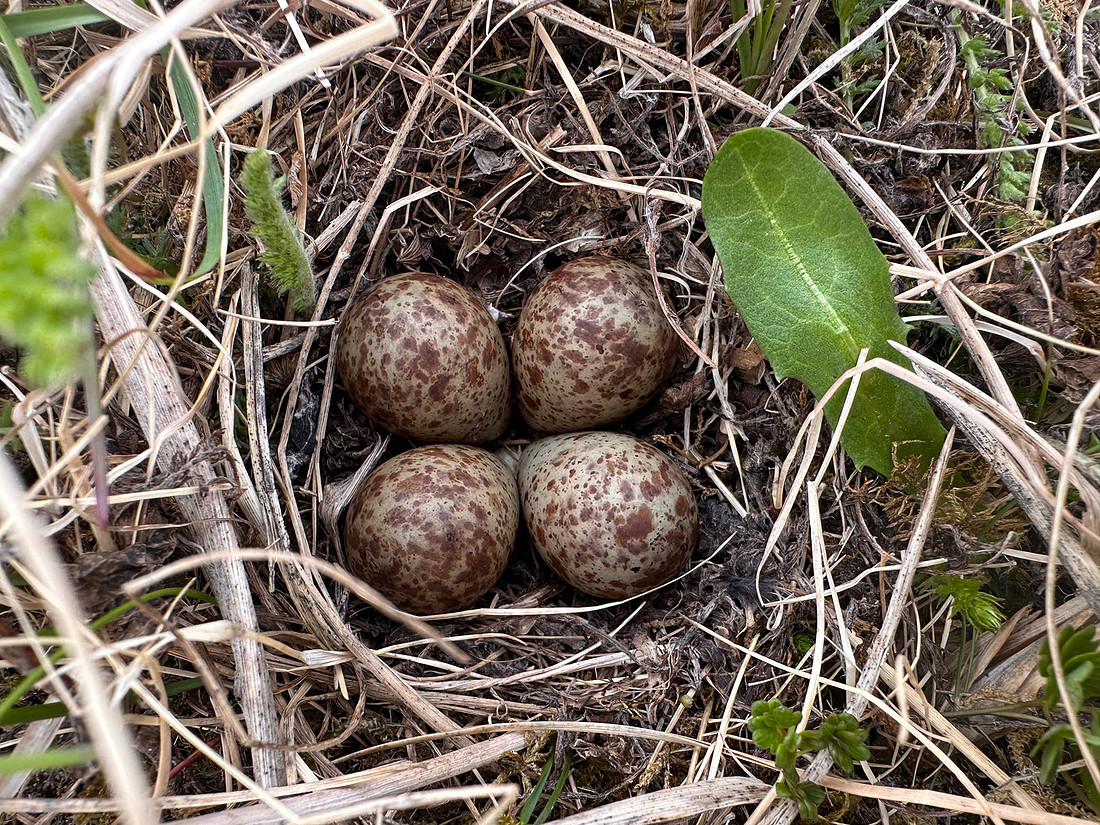
Within another ten metres, we hit our third nest of the day. Unbelievably, it was another Temminck’s Stint nest, and just like the first, it held a full clutch of four eggs (c4). In my opinion, Temminck’s stints produce some of the most beautifully marked eggs you will ever see—tiny, olive-buff gems heavily speckled with dark brown blotches, perfectly camouflaged against the ground. Finding two of these nests in a single afternoon is a massive privilege, because they are so tough to spot. These tiny waders have one of the most unusual mating strategies in the avian world. They use a "dual-clutch" system where the female lays a first clutch that the male incubates entirely alone. She then moves on to a different territory to lay a second clutch, which she incubates by herself. It was fantastic to observe a healthy population holding on and breeding successfully across this historic sub-Arctic range. After a few worrying years with no nesting birds recorded at all, it is fantastic to see a small population return to an historic area back home in Scotland. They have had mixed breeding success over the last few seasons, but they seem to be holding on. Hopefully, the returning population—continue to be successful.
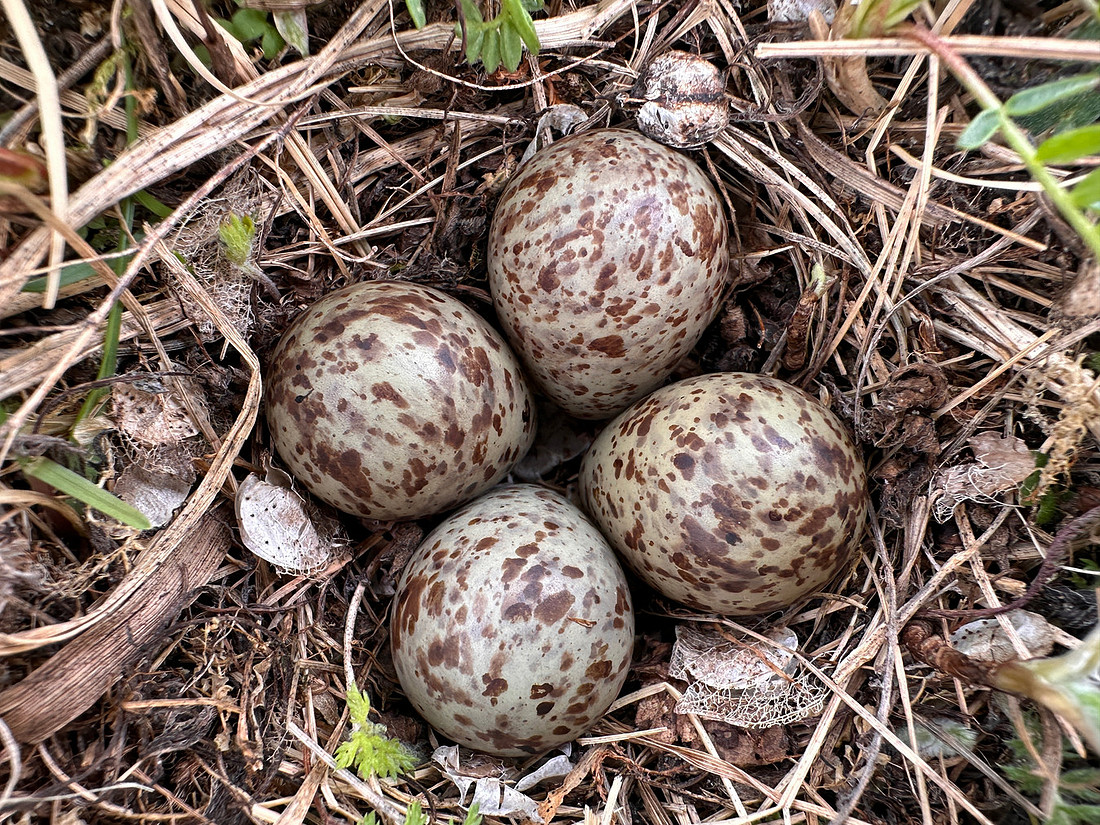 Temmincks Stint 2, Sandfjordneset, Norway June 2025
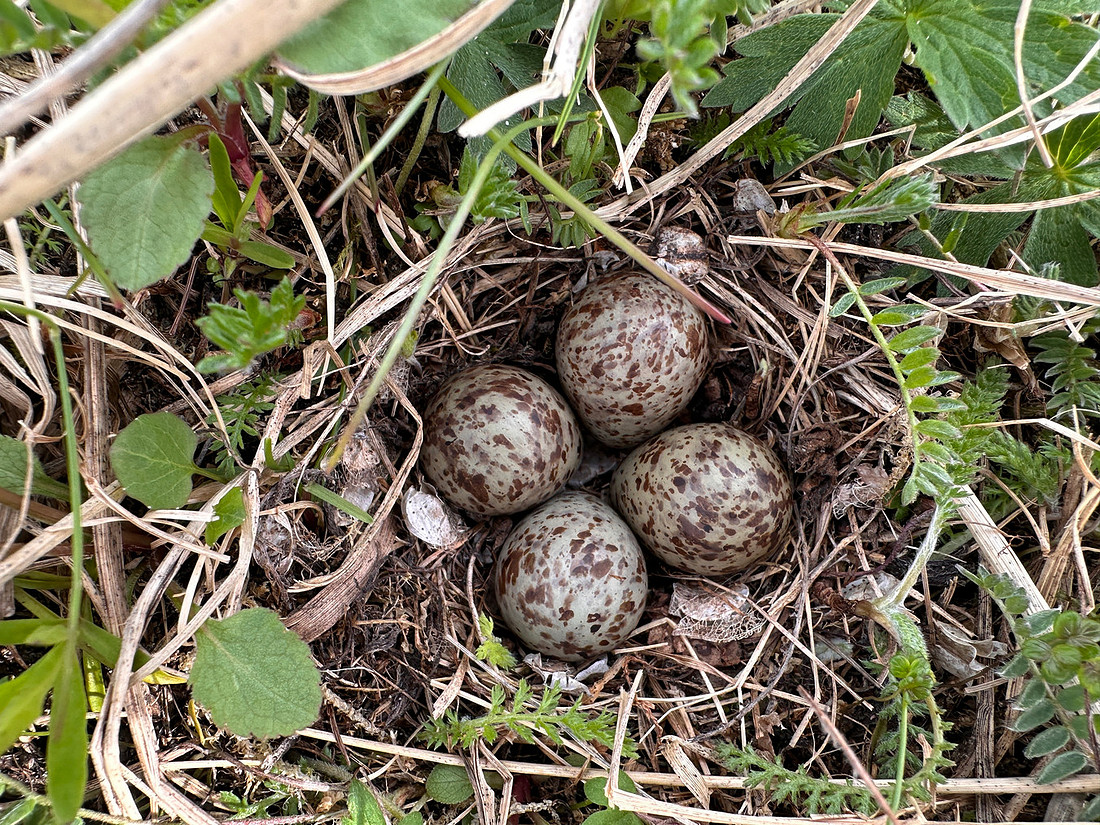 Temmincks Stint 2, Sandfjordneset, Norway June 2025
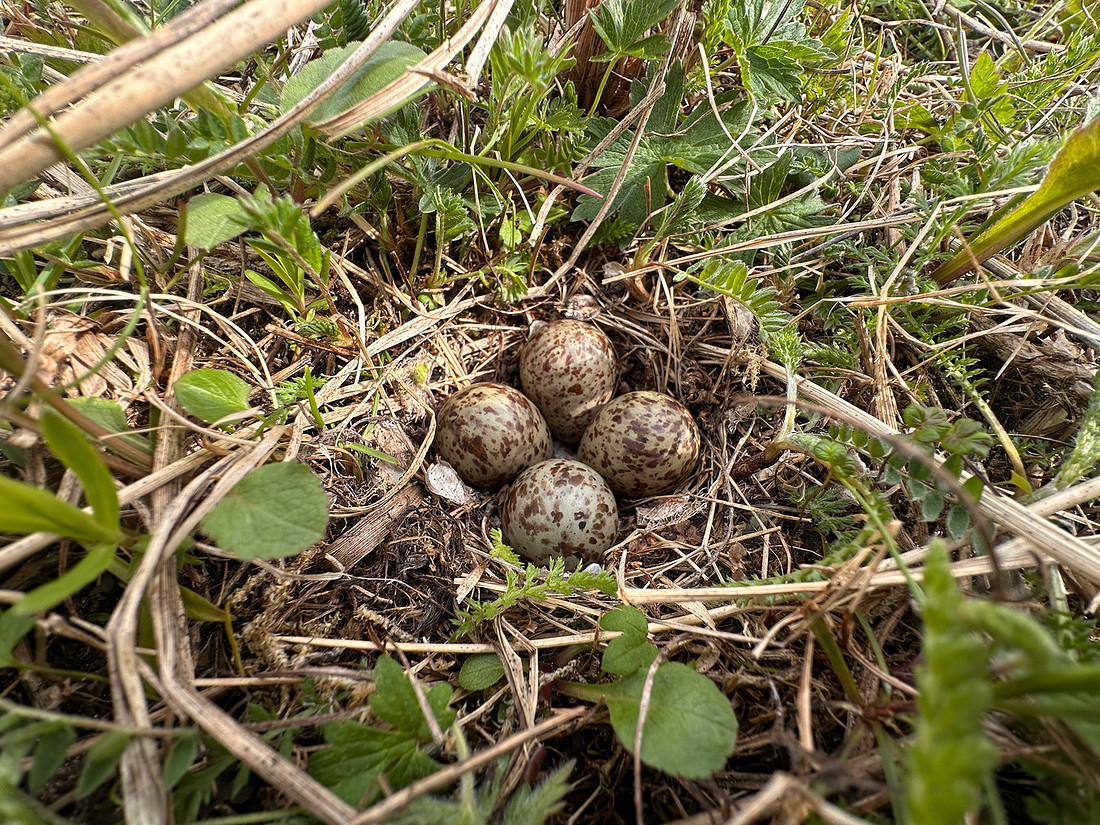 Temmincks Stint 2, Sandfjordneset, Norway June 2025
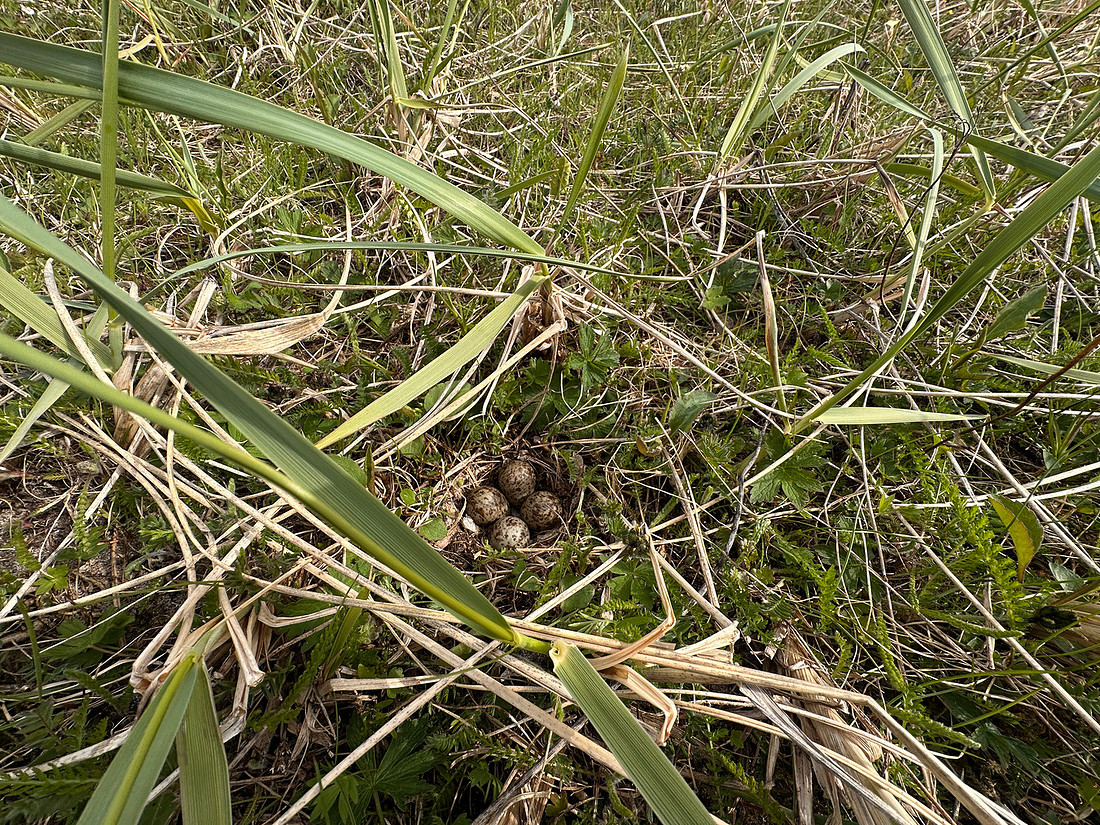 Temmincks Stint 2, Sandfjordneset, Norway June 2025
Temmincks Stint habitat, Sandfjordneset, Norway June 2025
The day continued to produce as we pushed along the track, which was no more than half a mile long. As we walked, birds continued to flush from the ground in quick succession. By the end of the brief trail, we had counted another three c4 clutches and a c3—an absolutely incredible return for a short morning stroll.
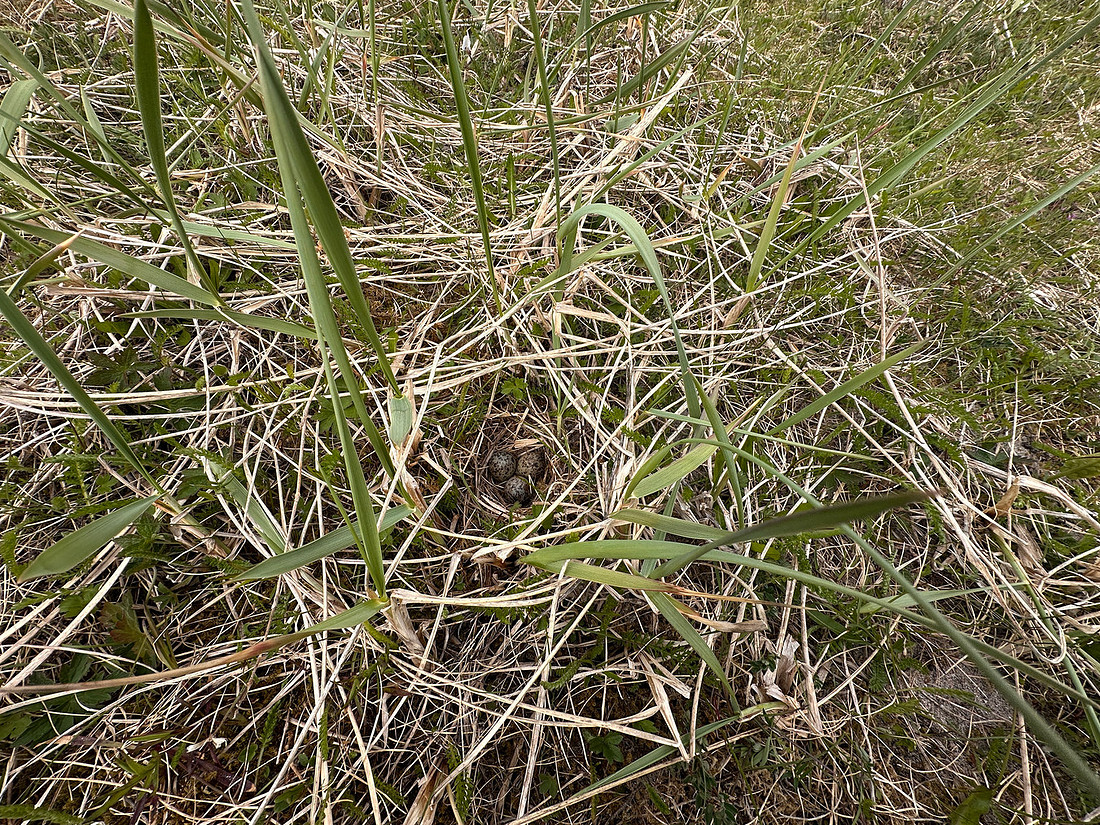 Temmincks Stint 3, Sandfjordneset, Norway June 2025
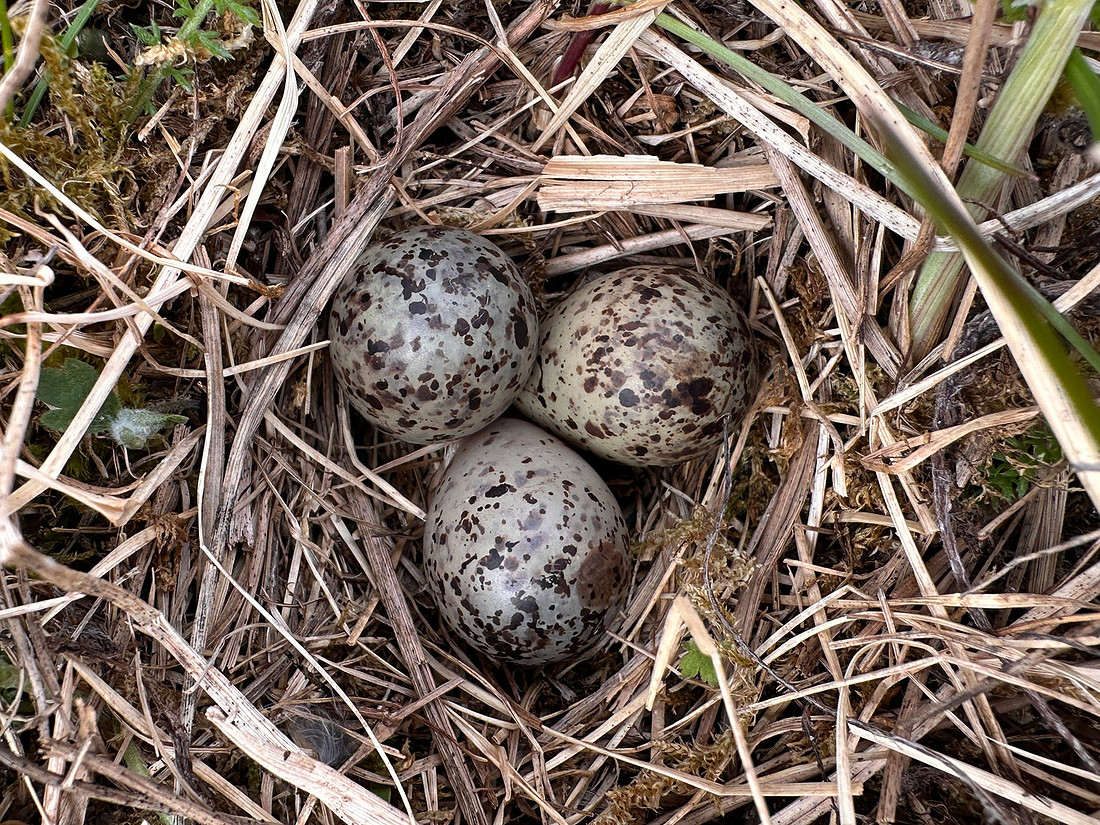 Temmincks Stint 3, Sandfjordneset, Norway June 2025
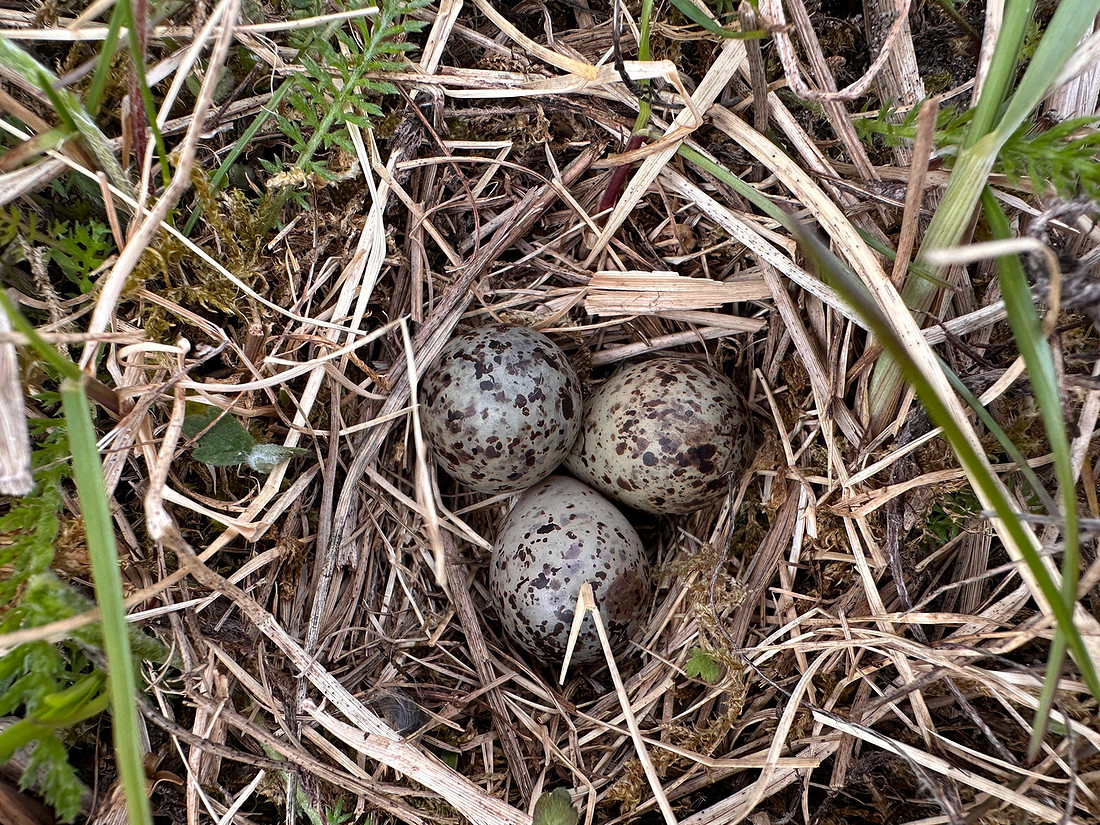 Temmincks Stint 3, Sandfjordneset, Norway June 2025
However, it’s the c3 clutch that has had us scratching our heads since returning home. The eggs in this particular nest were remarkably different in colour compared to the other sets we had been looking at. Looking back, we’ve started to question whether it could have potentially been a Little Stint(Calidris minuta) nest. Little Stints also breed in the high-latitude tundra of northern Norway and utilize a similarly fascinating successive bigamy mating strategy. Because we were so focused on the Temminck’s in the field, we didn't wait around to observe the adult return to the nest. With the benefit of hindsight, we absolutely should have looked a bit deeper into this one. We had a strong suspicion that dedicating more time to the dunes would have revealed even more breeding pairs, but with the day moving fast, we decided to backtrack half a mile up the road to check out a promising stretch of the same river.
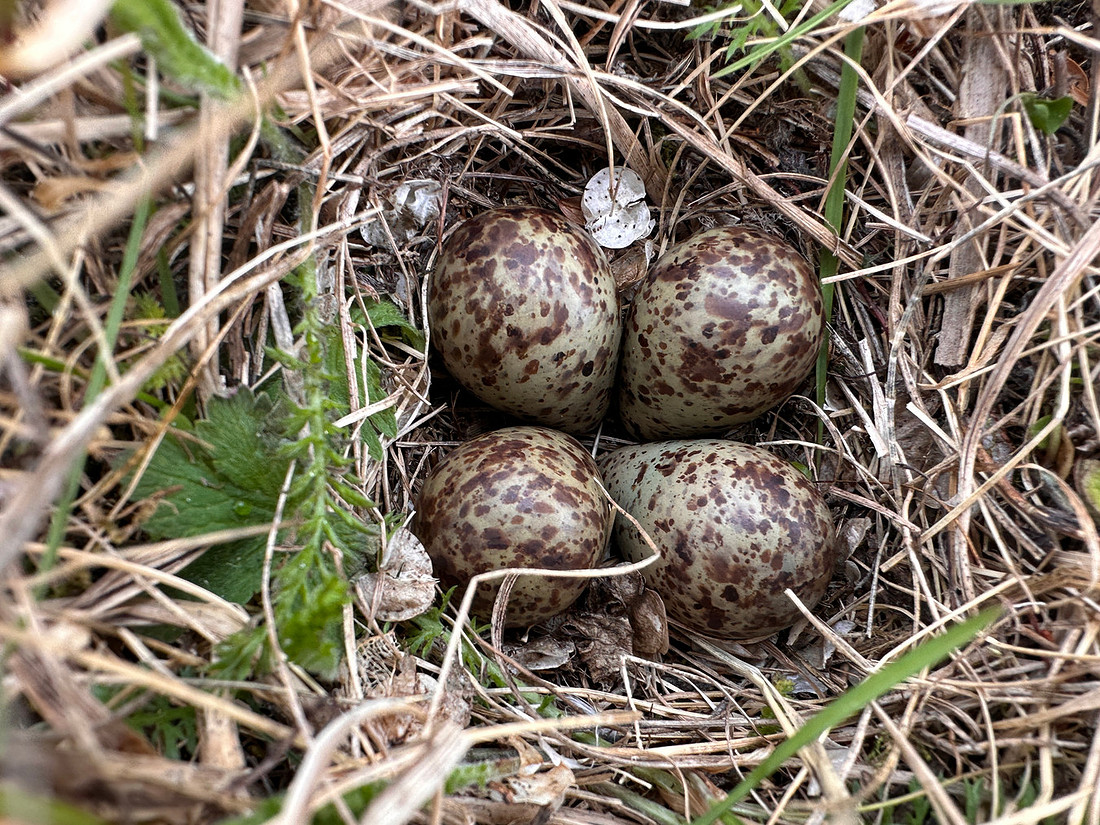
Temmincks Stint 4, Sandfjordneset, Norway June 2025
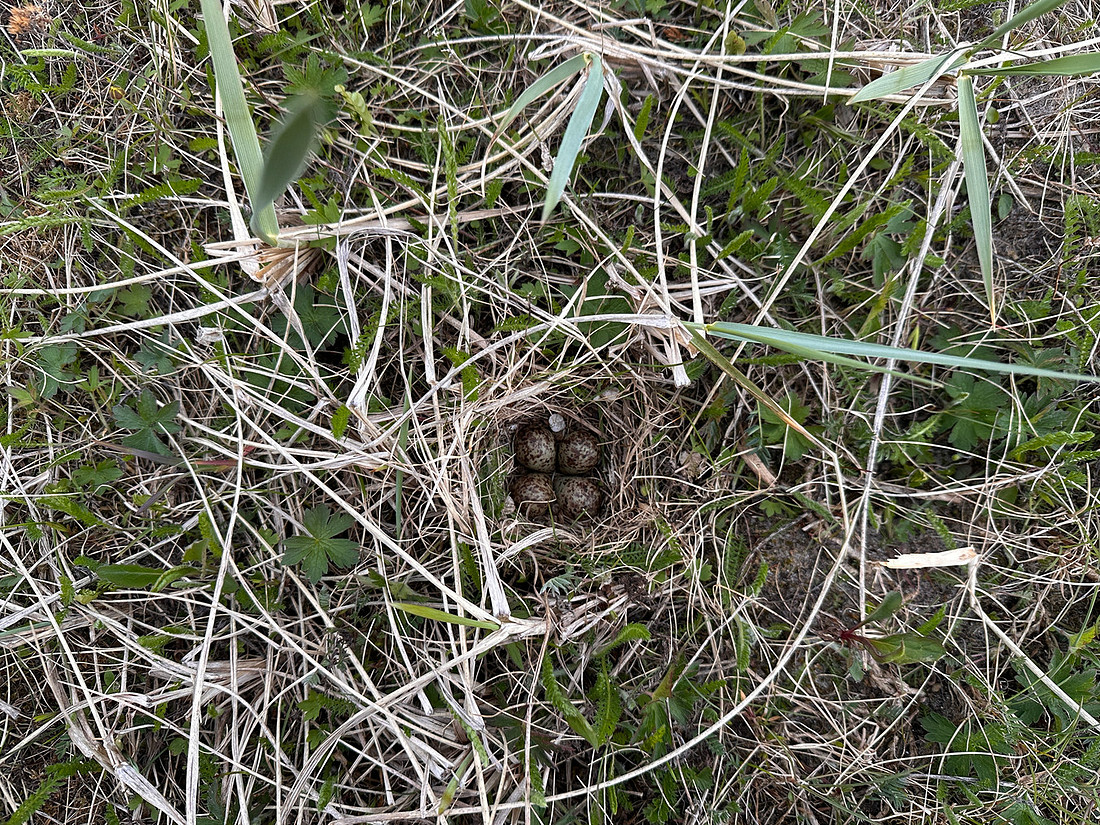 Temmincks Stint 4, Sandfjordneset, Norway June 2025
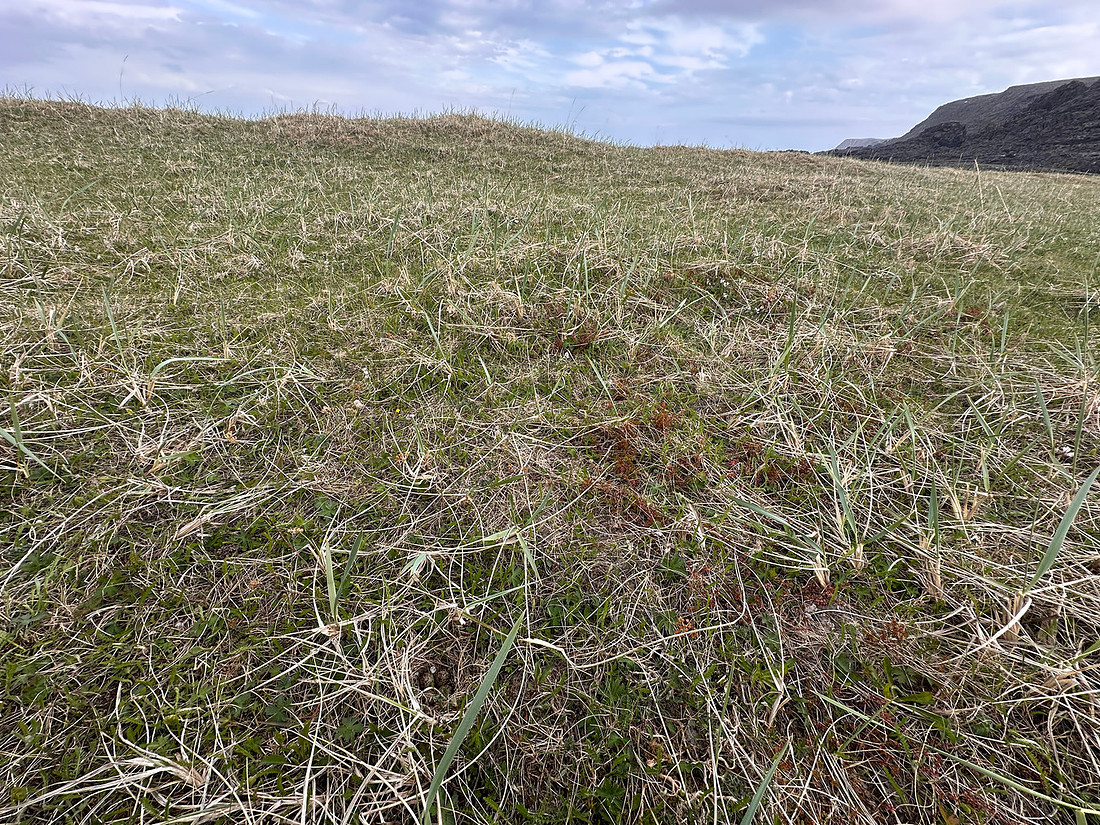 Temmincks Stint 4, Sandfjordneset, Norway June 2025
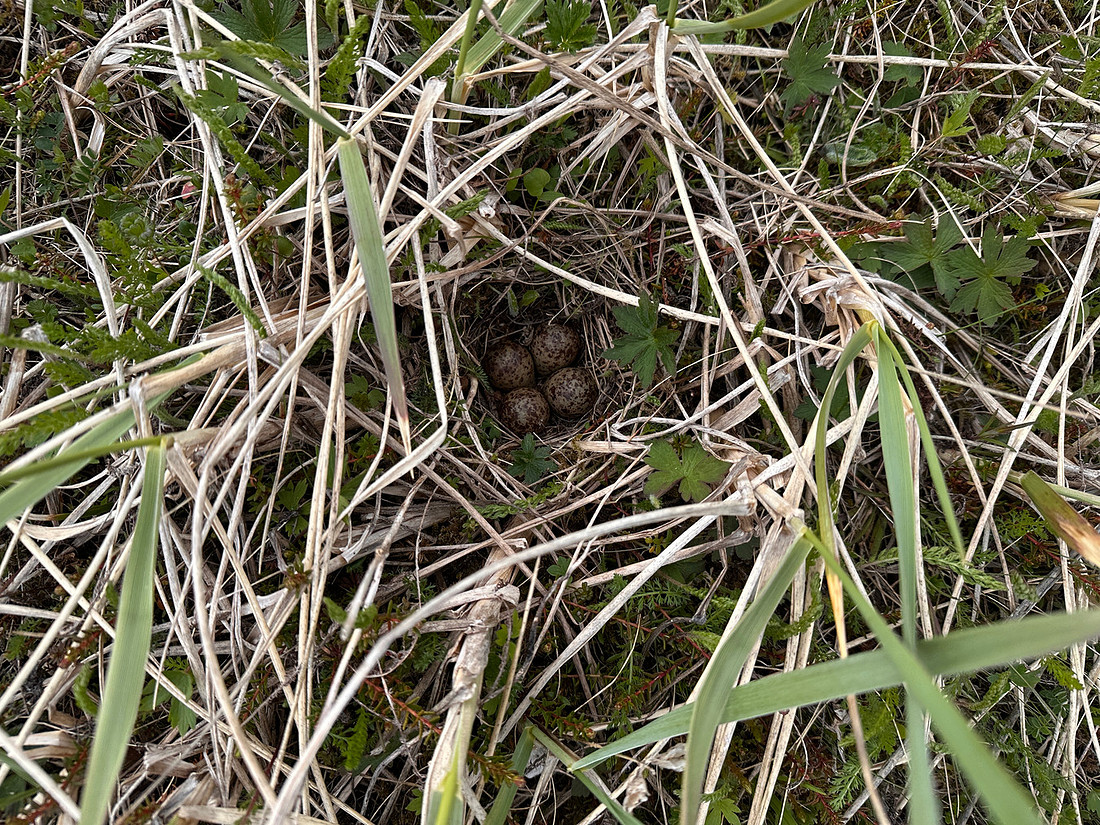 Temmincks Stint 5, Sandfjordneset, Norway June 2025
 Temmincks Stint 5, Sandfjordneset, Norway June 2025
 Temmincks Stint 6, Sandfjordneset, Norway June 2025
 Temmincks Stint 6, Sandfjordneset, Norway June 2025
Sandfjordneset, Norway June 2025
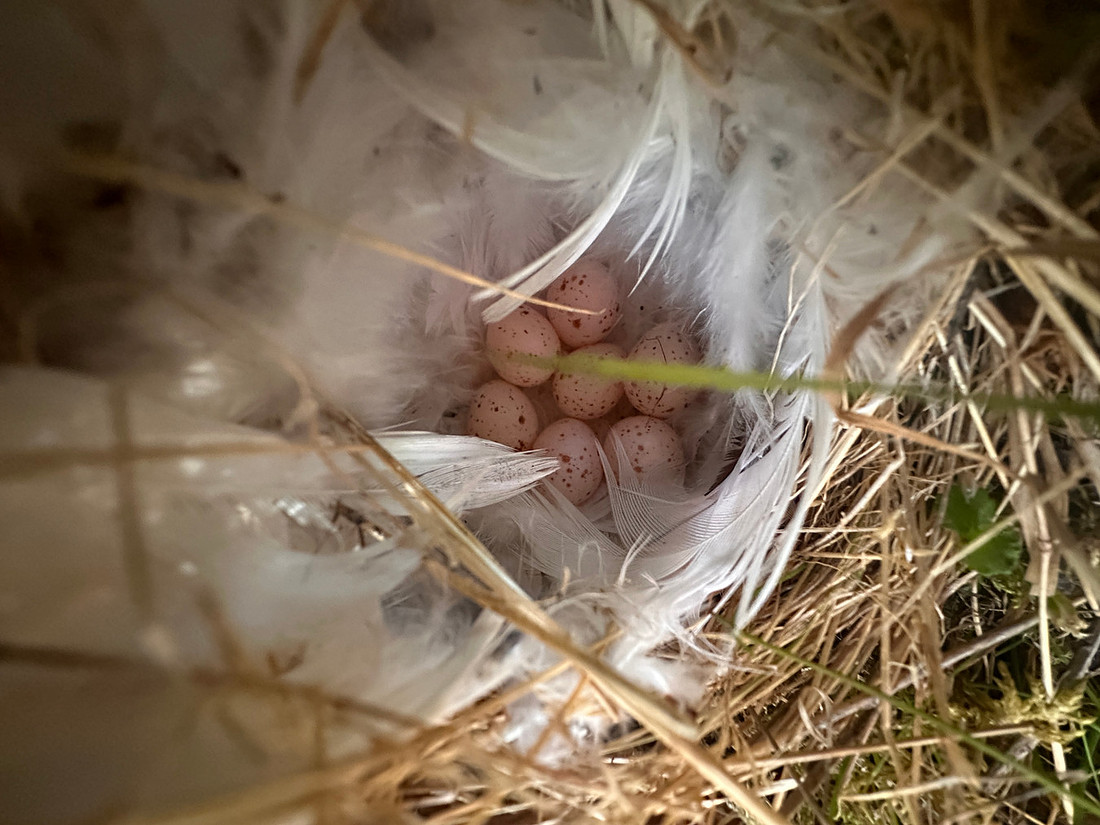
Walking down to the water's edge, we were treated to the spectacular sight of a couple of Ruff lekking. In their full summer plumage, they look wonderfully strange yet undeniably stunning. A Common Sandpiper and a few Wood Sandpipers were also busy working the shoreline. Continuing around a bend in the river, we flushed a Willow Warbler from a seven-egg nest (c7). The habitat transitioned into larger willow trees, and the dense scrub began to echo with the songs of Sedge Warblers.
 Willow Warbler, Sandfjordneset, Norway June 2025
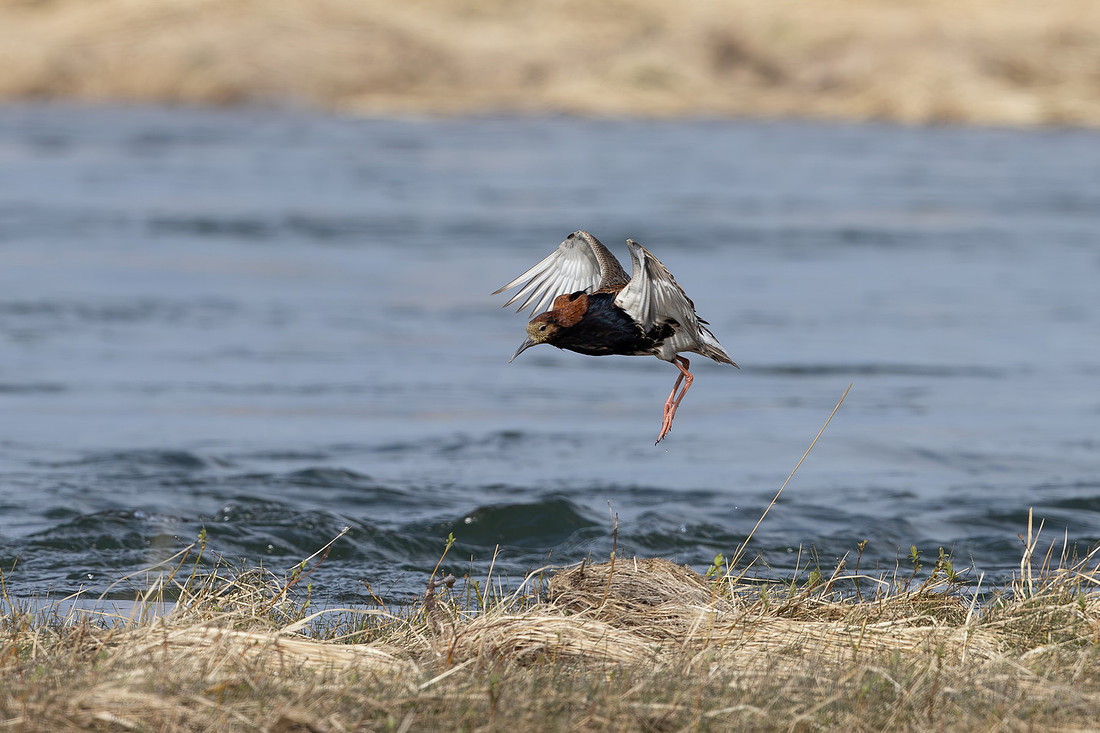 Ruff, Sandfjordneset, Norway June 2025
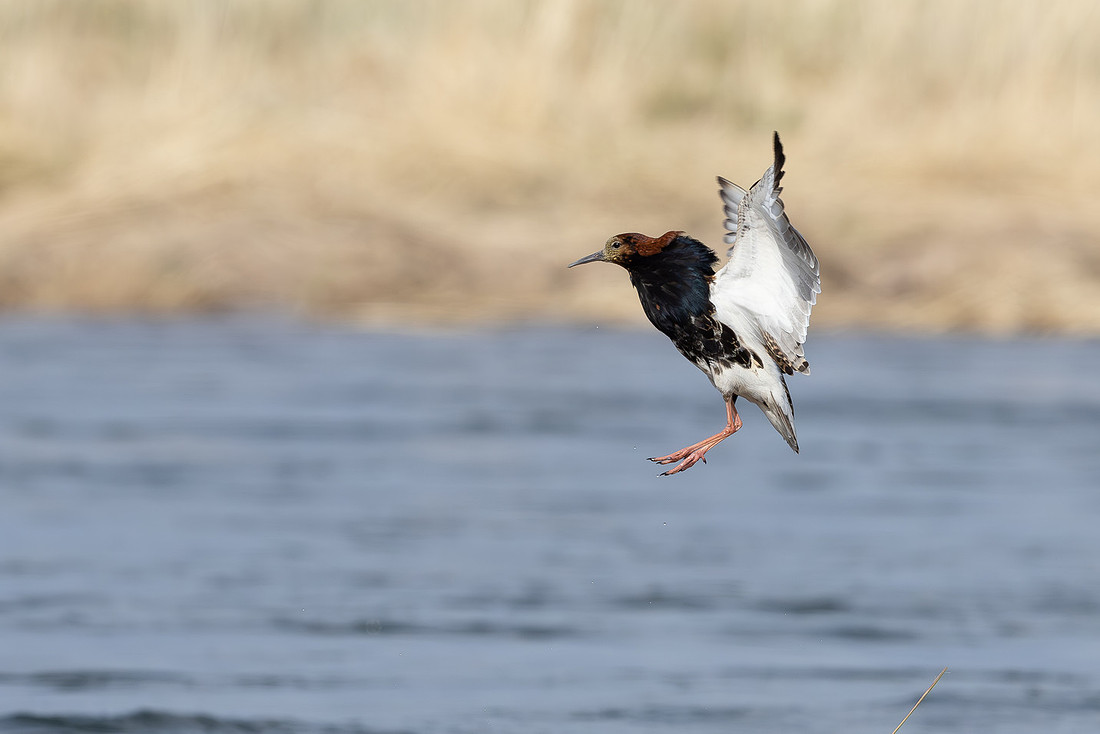 Ruff, Sandfjordneset, Norway June 2025
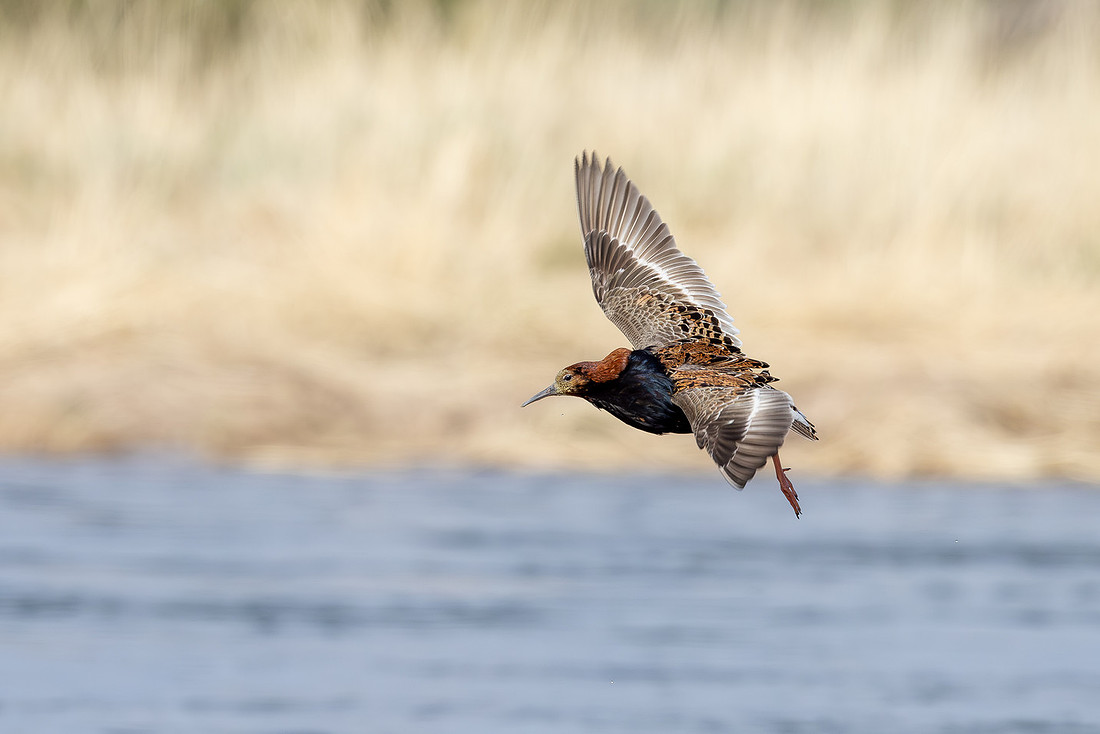 Ruff, Sandfjordneset, Norway June 2025
Then, we spotted a Bluethroat holding territory on the opposite side of a small stream. Wanting to enjoy the view without causing any disturbance, we quietly sat down on the bank, making sure to keep a respectful distance. But as we lowered ourselves to the ground, we inadvertently flushed a Redwing from a nest tucked right beneath the lip of the bank we were sitting on. Peering closely, we discovered it contained a clutch of three eggs (c/3). Redwings are famously adaptable breeders, known for nesting everywhere from trees and shrubs to the ground. In tundra landscapes, they frequently construct their cup-shaped nests directly on the earth—often tucked securely into sloping banks, hidden under low vegetation, or nestled among dense ground cover. Finding this one tucked so perfectly into the very bank we chose to rest on was a brilliant surprise. Ornithological studies show that female Redwings often choose their nesting spots entirely at random, without relying on where they previously nested or where they were hatched themselves. In northern taiga and Arctic regions, this unpredictable shifting between tree and ground sites actually serves as a tactical survival mechanism. By constantly switching up their nesting strategy, they keep local predators guessing, which significantly lowers overall chick mortality rates.
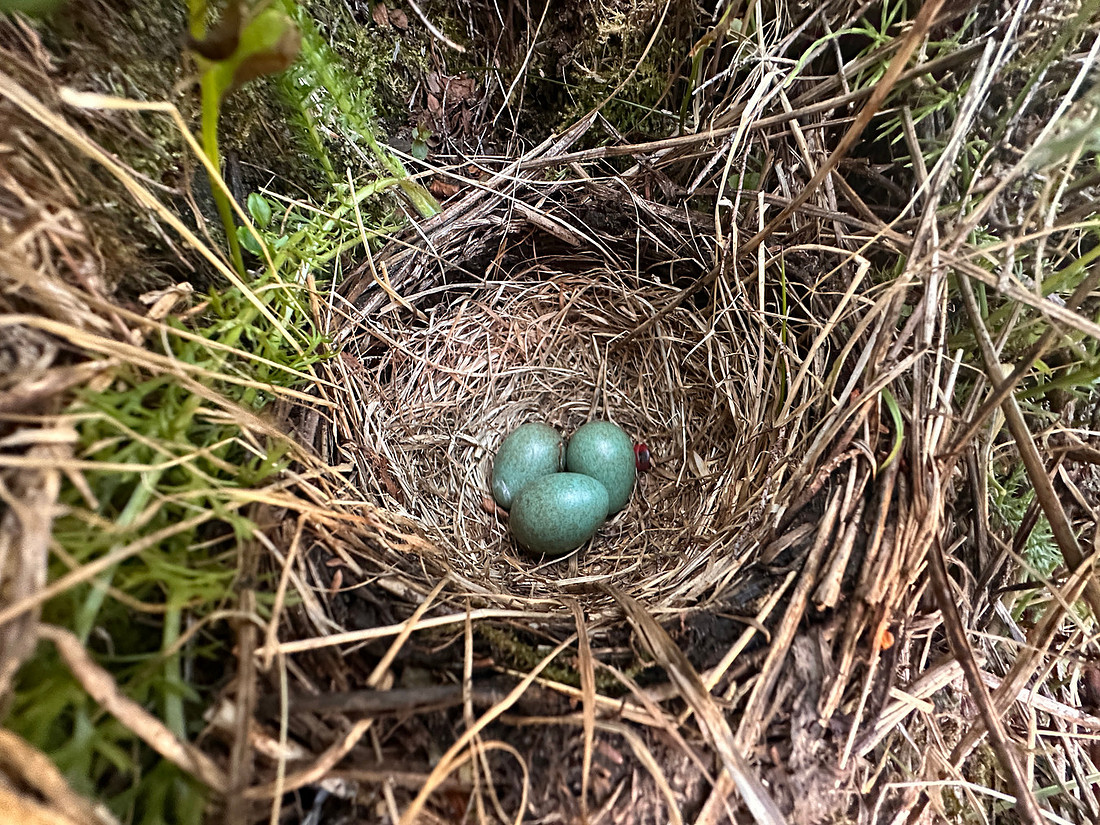 Redwing, Sandfjordneset, Norway June 2025
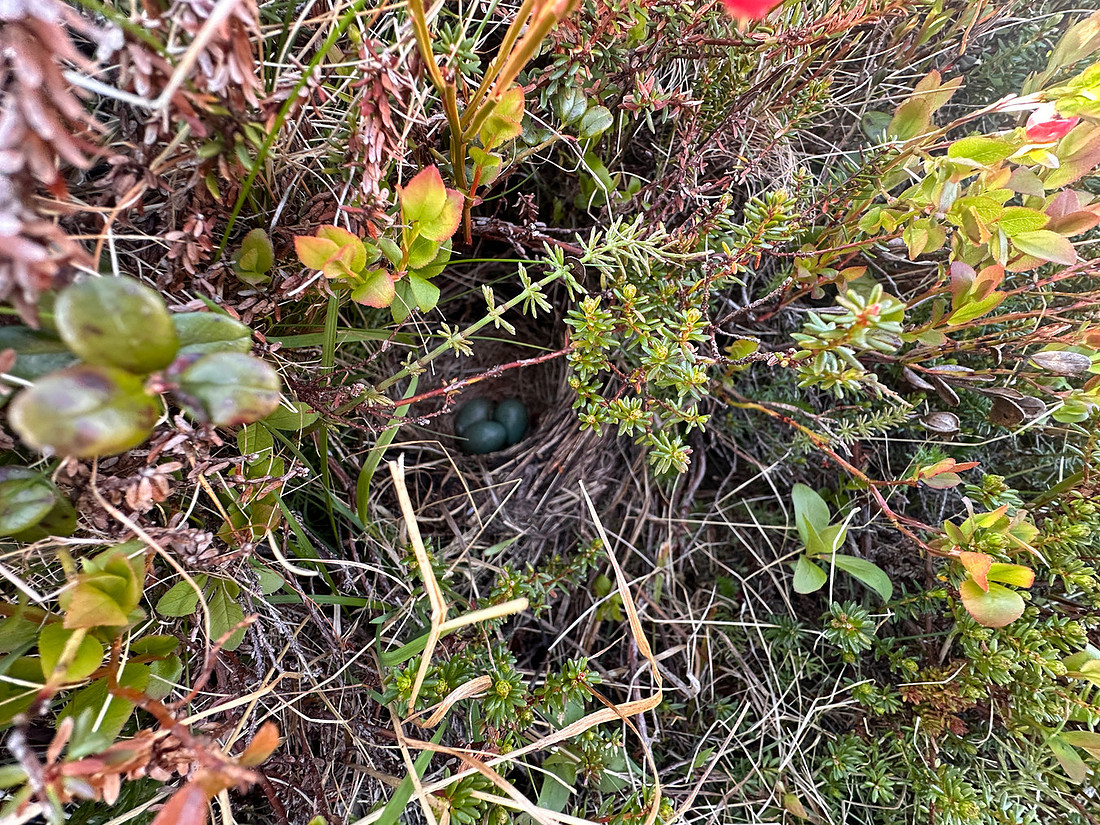 Redwing, Sandfjordneset, Norway June 2025
To our delight, a second Bluethroat appeared, instantly peaking our attention. We watched the pair intently for a while until the female vanished into a grassy patch at the base of a birch tree. We were convinced this was a nesting pair, but without waders, a direct crossing was out of the question. Instead, we had to carefully negotiate a path through the dense, tangled scrub to reach the suspected site. On our way in, we cross paths with a Fieldfare on five eggs (c5). I stopped to photograph the bird while Adrian and Ricky pressed on toward the Bluethroats.
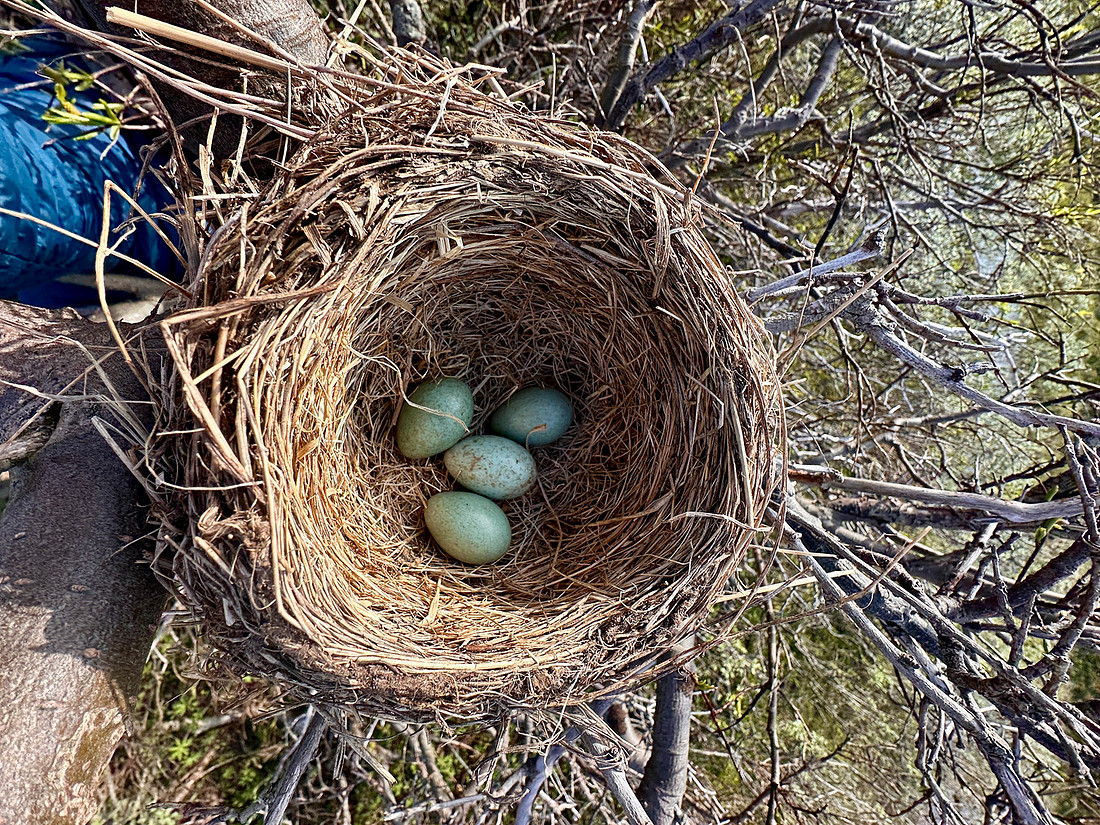 Fieldfare, Sandfjordneset, Norway June 2025
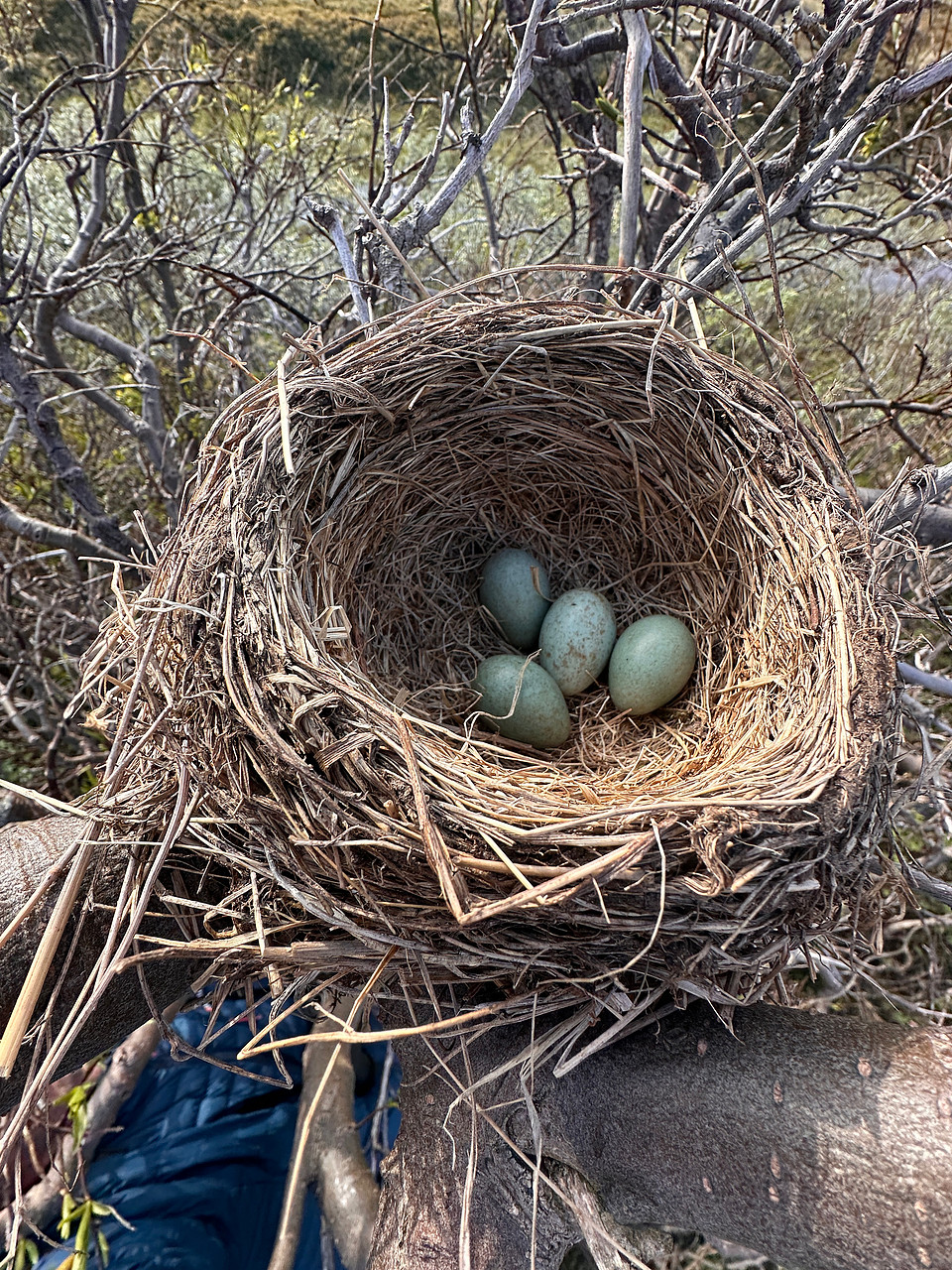 Fieldfare, Sandfjordneset, Norway June 2025
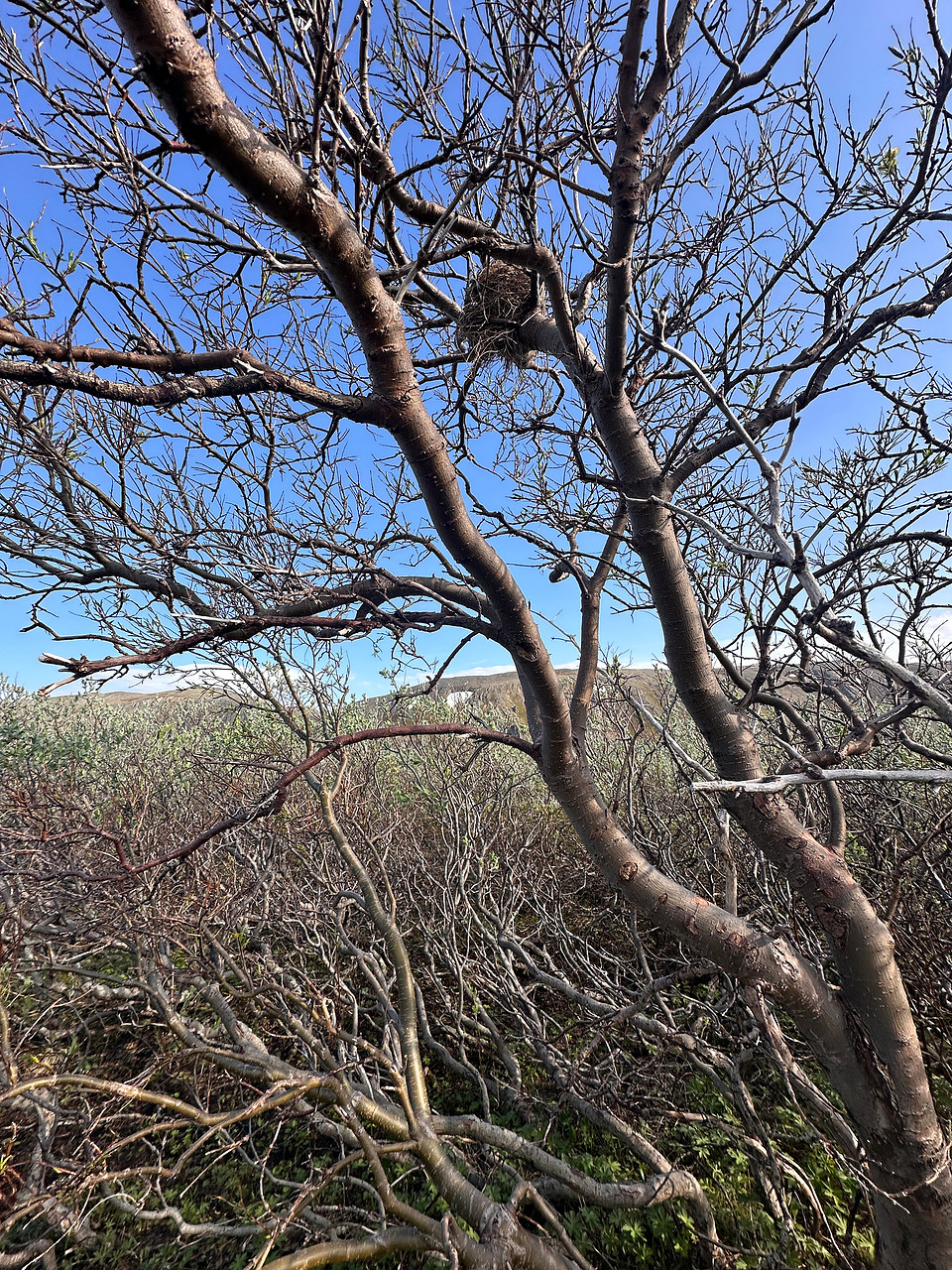 Fieldfare, Sandfjordneset, Norway June 2025
As expected, the female flushed right from the base of the tree. Adrian bent down to inspect the scrape. He let out a heavy sigh, looking thoroughly disappointed, and muttered, "It's chicks." Now, while it is always a privilege to find a nest at any stage, there is undeniably something special about finding a complete, warm clutch of eggs. Feeling a bit deflated, I bent down to take a look myself. Peering into the nest cup, I was greeted by a stunning clutch of seven brilliant, sky-blue eggs—only to hear Adrian chuckling behind my back! He had completely wound me up. While they might not possess the intricate patterns of some of the waders we had seen, a c7 Bluethroat nest was an absolute masterpiece to witness.
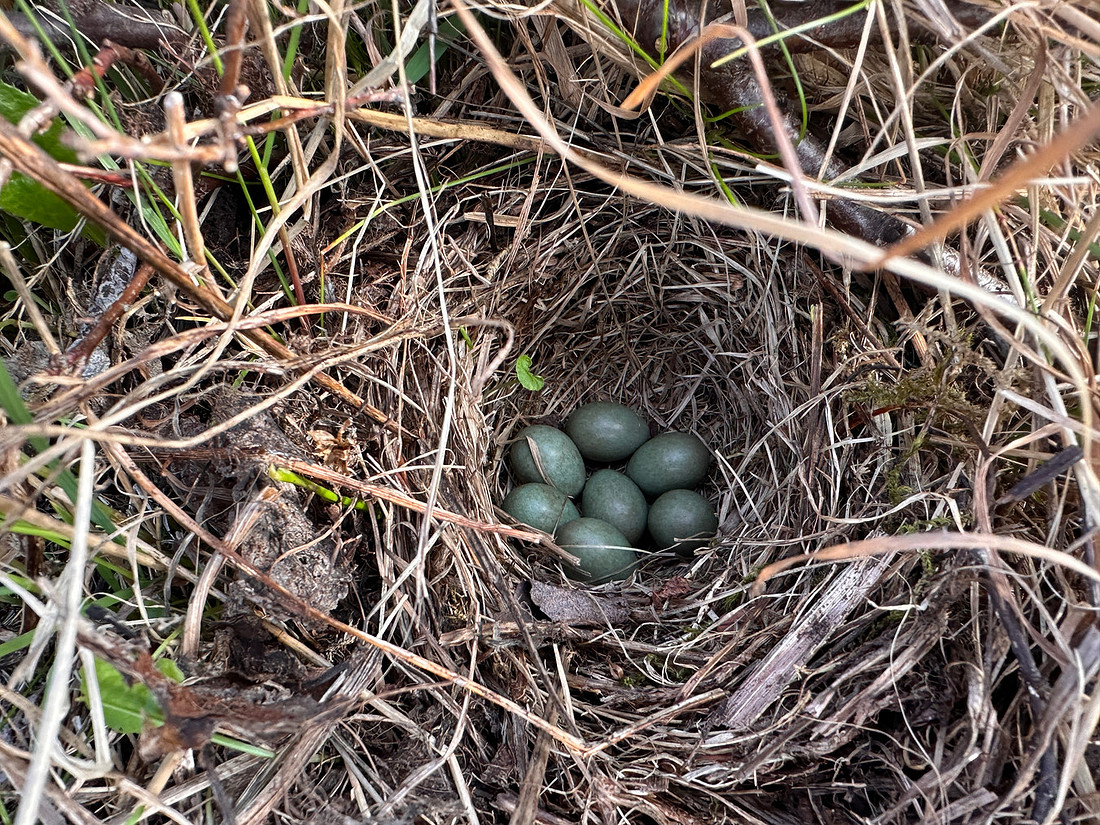 Bluethroat, Sandfjordneset, Norway June 2025
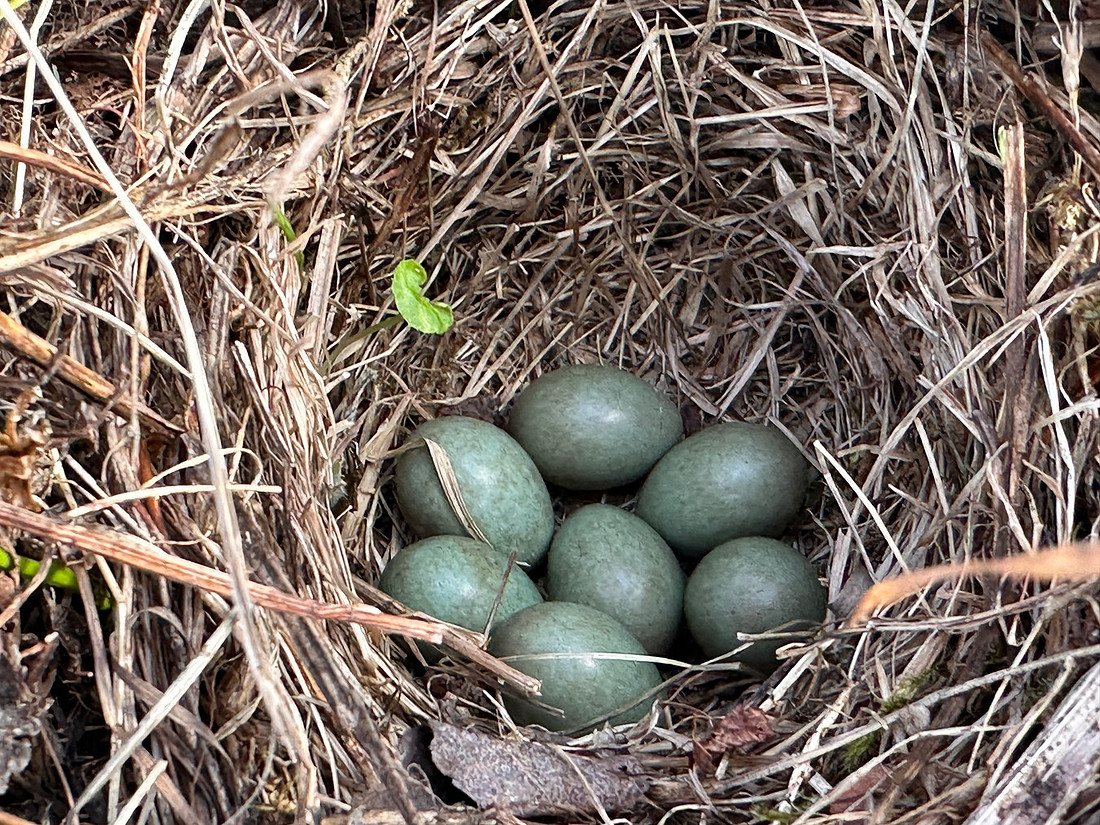 Bluethroat, Sandfjordneset, Norway June 2025
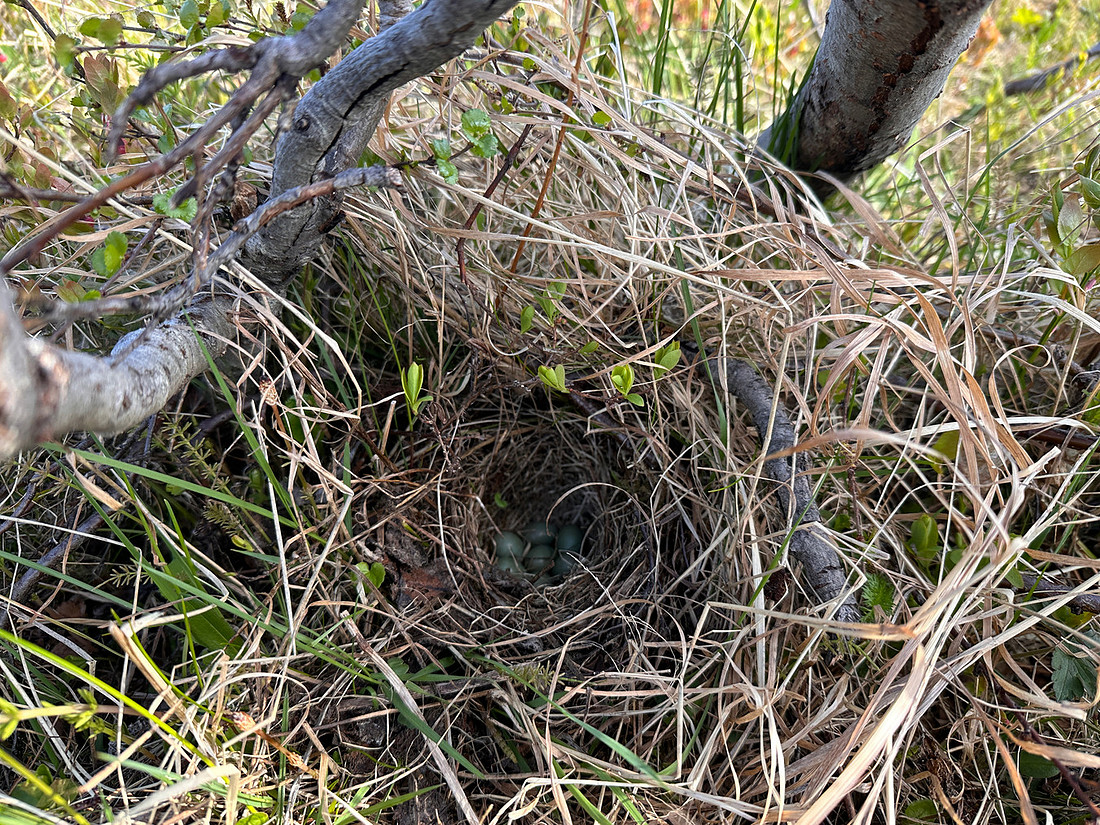 Bluethroat, Sandfjordneset, Norway June 2025
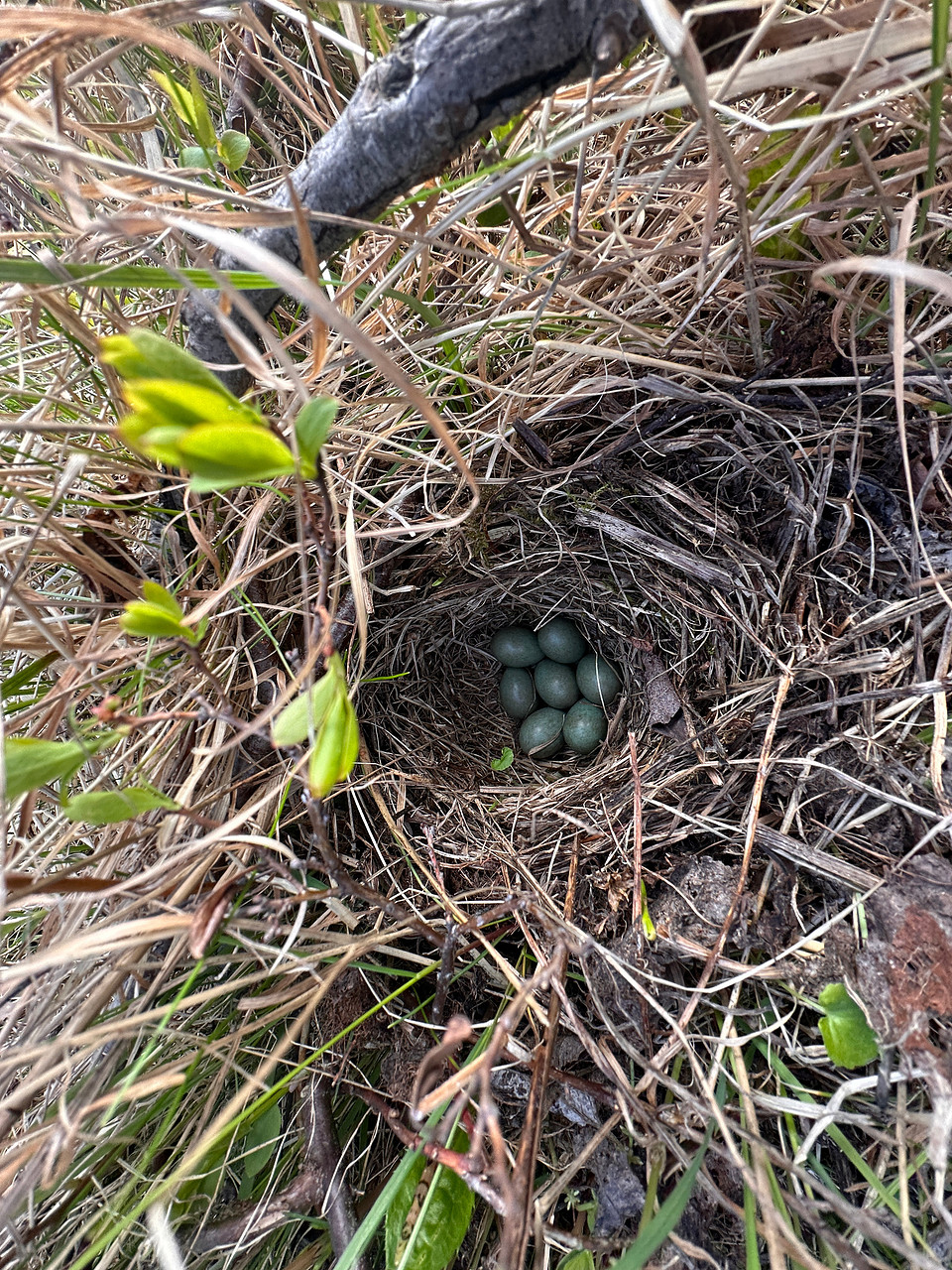 Bluethroat, Sandfjordneset, Norway June 2025
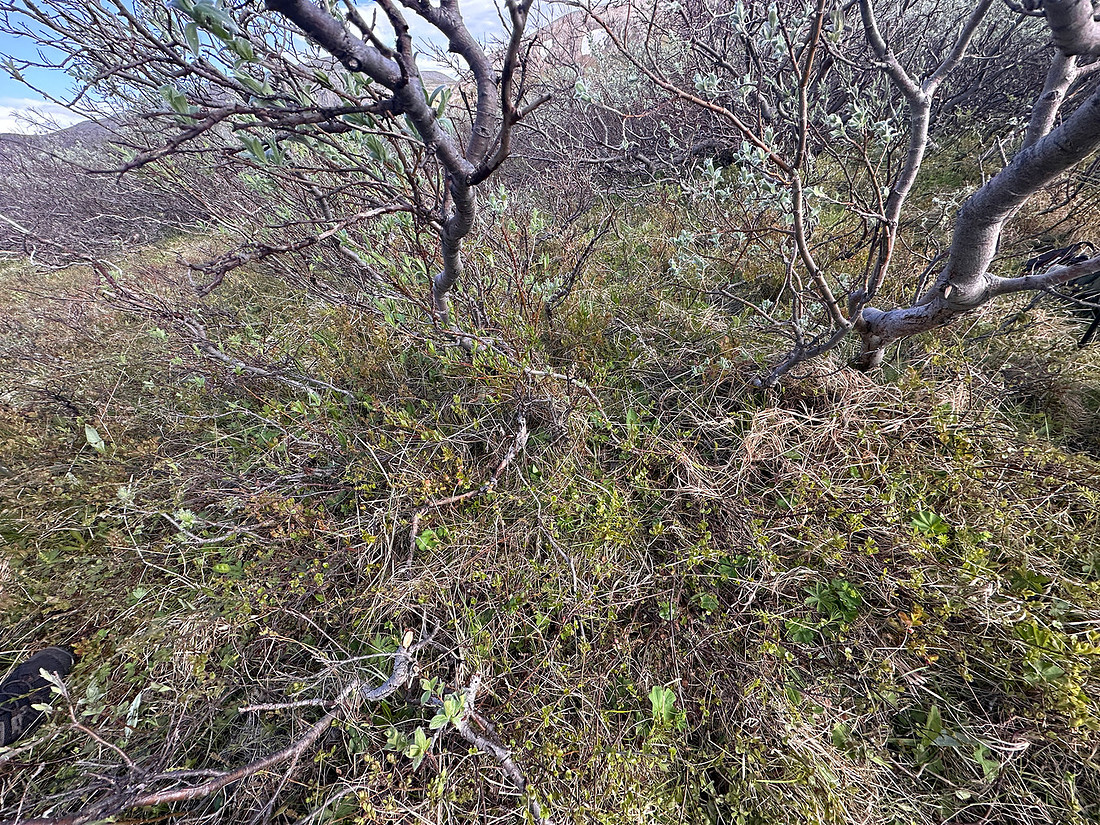 Bluethroat, Sandfjordneset, Norway June 2025
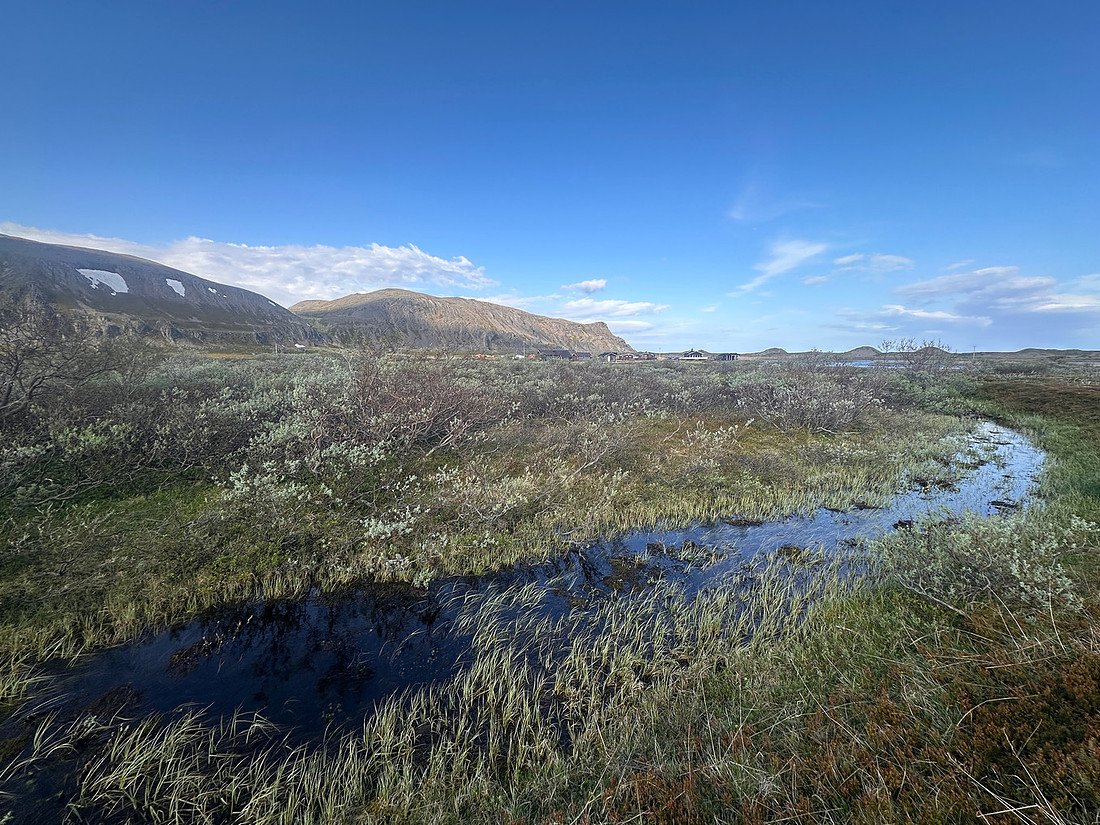 Bluethroat location, Sandfjordneset, Norway June 2025
Bluethroat, Sandfjordneset, Norway June 2025
The day still had one final surprise in store. As I retraced my steps back toward the Ruff lek, walking the exact same ground I had traversed earlier, a Temminck's Stint exploded from right beneath my feet. It immediately launched into a textbook distraction display, feigning a broken wing to lure me away. I managed to snap a few photos of the performance before carefully scanning the exposed, rocky ground where it had flushed. Hidden inside a small patch of sparse grass, I uncovered yet another c4 Temminck's Stint nest. Situated so close to the margins, this one looked incredibly vulnerable to any sudden fluctuations in the river's water level. It was a phenomenal, high-yielding end to the day.
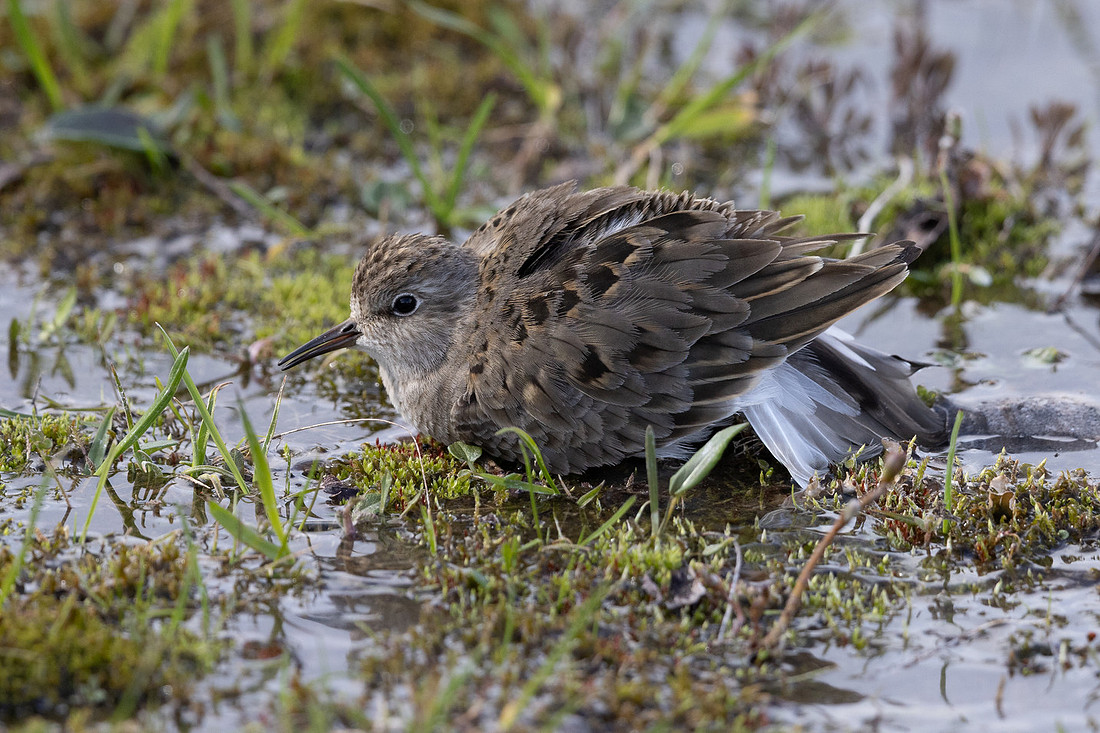 Temmincks Stint, Sandfjordneset, Norway June 2025
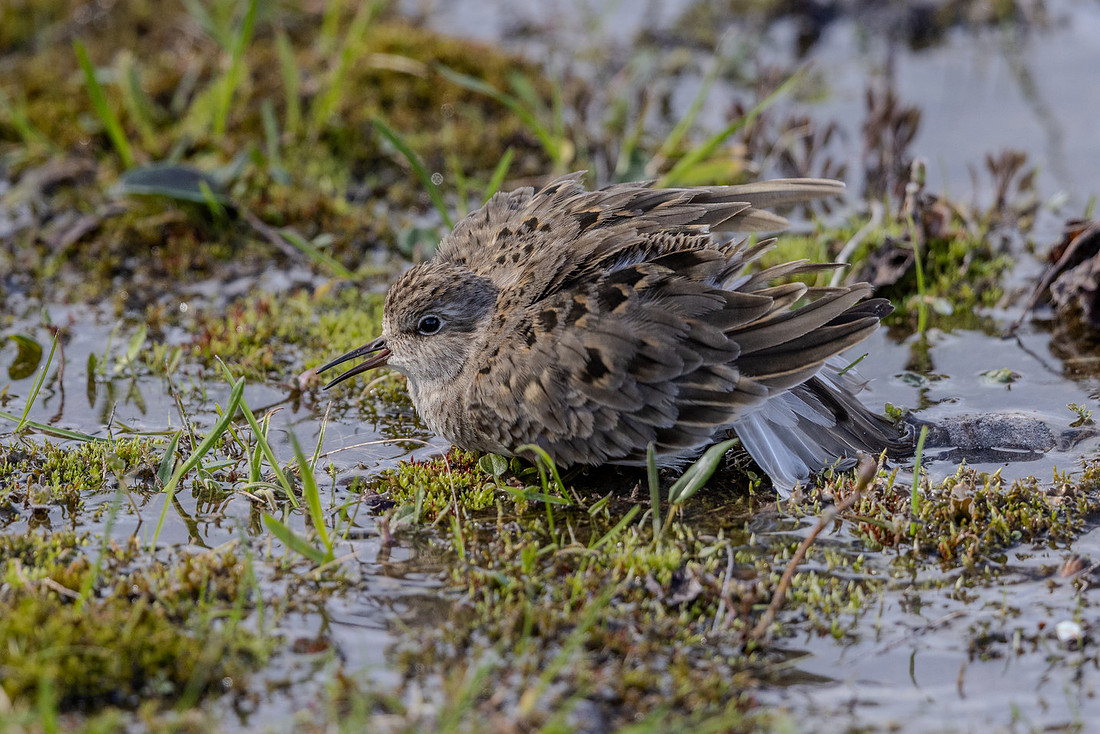 Temmincks Stint, Sandfjordneset, Norway June 2025
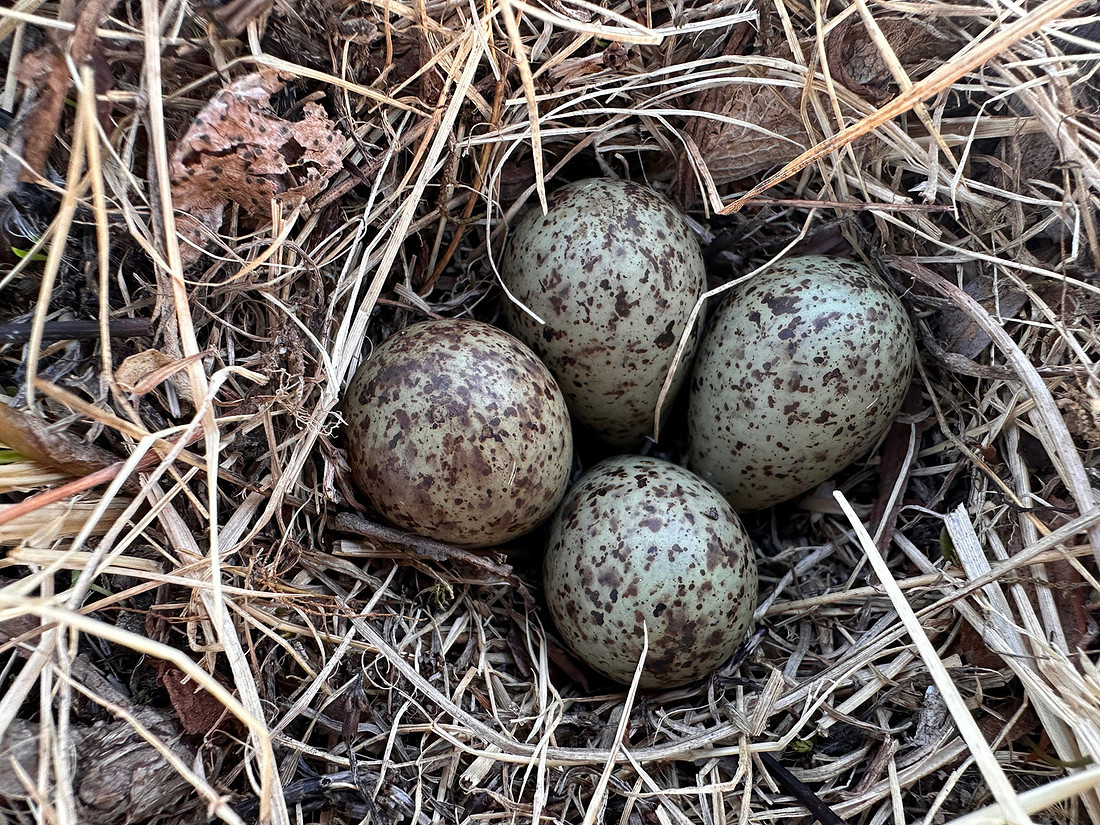 Temmincks Stint, Sandfjordneset, Norway June 2025
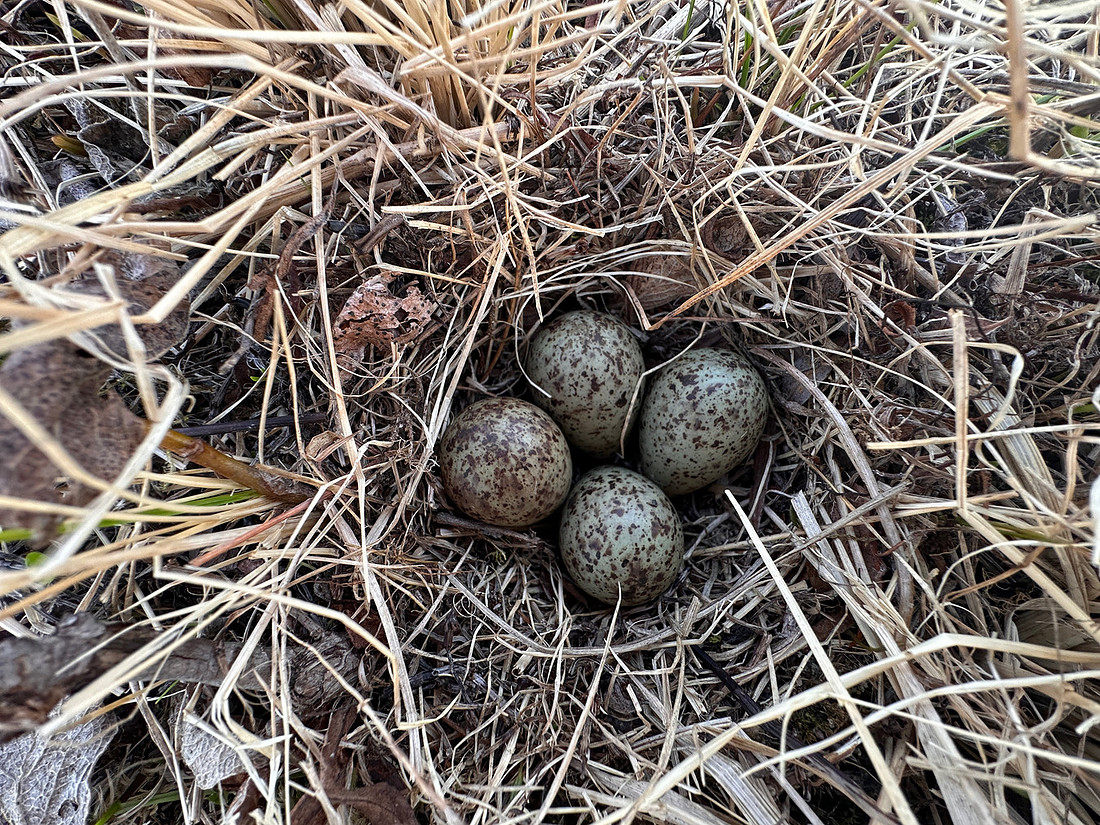 Temmincks Stint, Sandfjordneset, Norway June 2025
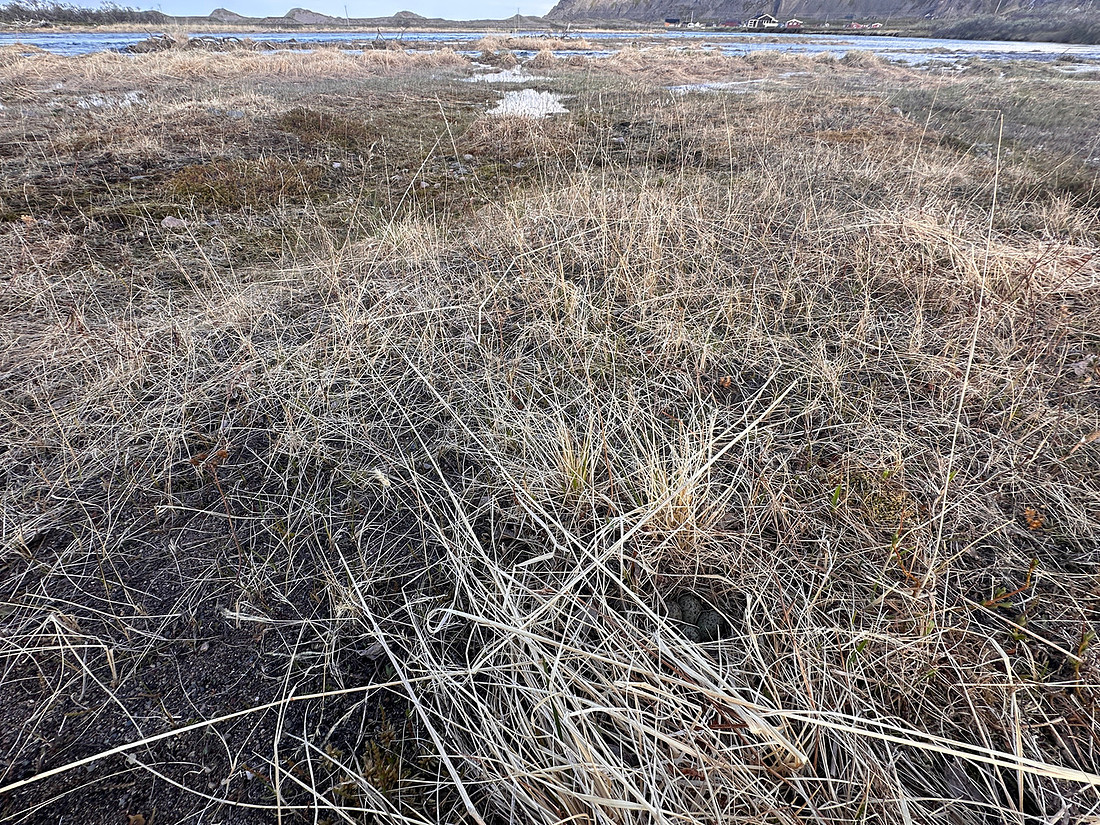 Temmincks Stint, Sandfjordneset, Norway June 2025
After a wildly successful day out in the field, we finally wrapped up and headed back to our digs for the evening. Arriving around 6:00 pm would normally mean winding down, but with 24 hours of Arctic daylight on our side, the day felt far from over! The endless sun gave me the perfect excuse to lace up my shoes and head out for a run along the scenic E75 toward Persfjorden. It turned out to be a brilliant opportunity to slow down, soak in the dramatic landscape, and snap a few photos of the spectacular area surrounding Hamningberg.
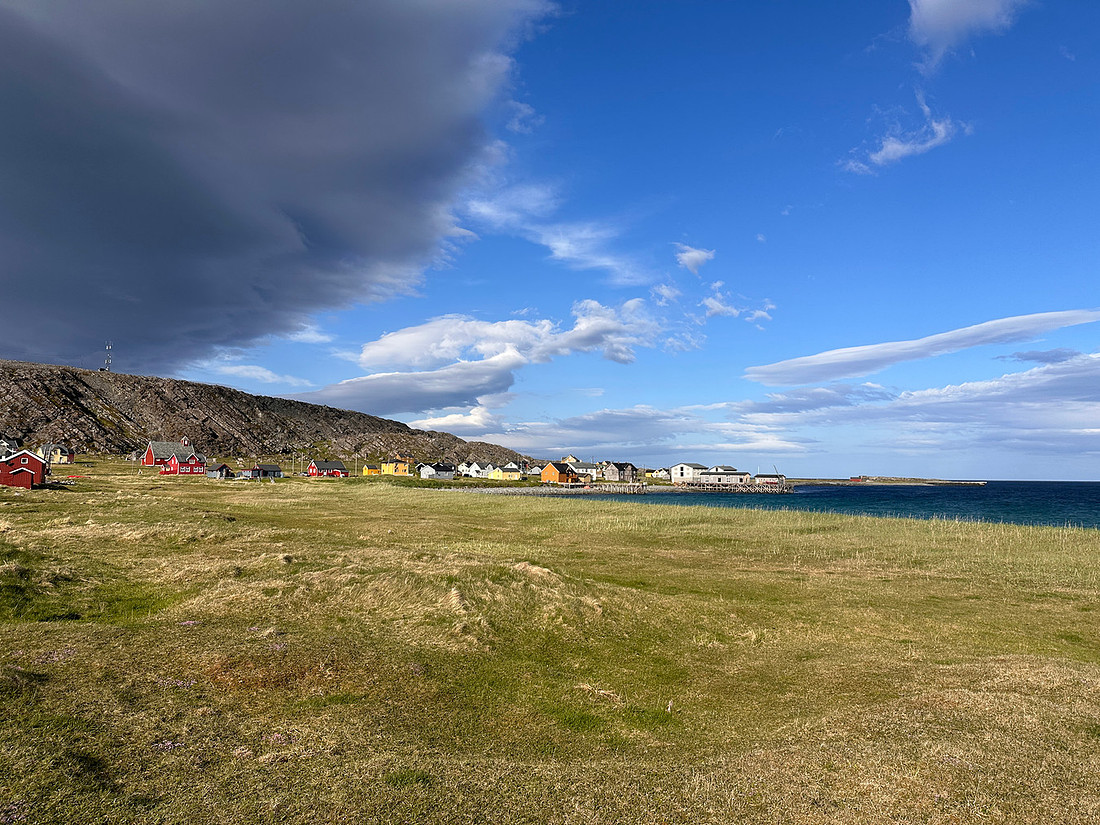 Hamningberg, Norway, June 2025
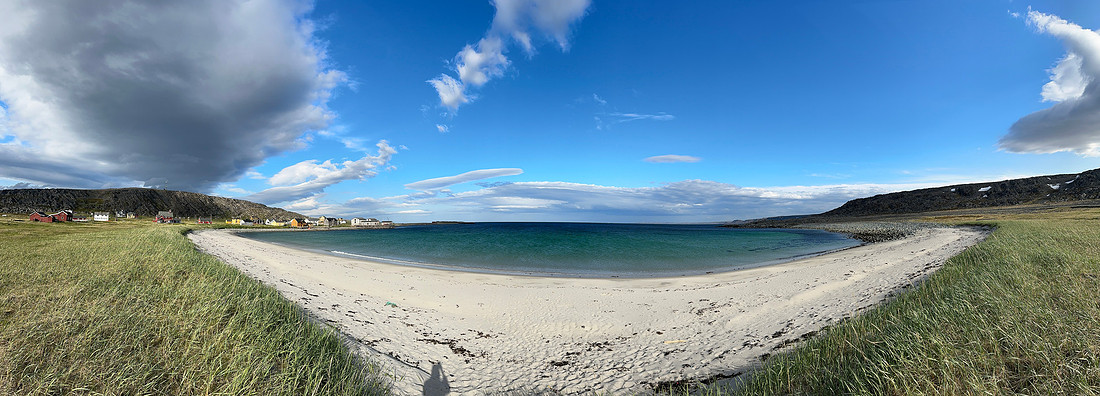 Hamningberg, Norway, June 2025
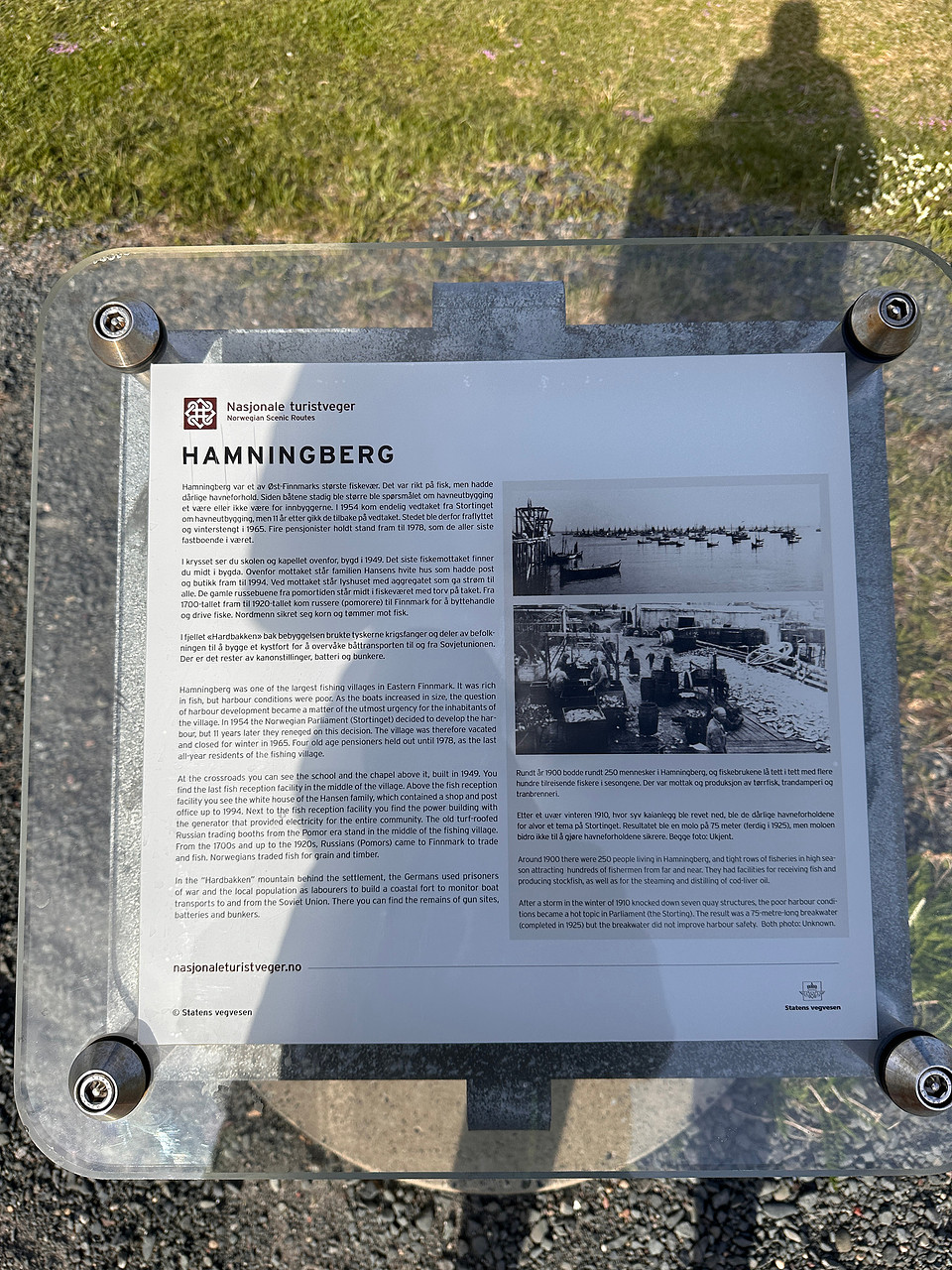 Hamningberg, Norway, June 2025
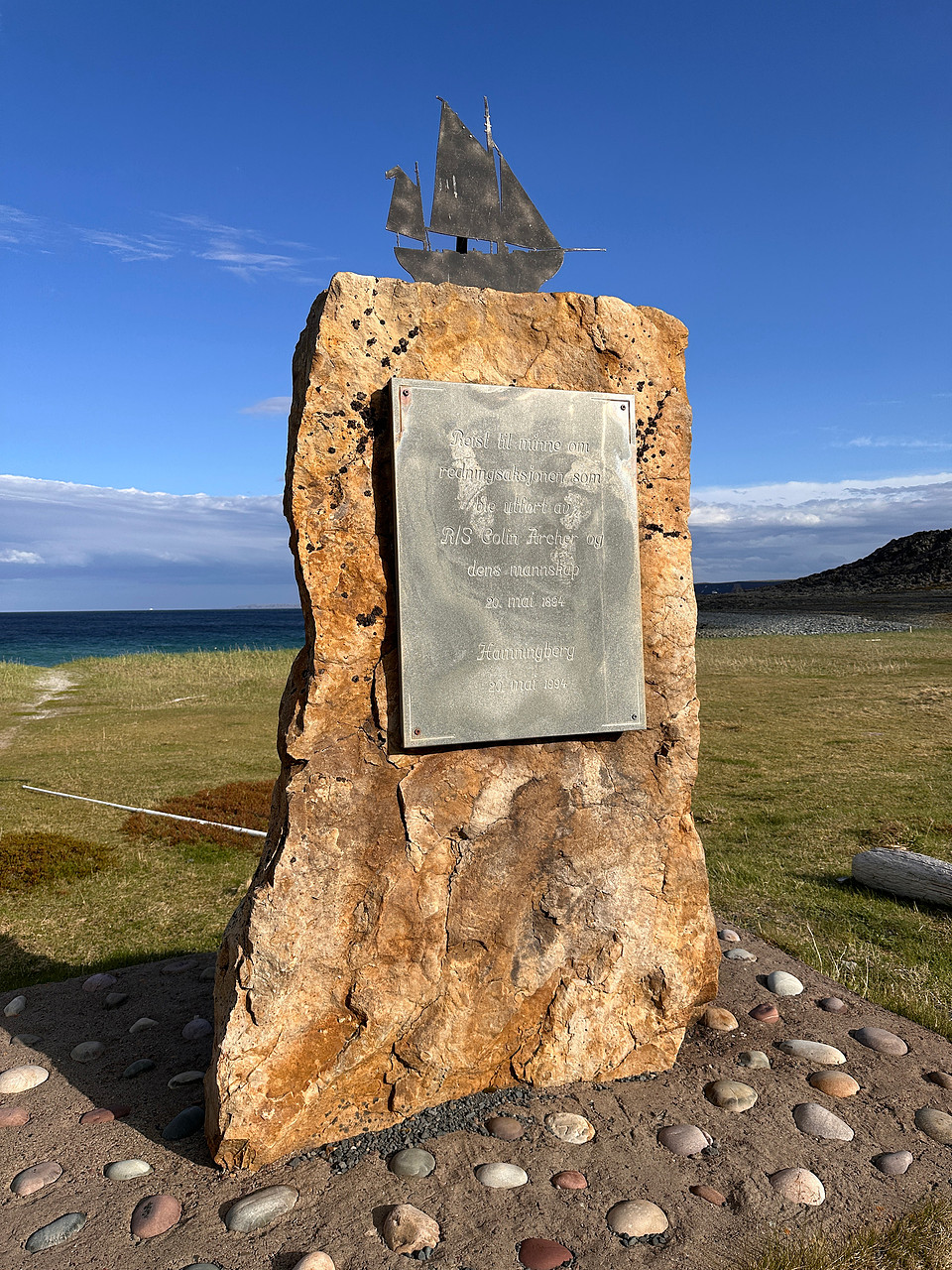 Hamningberg, Norway, June 2025
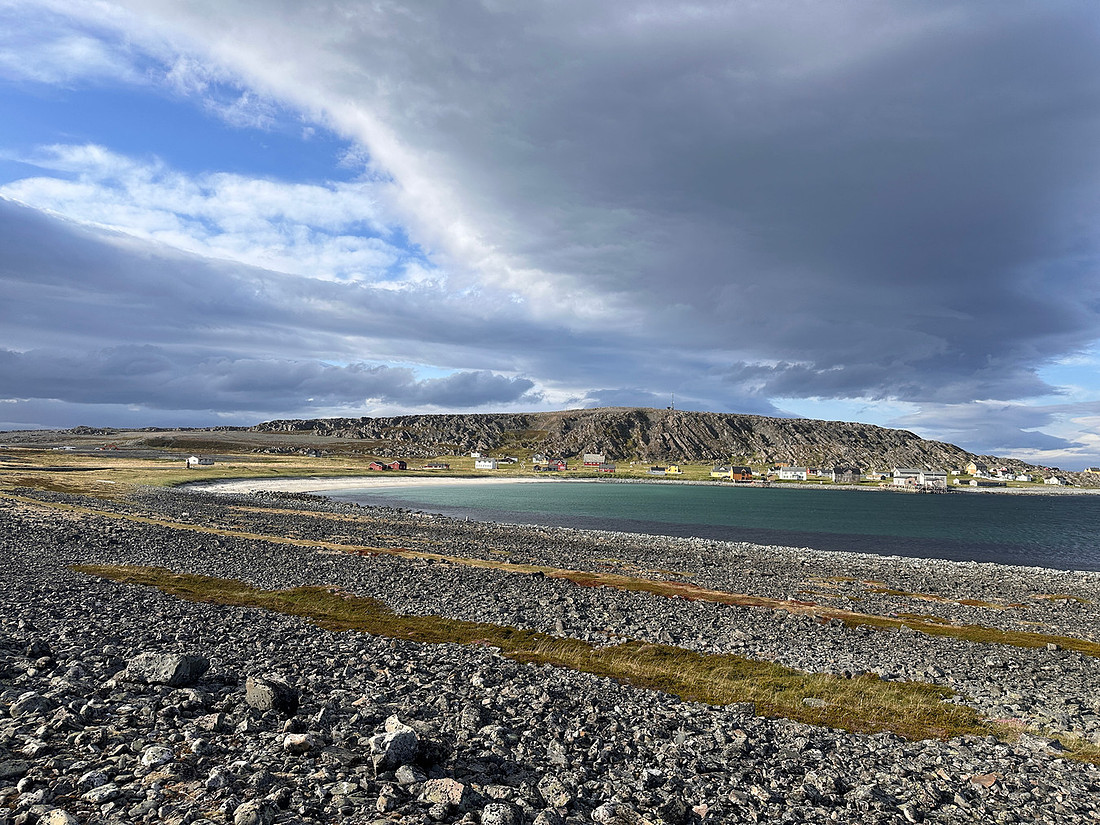 Hamningberg, Norway, June 2025
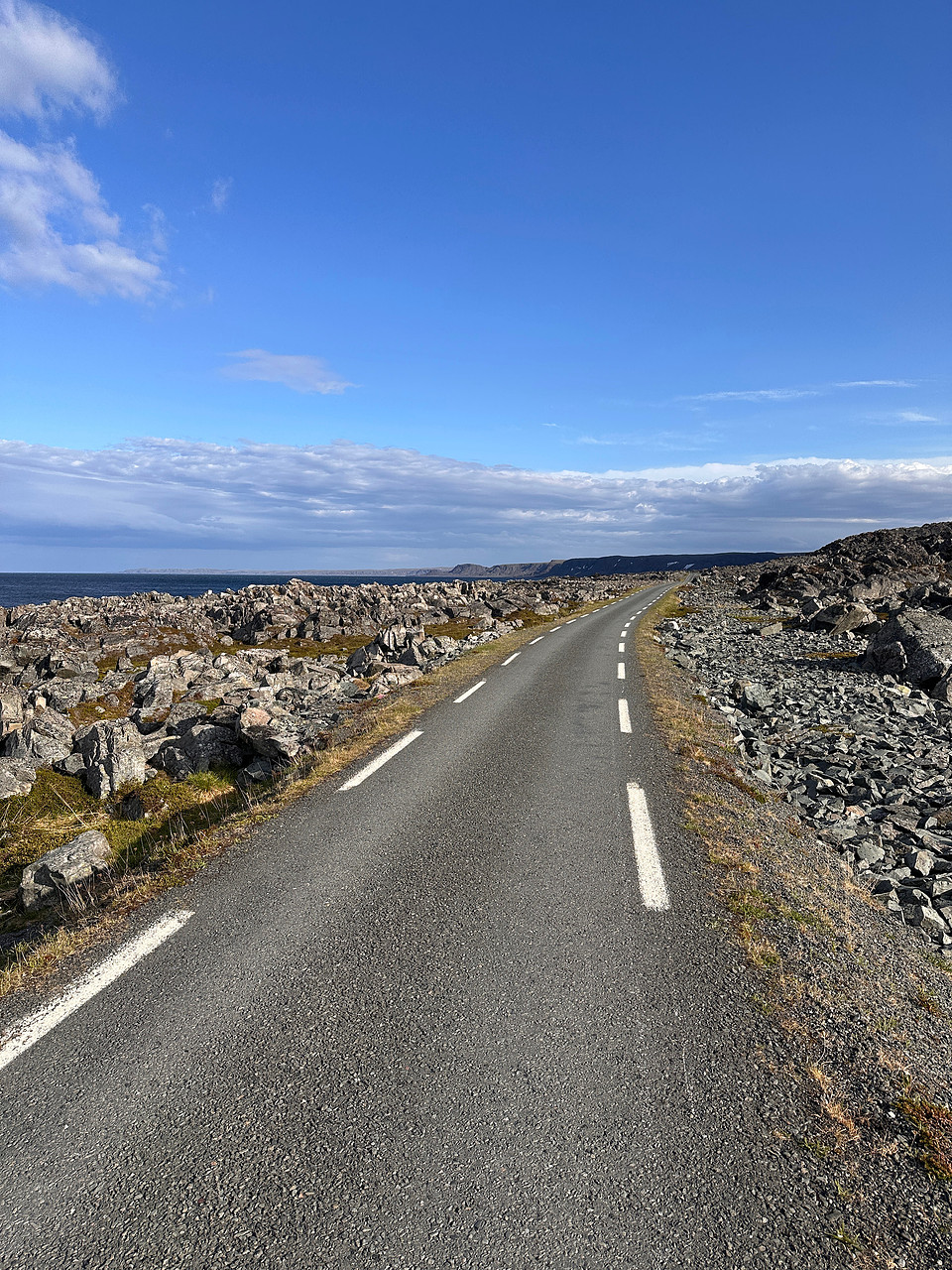 Hamningberg, Norway, June 2025
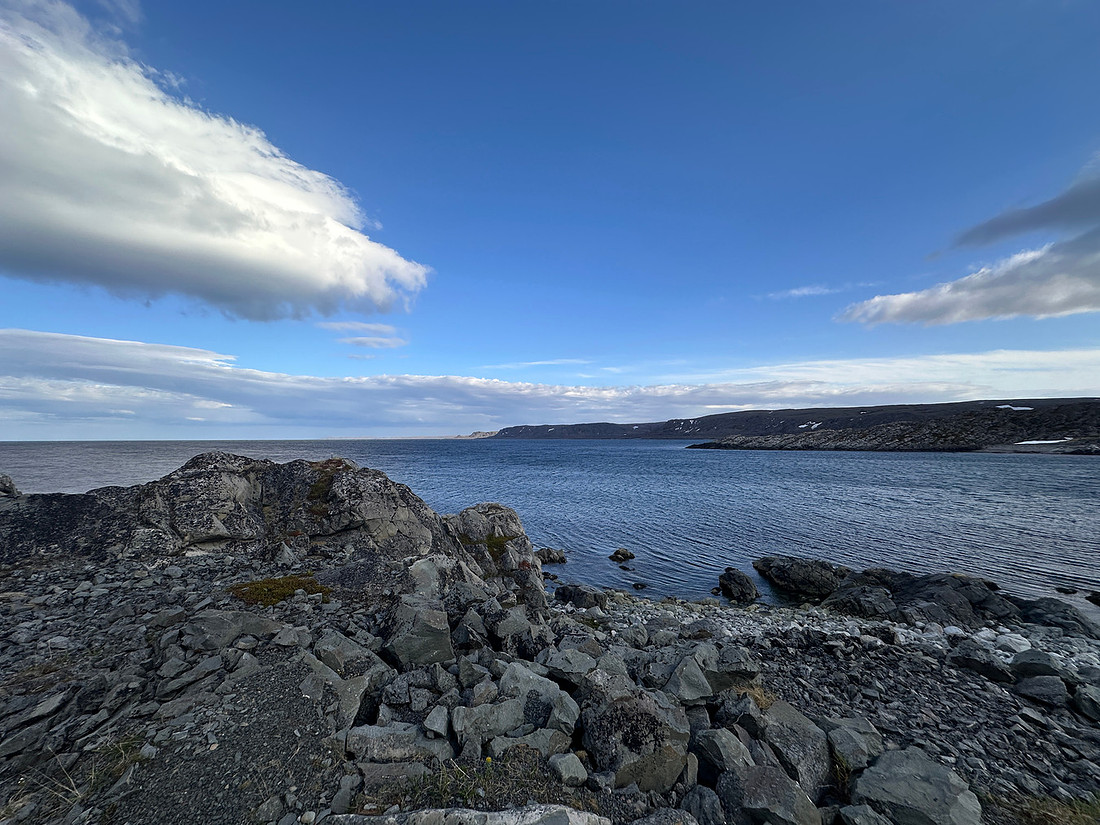 Hamningberg, Norway, June 2025
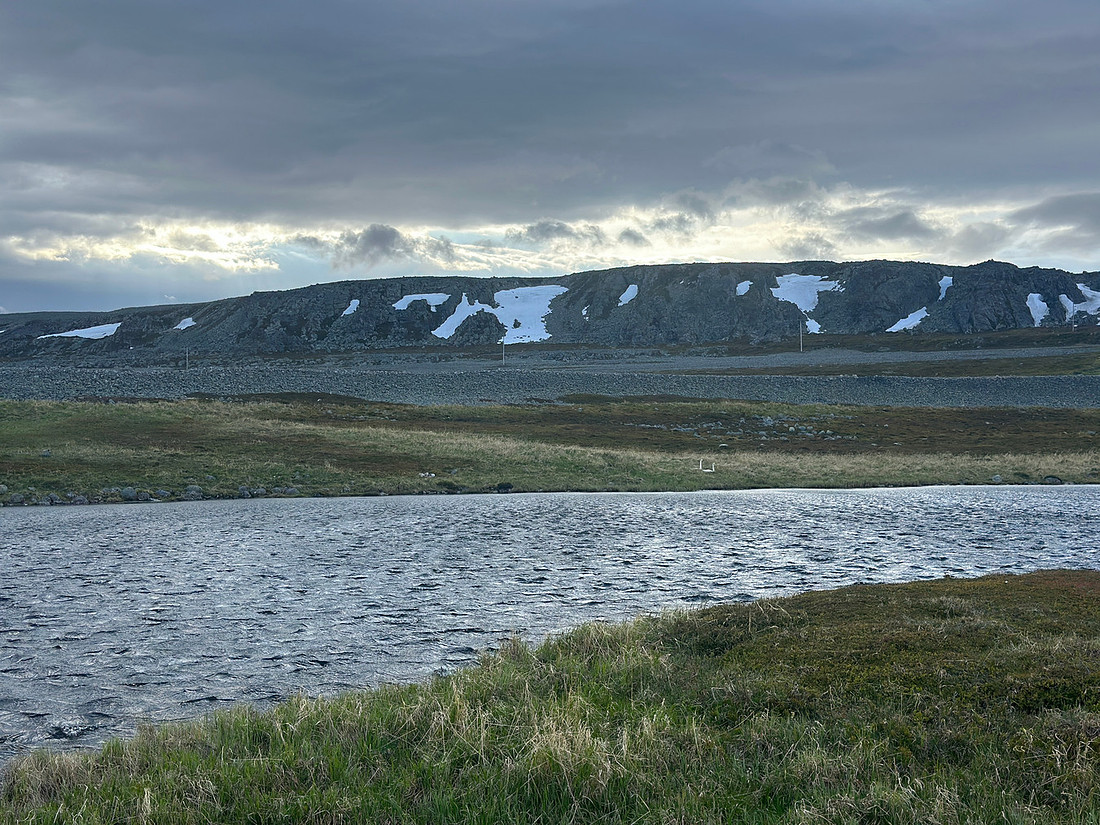 Whooper Swans, Hamningberg, Norway, June 2025
Then came the ultimate highlight of the run: a magnificent White-tailed Eagle perched right by the route. To my amazement, it was completely unfazed by my presence and refused to budge. I pulled out my iPhone and managed to snap a few quick shots from just a short distance away. Other highlights were a pair of Whooper Swans and a herd of Reindeer.
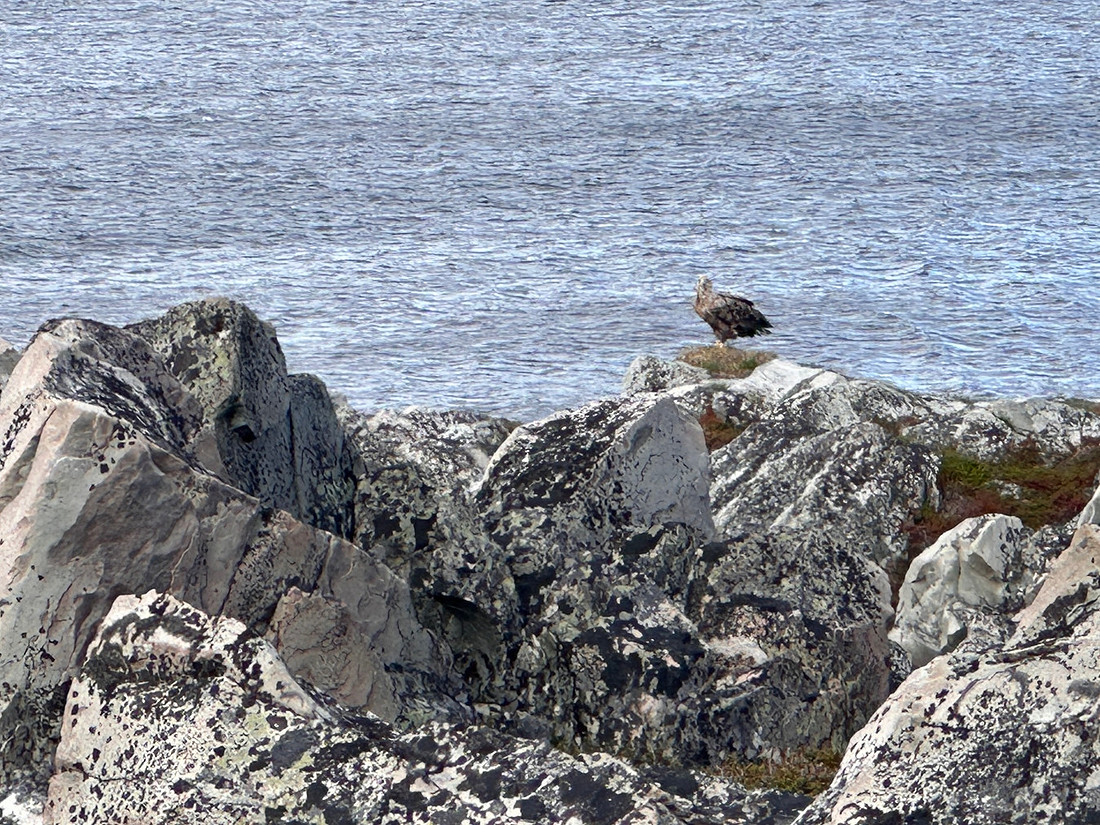 White-tailed Eagle, Hamningberg, Norway, June 2025
Even more remarkably, when I doubled back 30 minutes later, the eagle was still sitting on the exact same rock under the persistent Arctic sun. Realising this was a goldmine opportunity, I sprinted back to our digs, grabbed my proper camera gear, and drove straight back down the road. Sadly, nature waits for no one—even when the sun doesn't set. By the time I arrived, the eagle had already taken flight.
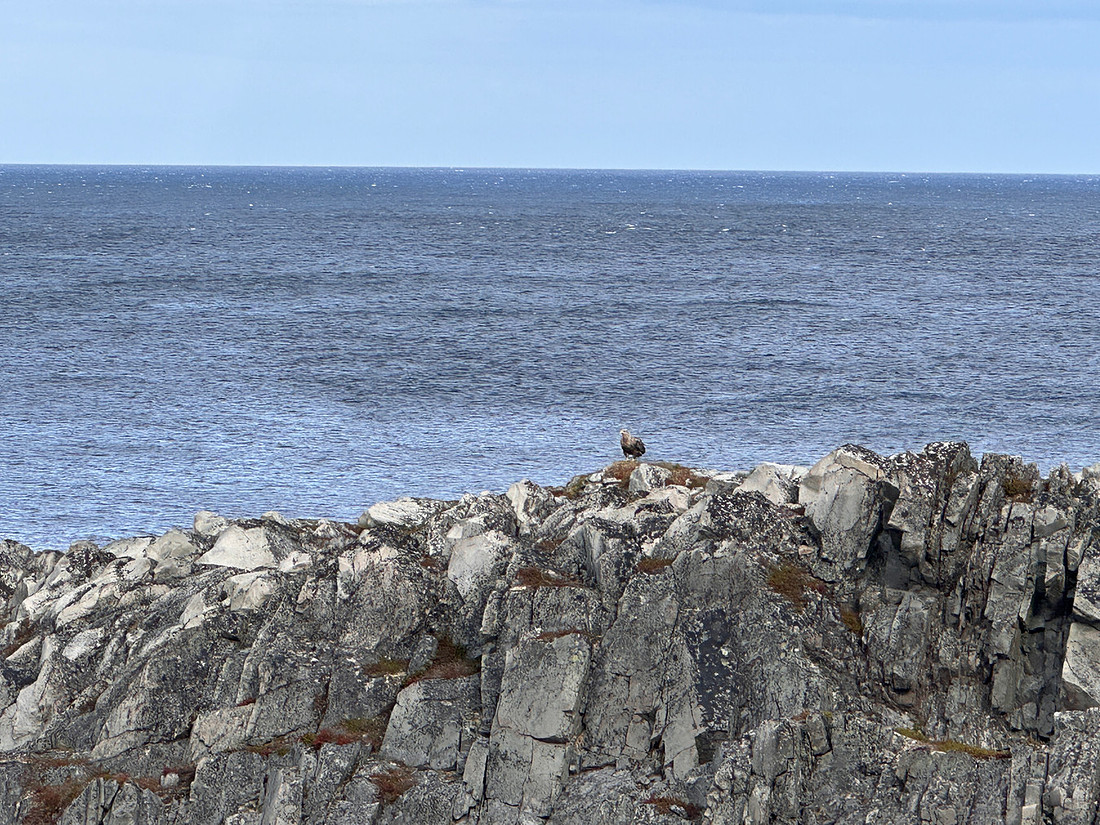 White-tailed Eagle, Hamningberg, Norway, June 2025
After a quick tea, the evening call of the coast was too loud to ignore. Thanks to the midnight sun, the birdwatching hours are truly limitless, so I headed back out to the tiny harbour at the end of the road. There is a brilliant Biotope bird hide tucked away here, offering a fantastic front-row seat to watch thousands of gulls and seabirds streaming past.
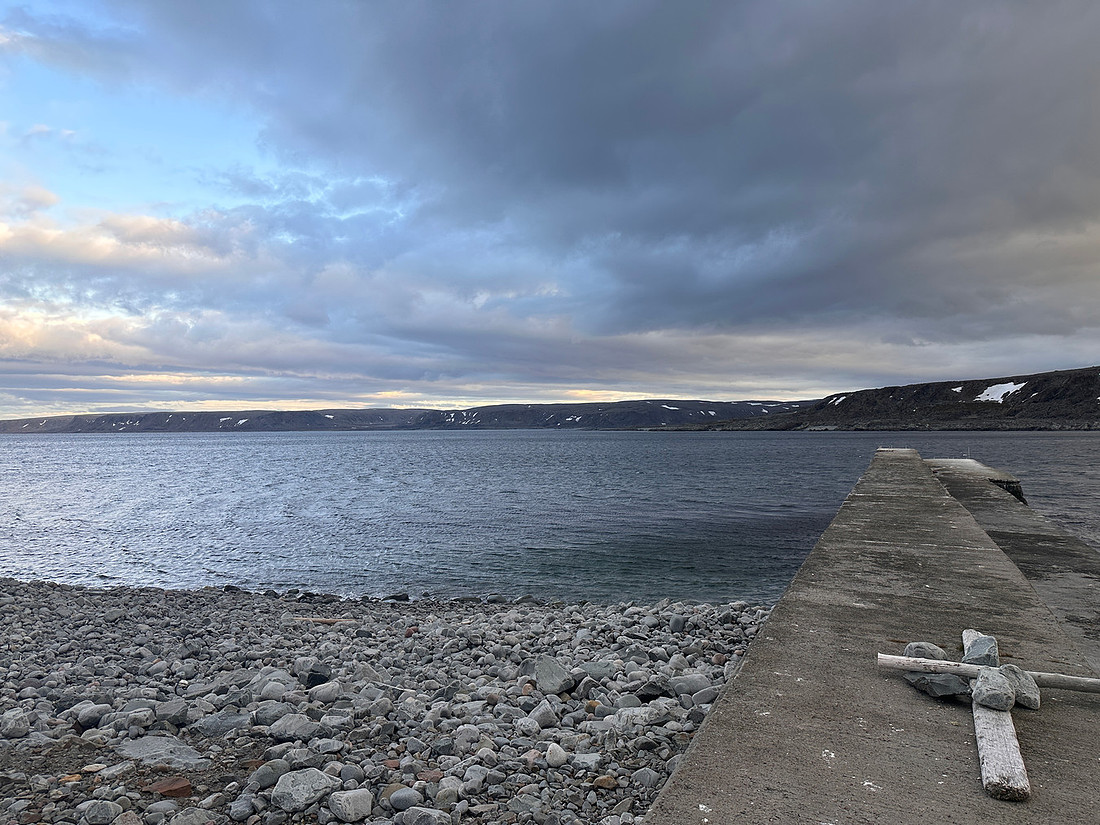 Hamningberg, Norway, June 2025
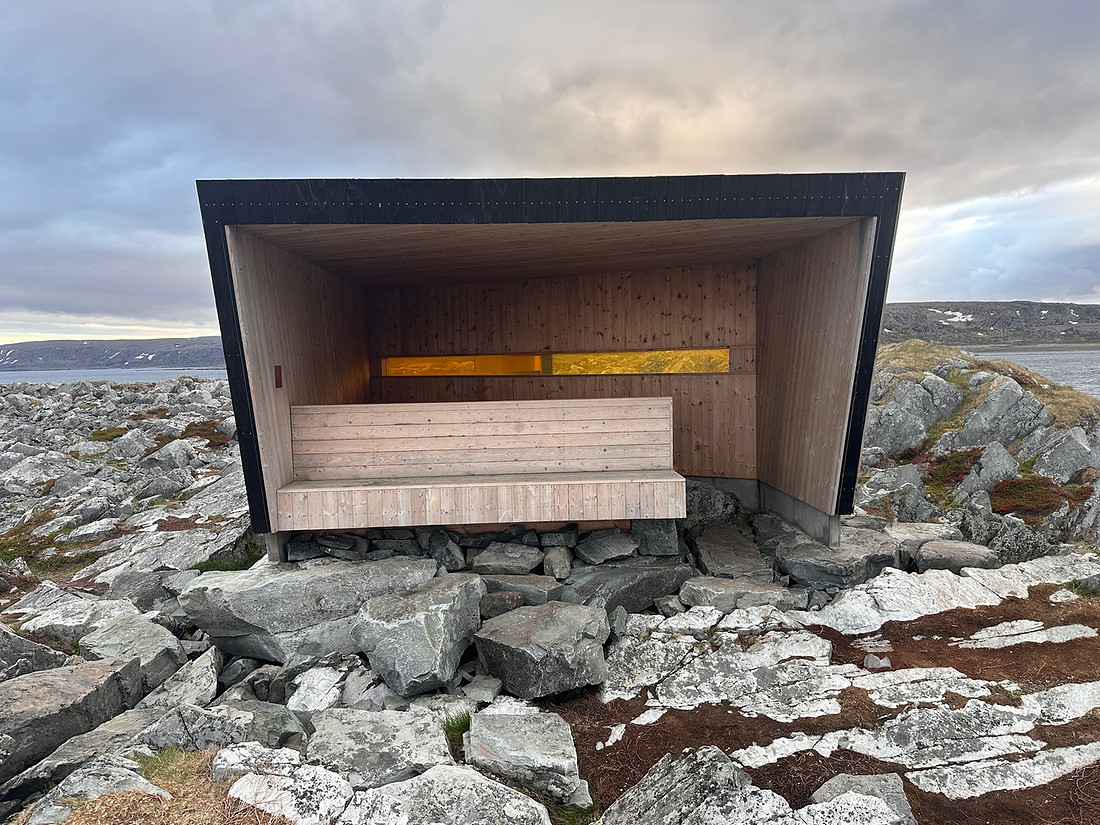 Biotape Hide, Hamningberg, Norway, June 2025
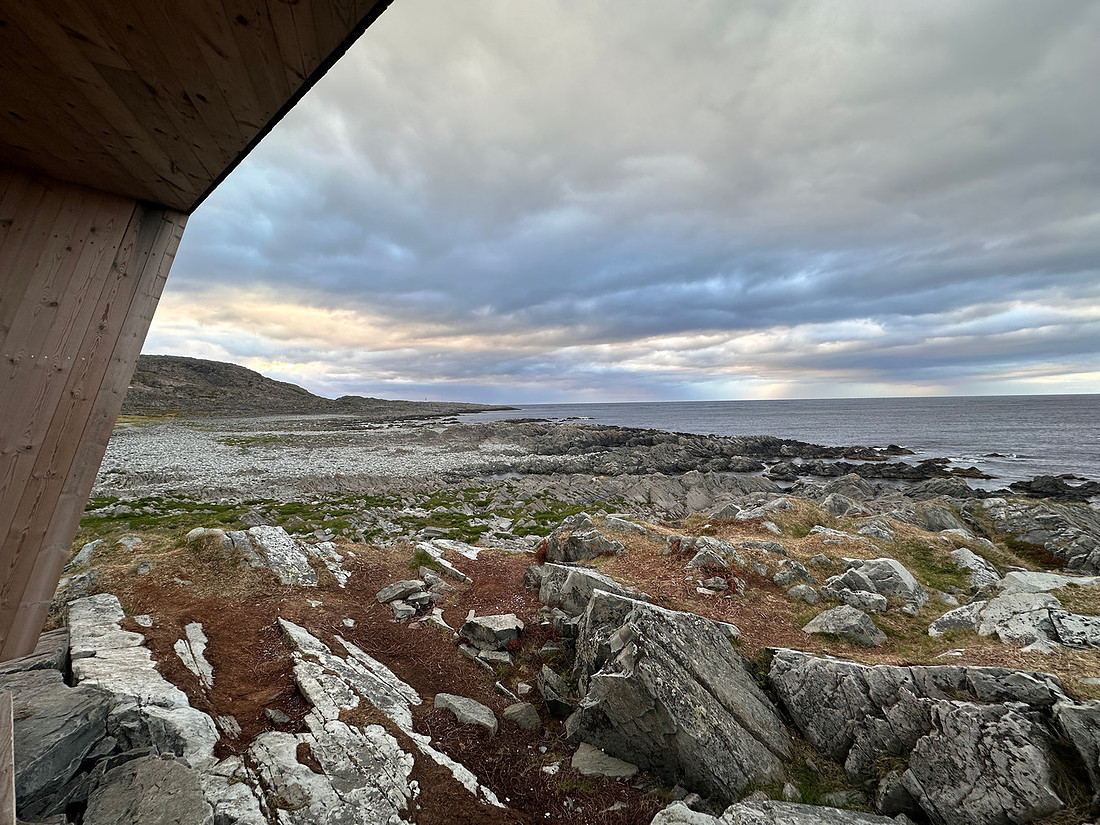 View from the hide, Hamningberg, Norway, June 2025
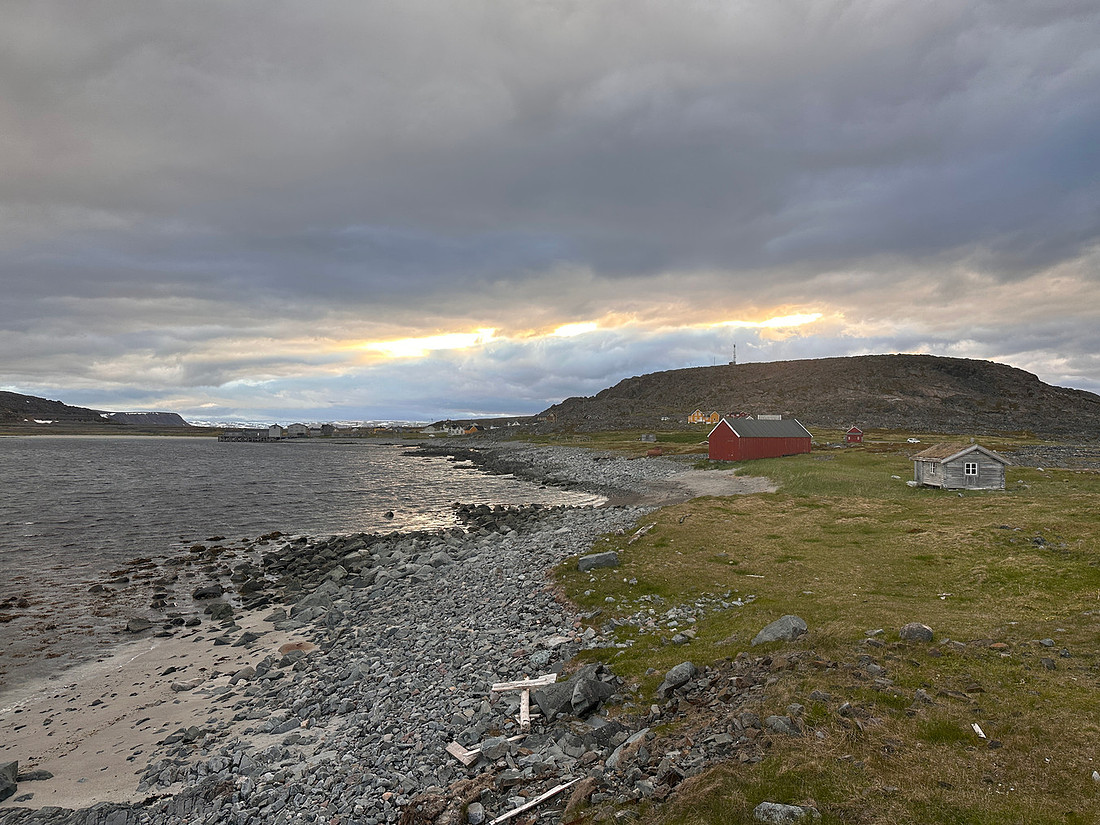 Hamningberg, Norway, June 2025
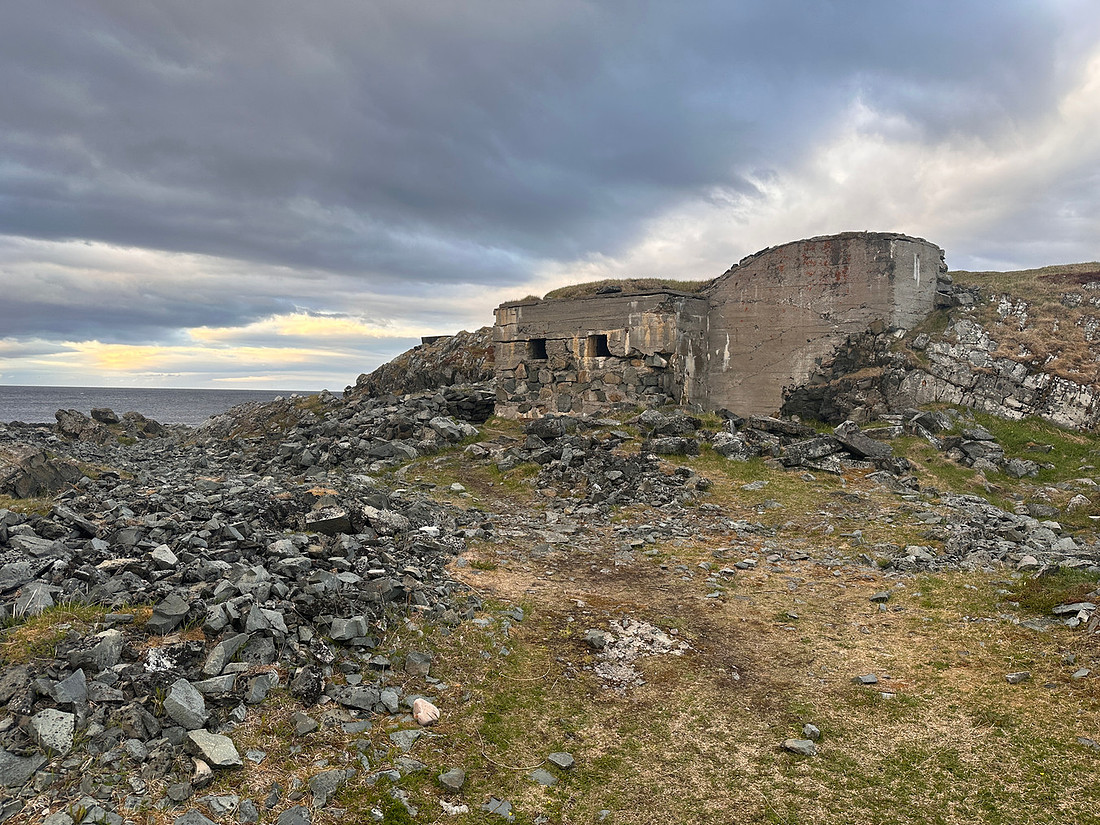 German defences, Hamningberg, Norway, June 2025
The sky was thick with Fulmars, with the occasional tern or auk cutting through the crowd. But the real jaw-dropper came when I picked out a distinctive small gull. It bore a striking, uncanny resemblance to a rare Ross's Gull, though I didn't want to get my hopes up without absolute certainty. As it turns out, my birding instincts might have been spot on—in a brilliant twist of fate, an official Ross's Gull was recorded in nearby Båtsfjord just the very next day!
June 15th
Our final full day arrived wrapped in terrible weather: cold, wet, and relentlessly windy. With conditions this bleak, an early start was pointless, so we bided our time before heading out. Firstly we checked out the Fieldfare nest that were on the eves of the house few empty and some with large chicks. Most houses in the town had nests on various vantage points. This far north there is a distinct lake of trees and bushes so they have to make do with man made structures.
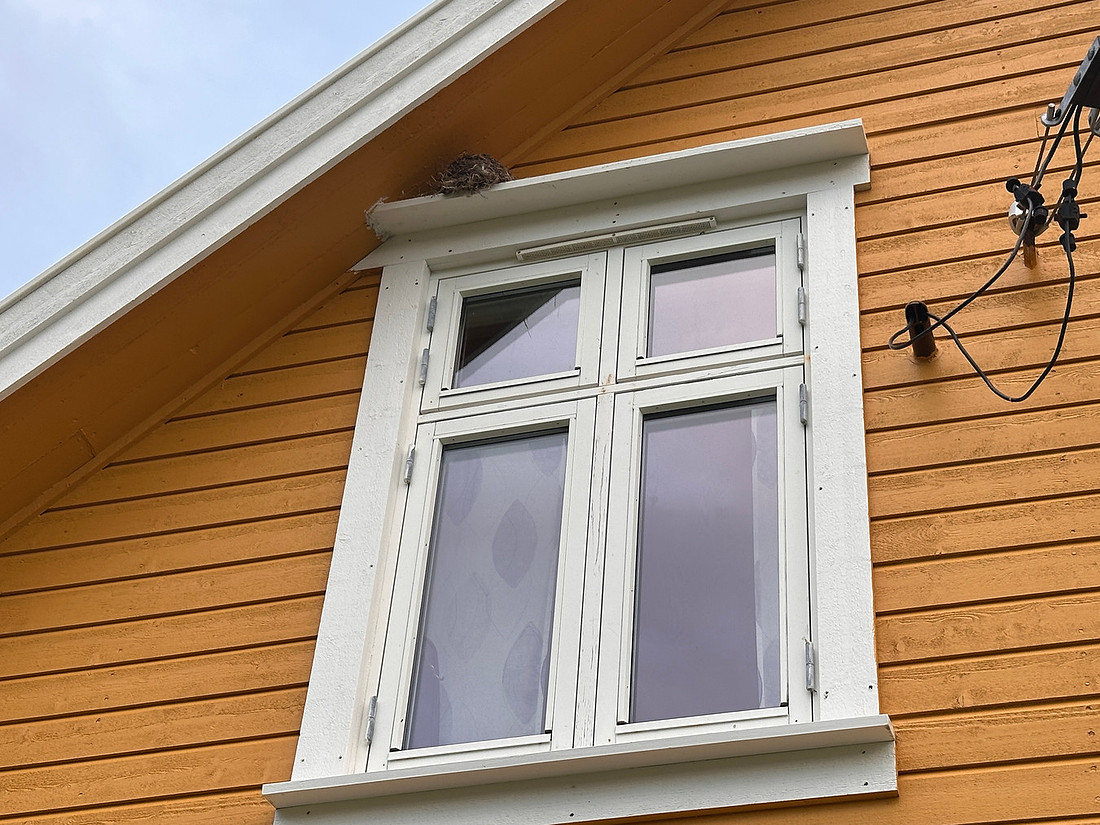 Fieldfare nest, Hamningberg, Norway, June 2025
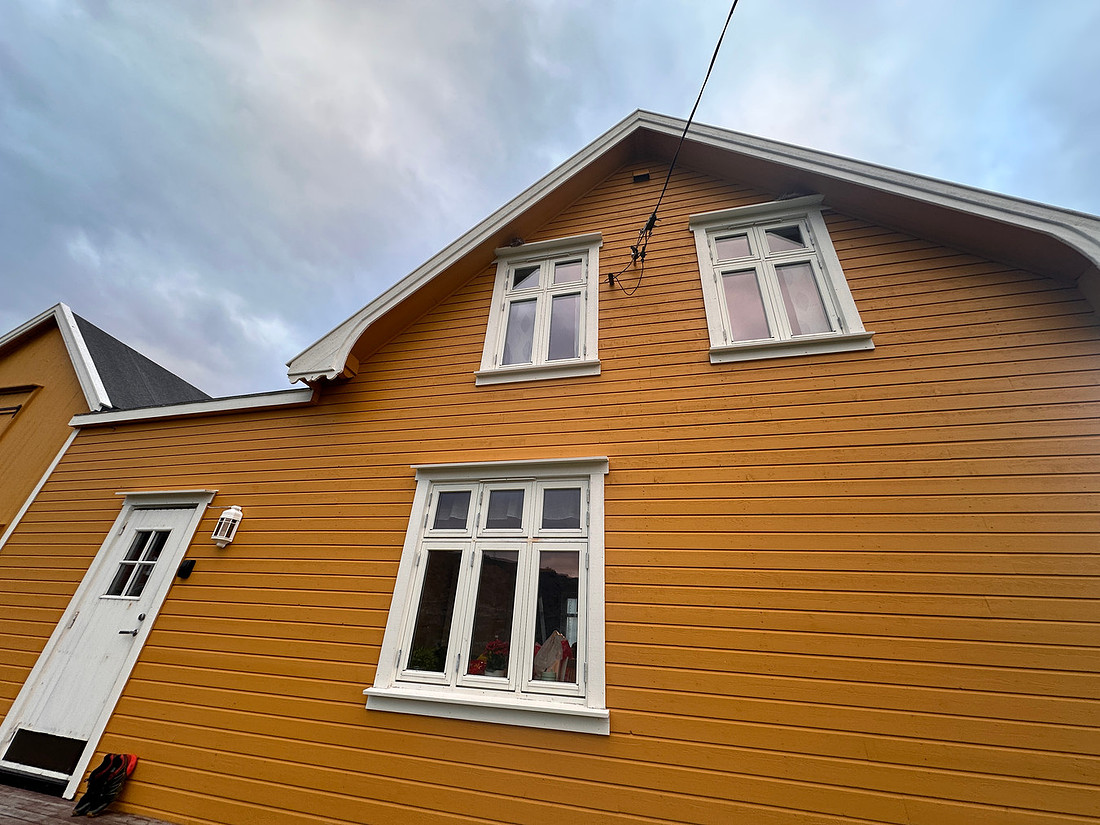 Fieldfare nest, Hamningberg, Norway, June 2025
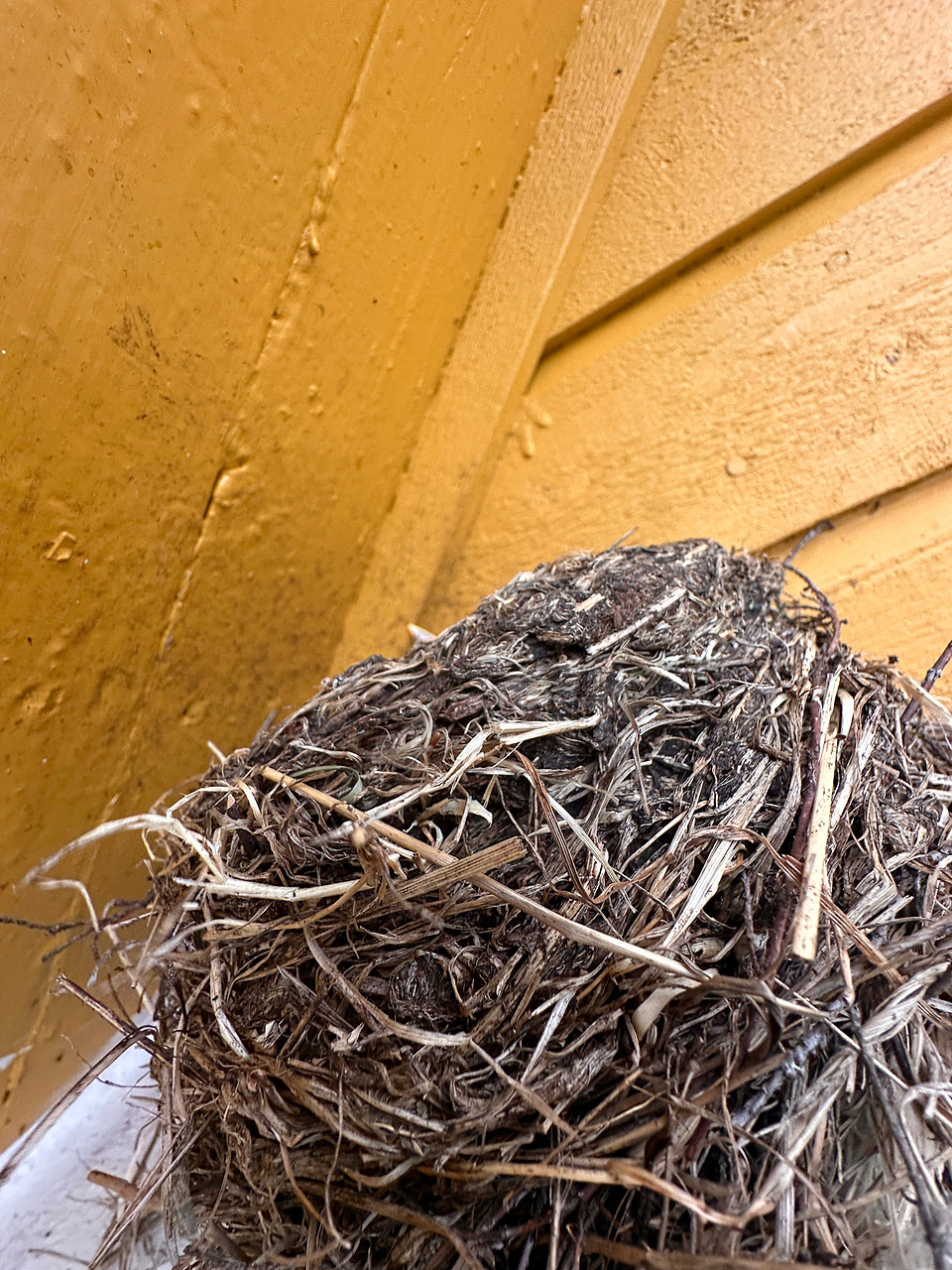 Fieldfare nest, Hamningberg, Norway, June 2025
Our first stop was a set of roadside pools where we had previously spotted a diver. The site featured a bird hide, clear "off-limits" signage, and a reputation as one of the region's premier locations for Red-throated and Black-throated Divers. Through the gloom, we spotted an incubating Red-throated Diver on the first pool. Respecting the bird, we left it in peace and pressed on.
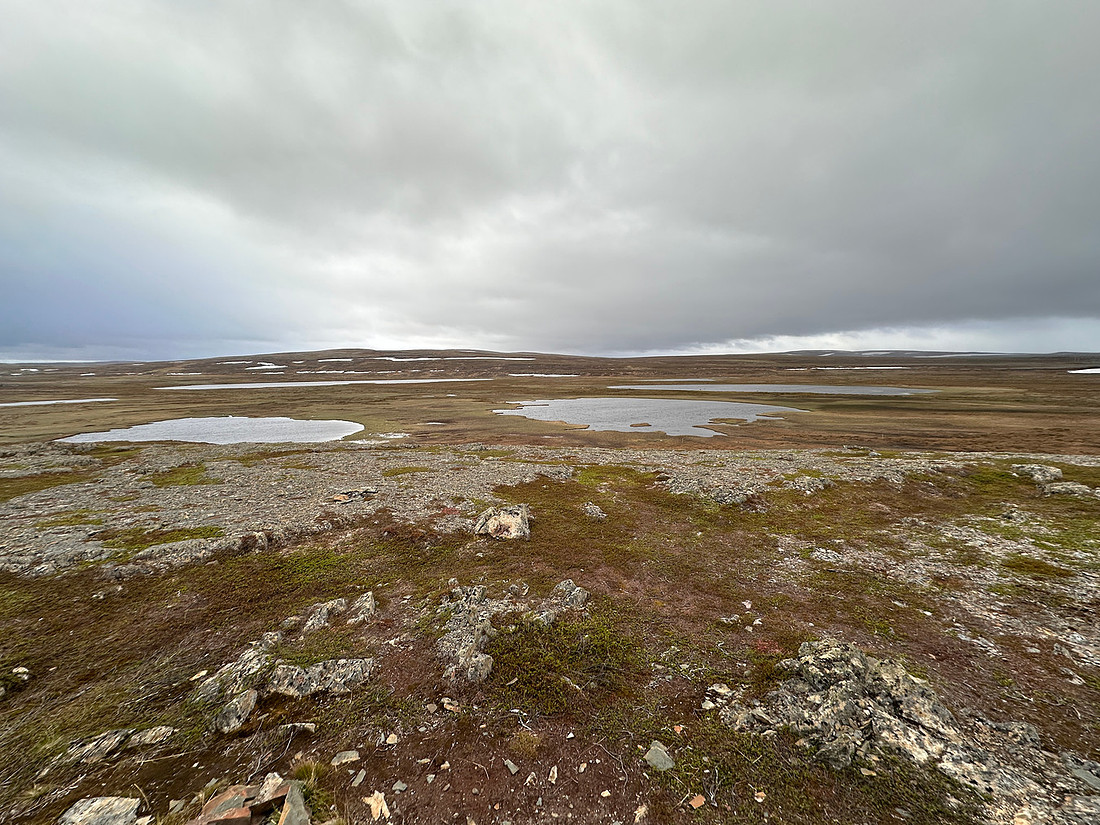 Pools containg breeding Divers, Barvikmyran og Blodskytodden Naturreservat, Norway, June 2025
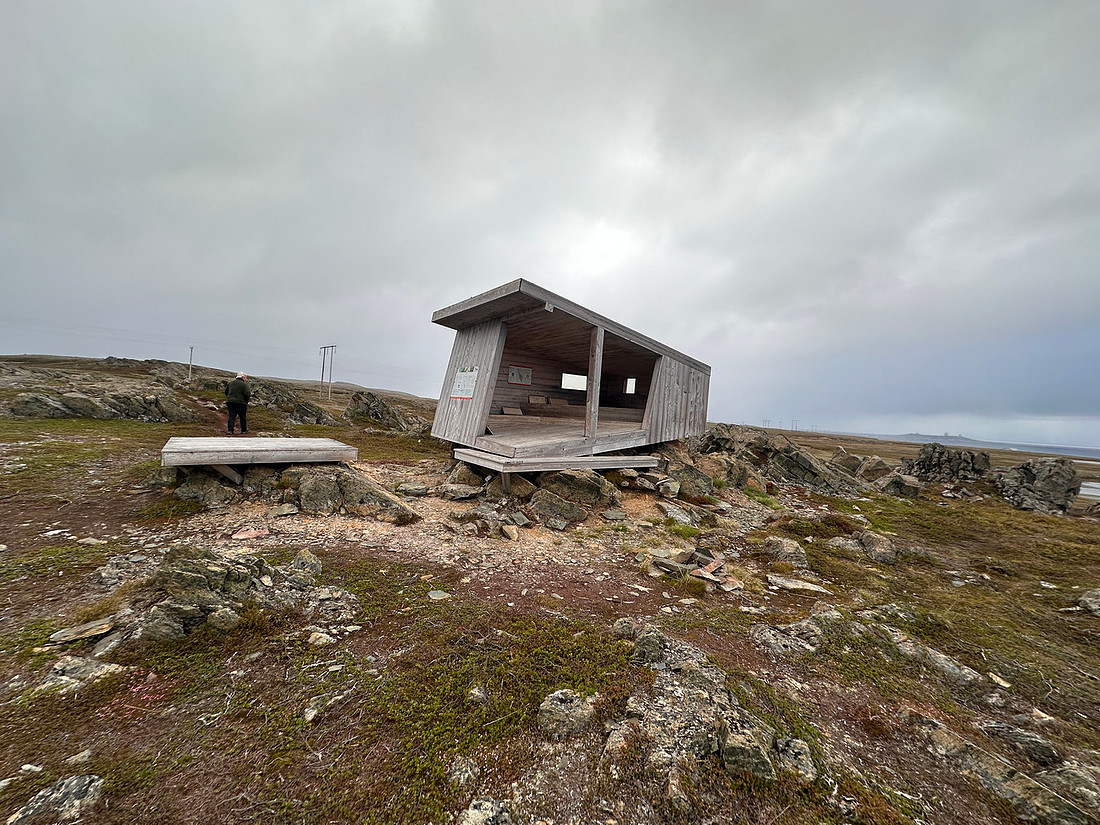 Bird hide, Barvikmyran og Blodskytodden Naturreservat, Norway, June 2025
As we cruised down the E75, Adrian suddenly called out a Horned Lark on the roadside verge. We piled out of the car and secured our first trip sighting of the species, quickly joined by a second bird. For a brief moment, we thought our luck had turned. Sadly, the brutal conditions cut the celebration short; it simply felt unfair to chase these birds through such punishing weather.
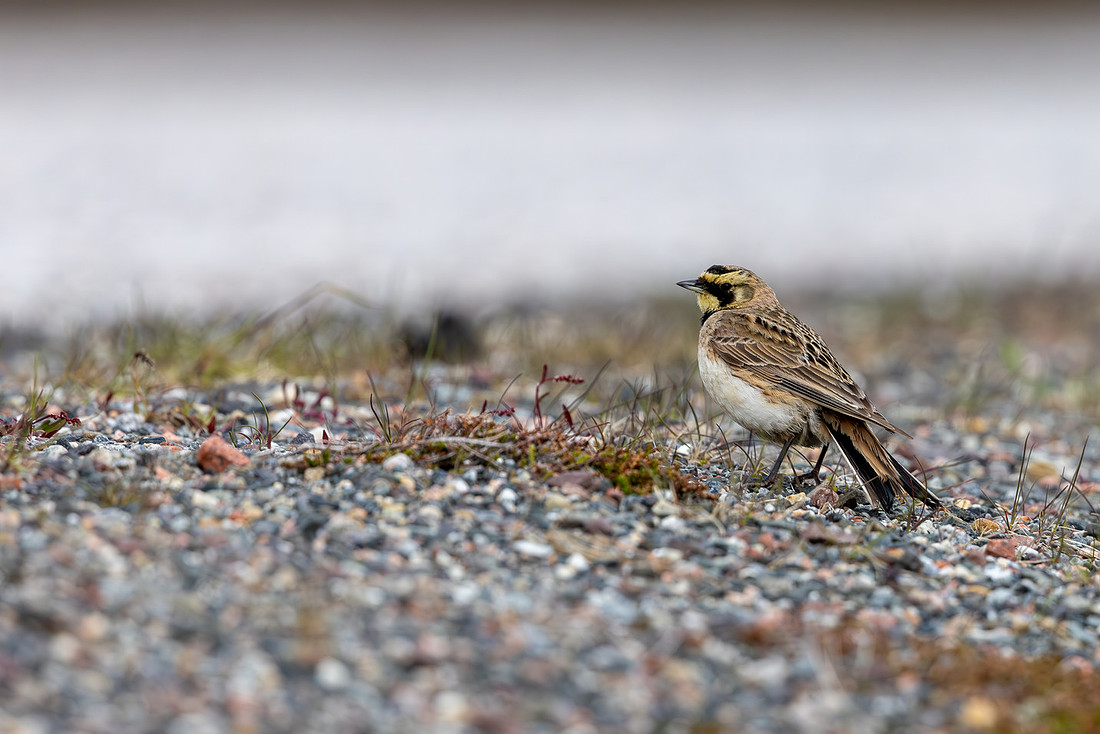 Horned Lark, Norway, June 2025
Further down the road, we encountered another pair of larks alongside some Red-necked Phalaropes. This was the exact area where we had found a Lapland Bunting (C5) and an Arctic Skua (C2) during our 2023 trip. Right on cue, a male Lapland Bunting began calling nearby, though his female counterpart remained hidden. As the weather cleared slightly, we decided to explore a remote dirt track we had bypassed in 2023, rumoured to lead to a Ruff Lek. However, after several miles of bone-shaking driving with no end in sight, we threw in the towel, turned around, and headed back toward the main road. We pulled over for lunch about half a mile from the highway. While Ricky and I ate inside the warmth of the car, Adrian braved the bitter wind. Eventually, the distinct call of a nearby Golden Plover tempted me outside. By this point, I looked like a textbook cold-weather operative—bundled up in numerous heavy layers with a balaclava entirely covering my face. I spent a freezing five to ten minutes trying to photograph the plover before the numbing cold drove me back into the vehicle.
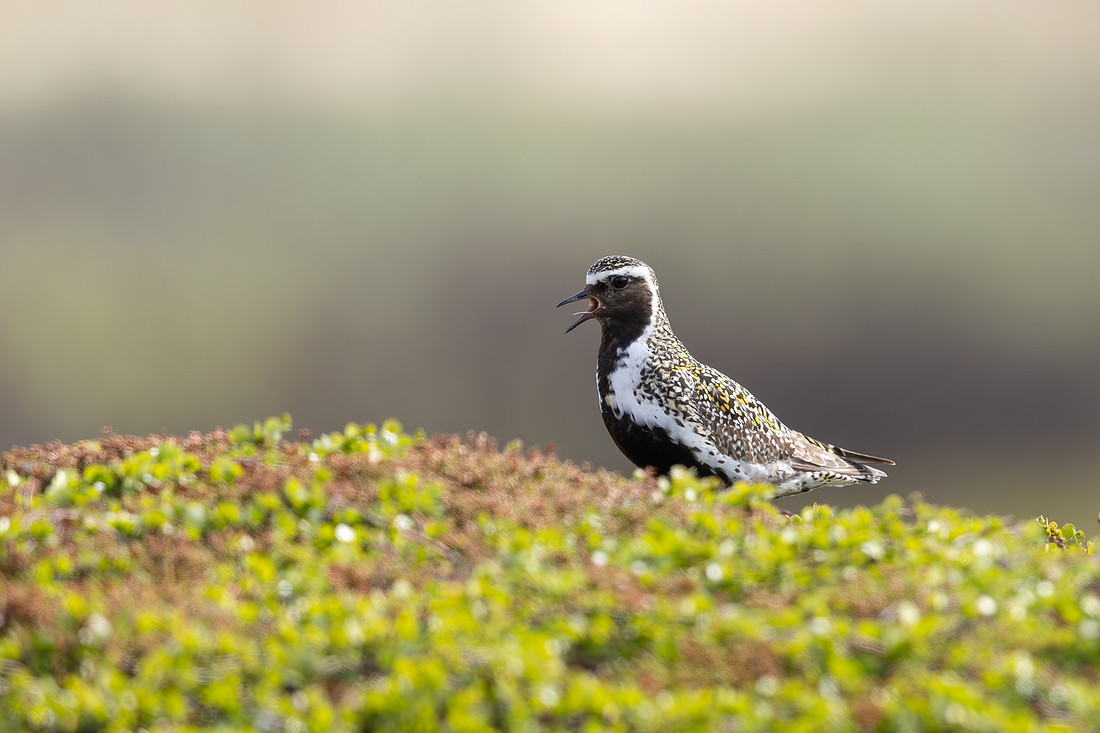 Golden Plover
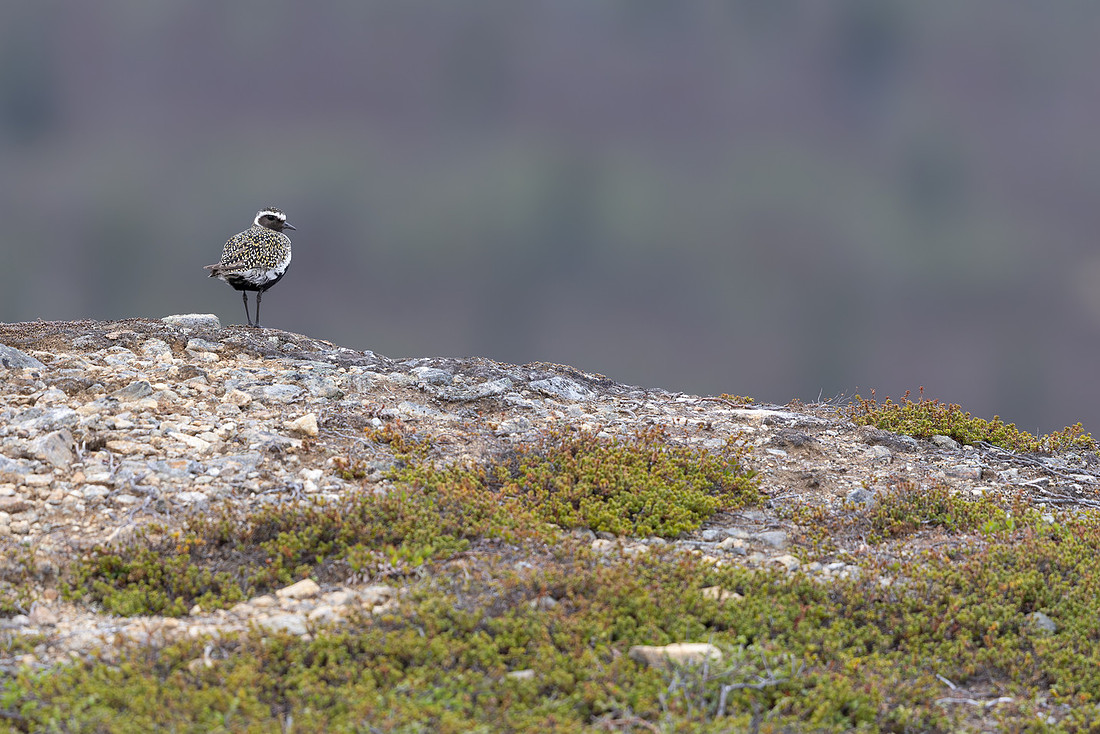 Golden Plover
While standing outside, I had noticed a car pull up on the visible main road. Two men stepped out. One walked toward Adrian’s position; the other drifted toward mine. They stayed close to the pavement, but their behaviour immediately felt off. One suddenly jogged toward Adrian. Tracking them through my binoculars, I realised they were actively watching us through theirs, pacing back and forth in a strange, calculated dance. As Adrian walked back to us, the two men returned to their car and drove straight up the track toward our position. They rolled right past us, staring intently through our windows. I was still wearing my balaclava—a detail I didn't think twice about at the time. They continued up the track and vanished from view. When Adrian reached the car, he shared an amazing find: a Whimbrel (C4). As the bird flushed from the nest, it had accidentally knocked an egg out of the scrape. Adrian had carefully returned it to prevent the nest from being rejected. We quickly filled him in on the bizarre behaviour of the two men, shook it off, and kept moving.
Kittiwake, Ekkerøya, Norway, June 2025
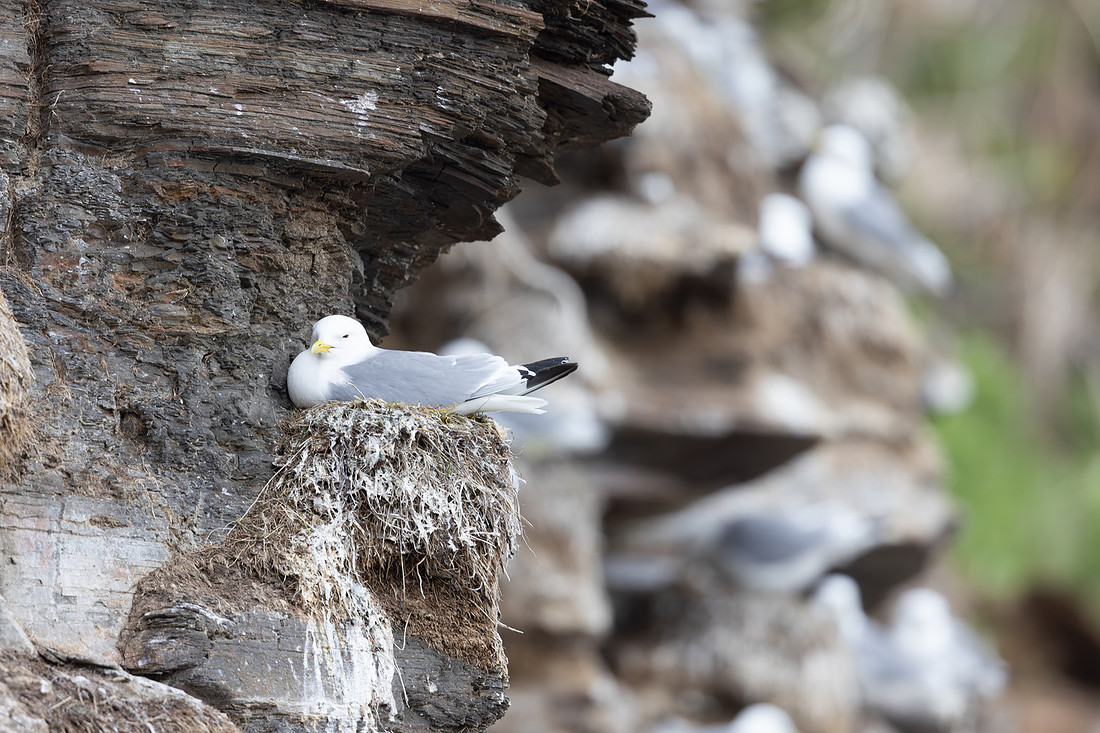 Kittiwake, Ekkerøya, Norway, June 2025
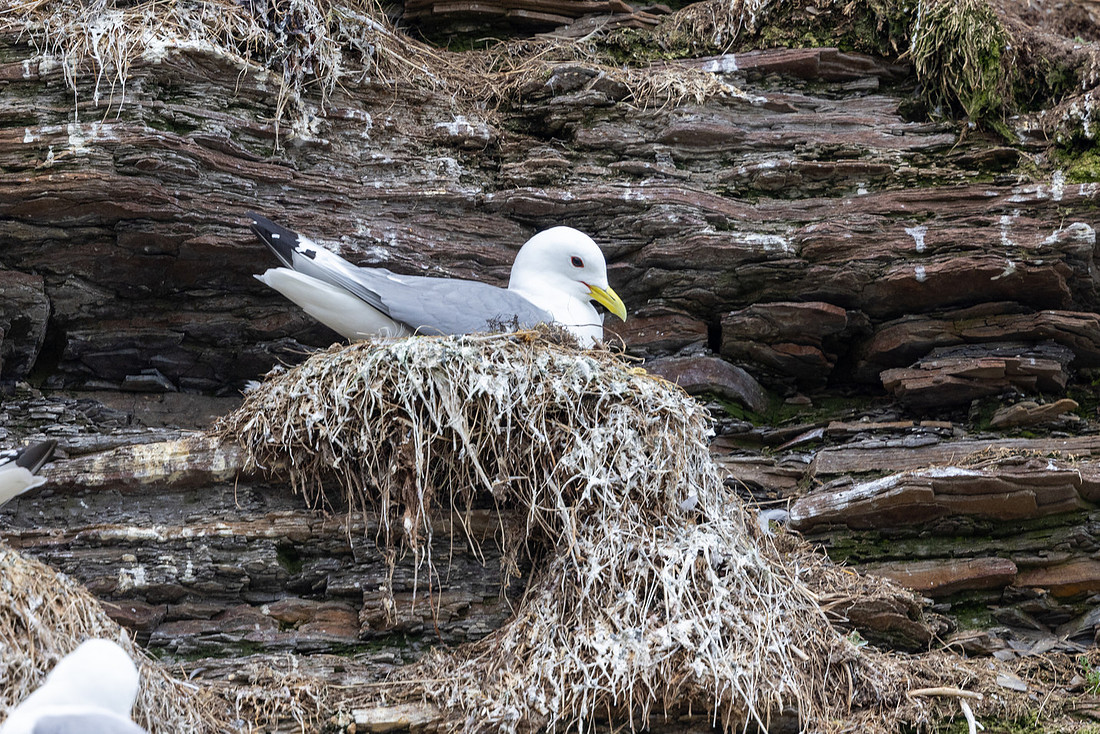 Kittiwake, Ekkerøya, Norway, June 2025
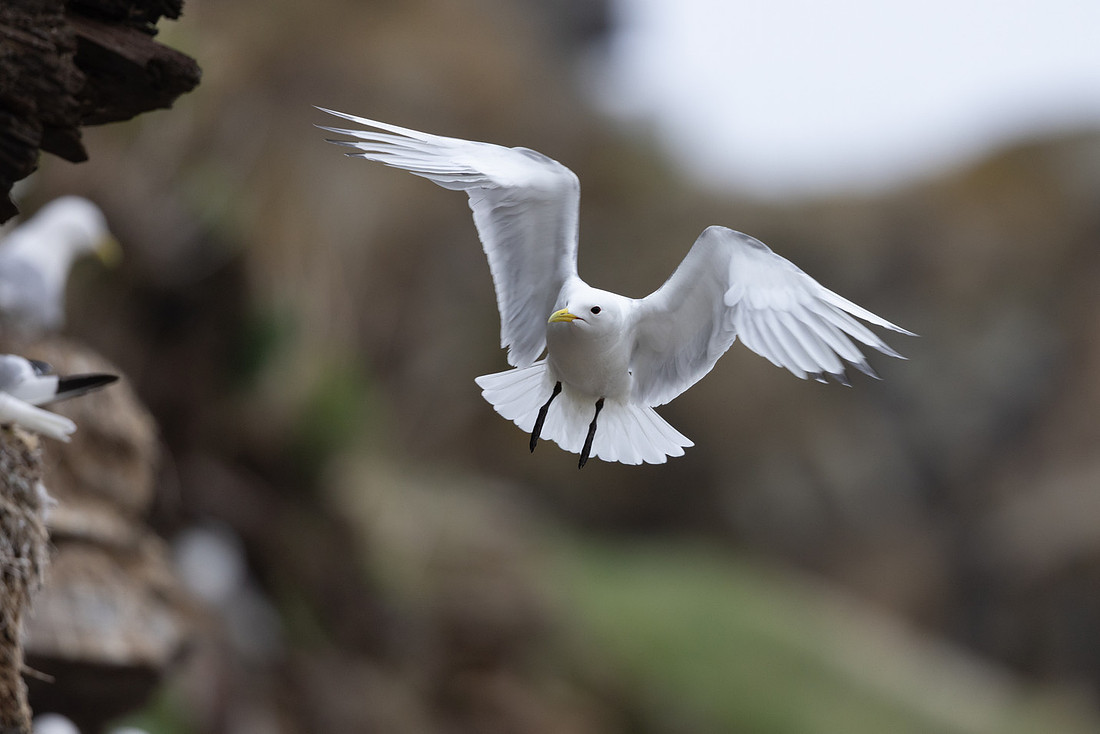 Kittiwake, Ekkerøya, Norway, June 2025
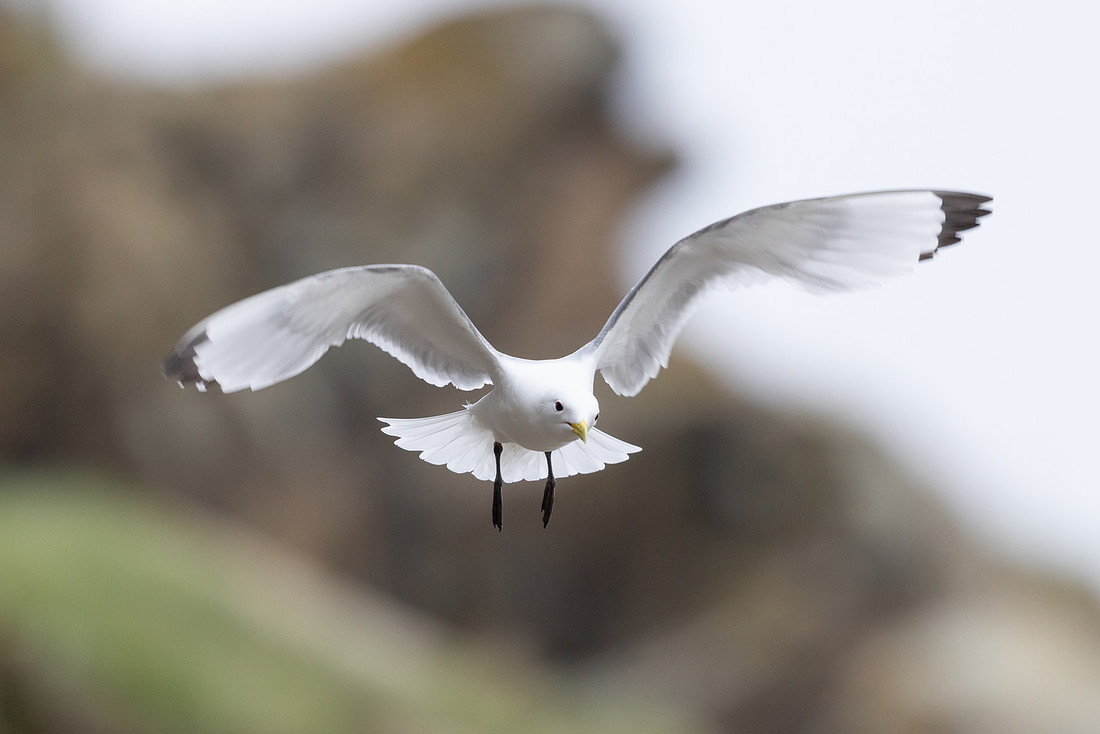 Kittiwake, Ekkerøya, Norway, June 2025
We made a brief encore stop at the Ekkerøya Kittiwake colony, hoping to catch a bird of prey looking for lunch, before rejoining the main road. Not long after, a police car sped past us in the opposite direction, emergency lights flashing. We all commented on how unusual it was; we hadn't seen a single officer the entire trip. A few moments later, the same car appeared in our rearview mirror, lights ablaze. I pulled over to let them pass, but they tucked right in behind us. Two officers stepped out and approached. A young male officer leaned down to my window. "We have pulled you over on suspicion of a wildlife crime offence," he said calmly. "This offence carries up to six years in prison." To say I panicked is an understatement. Even though we were completely innocent, hearing those words sends an immediate spike of adrenaline through your chest. For the record, while I am deeply fascinated by avian nesting and oology, I have never taken an egg in my life. My passion truly took off with the advent of digital photography, which allows you to document these beautiful pieces of nature's art in situ without ever disturbing them. The officer instructed us to exit the vehicle. He and his colleague, a young woman, initiated a comprehensive search of our persons, our bags, and every nook and cranny of the car. They also collected and logged our passports. As the female officer methodically went through my bag, I proudly pointed out that 95% of my packed clothes were freshly washed. Given that a few days prior I had been knee-deep in a bog, the alternative would have been horrific for her. She gave me an understanding thumbs-up. With nothing illegal to find, the suffocating tension began to ease. The officers noticed my camera sitting on the back seat and asked if we were photographers. We confirmed we were. My memory card was loaded with photos of birds and nests, and I secretly prayed they wouldn't ask to review the images, which might look compromising to an untrained eye. Fortunately, they didn't. They also bypassed the inflatable dinghy and the long rope packed in the back—another set of items that would have required some lengthy explaining. Satisfied that we were just harmless birders, they concluded the search but issued a standard warning that we could still face prosecution if further evidence came to light. Before they left, we asked what had triggered the massive response. As it turned out, a major international egg-collecting ring had been busted in the area the previous year. The local birding community was hyper-vigilant and reporting anything remotely unusual. The two men we thought were acting suspiciously were actually local birdwatchers tracking us. We accidentally checked every single box on the wildlife criminal profile: we were driving a Finnish-registered rental car, wearing heavy outdoor gear (including my tactical-looking balaclava), and lingering in a remote, highly sensitive nesting habitat.
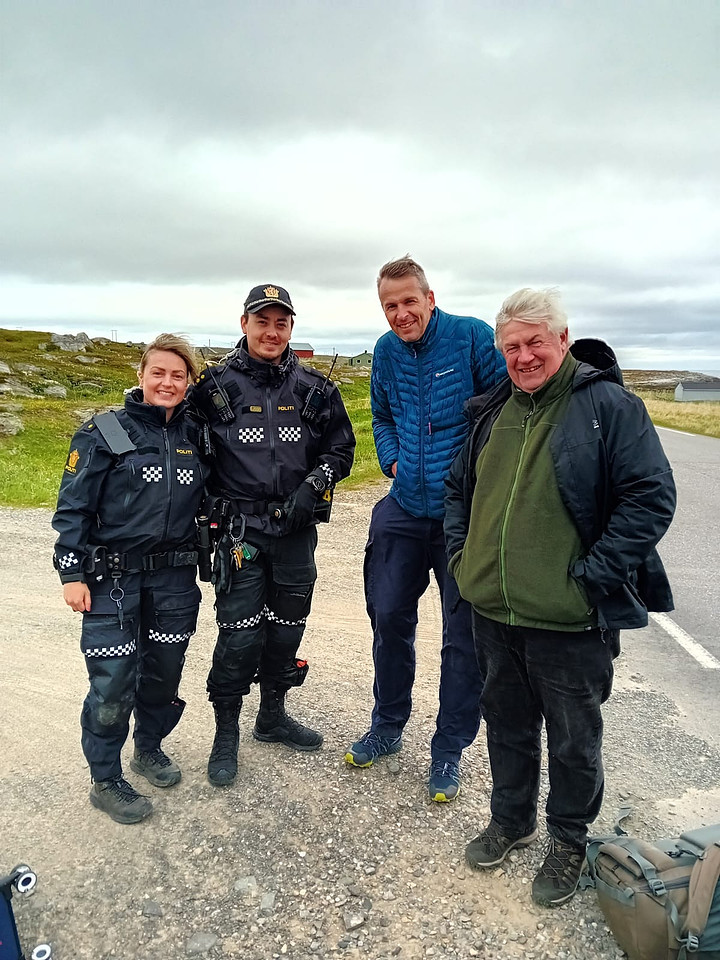 Us with the Norwegian Police, Vardo, Norway, June 2025
The reality of how close we came to a nightmare scenario hit home this year. A group of our friends—fellow birders with a deep, purely academic interest in oology, not egg collectors—were visiting the exact same area. They were arrested on suspicion of wildlife crimes despite a total lack of evidence. Some of the party were held in a Finnish jail, with one member detained for several weeks. Looking back at our own encounter, I realize just how lucky we were. It easily could have been us. Moving forward, we want to change our approach to avoid these misunderstandings and give back to the places we visit. Much like we did on our trip to Iceland, I plan to reach out to local ornithological organisations before we travel. We spend hours in the field learning about these species, and the nests we locate could provide vital data to help track local population trends and support regional conservation. This mirrors the work we already do back home in the UK through the BTO Nest Record Scheme (NRS). As the world's longest-running citizen science project tracking avian breeding success, the NRS relies on volunteers to safely monitor nests from laying to fledging. By logging location and clutch data through the DemOn platform, birders help scientists understand how pressures like climate change impact reproduction. It is a powerful way to turn field hours into real conservation actions—something we hope to replicate internationally. If anyone knows of any organisations in Norway and Finland please let me know.
Our final night was spent at the Hotel Valle, a beautiful spot situated on the Finnish side of the River Tana, looking directly across the water into Norway. Located in the tiny town of Utsjoki—the only real settlement for miles in any direction—the hotel cost us a very reasonable £250 for three separate rooms. It featured a lovely on-site restaurant, and we had spent the better part of the afternoon discussing what we would order from their fantastic-looking menu. When we arrived and checked in, however, we were dealt a crushing blow: the restaurant was closed on Sundays. Hungry, road-weary, and thoroughly deflated after a long day in the field, we asked the receptionist where else we could grab a bite. The response was grim—essentially nothing in Utsjoki opens on a Sunday. Refusing to accept a dinnerless final evening, I did a quick Google search and found a lifeline: a potential burger joint called Annukan Grilli, just a five-minute drive away. We hopped straight back into the car. Upon arrival, we were greeted by a queue stretching out the door. It was immediately clear that the food was either spectacular, or this was the only kitchen open for a hundred miles in any direction. As it turned out, both statements were entirely correct. We ordered three beef and reindeer burgers, which were absolutely devoured and happily washed down with a cold Coke. It was the perfect, rustic end to an unforgettable trip.
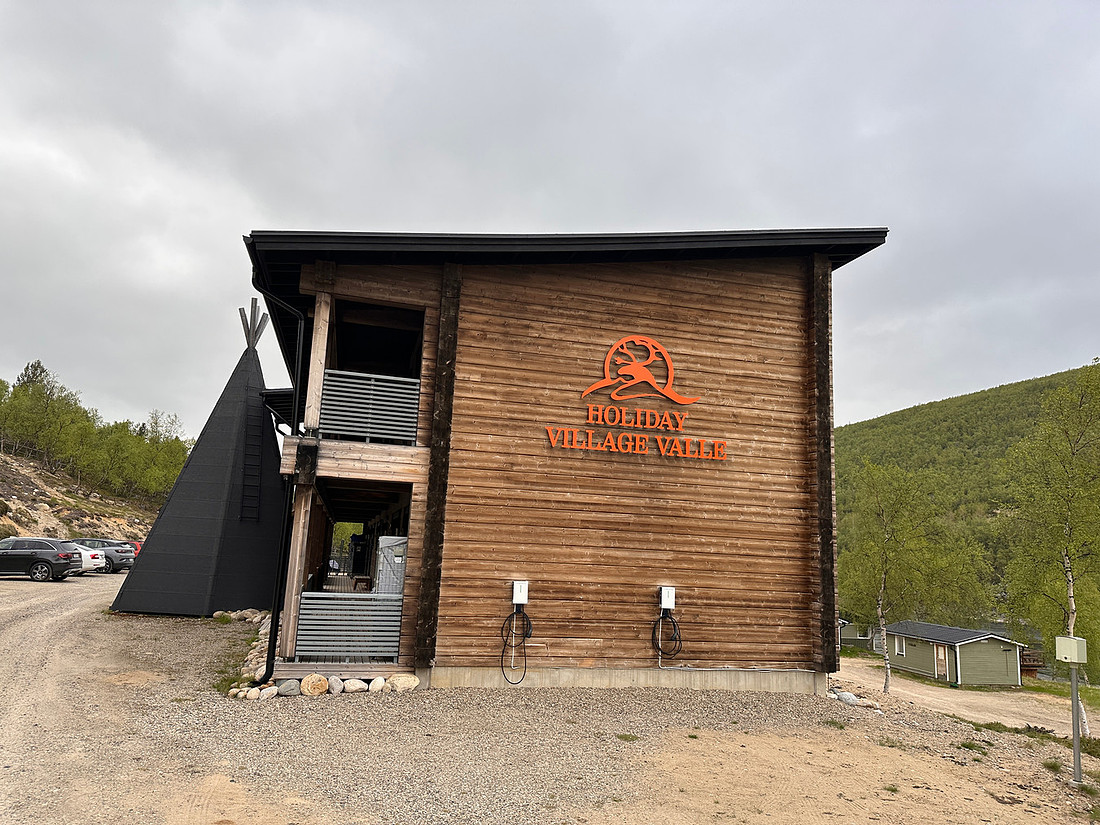
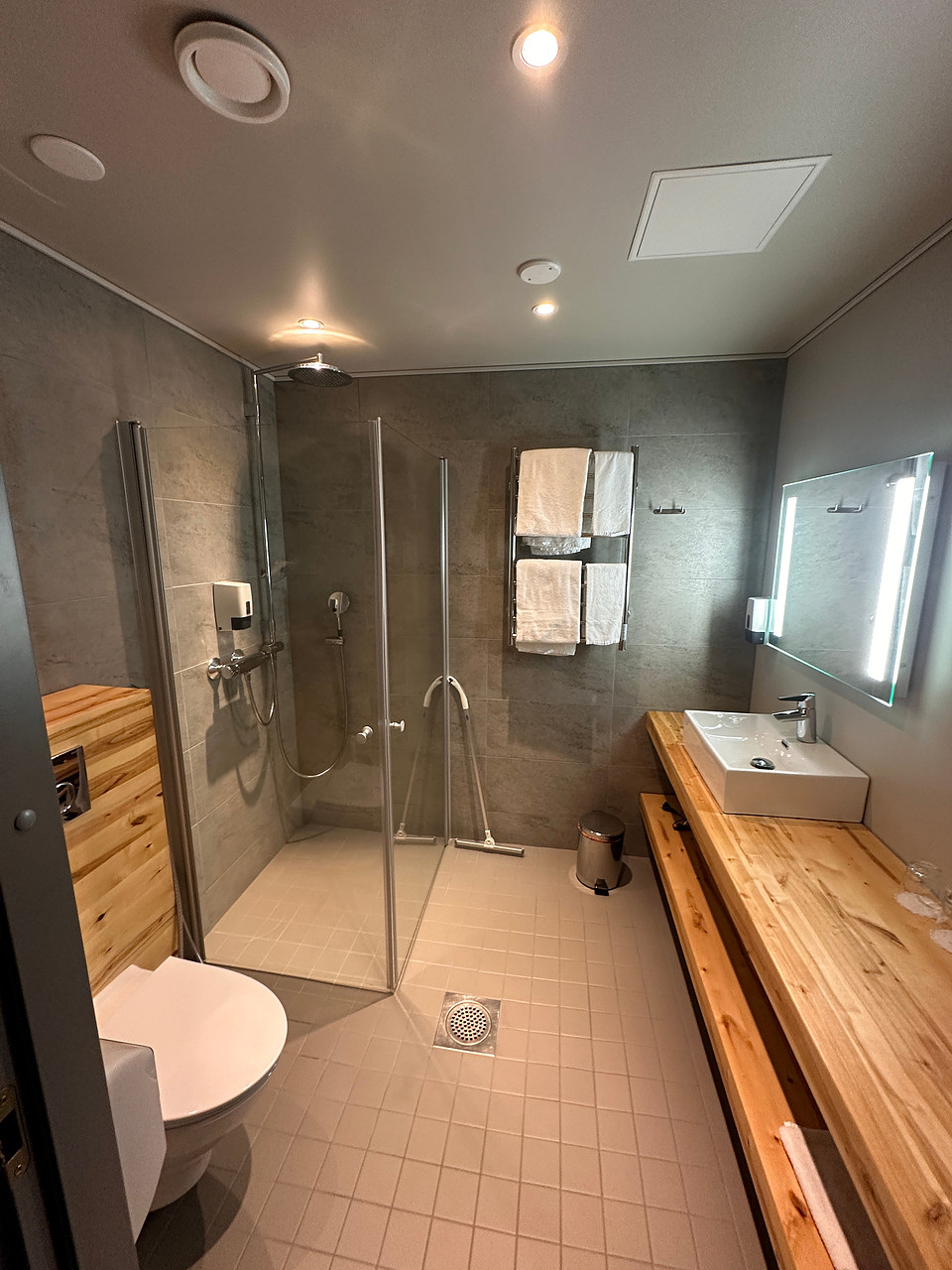
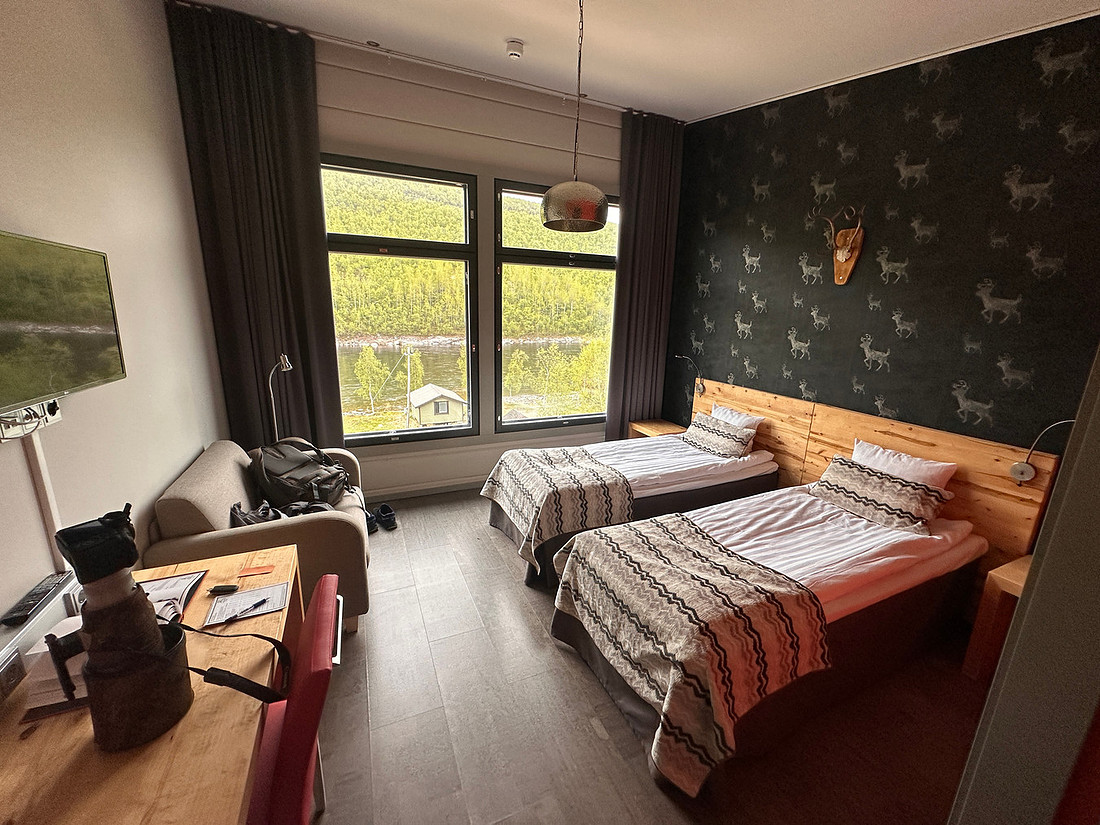
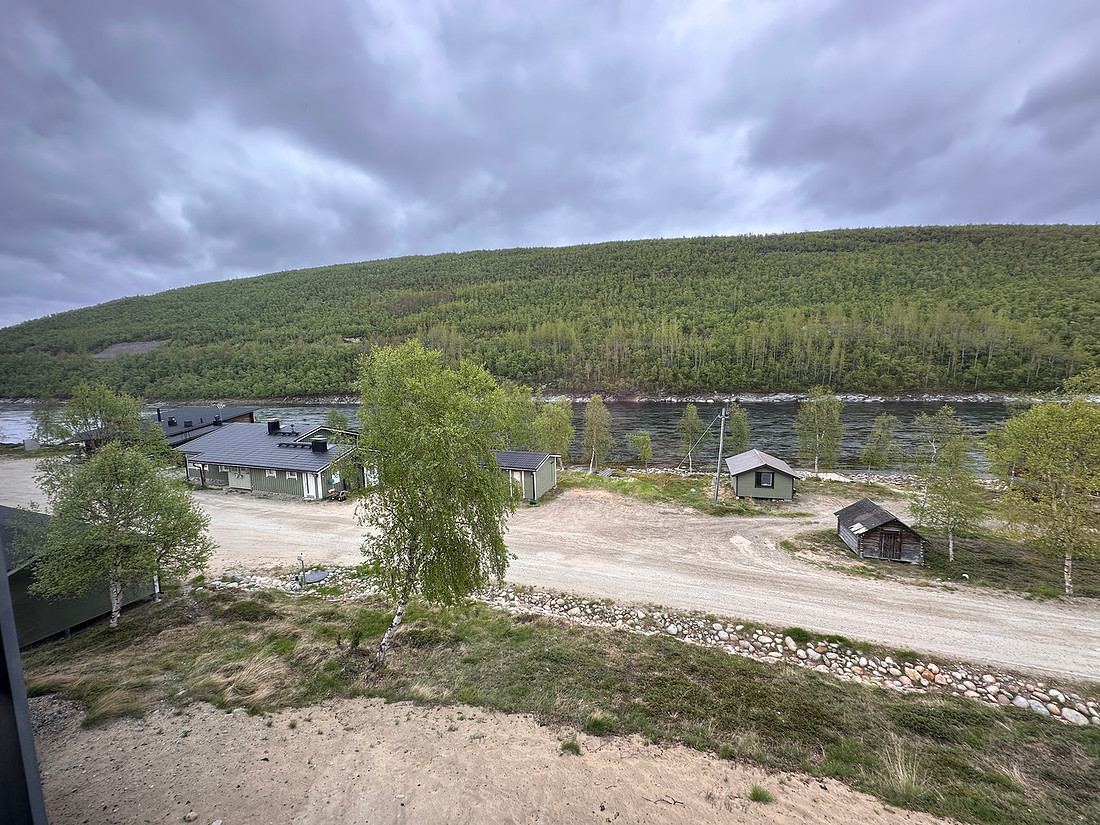
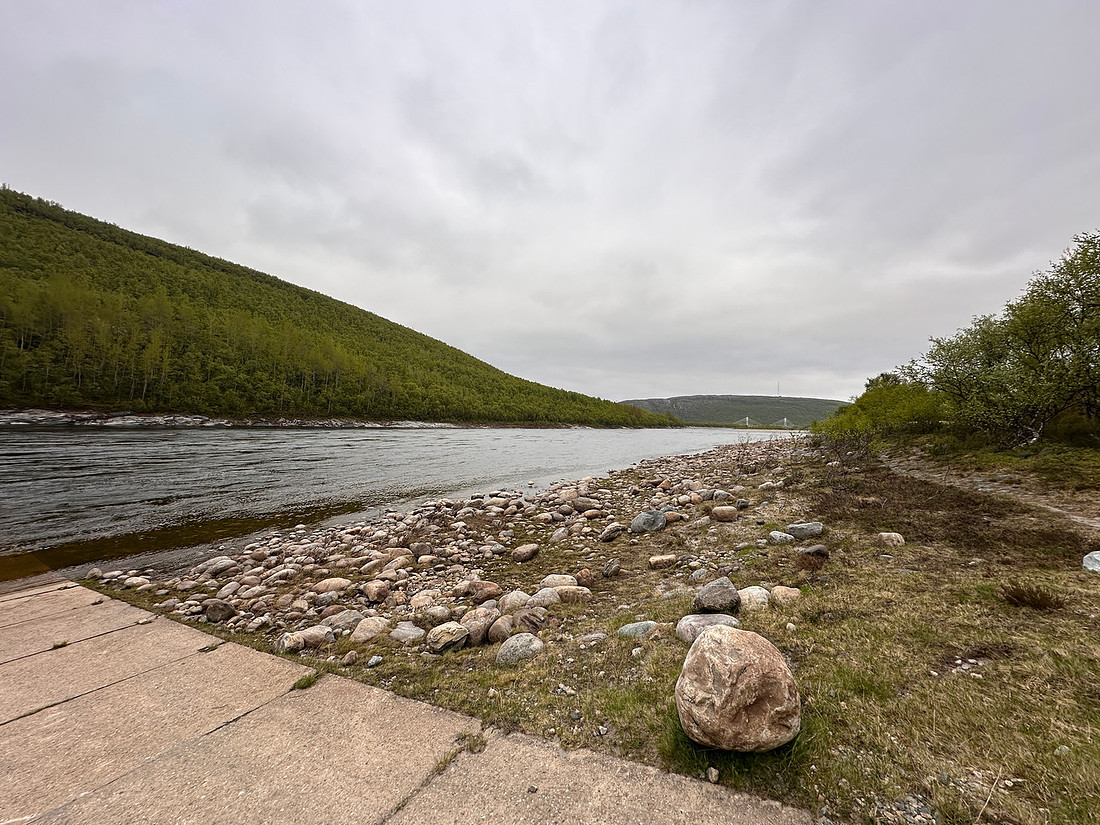
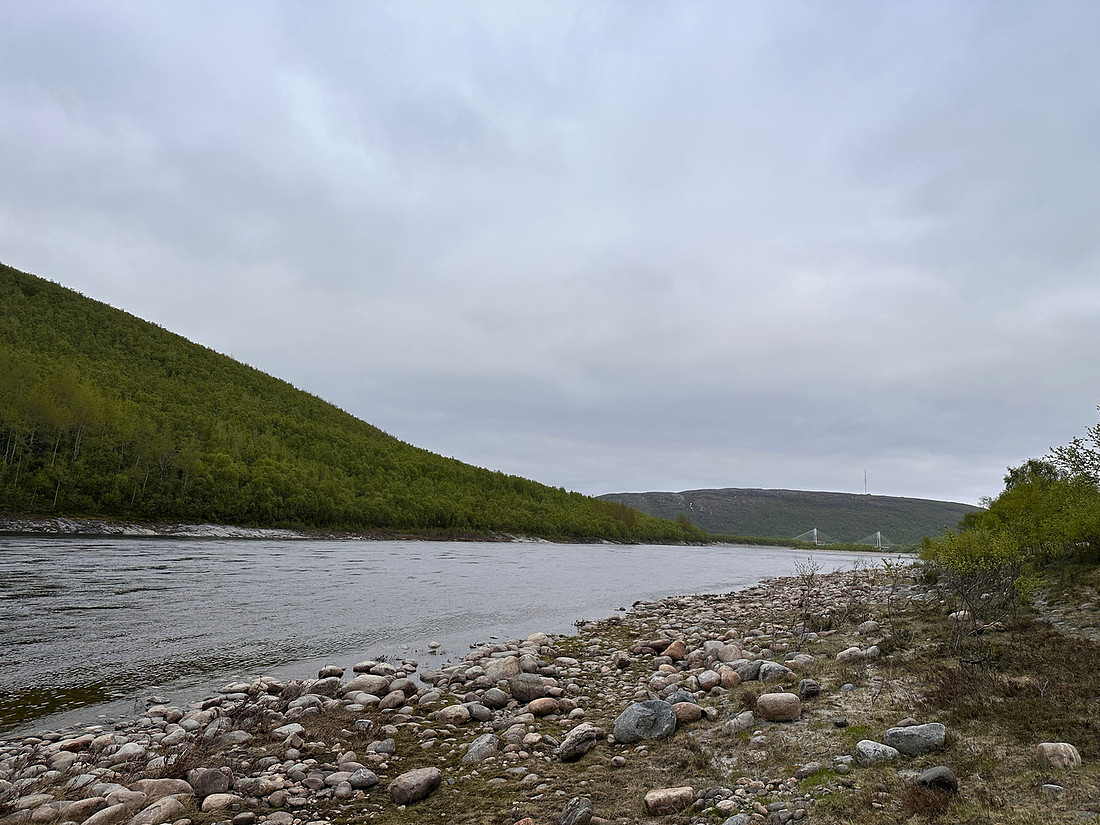
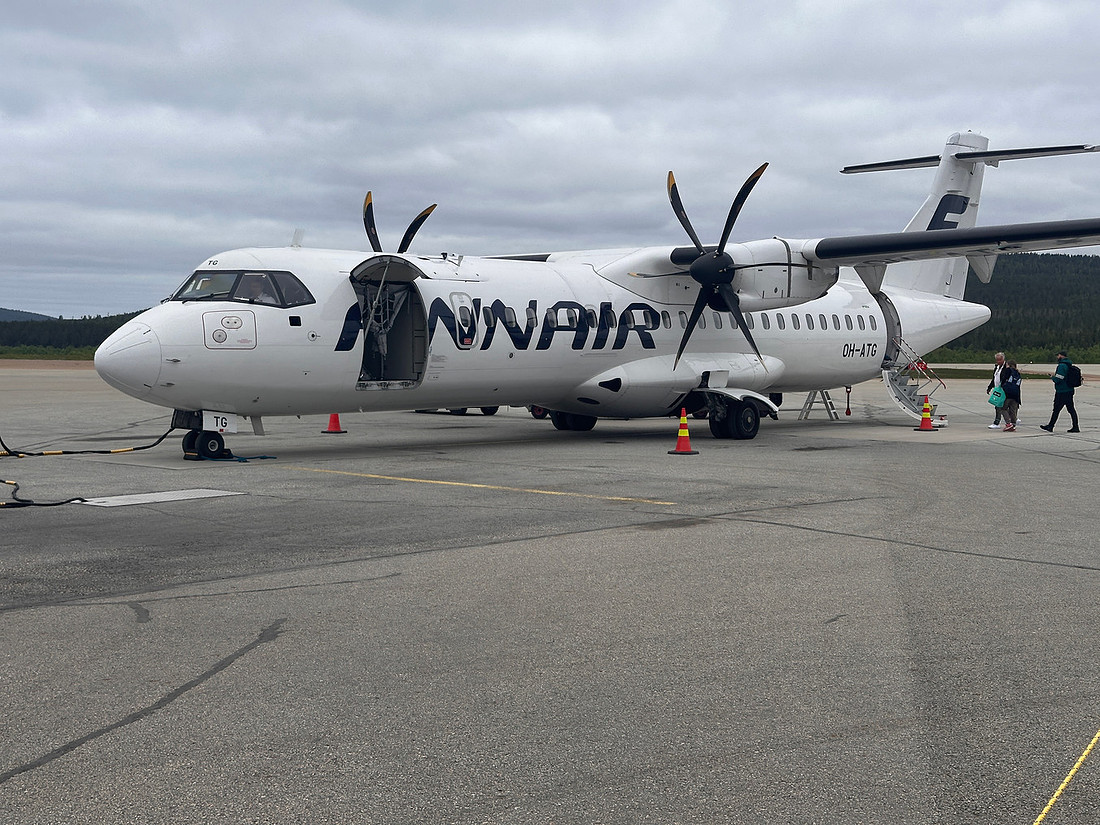
The following morning we left Utsjoki and headed towards Inari airport to catch our first flight of the day. Our flight to Helsinki was the only flight leaving that day and was full due to strike action by Finnair staff. I had to drop the car of a few minutes walk from the airport and enjoyed a fly over Waxwing en route back to the terminal a nice bird to finish the trip on.